
Located aside Lishui Wuxiang Mountain National Forest Park, a region of mountains and streams, and with an impressive modern design of multiple layers of space, naked Hill redefines the natural beauty in its own way. In all seasons, you can feel the simplicity and artfulness of being close to the earth. The naked Leaf spa center provides a blissful sanctuary for you to immerse a world of relaxation, rejuvenation and harmony, where combines the purity of water, the freshness of florals, and classic Chinese medicines to bring forth the essence of nature’s gifts, presenting fine and organic treatments to guests. Choose a favorite pavilion, poolside, or courtyard to stretch out and feel the connection with the nature. At naked Leaf Spa, you can also try to personally handmade a lipstick, soap or candles to bring back a pure natural souvenir.
Author: bianlijun
-
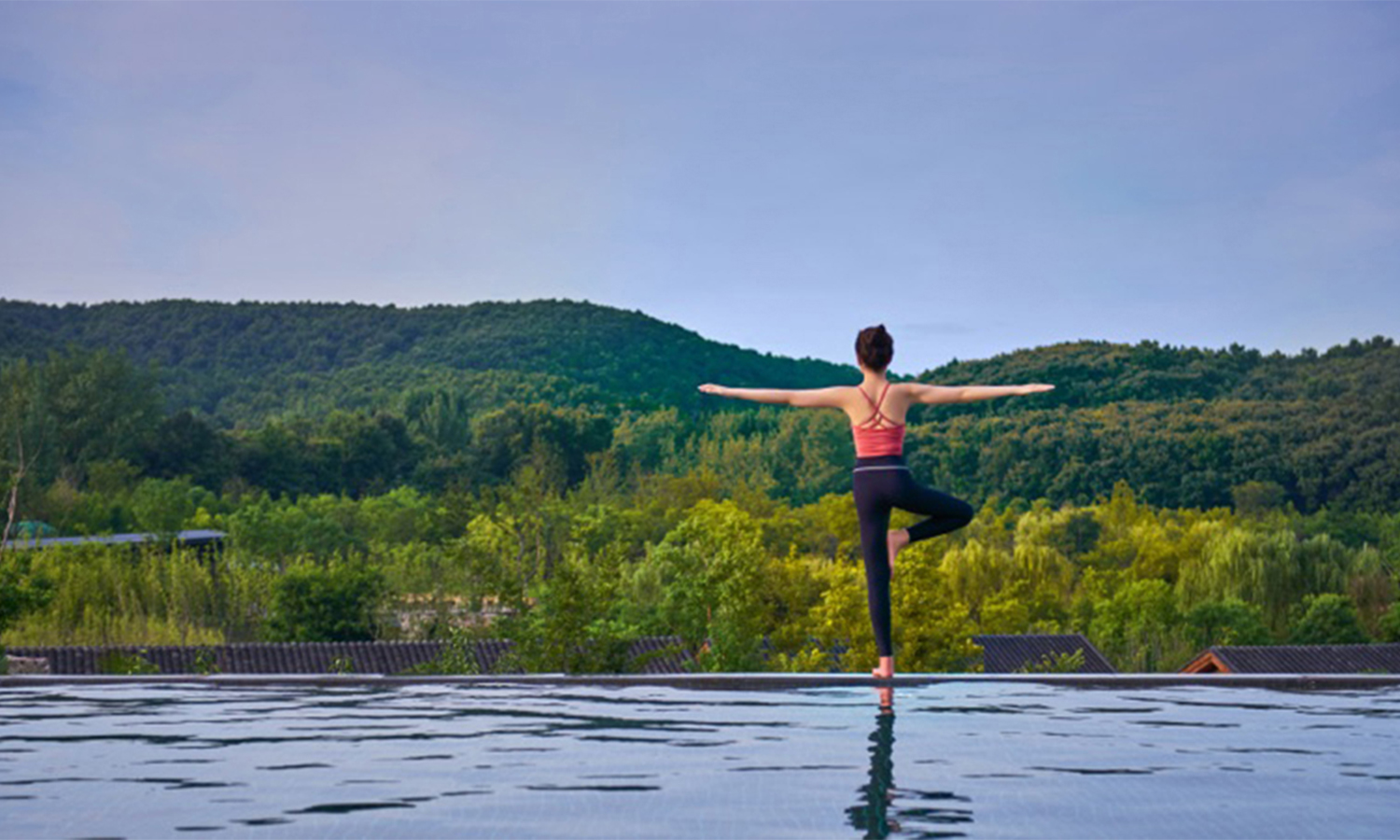
裸心岭裸叶水疗
来到南京无想山的裸心岭,山水之间,在自然的环抱里,尽享四季变幻的风情和独具创意的乐活体验。裸叶水疗中心以错落有致、山水层叠的设计与自然景观融合为一,净水、花卉、中草药贯穿于护理之中,用平衡细腻的美感与源自天然的理疗带来和谐舒缓的体验。裸心岭四季皆景,选一处喜欢的凉亭、池畔、或院落舒展身心,并与大地合二为一。在裸叶水疗中心,宾客还可以尝试手作唇膏、香皂与蜡烛,带回一份具有清水纯净、花果能量、和古典药理的天然纪念品。
-
Leveraging Wellness to Sustain & Advance Hospitality in the Covid-era
Industry Report from Horwath HTL Health & Wellness, issued in May 2021 – Part Two
In the last issue, we explored what characterizes travel in the late, post-pandemic era and how people’s understanding of wellness will change. This issue, the second half of this report aims to suggest how the hospitality industry can leverage people’s growing interest in wellness to flexibly and effectively develop and optimize their services over the next decade.
Leveraging wellness in hospitality
Promoting the end of unhealthy lifestyles
Even before the pandemic, a growing interest in healthy lifestyles, nutrition and exercise were apparent. And although human lifespans have increased over the last century, many more people live in a state of poor health, brought about by a rise in noncommunicable and chronic diseases. These diseases are overwhelming health systems and leading to a propensity for over-medication as opposed to effective lifestyle change. As a consequence, non-communicable and chronic diseases are the world’s leading cause of death, and it can be said that while we have the ability to live longer and better overall, we are not taking full advantage of the wellness knowledge available to us.
Chronic disease is, and will continue to be, the number one health challenge for years to come, and some research papers have even dubbed unhealthy lifestyles that lead to chronic diseases an emerging pandemic, or at the very least endemic within modern society.
Sadly, and fortunately, many chronic diseases are preventable through a pre-diagnostic approach to maintaining good health. According to the Global Wellness Institute, at least 80% of heart disease, stroke and type 2 diabetes, as well as 40% of cancers, are directly linked to unhealthy lifestyle choices, such as sedentary behavior, poor eating habits, smoking, poor sleep, stress and environmental pollutants1.
The coronavirus pandemic has given the world a unique opportunity to re-evaluate modern lifestyle value systems, many of which lead to unnecessarily high levels of stress, anxiety, and burnout, which weakens the body’s immune system’s ability to cope with health issues if and when they arise. For the hospitality industry, this opportunity manifests itself in creating more significant wellness experiences for guests that extend well beyond the traditional spa and fitness offering. From in-room wellness amenities such as air purification filters, circadian lighting, healthy mini-bar alternatives and a more comprehensive selection of teas, waters and amenities to healthy restaurant menus, free-to-use meditation pavilions, larger green spaces, visual healing projections, and binaural music in shared spaces, the opportunities for creating a genuine wellness guest experience are almost limitless. Many of these opportunities should become standard in new and existing developments, even those that do not specialize in wellness as a specific brand pillar or service offering.
Tackling loneliness head on
Loneliness and social isolation reduce our ability to find comfort and help each other. Pre-pandemic research pointed towards a growing worldwide decline in social capital, exacerbated by varied and complex modern, individualistic, and technologically-driven lifestyles2. For many, being surrounded by millions but interacting with few, can be damaging beyond expectation.
The experience and effects of social distancing, physical quarantine and lockdown requirements during the pandemic has only sped up this growing social health issue, leading to greater disconnection than ever before, with a growing emergence of major mental health consequences as a result. It can be assumed that many of these consequences are still to be fully manifested in many people who may remain unknowingly affected for years to come.
According to the Organization for Economic Co-operation and Development, one in every two people experience a mental illness in their lifetime. The economic burden of mental ill-health was expected to grow to more than 4% of the European GDP in 20183, a percentage likely to have exceeded this prediction due to the pandemic and its effects on mental health.
Loneliness is one of the biggest social issues the world is facing today, and is associated with a greater risk of heart disease, depression, anxiety, dementia and premature death. Healthy relationships and social connection are integral to nurturing personal and communal wellbeing and are now more important than ever.
Hotels and resorts have a unique opportunity to provide spaces, communities and offerings which can bring people together. While international travel is yet to bounce back, the lightening of travel restrictions will inevitably lead to a wave of travelers seeking to benefit from these experiences. With a focus on creating spaces that are both communal and free of stress and pressure, a new culture of social wellness can begin to heal the wounds of social isolation within the hospitality environment.
Whether they have a focus on wellness or not, hotels and resorts that provide access to basic health resources and community-focused programming have a chance to develop more memorable and effective social and mental wellbeing experiences. These resources may include fresh and nutritious food, on-site or on-call health and welfare services, green and biophilic recreational spaces and dedicated exercise and wellness programs. One simply used example within wellness destinations is the idea of a community table, which allows for meaningful and organic connection between guests, as opposed to mindless engagement with hand-held devices.
Bolstering the spa menu
As people gain a greater understanding of the serious impacts of living unhealthy lives, wellness travelers are now seeking more specialized treatments to boost immunity and gain quantifiable and data-driven wellness experiences which include preventative medicine, effective holistic therapies and cutting-edge digital approaches to the spa journey.
Treatments that are centered on maintenance and improvement of health in real terms are on the rise. These treatments can include holistic experiences such as thermal bathing, Traditional Chinese Medicine and essential oil therapies, as well as treatments that focus more on the use of technology, enhanced fitness and instantly felt or visible results.
A year of social distancing and spa closures have been devastating for an industry of professionals who make a living through therapeutic touch. Worldwide, spas and centers focused on enhancing and improving wellbeing have been forcibly closed due to the inability to adhere to social distancing regulations. However, it could be argued that these closures were actually counter-productive in providing people opportunities for improved health.
The curative effects of heat
According to Dr. Marc Cohen, a pioneer of wellness and integrative medicine, enveloped viruses such as the coronavirus are sensitive to heat and are destroyed by temperatures tolerable to humans – which is why the human body uses fever to deal with infections and why humans have utilized hot springs, saunas, hammams and sweat-lodges to enhance and maintain health for millennia.
In his paper, “Turning up the heat on COVID-19: heat as a therapeutic intervention”4, he reviews evidence for using heat to treat and prevent viral infections. In the initial phase of infection, heat applied to the upper airways can support the immune system’s first line of defense by supporting muco-ciliary clearance and inhibiting or deactivating virions where they first lodge. This may be further enhanced by the inhalation of steam containing essential oils with anti-viral, mucolytic and anxiolytic properties, and although no clinical protocols exist for using heat to treat the coronavirus, traditional practices and infection control measures based around this theory are expected to be developed and implemented rapidly and inexpensively over the next decade.
Embracing technology
As the effects of the pandemic reverberate across the world of wellness, the ubiquitous term ‘biohacking’ has also re-emerged as a buzzword across the industry and is now finding its way into hospitality. Described as the fastest- growing and most significant health and lifestyle trend this side of the millennium5, the term describes the practice of hacking the body to achieve positive results both physically and mentally.
Yet despite its tech-focused name and Silicon Valley-connotations, incorporating biohacking into hospitality is simpler than it looks. Nutritional provisions, such as specialized diet plans and alkaline drinking water, can help guests maintain their personal bio-hack regime, while more advanced offerings, such as complimentary wearable tech that provides daily biofeedback and in-room nootropic- spiked elixirs, can service the next generation of wellness travelers who are keen to push the boundaries on how far the body, the mind, and even DNA, can evolve.
For hotels and resorts unable or unwilling to offer such wide-reaching alternatives, an extended offering of dedicated fitness, mind & body practice and experiential wellbeing should still become a necessary cornerstone for any destination looking to take advantage of these trends. Integral to maintaining a healthy lifestyle and increasingly popular among guests of all demographics, the hospitality industry will need to continue exploring and engaging with the ever-evolving health and fitness sectors, and wellness managers will need to ensure constant innovation in these areas specifically to remain relevant and leverage opportunities when they arise.
Integrating health & wellness
In addition to a shift in the treatment menu, an arguably more dramatic shift is being seen from the operational side of spa offering and management. As the coronavirus pandemic first emerged, a large focus was put on ensuring touch points and surfaces were clean and sterilized – with some claims suggesting the virus could live on certain materials for days before perishing. However, further epidemiology research suggests that the virus’s surface transmission is not a significant factor in the spread of the coronavirus and that hand washing, face masks, and eye protection should be prioritized6.
What is clear is that regardless of scientific evidence, spa guests will remain actively conscious about hygiene and sterilization and will expect and demand it at all times. Hotels, resorts and spas will therefore be required to normalize the sterilization process and maintain transparency around health screening protocols well after the perceived risks of the virus have diminished. This will ensure peace of mind for every visitor, something crucially important for anyone looking to seek refuge, attain relaxation, and benefit from spa and wellness treatments7.
As our recent industry report that explored the benefits of merging medical and wellness tourism through integrative wellness destinations explained, the concepts of wellness and medical tourism are becoming increasingly interwoven. Spaces traditionally known for holistic wellness programming are incorporating more diagnostics and advanced results-driven treatments into their standard offering, while medically-focused destinations are broadening their approach to health by including more holistic wellness services to complement their treatments.
As the line between health and wellness becomes increasingly blurred, and as people begin to seek preemptive treatments and holistic treatments and lifestyle practices that supplement their recovery, medical destinations are moving away from sterile hospital-style designs by creating relaxing stays more similar to those experienced in hotels or resorts. On the other side of the spectrum, hotels and resorts that have developed a medi-spa offering have shifted their designs to better reflect the cleanliness, results, and professionalism expected from medical establishments.
In order for hospitality destinations to effectively develop an integrated health and wellness strategy, certain key elements need to be considered. If medical therapies are offered in addition to traditional spa treatments, a team of experts or specialists will need to be hired, which in turn will affect the organizational structure due to a need for clearly defined roles for each team.
However, the benefits of offering a more comprehensive health and wellness offering have many positives if the destination is marketed correctly and can attract the right guests for their chosen service platform. With a heightened perception of risks associated with hygiene and physical contact, a balance must be established that both fulfills the need for relaxation and pampering while demonstrating a clear and trustworthy understanding of hygiene, cleanliness and medi-centric services.
Integrative wellness destinations are anticipated to become one of the most sought-after wellness hospitality establishments in the coming years, as they provide a comprehensive selection of services in an environment that is distinctly non-medical. For any hospitality company looking to expand its offering to meet the fast-growing demands born out of the coronavirus pandemic, it is recommended that a wellness consultant is hired to guide both owners and operators to create a successful venture at both design and operational levels. Without this guidance, and a detailed roadmap, then results may vary and for those who see wellness as an easy fix-all, there may be disappointment.
Conclusion
In the wake of the coronavirus pandemic, global wellbeing is expected to remain sharply in focus both in terms of physical need and collective cultural narrative. The World Bank estimates as many as 150 million people fell into extreme poverty in 2021 and suggests that a number of middle-income countries will see significant numbers of urban dwellers slipping below the poverty line for the first time, identifying a significant shift in the spending power of those who may have previously had the economic stability to enjoy travel and wellness tourism8.
The wellness economy’s future, and specifically that of wellness hospitality, will therefore be strongly influenced by the significant global changes seen over the last year. Certainly, the predicted growth of the pre-pandemic era will take time to correct, but due to fast-growing trends surrounding health, immunity, and wellbeing, the hospitality industry is poised to see a fast recovery if the correct steps are taken.
Pairing a growing need for, and deeper understanding of, health and wellness in general with a shift in global spending patterns, the consequences of the coronavirus pandemic place hospitality in a unique position to adapt and incorporate health and wellness into the core traveller experience. Therefore, fulfilling demand for new and improved revenue generation opportunities and improving accessibility to impactful personal experiences for a wider guest demographic, must be regarded as a priority.
With more hotels and resorts adopting meaningful wellness as a key service offering, and as the industry as a whole becomes more democratised, wellness tourism growth is very likely to exceed previous expectations despite the economic downturn, and particularly when compared to the wider hospitality landscape. It is predicted that wellness tourism will see an even greater growth rate than the pre-pandemic era by the time the global economy is truly stabilised.
Opportunity rising from crisis
The pandemic has shifted the goalposts for what is expected from the wellness industry and by association, the industries that interact with wellness the most, must adapt accordingly. This paradigm shift presents a unique opportunity for hospitality owners and operators to leverage the popularity and trends associated with wellness to create new profit streams, improve brand position and ensure long term stability of their product for guests, employees and stakeholders, even in the face of any future economic uncertainty.
The inevitable surge of late- and post-coronavirus era travel will emerge hand in hand with strong demand for wellness hospitality, likely exceeding all expectations. Our collective understanding of health and wellbeing has been forever changed by the pandemic, and it is this forced evolution in guest expectation that is driving a new interpretation of hospitality and more comprehensive service offerings. By thoughtfully leveraging wellness, the hospitality industry can utilise this key concept to create a new experiential and multi-layered product, helping it to become more resilient, relevant, and sustainable than in the years preceding the pandemic.
- 10 Global Wellness Institute – Global Wellness Economy Monitor (2018)
- Global Wellness Institute – Resetting the World with Wellness: A New Vision for a Post COVID-19 Future (2020)
- Organisation for Economic Co-operation and Development – Health at a Glance: Europe 2018 (2018)
- Dr. Marc Cohen – Turning up the heat on COVID-19: heat as a therapeutic intervention (2020) https://www.ncbi.nlm.nih.gov/pmc/articles/PMC7372531/
- Ingo Schweder – Biohacking: An Inevitable Evolution of Wellness (2020) https://gocohospitality.com/biohacking-an-inevitable-evolution-of-wellness/
- The Guardian – Clean Break: the risk of catching Covid from surfaces overblow, experts say (2021) https://www.theguardian.com/australia-news/2021/feb/28/clean-break-the-risk-of-catching-covid-from-surfaces-overblown-experts-say
- Horwath HTL Health & Wellness – Merging Medical & Wellness Tourism in Integrative Wellness Destinations (2020)
- The World Bank – COVID-19 to add as many as 150 million extreme poor by 2021 (2020)
-
借力养生热潮 更新酒店服务
Horwath HTL健康与养生咨询公司与SpaChina读者分享行业报告。
该报告于2021年5月完成,将分为两次登载(下)继上期杂志中本报告所探讨的疫情后期、后疫情时代的旅行有哪些特点,人们对于健康的理解将发生什么样的变化,本报告的下半部分旨在提出从现在开始的未来十年,酒店业可以如何借力人们日益增长的养生兴趣,来灵活并有效地对服务进行开发和优化。
酒店业借力“养生”趋势
加速终结不健康的生活方式
疫情以前,人们就已经表现出对健康的生活方式、饮食、运动比以往更大的兴趣。虽然人们的寿命比以前长了,但很多人都处于由非传染性疾病和慢性疾病造成的不佳的健康状况中。这些疾病使卫生系统不堪重负,并导致了过度医疗,人们并未能通过生活方式的改变来改善健康问题。非传染性疾病和慢性病是世界上最主要的死亡原因。所以说,虽然在整体上我们活得更长、物质生活更好,但我们并没有充分利用所掌握的健康知识。
慢性病已经是,并将继续是未来几年里的主要健康挑战。一些研究文章甚至将导致慢性病的不健康生活方式称为新型疫情,至少是现代社会中的流行病。
可悲的是,也可以说幸运的是,许多慢性病是可以通过预先诊断的方式来避免或缓解,从而使身体保持健康的。全球健康研究所称,至少80%的心脏病、中风和2型糖尿病以及40%的癌症都与不健康的生活方式直接相关,如久坐、不良饮食、吸烟、睡眠不足、压力和环境污染物1。
新冠疫情的爆发给了人们一个机会重新审视现代生活方式的影响,人们已开始意识到,现代生活方式带来了高压、焦虑、疲倦,削弱了免疫系统应对健康问题的能力。对于酒店业来说,应该抓住这个机会为客人打造更新颖全面的健康体验,而不是仅仅局限于传统的水疗和健身服务。例如可以在客房内安装空气净化器、节律照明系统,迷你吧里放置健康食品和更为丰富的茶水选项,餐厅里提供健康菜单,开设供客人免费试用的冥想室,扩大绿化空间,打造视觉治疗投影区,在公共区域播放双声道音乐等,想要为客人打造全面的养生体验是充满了各种可能的。许多现有的和新建的酒店应该将这些养生设施和项目作为酒店的标配,包括并不是将养生作为品牌支柱或服务核心的酒店。
帮助客人走出孤独
孤独和社交隔离降低了我们从他人获得安慰和相互帮助的能力。疫情爆发前的研究已指出,世界范围内的社会资本日益减少,而各种复杂的现代、个人主义和技术驱动的生活方式加剧了这种情况2。对许多人来说,被数以百万计的人包围,与之互动的却寥寥无几,这是一种难以承受的伤害。
疫情期间的社交距离、隔离政策等进一步加速了社会健康问题的产生,导致人们比以往任何时候都感到更加孤单,并引发了越来越多的精神健康问题。很多人已经在不知不觉中被影响,并且将在未来几年里仍然处于这一影响中。
根据经济合作与发展组织的数据,每两个人中就有一个人在其一生中经历过精神疾病。2018年,精神疾病造成的经济负担已达到欧洲GDP的4%以上3。鉴于疫情对精神健康的影响,如今这个比例很可能已经进一步加大。
孤独是当今世界面临的最大社会问题之一,它将加重心脏病、抑郁症、焦虑症、痴呆和过早死亡的风险。健康的人际关系和社会联系是发展个人和社会健康的关键部分,在疫情影响下的今天尤为重要。
酒店和度假村该思考的是,如何打造新颖的互动空间、社群活动和养生产品/服务来将人们连接在一起。虽然国际旅行尚未完全开通,但旅行限制政策的放宽预示着,不久的将来就会迎来一波具有以上需求的旅行者。当酒店纷纷开始打造具有社群感又不会造成压力的公共空间,一种新的社会健康文化将会流行起来,让社交隔离造成的精神创伤在放松的酒店环境里被治愈。
无论是否以养生为核心,如果酒店和度假村能为客人提供基本的健康资源和以社群互动为特色的项目,都将会给到客人难忘且有效的社交和精神健康体验。这些基本的健康资源包括新鲜和有营养的食物,随时可获得的健康和养生服务,环保型休闲空间,以及特别设计的锻炼和健康计划。众多养生目的地都可以尝试一个简单的做法:打造社群餐桌,它将引导客人进行有意义的交流互动,而非每个人都无意识地埋头在各自的手机里。
更新SPA菜单
人们对不健康的生活方式所带来的严重后果有了比以往更多的了解,因此养生旅行者开始寻求专业途径来优化免疫力,并获得可量化和数据可证的健康体验,包括预防医学、整体疗法和其它可运用于SPA场景的尖端科技。
以维持和改善健康为目的的疗法正在兴起,如温泉浴、传统中医和芳疗在内的整全疗法;或是高科技疗程、完善的健身计划、可带来即时效果的健康项目等。
一年来,社交距离、SPA歇业,养生服务提供者遭受了不小的重击。全球范围内,以改善健康为宗旨的SPA因为无法达到社交距离标准而被强行关闭。然而,效果可能适得其反,因为人们又少了大量的机会来改善自己的健康情况。
高温的治疗功效
养生专家、综合医学领军人Marc Cohen医生说到,冠状病毒等包膜病毒对热敏感,可在人体能忍受的温度下被杀死,所以人体会通过发烧来应对病毒感染,这也是为什么几千年来,人们利用温泉、桑拿、土耳其浴和汗蒸来增强和保持健康。
在论文《提高温度应对COVID-19:将高温作为一种治疗干预》中4,Marc Cohen阐述了如何利用高温来治疗和预防病毒感染。在感染的最初阶段,让上呼吸道保持温热,可促进粘液纤毛清除病毒,或让病毒在最初着陆的地方被抑制或失活,从而坚固免疫系统的第一道防线。吸入具有抗病毒、粘液溶解和抗焦虑功效的精油蒸汽则可进一步增强上述效果。尽管目前还没有关于通过高温治疗新冠的临床案例,但可以肯定的是,在未来十年,基于这一理论的传统疗法与实践,以及病毒防控措施将迅速的展开,并且这些方式都不会太花钱。
拥抱技术
随着疫情的影响已波及全球各地的健康领域,“生物黑客”这一术语再次在行业中流行起来,现在也逐步进入酒店业。这一术语被视为千禧年以来发展最快和最重要的健康和生活方式趋势5——“黑客”身体,以带来身体和精神上的积极效果。
虽然拥有一个和硅谷搭边的高科技名字,但将生物黑客技术纳入酒店管理并不难。比如,餐饮方面,推出专门的饮食计划或是碱性饮用水来帮助客人开展个人“生物黑客”养生实践。还可以提供更先进的产品,如让客人免费使用提供日常生物反馈的可穿戴技术、在房间内供应营养补充剂,这些将满足热衷于获得身心乃至DNA健康的新一代养生旅行者的需求。
对于无法或不愿意提供高科技替代方案的酒店和度假村来说,如果想要迎合当下养生旅行的趋势,至少得尽力优化健身项目、身心练习和体验式健康服务。当所有人都渴望着拥抱健康的生活方式的背景下,酒店必须不断探索和优化自己的健康和健身服务。养生经理们则需要持续进行创新,掌握最新的养生趋势,并及时抓住每一个新机会。
健康与养生融合
除了更新SPA菜单,SPA在管理和运营方面也会有巨大改变。疫情刚刚爆发时,SPA的主要关注点是如何避免直接接触,以及物体和家具表面的清洁和消毒——有些说法是,新冠病毒可以在某些材料上存活数日。然而,2020年初,进一步的流行病学研究表明,通过物体表面传播并不是新冠病毒传播的主要途径,人们首先应该注意的是勤洗手、戴口罩和佩戴防护镜6。
当然,即便如此,客人仍然会非常在意SPA里的卫生和消毒情况,对此有非常高的要求。因此,酒店、度假村和SPA必须让消毒成为常规工作,并保证员工健康情况完全透明,让每一位造访者都能安心。对于来到酒店或SPA体验疗程以获得健康提升、身心放松的人群来说,“安心”这一点是非常重要的7。
我们最近的行业报告探讨了通过综合养生目的地将医疗旅游和养生旅游进行融合的好处。养生旅游和医疗旅游的概念正日益交织。传统上以整体健康项目为主的养生目的地正越来越多的引进先进的诊断法和高效的治疗方案,而以医疗为重点的目的地则推出了越来越多的综和养生服务,作为医学疗程的补充。
随着健康和养生之间的界限越来越模糊,以及人们开始寻找新兴体验、综合疗程、生活方式相关的项目来帮助自己更快恢复健康,医疗目的地开始了转型之路,一改之前寡淡的医院式装潢风格,引入了更多类似于五星酒店和度假村的设计与体验。另一方面,涉足医疗SPA的酒店和度假村们则在设计和体验上朝着医疗目的地靠拢,比如清洁度、疗效、专业度的提升等。
为了有效地制定一个健康与养生的综合战略,酒店需要考虑一些关键因素。如果要在传统的SPA疗程之外提供医学疗法,就需要雇佣一个专家团队,这意味着要明确界定每个团队的角色,从而影响到人事组织架构。
然而,如果酒店营销得当,并能吸引到合适的目标客人,那么提供综合的健康和养生服务将带来诸多益处。随着人们对卫生清洁的要求和对身体接触的风险警惕性提高,酒店必须建立一种平衡,既要满足客人对放松和呵护体验的需要,又要显示出在卫生、清洁和医学服务方面的高标准,以取得客人的信任。
预计在未来几年里,综合养生目的地将成为最受欢迎的酒店形态之一,将在一个非医疗的轻松环境中为客人提供全面的养生服务选项。对于希望扩大服务范围,以满足新冠后人们快速增长的健康需求的酒店管理公司来说,建议聘请健康顾问,为业主和运营者在设计和运营层面提供指导。是否拥有专业的指导和详细的规划,对结果的影响会很大。如果你觉得不需要专业指导,只要随便加入点养生内容就能获得成功,那么你很可能会失望。
总结
预计在疫情之后,关于全球福祉的关注将集中在人们的物质需求和文化方面。世界银行预测,到2021年将有多达1.5亿人陷入极端贫困,一些中等收入国家将看到大量的城市居民首次滑落到贫困线以下,这表明那些以前经济情况稳定,有能力进行旅行和健康旅游的人群的消费能力发生了重大变化8。
因此,养生经济的未来,特别是养生酒店业的未来,将受到疫情的强烈影响。当然,疫情前做出的预测,比如那些会增长的领域,可能需要一些时间来实现。但由于围绕健康、免疫力和个人幸福感的需求快速增长,如果酒店能够采取正确的行动,将有望经历快速复苏。
人们对健康和养生的需求不断增加,理解不断加深,加上全球消费模式的转变,酒店业被置于一个独特的位置,调整更新迫在眉睫,必须将健康和养生作为客人体验的核心。因此,抓住新的创收机会,为客人提供有影响力的个人体验,将是接下来酒店运营的重中之重。
随着越来越多的酒店和度假村将养生项目作为主要的服务内容,以及整个健康行业更加向大众普及,尽管经济情况尚不景气,但健康旅游的增长很可能超过预期,特别是与传统酒店业相比。据预测,等到全球经济逐渐恢复,养生旅游的增长率将比疫情前更高。
危机中的机遇
疫情提升了人们对养生行业所能提供的服务的期待值,因此,与养生互动最多的行业也必须做出相应的调整。酒店业主和运营者当利用机会,抓住养生趋势来开发新产品、新项目,从而增加利润,提升品牌定位,即使面对未来可能出现的经济危机时,也能持续为客人提供所需服务,保障员工和利益相关者的长期利益。
疫情后期和后疫情时代的旅行者将对养生酒店具有前所未有的强烈需求。我们对于健康和幸福的理解已经被这场疫情彻底改变,与之相应的,人们对于酒店的要求也会变得不一样,催迫酒店不得不提供更加全面的服务,进行转型。酒店应当抓住时下的养生热潮,创造出更加具有体验感和多层次的产品和服务,使得自己的运营与服务比疫情前更加灵活、有意义、可持续。
- 全球养生研究所-全球养生经济观察(2018)
- 全球养生研究所-用养生重启世界:后疫情时代的未来展望(2020)
- 经济合作与发展组织:2018年的欧洲健康(2018)
- Marc Cohen-提高温度应对COVID-19:将高温作为一种治疗干预(2020) https://www.ncbi.nlm.nih.gov/pmc/articles/PMC7372531/
- Ingo Schweder-生物黑客:养生的必然演进(2020) https://gocohospitality.com/biohacking-an-inevitable-evolution-of-wellness
- 卫报-专家认为,从材料表面感染新冠的风险被夸大了(2021) https://www.theguardian.com/australia-news/2021/feb/28/clean-break-the-risk-of-catching-covid-from-surfaces-overblown-experts-say
- Horwath HTL养生与健康顾问公司-打造综合养生目的地,融合医疗与养生旅游(2020)
- 世界银行-2021年,COVID-19使得极端贫困人数新增1.5亿
-

A Wellbeing Journey in Italy
The splendor of an ancient empire,
the romance that is unique to the country of art,
the spa experience in the midst of wonderful nature and all
other treasures compose the charm of ItalyAs the birthplace of the Roman Empire and the Renaissance, Italy has no shortage of great works of art and architecture, and it’s no surprise that it tops the world’s list of world heritage sites. However, what is often forgotten is that Italy is also a great travel destination with stunning scenery and wellness offerings. Lakes, mountains, seashores, spas, you can choose your favorite way to enjoy Italy.
Rome, a capital of glory
Maybe you are not interested in history and culture, but probably you will still make it the first stop of your journey, just like all other travelers.
The Colosseum, standing in the center of the city, also known as the Flavian Amphitheater, is undoubtedly a landmark of Rome. It was the largest of its kind built by the Roman Empire, with a capacity of nearly 90,000 spectators. The central part is the performance area, and the outside is surrounded by layers of stands, about 60 rows. There were two underground storeys with tunnels, cells, and passages where the gladiators, workers, wild animals stayed, who were then lifted to the ground at the beginning of the performance.
Today, although only a part of the structure remains, it still delivers a mighty atmosphere and seems to be a constant reminder of the glorious history of Rome.
You can explore it on your own or join a guided tour to get more information and knowledge of it. Plus, guided tours may take you to certain areas that are not open to the general public.
In the vicinity of the Colosseum are located several other important sites of ancient Rome: the Roman Forum, Palatine Hill, and Nero’s Domus Aurea (Golden House).
Directly across from the Colosseum entrance, Colosseo Metro Caffe inside the metro station offers various coffee, pizza, and appetizers. La Biga on Nicola Salvi Street has a curbside outdoor dining area. On the other side is the trendy Royal Art Café with a rooftop terrace, and on the corner of Capo d’Africa is Osteria Angelino, founded in 1899, serving traditional Roman cuisine. Want the best Italian ice cream? Then go to Gelateria Da Costanza, opposite the San Giovanni in Laterano.
Venice, a romantic town of canals
The best way to enjoy Venice – get lost in one of the city’s streets and alleys, strolling along the canals in search of the next secret corner. And no matter which charming alley you enter again, it’s always easy to return to the city landmarks – Piazza San Marco (St. Mark’s Square) and the Grand Canal.
In addition to the elegant architecture, Piazza San Marco is affectionately known by locals as the living room of Venice, where people come to take a leisurely stroll, chat, drink coffee, and meet with friends.
Enjoying the canals on a gondola is a classic that visitors to Venice have been trying for centuries. Venice is a city of islands, with numerous canals forming the main streets of the city.
The Grand Canal is the most famous and largest of these waterways, traversing the city in an S-shape, connecting important locations such as Piazza San Marco, the Rialto Bridge, and the train station. Four bridges are built over the 3.8 km long canal. The gondolas shuttle back and forth across the canal, stopping at several points along the way. The Grand Canal is lined with magnificent palace buildings with gorgeous Gothic and early Renaissance-style façades.
The many small canals with their unique features are also well worth your time. Whether it’s a boat tour or a stroll along the river, you can feel the breath of time from the historic buildings.
Florence, the home of art
For art lovers, the Uffizi Gallery in Florence is a place that cannot be missed. Even if they are not art lovers, visitors to Florence will be drawn to this gallery to see at least some of the classics of the world, such as Botticelli’s Birth of Venus.
What many visitors to the Uffizi Gallery may not realize is that this magnificent museum is part of a family’s private collection — and only part of that collection.
The Medici family were not only art collectors, but also great patrons of the arts, funding artists’ creations. The family’s last heiress donated the collection to Florence with the stipulation that it would only remain in the city.
As one of the most important art museums in the world, Uffizi Gallery houses an extremely valuable collection of paintings, and in addition, it is also a perfect representation of Italian Renaissance art.
Starting from Room 2 on the second floor, the works are arranged chronologically according to the age of their creation. After Room 13, they are displayed by schools, religion and country.
Lake Como, a picture of waters, villas and gardens
Surrounded by mountains and lush greenery, Lake Como in the Italian Lake District is dotted with charming towns and villas. Since Roman times, it has attracted royalty and nobility to come. A boat ride between the towns and the villas is a wonderful way to enjoy it.
There are many villas and gardens that are free to visitors, so why not get off the boat to enjoy them and continue the journey on the next boat? Many people set aside two days to explore the Y-shaped lake. The luxurious Bellagio Hotel located on a peninsula in the middle of the lake is a perfect place to stay for the night. On the western shore of the lake, you’ll encounter the small town of Tremezzina, while the southern shore is home to Villa Balbianello.
Before you leave, it’s a good idea to study the ferry schedule and plan your stops and return times. Of course, you can also just sit on the boat and let the picturesque scenery pass before you.
Trento: hot springs for wellness
“When you are here, let go of everything and just breathe deeply.” This is what people say about the northern Italian wine region of Trento. Nestled against the majestic Dolomite Mountains and with streams flowing throughout, Trento offers a diversity of wellness options. You can ride and hike in the natural park, enjoy spa treatments, explore charming villages, find artistic treasures, and embark on a healing journey of mind and body amidst picturesque scenery.
More than 10,000 springs bubbling in the mountains and forests make the place a unique hot spring spa destination. Trento is home to six quality and well-equipped spas, each with different efficacy of hot spring water and their own healing features.
The Terme di Rabbi is located in the heart of the Stelvio National Park, at an altitude of 1,200 m. The thermal waters of the spa are from the Cevedale mountains and are rich in carbon dioxide, which is very effective in the treatment of arthritis, vascular diseases, gastrointestinal disorders, problems related to the ear, nose and throat, and anemia.
The SPA offers “Park Therapy”, which combines spa therapy with barefoot walks in the forest, tree hugging and aerobic exercise. In the wellness area, you can experience Kneipp footpaths, herbal baths, as well as massages and beauty treatments. The products used in the spa, “Ferrum-C”, are made from local hot spring water and alpine plants harvested in the valley.
The Terme di Levico and Vetriolo is located within the Valsugana lake district, the first destination in the world to receive a certificate of sustainable tourism from the Global Sustainable Tourism Council.
The Acqua Forte spring of the Terme di Levico and Vetriolo originates from the Panarotta Mountains and is rich in iron, sulfate, copper and arsenic due to the mineral deposit area it flows through, which has a calming effect on the nervous system, relieves stress and anxiety, and helps with respiratory ailments and skin problems.
Terme di Levico and Vetriolo is dedicated to helping guests regain balance through various activities, such as lakeside yoga and nature meditation walks that guide guests to focus on their breath and body awareness. Other wellness services include massage, physical therapy, exercises, water aerobics and more.
The Terme Dolomia is backed by the majestic Dolomite Mountains and has the only sulphur hot spring in Trento, Alloch, with a constant flow of water into the SPA, rich in sulphur, sulphate, calcium, magnesium and fluorine.
Amidst the natural scenery, the SPA organizes a series of outdoor activities that benefit the body and mind like qigong, short distance mountain bike rides, etc., leading guests to deeply inhale natural energy and improve the immune system, as well as to better dialogue with themselves.
A few kilometers away from Pinzolo, Terme Val Rendena is located in a historic building surrounded by the landscape of the Brenta Dolomites. The iron-rich water from the Sant’Antonio thermal spring is beneficial for respiratory and vascular health, and the water can be drunk directly or inhaled as a spray or bath for healing.
The SPA has created the “Dolomites Nature Wellness” program, with activities designed around movement, breathing and meditation, such as barefoot hiking in the Adamello-Brenta Park or a natural Kneipp experience in Sarca River. Spa facilities include a sauna, hammam and pool.
The Terme di Pejo is another spa inhabiting the Stelvio National Park, 1400 meters above sea level, with thermal waters bubbling up from the foot of Vioz Mountain. What is special about this spa is that it is nourished by three different springs at the same time – The Fonte has good diuretic effect; Antica Fonte is rich in iron, which is suitable for people with anemia; Nuova Fonte features rich carbon dioxide content, which is beneficial to digestive system, liver function, and can help treat gallstones and hypercholesterolemia.
The spa treatments use medicinal plants and local alpine herbs to balance the mind and body. The treatments are complemented by meditation, yoga and breathing exercises, as well as sauna, ice waterfall, sunbathing and fitness experiences.
The Terme di Comano SPA is located in the hotel of the same name, just a few kilometers from Lake Garda, immersed in the peaceful atmosphere of the Ledro mountains and the Judicaria ecological reserve.
The hotel’s thermal water has a near-neutral pH, which is rare throughout Italy. The hot spring has been discovered and utilized in the ancient Roman period. The hotel has a renowned European skin center that focuses on solving skin problems and combating chronic airway inflammation. Wellness experiences include meditation sessions, sensory hikes, forest therapy, and an extensive spa treatment.
Beyond the spa experience, go deep into Trento, wander through the villages and mountains, and embrace nature. Trento has designed different themed hiking trails for hikers. “The Way of Peace” is a walk through WWI military routes, trenches and fortifications. “The Ledro Alps Trek” takes you into a nature reserve in the Ledro Mountains, filled with historical and natural wonders along the way. “The European Path E5” starts in Brittany on the Atlantic coast, crosses the Alps and ends in Venice. Along the way, you will pass by ancient villages, castles and vineyards.
Six of the “Most Beautiful Villages of Italy” are located in Trento, ranging from medieval towns to alpine villages. For green travelers, Trento has many eco-friendly lodging options, with facilities made of natural materials such as wood, stone and glass for both comfort and minimal environmental impact.
Emilia Romagna: delicious SPA
Enjoy life with both gastronomy and SPA. The Emilia Romagna has creatively combined spa experience with the local gastronomy, and the ingredients for the treatments come from PDO and PGI certified local products of high quality.
Terme di Monticelli, with its “green” flavor, offers body treatments with fresh pumpkin, tomato, artichoke and beet extracts; facials with honey and hibiscus extracts; and body scrubs with sea salt. Gastronomic museums around the area are the Pasta and Tomato Museum, the Parma Ham Museum, Felino Salami Museum, Wine Museum …
Terme della Salvarola’s exclusive local flavors include Vignola cherries, Lambrusco wine, Balsamic balsamic vinegar, as well as chocolate, green apples, wild fruits, milk, pumpkin and more. The wine therapy here is worth a try. Gourmet museums in the vicinity include the Museum of Traditional Balsamic Vinegar and the Museum of Delicatessen Meats.
Terme Felsinee and Terme San Luca, both in Bologna, offer hot beer facial and body treatments. Terme Felsinee also features aromatic hot oil massages, while Terme San Luca offers honey body scrubs in a Turkish bath. Nearby culinary sites include the Potato Museum, the Ice Cream Museum, and the Beekeeping Institute.
Thermae Oasis in Po Delta Park is a fruity spa: grapefruit, lavender, lemon and rosewood facials; pineapple, green tea and white tea body treatments. The nearby Eel Museum tops the list of food museums year-round.
Terme di Riolo’s antioxidant Sangiovese grape treatment is only available here! Other specialties include a body scrub exfoliation experience with coffee beans, brown sugar, honey, bran, fig seeds, grape leaf powder and more. There are also a number of museums around, a Chestnut Museum, a Fruit Growing Museum, an Olive Oil Museum, a Wine Museum, and an Herb Garden.
Highlights of Terme di Castrocaro include luxurious treatments with champagne and rose petals or vanilla and avocado. Floral and herbal massages and aromatic bio-sauna provide the ultimate relaxation experience. After your treatment, don’t forget to try the handmade Italian pizza at Casa Artusi.
Terme di Rimini, located on the beach, specializes in thalasso-therapy. A signature treatment is a marine body scrub that combines hummus, turmeric powder, ginger and seawater. The spa has a salt room where you can experience the benefits of pure sea salt inhalation therapy. The Cheese Museum nearby is sure to delight your palate.
Everyone can find something that appeals to them in Italy, be it the glorious history, great art, picturesque nature or wellness itineraries.