Author: bianlijun

  • 意大利 漫游与养生

    意大利 漫游与养生

    古罗马的辉煌,艺术国度的浪漫,美妙自然中的温泉养生,
    新颖别致的美食SPA,意大利的魅力丰富而阔远

    作为罗马帝国和文艺复兴的诞生地,意大利自然不会缺少伟大的艺术和建筑杰作,它的世界文化遗产数量位居全球榜首,亦不足为奇。然而, 除了这些,人们常常忘了,意大利同样是一个风光旖旎、适合养生的绝佳旅行目的地。湖泊、群山、海滨、温泉,你大可选择一个自己喜欢的方式来漫游意大利。

    辉煌之都罗马

    也许你对历史文化并不感兴趣,但大概还是会把它作为旅程的第一站,就像所有其他旅行者一样。

    位于市中心的斗兽场遗址,原名弗拉维圆形剧场,无疑是罗马的地标。它是罗马帝国打造的规模最大的一座椭圆形角斗场,可以容纳近九万名观众。长轴187米,短轴155米,周长527米,中央为表演区,外面围着层层看台,约有60排。表演区地下隐藏着很多洞口和管道,用来存储道具和牲畜,以及角斗士,表演开始时再将他们吊起到地面。

    如今,虽然只剩下大半个骨架,但气势犹存,似乎在时刻提醒着人们罗马辉煌的历史。

    你可以自己游览,也可以现场报名跟着导游听讲解,导游带团通常还可以去到不对普通大众开放的某些区域。

    斗兽场的附近还坐落着其它几座古罗马的重要遗址:古罗马城市广场、帕拉蒂尼山、尼禄金宫。

    正对着斗兽场入口,地铁站内的Colosseo Metro Caffe提供咖啡、披萨、开胃菜。一旁Nicola Salvi街上的La Biga餐厅在路边设立了户外用餐区。另一边坐落着时尚餐厅Royal Art Café,拥有一个屋顶露台。Capo d’Africa街角处的Osteria Angelino餐厅诞生于1899年,供应传统罗马菜肴。想要吃到最美味的意大利冰淇淋?那就去拉特朗圣若望大殿对面的Gelateria Da Costanza冰淇淋店。

    浪漫水城威尼斯

    感受威尼斯的最好方式——让自己迷失在城市的一条条街巷里,在运河旁逡巡,寻找下一个神秘的拐角。而无论你又进入了哪条迷人的小巷,总能轻易地返回城市地标——圣马可广场和大运河。

    除了优雅的建筑,圣马可广场更被当地人亲昵地称作威尼斯客厅,人们来到这里悠闲的散步、闲聊、喝咖啡、与友人会面。

    坐上贡多拉漂游在运河上,是几个世纪以来游客来到威尼斯必尝试的经典项目。威尼斯是一个群岛之城,众多的运河构成了城市的主街道。

    大运河是其中最著名也是最大的一条水道,以S型的姿态穿越城市,将圣马可广场、里亚尔托桥、火车站等重要地点连接起来。在长3.8公里的运河上驾着四座桥,贡多拉在运河上来回穿梭,中途会有好几处停靠点。大运河的两旁林立着宏伟的宫殿建筑,拥有华美的哥特式和早期文艺复兴风格立面。

    众多风情独特的小运河也很值得体验,无论是乘船游览,还是河边漫步,都能感受到历史悠久的建筑散发出的古老息。

    艺术故乡佛罗伦萨

    佛罗伦萨,欧洲文艺复兴运动的发祥地,举世闻名的文化旅游胜地。

    对于艺术爱好者来说,佛罗伦萨的乌菲兹美术馆是不会被错过的地方。即便不是钟情艺术,来到佛罗伦萨的游客也会被这座美术馆吸引,至少会去看一看那些耳熟能详的世界经典名画,比如波提切利的《维纳斯的诞生》。

    很多参观乌菲兹的人可能并不知道,这座宏伟的美术馆竟是出自一个家族的私人珍藏——并且只是珍藏的一部分。

    美地奇家族不仅仅是艺术收藏家,也是伟大的艺术赞助人,资助艺术家们的创作。 该家族的最后一位女继承人将藏品捐给佛罗伦萨,并规定这些藏品只能留在这座城市。

    作为世界上最重要的艺术博物馆之一,乌菲兹收藏着极为珍贵的画作,不仅如此,它也是意大利文艺复兴艺术的完美呈现。

    从二楼的2号展厅开始依次往后,作品按照其创作的年代按时间顺序排列。到13号展厅之后,则按照学派、宗教和国家陈列。

    佛罗伦萨全市共有40所博物馆和美术馆,乌菲兹只是其中之一。然而,陶冶于艺术之余,在狭窄石板路上漫步,侧耳倾听优雅的弗鲁特曲调,走过但丁与贝特丽丝相遇的旧桥,定能让你回味无穷。

    荡漾科莫湖上

    意大利湖区的科莫湖四围高山环绕,绿荫葱郁,点缀着迷人的小镇和村庄。自古罗马时代起,就吸引着皇室贵族前来。搭乘轮船摆渡于城镇与乡野之间,真真是享受意大利的美好时分。

    沿途有许多别墅、花园都免费对游客开放,不妨下船游历一番,再搭乘后一班轮渡继续旅程。许多人会留出2天的时间来细细欣赏游玩。Y字型湖泊的湖中半岛上坐落着奢华的Bellagio酒店,是晚间下榻的不二之选,半岛上还有两个免费开放的花园。渡到湖泊的西岸,会遇到风情小镇Tremezzina,南岸则栖息着Balbianello别墅。

    出发前,最好先研究清楚轮渡的时刻表,计划在各处停留和返回的时间。当然你也可以就坐在船上,任由如画风景一帧帧在眼前划过。

    特伦托:热泉养生

    “在这里,放下一切,深深呼吸就好。”这是人们对意大利北部葡萄酒产区特伦托的印象。倚靠着雄伟的白云石山脉,溪水潺潺流淌,你可以在自然公园里骑行、徒步,享受SPA疗程,探索魅力村庄,寻找艺术瑰宝,在如画风景中,开启一段身心疗愈旅程。

    高山林木间,超过一万股泉源汩汩涌动,让这里成为了得天独厚的热泉SPA目的地。特伦托坐落着6家服务优质、设施齐备的SPA,分别拥有具不同功效的温泉水和各自的疗养特色。

    The Terme di Rabbi位于Stelvio国家公园正中心,海拔1200米。SPA中的温泉水取自Cevedale群山,富含二氧化碳,对于关节炎、血管疾病、肠胃紊乱,以及耳、鼻、喉相关问题,贫血症的治疗具有很好的效果。

    因地制宜,SPA推出了“公园疗法”,将温泉疗法与森林裸足漫步、拥抱大树、有氧运动结合。养生区域,可体验焕活泡浴、Kneipp足疗路径、草本浴,以及按摩和美容疗程。SPA疗程中所使用的产品“Ferrum-C”的成分取自当地温泉水,以及山谷里采摘的高山植物。

    The Terme di Levico and Vetriolo坐落在Valsugana湖区内,这里是全世界首个获得全球可持续旅游委员会颁发的可持续旅游证书的目的地。

    SPA内的The Acqua Forte温泉源自Panarotta山脉,因流经矿物质沉积区域,而富含铁、硫酸盐、铜、砷等元素,对于神经系统有很好的安抚作用,缓解压力与焦虑,并能帮助解决呼吸道疾病和皮肤问题。

    除了温泉,Terme di Levico and Vetriolo致力于通过各种养生形式帮助客人重拾身心平衡,如开展湖畔瑜伽、自然冥想漫步,引导客人专注于呼吸和身体意识。其它养生服务还包括按摩、物理疗法、运动疗法、水中有氧等。

    The Terme Dolomia背倚巍峨的白云石山脉,拥有特伦托唯一一个硫磺温泉——Alloch,泉水源源不断流入SPA,富含硫磺、硫酸盐、钙、镁、氟等元素。

    自然风光印衬下,SPA组织了一系列有益身心的户外活动,气功练习、短距离山地自行车骑行等,引导客人深深吸入自然能量,改善免疫系统,同时也能更好地与自己对话。

    距离平佐洛几公里外的Terme Val Rendena位于一座历史建筑中,四周是布伦塔多洛米蒂群山风光。来自Sant’Antonio温泉的富铁泉水对呼吸道和血管健康大有裨益,这里的温泉水可直接饮用,或作为喷雾吸入、泡浴疗愈。

    SPA打造了“多洛米蒂山自然养生”项目,围绕运动、呼吸、冥想设计活动内容,如在Adamello-Brenta公园中裸足徒步,或在Sarca河水中进行天然Kneipp体验。SPA设施包括桑拿、土耳其浴室、泳池。

    The Terme di Pejo是另一家栖息于Stelvio国家公园内的SPA,海拔1400米,温泉水从Vioz山脚汩汩而来。这个SPA的特别之处在于,它同时得到了三股不同泉源的滋养——The Fonte温泉水具有良好的利尿功效;Antica Fonte温泉水富含铁元素,适合贫血人群;Nuova Fonte温泉水拥有丰富的二氧化碳含量,有益于消化系统、肝脏功能,可帮助治疗胆结石和高胆固醇血症。

    SPA疗程以药用植物和当地高山草本为原料,平衡身心。疗程之余,还有冥想、瑜伽、呼吸练习,以及桑拿、冰瀑、日光浴、健身等体验。

    The Terme di Comano SPA坐落在同名酒店中,距离加尔达湖仅几公里,沉浸在Ledro山川与Judicaria生态保护区的祥和氛围中。

    酒店的温泉水拥有接近中性的pH值,在整个意大利都十分罕见。该温泉在古罗马时期已经被发现并利用。酒店拥有一个享誉欧洲的皮肤中心,专注于解决皮肤问题和防治慢性气道炎症。养生体验包括冥想课程、感知徒步、森林疗法等,以及丰富的SPA疗程。

    走进特伦托的深处,徜徉于村庄与山间,赴一场与自然的约会。特伦托为徒步爱好者设计了不同主题的徒步路线。“和平之路”(The Way of Peace)穿梭一战时军事要道、战壕和防御工事。“Ledro高山徒步”(Ledro Alps Trek)带你进入Ledro山脉中的自然保护区,沿途满载历史与自然奇观。欧洲路线E5(The European Path E5)始于大西洋海岸布列塔尼,穿过阿尔卑斯山,结束于威尼斯。沿途将路过古老的村庄、古堡、葡萄园。

    “意大利最美村庄”中的六个都坐落在特伦托,既有印记着时光琉璃的中世纪小镇,也有飘散着燃烧木头气味的高山村落。对于绿色旅游者来说,特伦托有许多环保型住宿选择,设施均由木、石、玻璃等天然材料打造,舒适宜人且将环境影响降到最低。

    艾米利亚-罗马涅:舌尖上的SPA

    享受人生,美食与SPA兼得。艾米利亚-罗马涅大区富有创意的将温泉SPA与当地盛产的美食结合,疗程原料来源于当地通过欧盟PDO和PGI认证的高品质产品。

    Terme di Monticelli SPA主打“绿色”风味,推出了采用新鲜南瓜、番茄、洋蓟、甜菜根提取物的身体疗程,蜂蜜和木槿提取物的面部护理,海盐身体磨砂。SPA周围的美食博物馆:意大利面与番茄博物馆、帕尔马火腿博物馆、费利诺萨拉米博物馆、葡萄酒博物馆……

    Terme della Salvarola SPA的当地专属风味有Vignola樱桃、Lambrusco葡萄酒、Balsamic香醋,以及巧克力、青苹果、野果、牛奶、南瓜等。这里的葡萄酒疗法值得一试。周边的美食博物馆有:传统Balsamic香醋博物馆、熟肉博物馆。

    博洛尼亚Terme Felsinee与Terme San Luca,两家SPA都提供热啤酒面部与身体疗程。Felsinee的特色还有芳香热油按摩,San Luca则在土耳其浴中为客人进行蜂蜜身体磨砂。附近的美食基地有土豆博物馆、冰淇淋博物馆、蜜蜂养殖研究所。

    Po Delta公园内的Thermae Oasis是一家果香四溢的SPA:葡萄柚、薰衣草、柠檬和花梨木面部护理,菠萝、绿茶、白茶身体疗程。附近的鳗鱼博物馆常年稳坐美食博物馆榜首。

    Terme di Riolo SPA的抗氧化桑娇维赛葡萄疗程仅在此处有!其它特色项目还包括含有咖啡豆、红糖、蜂蜜、麸糠、无花果籽、葡萄叶粉末等成分的身体磨砂去角质体验。周围的博物馆也不少,栗子博物馆、水果种植博物馆、橄榄油博物馆、葡萄酒博物馆,以及一个草本花园。

    Terme di Castrocaro SPA的亮点有香槟玫瑰花瓣、香草牛油果奢华疗程。花卉草本按摩和芳香生物桑拿带来极致放松体验。疗程之余,别忘了去福林波波利Casa Artusi自己尝试手工制作意大利披萨。

    坐落海滨的Terme di Rimini因地制宜,主打海洋疗法。融合鹰嘴豆泥、姜黄粉、生姜和海水的海洋身体磨砂去角质是这里的经典疗程。SPA里设有盐室,让人体验纯正海盐吸入疗法的益处。SPA附近的芝士博物馆定能让你大饱口福。 在意大利,走走停停,它承载着辉煌的历史,见证着伟大的艺术,呈现着自然最美好的样子,来这里,给身心放个假。

  • Aromatherapy What you need to know

    Aromatherapy What you need to know

    Aromatherapy can help alleviate some conditions, but it should be used correctly,
    under the supervision of a qualified practitioner

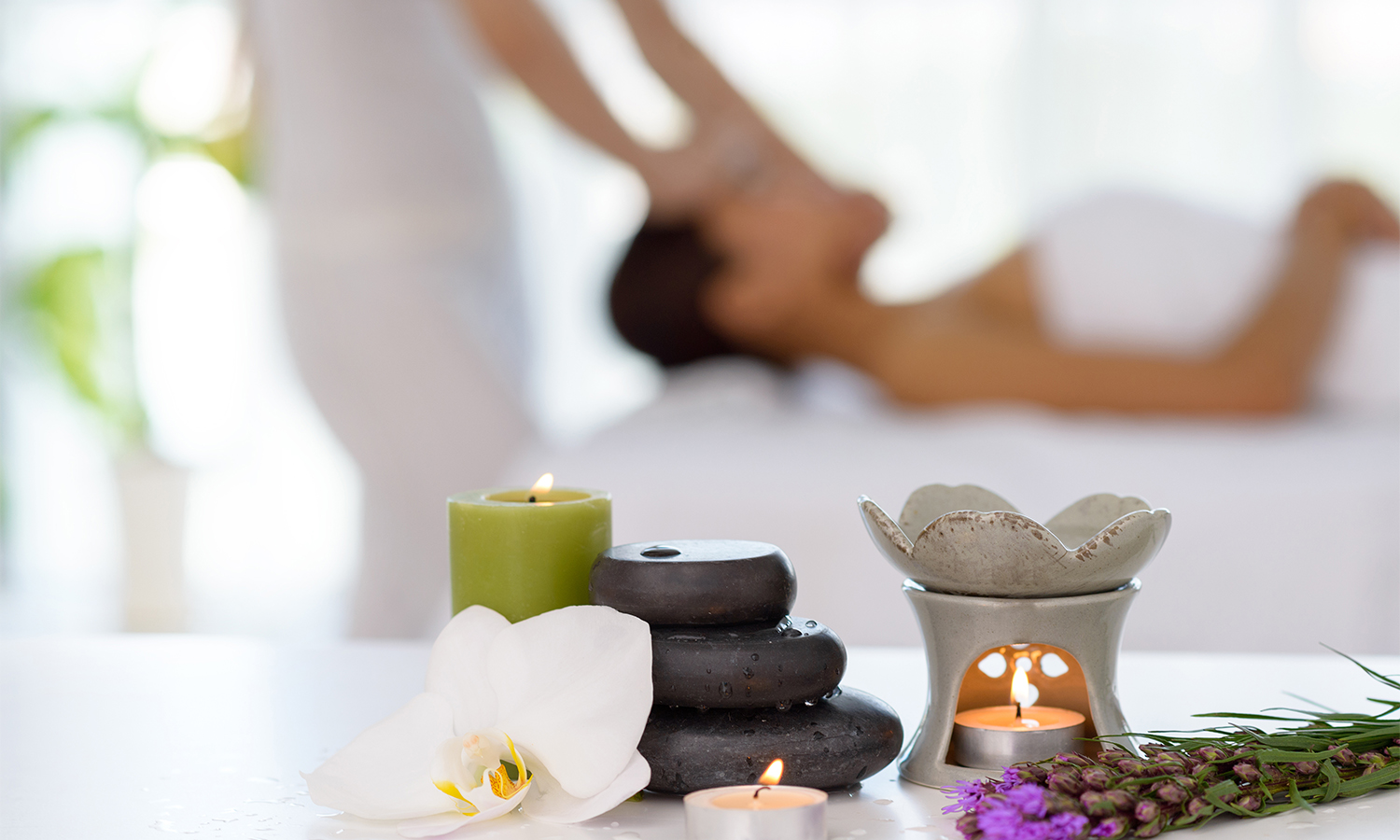
    Aromatherapy, or essential oil therapy, refers to a range of traditional, alternative or complementary therapies that use essential oils and other aromatic plant compounds.

    Essential oils have been used for nearly 6,000 years, with the aim of improving a person’s health or mood.

    The National Association for Holistic Aromatherapy (NAHA) defines aromatherapy as “the therapeutic application or the medicinal use of aromatic substances (essential oils) for holistic healing.”

    In 1997, the International Standards Organization (ISO) defined an essential oil as a “product obtained from vegetable raw material, either by distillation with water or steam, or from the epicarp of citrus fruits by a mechanical process, or by dry distillation.”

    A range of essential oils have been found to have various degrees of antimicrobial activity and are believed to have antiviral, nematicidal, antifungal, insecticidal, and antioxidant properties. Aromatherapy applications include massage, topical applications, and inhalation.

    However, users should be aware that “natural” products are also chemicals, and they can be hazardous if used in the wrong way. It is important to follow the advice of a trained professional when using essential oils.

    Using aromatherapy

    Aromatherapy is normally used through inhalation or as a topical application.

    Inhalation: the oils evaporate into the air using a diffuser container, spray, or oil droplets, or breathed in, for example, in a steam bath.

    Apart from providing a pleasant smell, aromatherapy oils can provide respiratory disinfection, decongestant, and psychological benefits.

    Inhaling essential oils stimulates the olfactory system, the part of the brain connected to smell, including the nose and the brain.

    Molecules that enter the nose or mouth pass to the lungs, and from there, to other parts of the body.

    As the molecules reach the brain, they affect limbic system, which is linked to the emotions, the heart rate, blood pressure, breathing, memory, stress, and hormone balance. In this way, essential oils can have a subtle, yet holistic effect on the body.

    Topical applications: massage oils, and bath and skin care products are absorbed through the skin. Massaging the area where the oil is to be applied can boost circulation and increase absorption. Some argue that areas that are richer in sweat glands and hair follicles, such as the head or the palms of the hand, may absorb the oils more effectively.

    Essential oils are never applied directly to the skin. They must always be diluted with a carrier oil. Usually, a few drops of essential oil to an ounce of carrier oil is the concentration. Most common carrier oils are sweet almond oil or olive oil.

    To do an allergy test: Dilute the essential oil in a carrier oil at twice the concentration you plan to use. Rub the mixture into an area the size of a quarter on the inside of the forearm. If there is no allergic response within 24 to 48 hours, it should be safe to use.

    Some people report developing allergies to essential oils after using them many times. If a new allergic response appears, the individual should stop using it immediately and avoid its smell.

    To achieve a 0.5 to 1 percent dilution, use 3 to 6 drops of essential oil per ounce of carrier. For a 5 percent dilution, add 30 drops to one ounce of carrier.

    A maximum concentration of 5 percent is generally considered safe for adults.

    Ingesting, or swallowing, essential oils is not recommended. Taken by mouth, the oils can damage the liver or kidneys.

    They can also lead to interactions with other drugs, and they can undergo unexpected changes while in the gut.

    Benefits

    Aromatherapy is a complementary therapy. It does not provide a cure for diseases, rashes or illnesses, but it can support conventional treatment of various conditions.

    It has been shown to reduce:

    • Nausea
    • Pain and body aches
    • Anxiety, agitation, stress, and depression
    • Fatigue and insomnia
    • Muscular aches
    • Headaches
    • Circulatory problems
    • Menstrual problems
    • Menopausal problems
    • Alopecia, or hair loss

    Some types of psoriasis may find relief with aromatherapy, but a healthcare professional should advise about use and application.

    Digestive problems may benefit from peppermint oil, but it should not be ingested.

    Tooth ache and mouth sores can be relieved by clove oil, but this, too, should only be applied topically and not swallowed.

    Supporters claim that these and a wide range of other complaints respond well to aromatherapy, but not all of the uses are supported by scientific evidence.

    What do essential oils do?

    Different oils have different uses and effects.

    • Basil essential oil is used to sharpen concentration and alleviate some of the symptoms of depression. It may relieve headaches and migraines. It should be avoided during pregnancy.
    • Bergamot essential oil is said to be useful for the urinary tract and digestive tract. When combined with eucalyptus oil it may help relieve skin problems, including those caused by stress and chicken pox.
    • Rosemary essential oil may benefit the nervous and circulatory systems.
    • Black pepper essential oil is commonly used for stimulating the circulation, muscular aches and pains, and bruises. Combined with ginger essential oil, it is used to reduce arthritis pain and improve flexibility.
    • Chamomile essential oil can treat eczema
    • Citronella essential oil is a relative of lemongrass and acts as an insect repellent
    • Clove essential oil is a topical analgesic, or painkiller, that is commonly used for toothache. It is also used as an antispasmodic antiemetic, for preventing vomiting and nausea, and as a carminative, preventing gas in the gut. It has antimicrobial, antioxidant and antifungal properties.
    • Eucalyptus essential oil can help relieve the airways during a cold or flu. It is often combined with peppermint. Many people are allergic to eucalyptus, so care should be taken.
    • Geranium essential oil can be used for skin problems, to reduce stress, and as a mosquito repellant.
    • Jasmine essential oil has been described as an aphrodisiac. While scientific evidence is lacking, research has shown that the odor of jasmine increases beta waves, which are linked to alertness. As a stimulant, it might increase penile blood flow.
    • Lavender essential oil is used as an antiseptic for minor cuts and burns and to enhance relaxation and sleep. It is said to relieve headache and migraine symptoms.
    • Lemon essential oil is said to improve mood, and to help relieve the symptoms of stress and depression.
    • Rosemary essential oil may promote hair growth, boost memory, prevent muscle spasms, and support the circulatory and nervous systems.
    • Sandalwood essential oil is believed by some to have aphrodisiac qualities.
    • Tea tree essential oil is said to have antimicrobial, antiseptic, and disinfectant qualities. It is commonly used in shampoos and skin care products, to treat acne, burns, and bites. It features in mouth rinses but it should never be swallowed, as it is toxic.
    • Thyme essential oil is said to help reduce fatigue, nervousness, and stress.
    • Yarrow essential oil is used to treat symptoms of cold and flu, and to help reduce joint inflammation.

    Visiting an aromatherapist

    The aromatherapist should take a thorough medical history, and a lifestyle, diet, and current health history.

    Aromatherapy involves a holistic approach, so it aims to treat the whole person. Treatments will be suited to the individual’s physical and mental needs. Based on these needs, the aromatherapist may recommend a single oil or a blend.

    According to the National Cancer Institute (NCI), aromatherapy products do not need FDA approval as long as there is no claim that they treat a specific disease.

    An aromatherapist is not the same as a massage therapist, although a massage therapist may use aromatherapy oils.

    Risks

    Each essential oil has its own chemical makeup and reason for use, so it is important to speak with a trained aromatherapist, nurse, doctor, physical therapist, massage therapist or pharmacist before applying or using an oil for healing purposes.

    A trained professional can recommend and teach how to use each product, giving proper instructions on application or dilution.

    Consumers should also be aware that the U.S. Food and Drug Administration does not monitor aromatherapy products, so it can be difficult to know whether or not a product is pure or if it is contaminated or synthetic.

    Some beauty and household products, such as lotions, make-up, and candles contain products that may appear to be essential oils, but they are really synthetic fragrances.

    Caution when using essential oils

    Since essential oils cause reactions in the body, not all the oils will benefit everyone. Chemical compounds in essential oils can produce adverse effects when combined with medications. They may reduce the effectiveness of conventional drugs, or they may exacerbate health conditions in the individual.

    A person with high blood pressure, for example, should avoid stimulants, such as rosemary. Some compounds, such as fennel, aniseed, and sage act similarly to estrogen, so a person with an estrogen-dependent breast or ovarian tumor should avoid these.

    Some oils produce toxins which can cause damage to the liver, kidneys, and nervous system, especially if taken internally. Swallowing essential oils can be hazardous, and fatal in some cases.

    Individuals with any of the following conditions should be extra careful when using aromatherapy:

    • An allergy, or allergies
    • Hay fever, a type of allergy
    • Asthma
    • Skin conditions such as eczema or psoriasis

    People with the following conditions must be extremely cautious:

    • Epilepsy
    • Hypertension, or high blood pressure

    If the oil is to be mixed with a carrier, the individual should tell the aromatherapist or massage therapist about any nut allergies, because carrier oils are often obtained from nuts and seeds.

    Aromatherapy can have side effects, but these are normally mild and do not last long. They include: nausea, headaches and some allergic reactions.

    Use of aromatherapy by pregnant or nursing mothers has not been proven safe by research, so it is not recommended.

    During the first trimester of pregnancy, aromatherapy may pose a risk to the developing fetus. Women who are breastfeeding should avoid peppermint essential oil, as it may be expressed in breast milk.

    Essential oils derived from citrus may make the skin more sensitive to ultraviolet light, increasing the risk of sunburn.

    Finally, when storing essential oils, it is important to be aware that light, heat, and oxygen can affect the integrity of the oil. Products should come from a respected and trustworthy source, to be sure of the quality. Following instructions carefully reduces the risk of compromising the user’s health. Aromatherapy can help alleviate some conditions, but it should be used correctly, under the supervision of a qualified practitioner. In parts of Western Europe aromatherapy is incorporated into mainstream medicine as an antiseptic, antiviral, antifungal and antibacterial therapy. In the United States and Canada, this is less so. In France, some essential oils are regulated as prescription drugs, and they can only be administered or prescribed by a doctor.

  • 芳香疗法指南

    芳香疗法指南

    芳疗可以缓解许多身体症状,但必须在专业人员的指导下正确进行

    芳香疗法也叫精油疗法,指使用精油或其它芳香植物复方进行的传统、代替、补充疗法。精油已被使用了近6000年,以提升健康或情绪为目的。

    整体芳香疗法国家协会(NAHA)对芳疗的定义是:“对芳香物质(精油)的治疗性应用或医药学运用以获得整体疗愈”。1997年,国际标准组织(ISO)对精油做出定义:“通过使用水或蒸汽进行蒸馏而从植物原料中获得的产品,或通过机械步骤或干馏从柑橘类水果外果皮中获得的产品。”

    许多精油都具有不同程度的抗菌活性,可抗病毒、杀线虫、抗真菌、杀虫、抗氧化。芳疗的运用形式包括按摩、局部外用、吸入法。

    但是,使用者需要认识到,“天然”产品也含有化学成分,如果以错误的方式使用将会很危险。所以从专业人士那里获得使用建议是非常重要的。

    芳疗形式

    芳疗一般采用吸入或局部外用的方式。

    吸入:通过扩散器、喷雾器让精油弥漫在空气中,或通过蒸汽浴进行吸入。除了芳香怡人,精油还可以为呼吸道杀菌,消除鼻塞,有益精神健康。吸入精油可刺激嗅觉系统,嗅觉系统是大脑中与嗅觉相关的系统。精油分子通过鼻子或嘴巴进入肺部,然后去到身体其它部位。当精油分子进入大脑,会对边缘系统产生影响。边缘系统与人的情绪、心率、血压、呼吸、记忆力、压力、荷尔蒙平衡息息相关,因此可以说精油对整个人体有着微妙而全面的影响。

    局部外用:按摩油、沐浴和护肤产品通过皮肤被吸收。按摩涂抹精油的部位可刺激循环,提升精油的吸收。有些人认为,在头部或手掌等汗腺或毛囊发达的地方涂抹精油,将促进精油更有效的吸收。

    不能直接把纯精油涂在皮肤上,而是要通过基础油稀释。一般是几滴纯精油配一盎司的基础油。最常见的基础油是甜杏仁油或橄榄油。

    使用前须做一个过敏测试:在基础油中对精油进行稀释,稀释浓度为计划使用的浓度的两倍。然后将稀释过的精油涂在小臂内侧。若在24-48小时内无过敏反应,则可放心使用。有些使用者说,在使用数次之后才突然出现过敏现象,此时应立即停止使用,并应避免该精油味道。

    在一盎司基础油中加入3-6滴纯精油可达到0.5%-1%的稀释浓度。若想达到5%的稀释浓度,可在一盎司基础油中加入30滴纯精油。对于成年人来说,5%是最高的可接受的安全稀释浓度。

    不建议直接口服精油,容易对肝、肾造成损伤。此外,精油还有可能和其它药物反应,或在肠道中带来不良影响。

    益处

    芳疗属于辅助疗法,不能直接治疗疾病或红疹,但可辅助传统疗法,针对各身体问题带来改善作用。

    经证实,芳疗可缓解:

    • 恶心和呕吐感
    • 疼痛
    • 焦虑、不安、压力和抑郁
    • 疲劳和失眠
    • 肌肉酸痛
    • 头痛
    • 血液循环问题
    • 经期问题
    • 更年期问题
    • 脱发问题

    芳疗可用于缓解不分类型的银屑癣,但须有专业人士给予用法建议。薄荷油可缓解消化问题,但请勿直接口服。丁香油可缓解牙痛和溃疡,但也不能口服,只能外用。

    支持者强调芳疗可以带来很多益处,但并非每一项都有科学依据。

    不同的精油功效各异

    不同的精油使用人群不同,功效不同。

    • 罗勒精油可提高专注力,缓解某些抑郁症状,亦可缓解头痛和偏头痛,但孕期应避免使用。
    • 佛手柑精油有益于泌尿道和消化道。与尤加利精油结合使用可缓解皮肤问题,包括压力和水痘造成的皮肤问题。
    • 迷迭香精油有益于神经和循环系统。
    • 黑胡椒精油可刺激循环,缓解肌肉酸痛,加速瘀伤恢复。与姜精油一起使用可缓解关节疼痛,提升灵活度。
    • 洋甘菊精油可缓解湿疹。
    • 香茅精油和柠檬草是近亲,可用于杀菌消毒。
    • 丁香精油是局部外用镇痛剂,通常用来缓解牙痛。它也是常用的镇痉剂和止吐剂,可缓解痉挛、呕吐感,亦可减轻肠胃胀气。它具有抗菌、抗氧化、抗真菌等功效。
    • 尤加利精油可在感冒时缓解呼吸道不适,经常和薄荷油结合使用。很多人都对尤加利过敏,所以使用时要特别小心。
    • 天竺葵精油可缓解皮肤问题,减轻压力,还可驱蚊。
    • 虽然缺乏科学证据,但有研究表明茉莉的香味可增强β波,从而让人更为警觉机敏。另外,它或可刺激阴茎血液流动。
    •          薰衣草精油可对小伤口和烧伤起到抗菌作用,可促进放松,改善睡眠,并缓解头痛和偏头痛症状。
    • 柠檬精油可改善情绪,帮助缓解压力和抑郁症状。
    • 迷迭香精油可促进毛发增长,提升记忆力,防止肌肉筋挛,改善循环和神经系统。
    • 有些人认为檀香精油具有催情作用。
    • 茶树精油据说具有抗菌、防腐、抗病毒的作用,通常会被添加在洗发露和护肤产品中,用于缓解粉刺、烧伤、咬伤。茶树精油漱口水很常见,但切忌吞咽,以免中毒。
    • 百里香精油可缓解疲劳、紧张和压力。
    • 蓍草精油可缓解感冒症状,并能减轻关节炎症。

    造访芳疗师

    芳疗师须了解客人的疾病史、生活方式、饮食习惯和健康史。芳疗采用整体思维,旨在带来整个人的全面疗愈。芳疗疗程基于个体的身体和心理需求而研发,通过了解客人的身心需求,芳疗师为其推荐相应的单方或复方精油。

    据国家癌症研究所(National Cancer Institute)称,只要是没有说可用于治疗某一具体疾病,芳疗产品的面市无须经过FDA认证。

    芳疗师与按摩师不一样,虽然按摩师也可能会使用精油。

    风险

    每一种精油都有各自的化学成分和功效,因此在使用前须咨询专业芳疗师、护士、医生、物理治疗师、按摩理疗师或药剂师。

    受过培训的专业人士可向客人推荐合适的精油,并告知如何使用,以及如何稀释。

    消费者需要注意的是,FDA并不对精油产品进行监管,因此有时候我们并不清楚所使用的精油是否纯净,还是说已被污染,或是人造精油。有些美容和日用产品,如乳液、化妆品、蜡烛里让人觉得好像是含有精油,但其实很可能是合成香精。

    使用精油的注意事项

    由于精油会在人体引起不同的反应,不是所有精油对每个人都有好处。精油中的化学成分可能会与药物起反应,而对人体带来不良影响。精油可能会减弱传统药物的药性,或使个体的健康症状恶化。

    例如,高血压人群就应避免迷迭香这类有刺激作用的精油。另外,茴香、八角、鼠尾草等精油成分和雌性激素差不多,因此患有乳腺肿瘤或子宫肌瘤的人群应避免。

    有些精油会产生毒性从而损伤肝、肾、神经系统,特别是口服精油会很危险,有时甚至会致死。

    有以下症状的人群在尝试芳疗时须注意:

    • 过敏
    • 花粉病,过敏的一种
    • 哮喘
    • 皮肤问题,如湿疹或银屑癣

    有以下症状的人群在尝试芳疗时则须特别注意:

    • 癫痫
    • 高血压

    客人须告知芳疗师或按摩理疗师自己是否对坚果过敏,因为基础油大多含有坚果、种子成分。

    芳疗可能会造成副作用,但通常都比较轻微,且不会持续太长时间。副作用包括:恶心呕吐感;头痛;某些过敏反应。

    孕期或哺乳期使用精油的安全性还未得到科学证实,因此不建议在该阶段使用。

    妊娠早期使用精油或对胚胎造成危险。哺乳期女性应避免薄荷精油,因它的影响会直接从母乳到婴儿。

    柑橘类精油会使皮肤对紫外线更敏感,从而增加晒伤的风险。

    储存精油时需注意,光、热、氧气都可能对精油造成影响。购买精油时,须确保品牌可靠,来源有保障。使用时须严格按照专业人士的指导和建议,以免对个人健康造成损害。 精油可缓解某些症状,但一定要在专业人士的指导下正确适用。在西欧的某些地区,芳疗已经作为一种主流疗法用来防腐、抗菌、抗病毒、抗真菌。在美国和加拿大相对少一些。在法国,某些精油是作为处方药来管理的,只有医生才能为患者开具。

  • Garden Spa Using Fresh Herbs for Beauty

    Garden Spa Using Fresh Herbs for Beauty

    Have your Spa try some common exotic garden herbs

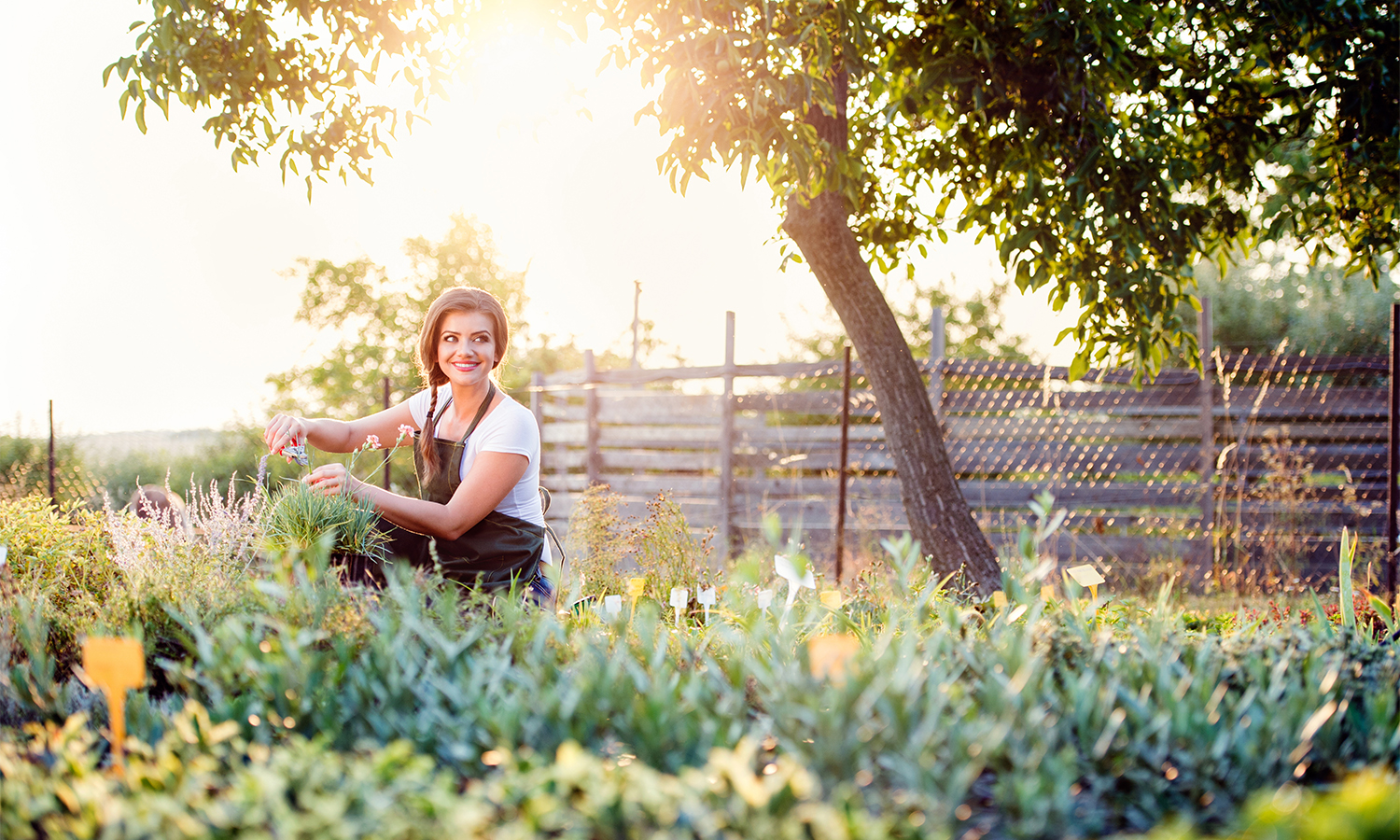
    A kitchen herb garden provides avid cooks with a resource for fresh aromas, flavors, and colors to incorporate in their dishes. This same garden can also be used to incorporate beneficial actives into home spa creations. Fresh facials, hair teas, and tonics can benefit greatly from the addition of fresh herbs. Here are some uses for both common, and exotic garden herbs.

    Basil

    Basil makes an effective cleanser, and can help to tone and rejuvenate the skin.  In hair care, Basil can help eliminate scalp irritation, dandruff, and excess oil. Try making a water based infusion with fresh basil to take advantage of its properties. This tonic can be used as a wetting agent in facials, a fresh toner, or a hair rinse. Fresh Basil can also be mashed and used as a cleanser.

    Lemon Balm

    Lemon Balm has natural astringent properties which can be helpful in the treatment of oily skin and hair. Try steeping Lemon Balm leaves in hot water to create an herbal hair rinse, or a fresh facial toner. This Lemon Balm infusion may also be helpful in the treatment of cold sores.

    Mint

    Fresh Mint leaves can be used to add a cooling, refreshing sensation to many types of home spa recipes.  The leaves can be infused into oil or water, or can be minced, mashed, or used whole.  Water that has been infused with Mint leaves can be added to hair rinses, used as a wetting agent in masks, or as a rinse for summer pedicures. Try adding the infused oil to scrubs, cleansers, and hair conditioning treatments.  Fresh leaves can be incorporated into fresh scrubs, ubtans, and masks.

    Lavender

    A classic skin care ingredient, Lavender can be used in a number of ways to take advantage of its antiseptic, balancing, and soothing properties. Like Mint, Lavender is versatile, and can be infused into oil or water, can be minced, mashed, or used whole, and can also be dried for use in herbal sachets and potpourris. Try using fresh Lavender to create toners, skin tonics, hair rinses, or fresh body scrubs.

    Sage

    Sage is a potent cleanser with strong astringent properties. It can be used in facial toners and hair rinses to help balance oily skin or scalps. In hair care, Sage can also help to darken hair, making it a great choice for those with black or brunette hair who are hoping to intensify their look.

    Ladies Mantle

    This lesser known herb has been used historically to enhance the appearance of the bust and decolletage. Traditionally, a tea is made from fresh or dried Ladies Mantle and applied like a toner to the neck, decolletage, and bust on a daily basis. It is believed that the regular use of a Ladies Mantle tonic could help to increase the appearance of the skin in this area by toning and tightening the area.

    Eyebright

    Another uncommon herb, Eyebright contains a rich amount of Zinc, which can be helpful in repairing skin’s tissue.  Eyebright is often used to create herbal facials and eye packs and is believed to help reduce puffiness, and dark circles around the eyes. Try combining Eyebright or Eyebright tea with fresh cucumber and potato for quick under-eye treatment.

    Yarrow

    Easily found at most nurseries and garden shops, this lovely, flowering herb has a reputation for its soothing, comforting abilities.  Infused in oil or water, Yarrow makes a wonderful addition to sensitive skin treatments. Try using Yarrow tea as a wetting agent in simple masks, and as a moisturizing toner. Yarrow can also help to soothe sensitive scalps, or itchy, irritated skin.  Yarrow can sometimes cause photo-sensitivity, so take care when using Yarrow treatments during the day.

    Thyme

    Thyme can be very handy when used in hair rinses and tonics due to its ability to help relieve oily scalp and dandruff.  It strong cleansing abilities also make it a good choice for oily and acne prone skin care.  Try adding Thyme to hair rinses and tonics by infusing the herb in water.

    Fresh Herb Facials

    Summer garden’s burst with a bounty of tasty, nutritious vegetables and herbs. While you are reaping the harvest, consider reserving a small portion of the bounty to put toward skin care.  Fresh herbs and veggies can be used to create simple, beneficial formulas to soothe, cleanse, or moisturize your skin. Pluck the ingredients in these recipes from your own garden, or visit a local farmer’s market to take advantage of the best that nature has to offer during the summer months.

    When you are working with fresh masks, it is important to keep the mixtures as clean and sterile as possible.  Treat the masks with the same care that you would fresh food.  Only touch the mixtures with clean utensils, never your fingers, and store any leftover mixture in your refrigerator for up to three days in a clean, labeled container.

    Yogurt mint mask
    Normal and sensitive skin

    This simple mask is made with pureed fresh mint, plain yogurt, and gentle Kaolin Clay.  The lactic acids in yogurt gently exfoliate the skin while the Kaolin Clay draws out toxins and dirt that can clog pores and endanger your complexion.  Fresh Mint gives this mask a cool, refreshing aroma that will leave you feeling blissfully refreshed.

    Ingredients

    1 tbsp. Fresh Mint Leaves, rinsed, dried, and chopped
    1 tbsp. Plain Yogurt
    1 tbsp. White Kaolin Clay

    Directions

    In a small mixing bowl, combine Kaolin Clay and Plain Yogurt.  Mix the ingredients until they become smooth, then transfer them to a blender or food processor.  Add the mint leaves, and blend until the leaves have been finely minced.  Remove the mixture and transfer it to a clean container.  Refrigerate the mixture for up to three days, then discard it.

    Usage

    Apply a liberal amount of the mask to your clean face.  Wait 15 – 20 minutes before rinsing with clean, tepid water.  Follow with your favorite toner and moisturizer.

    Cucumber honey mask
    All skin types

    Cucumber is known for its abilities to cool and refresh the palate.  It can do those things and more when used in skin care.  Fresh Cucumber can help reduce puffiness and calm irritated skin.  It also makes a nice cleanser.  Mint and Cilantro are also great at cooling, refreshing, and increasing circulation in the skin.  Honey Powder and Kaolin Clay increase the cleansing properties of this recipe by drawing out dirt, toxins, and excess oil.

    Ingredients

    1/4 Cucumber, peeled and chopped
    1 tsp. Fresh Cilantro Leaves, rinsed, dried, and chopped
    1 tsp. Fresh Mint Leaves, rinsed, dried and chopped
    1 tbsp. Honey Powder
    1 tbsp. Yellow Kaolin Clay

    Directions

    In a small mixing bowl, combine Kaolin Clay, Honey Powder, and chopped Cucumber. Mix the ingredients until the powders dissolve, then transfer them to a blender or food processor. Add the Cilantro and Mint leaves, and blend until the leaves have been finely minced. Remove the mixture and transfer it to a clean container. Refrigerate the mixture for up to three days, then discard it.

    Usage

    Apply a liberal amount of the mask to your clean face.  Wait 15 – 20 minutes before rinsing with clean, tepid water.  Follow with your favorite toner and moisturizer.

    Lemon basil mask
    For oily or acne prone skin

    This recipe is great for acne prone skin.  Basil, Honey and Lemon help to clean up excess oil and sebum, which can lead to breakouts.  Gentle Kaolin Clay and soothing Chamomile Tea complete the recipe by drawing toxins from the skin and taking the edge off irritation.

    Ingredients

    Fresh Basil, rinsed, dried, and chopped
    Honey Powder
    Multani Mitti Clay
    Fresh Lemon Juice (about one wedge)
    Chamomile Tea or Dried Chamomile Flowers
    Boiled Water

    Directions

    Begin by steeping the Chamomile in boiling water.  Set the tea aside to steep and cool while you work on the rest of the recipe.  In a small mixing bowl, combine Kaolin Clay, Honey Powder, and Chamomile Tea.Combine the chopped herbs in a blender. Remove the mixture and transfer it to a clean container.  Refrigerate the mixture for up to three days, then discard it.

    Usage

    Apply a liberal amount of the mask to your clean face.  Wait 10 – 15 minutes before rinsing with clean, tepid water.  Follow with your favorite toner and moisturizer.

  • 花园SPA

    花园SPA

    使用一些常见的花园草本进行新鲜草本美肤SPA

    花园里种植着各类可食用草本,为烹饪爱好者提供了芳香缤纷的原材料。其实,这里也可以成为一次特别有趣的SPA之旅。用新鲜草本制作护肤和滋养产品,或在原有的产品中加入新鲜草本,都能取得很好的效果。本文将介绍一些常见的花园草本的使用方法。

    罗勒

    罗勒具有清洁、抗衰、均匀肤色的功效。在秀发护理中,可缓解头皮敏感、头皮屑和出油的情况。清水中加入新鲜罗勒,在面部护理时用来打湿脸颊,或作为爽肤水、护发素使用。也可将新鲜罗勒捣碎用来清洁面部。

    香蜂草

    香蜂草具有天然的收敛作用,适合在对油性肌肤和秀发进行护理时使用。将香蜂草的叶子浸泡在热水中,制作成草本护发液或面部爽肤水。香蜂草还可用于治疗唇疱疹。

    薄荷

    在任何一个SPA护理中都可以加入新鲜薄荷叶,来起到清爽、提神的作用。将薄荷叶子放进油或水中,或将其切碎、捣烂,当然也可以直接使用。将薄荷水添加进洗发液或面膜中,或在夏季的足部护理后进行双足清洗。薄荷油则可加入到磨砂产品、洁面产品、秀发护理产品中。新鲜的薄荷叶可用来制作磨砂膏和面膜。

    薰衣草

    具有抗菌、平衡、舒缓功效的薰衣草是一款经典的皮肤护理成分,使用方法多种多样。薰衣草和薄荷一样,也可浸泡入油或水里,被切碎、捣烂,或整个使用。薰衣草晒干后可用来制作草本香囊。试试用新鲜的薰衣草制作爽肤水、活肤营养水、洗发液或身体磨砂膏。

    鼠尾草

    鼠尾草是具有强大的收敛效果的超级清洁剂,可加入爽肤水和洗发液中,起到平衡油性皮肤或头皮的作用。修复护理中,鼠尾草能够使发色更加黑亮,因此十分适合拥有黑色或栗红色秀发,想要进一步增强发色的人群。

    羽衣草

    这个不是很常见的草本自古以来一直被用来对胸部和颈部进行美容护理。传统上,人们会用新鲜的或晒干的羽衣草制作成草本茶,然后像爽肤水一样每天抹在颈部和胸部。人们认为,定期使用羽衣草水可以对胸颈部的皮肤起到均匀肤色和紧致的效果。

    小米草

    另一个不是很常见的草本,富含锌元素,可修复皮肤组织。小米草经常用来制作面部和眼周护理品,可消除眼部浮肿、黑眼圈。将小米草或小米草茶和新鲜的黄瓜、土豆混合,进行一次快速的下眼部疗程。

    蓍草

    在苗圃和花园商店里很容易就能看到这个可爱的,像花一样的植物。蓍草具有舒缓和安抚作用。将蓍草放到油或水里,进行敏感肌疗程。也可在面膜中加入蓍草水,或将其作为保湿爽肤水使用。对于敏感头皮和发痒发炎的肌肤,蓍草能起到很好的舒缓效果。不过蓍草可能会造成光敏感,因此在白天使用时要小心一些。

    百里香

    百里香能够有效的缓解头皮出油和头皮屑问题,因此是非常实用的洗发液和护发素。它的强效清洁力也使其成为了油性和易发痘皮肤的很好选择。将百里香泡入水中,再加到洗发液和护发素里。

    新鲜草本面部护理

    夏季,花园里充满了各种各样美味又营养的蔬菜与草本。收获时,不妨留下一些作为肌肤护理的原料。新鲜的草本和蔬菜可以用来制作简单有效的护肤配方,舒缓、清洁皮肤或是为肌肤保湿。下文所推介的配方中的成分,你可以从自家花园里获取,也可以到市场上购买,好好享受夏日时光里大自然的丰富馈赠吧!

    制作天然成分的面膜时,一定要记得尽量保证混合材料的清洁与无菌。你是怎么对待要入口的新鲜食物,就怎么对待这个面膜。用干净的餐具来碰触材料,千万不要直接用手。如果一次没有用完,把剩下的材料装进干净的容器,贴上标签,放到冰箱里,最长储存时间为3天。

    酸奶薄荷面膜
    适合中性和敏感性肌肤

    将新鲜薄荷、纯酸奶、高岭土调成糊状便可简单地制作成这款面膜了。酸奶中的天然乳酸温和去角质,高岭土排出肌肤中容易造成毛孔堵塞、肤色不佳的毒素与尘屑。新鲜薄荷不仅让面膜散发出清爽的芬芳,也让使用者感到焕然一新。

    成分

    一汤匙新鲜薄荷叶,洗净、晒干、切碎
    一汤匙纯酸奶
    一汤匙白色高岭土

    制作方法

    在小碗中倒入高岭土和纯酸奶,搅拌直至顺滑,倒入搅拌机或食品加工机中。加入薄荷叶,搅拌直至叶子成为碎末状。将混合物倒入干净的容器中。若一次未使用完,一定要放进冰箱储存,最多三天,超过三天要全部倒掉。

    使用方法

    取足量混合物涂抹在干净的脸上,停留15-20分钟,用干净的温水洗去。然后使用爽肤水和保湿霜。

    黄瓜蜂蜜面膜
    适合所有肌肤类型

    黄瓜不仅能为味蕾带来清爽之感,对于肌肤也有同样的效果。新鲜黄瓜可消除水肿,舒缓敏感肌肤,还能起到不错的清洁作用。薄荷和芫荽叶也具有散热、清爽,以及加速皮肤循环的功能。加入蜂蜜粉和高岭土可有效排除皮肤中的尘屑、毒素、过剩油脂,从而强化清洁效能。

    成分

    1/4个黄瓜,削皮、切碎
    一茶匙新鲜芫荽叶,洗净、晒干、切碎
    一茶匙新鲜薄荷叶,洗净、晒干、切碎
    一汤匙蜂蜜粉
    一汤匙黄色高岭土

    制作方法

    小碗中放入高岭土、蜂蜜粉、切碎的黄瓜,搅拌,倒入搅拌机或食品加工机。加入芫荽叶和薄荷叶,搅拌直至叶子变成碎末状。将混合物倒入干净的容器中。若一次未使用完,一定要放进冰箱储存,最多三天,超过三天要全部倒掉。

    使用方法

    取足量混合物涂抹在干净的脸上,停留15-20分钟,用干净的温水洗去。然后使用爽肤水和保湿霜。

    柠檬罗勒面膜
    适合油性或易发痘肌肤

    这款配方非常适合易出痘痘的皮肤。罗勒、蜂蜜和柠檬可除掉容易造成痘痘痤疮的过剩油脂。高岭土和具有舒缓作用的洋甘菊茶可进一步排除毒素,安抚敏感肌肤。

    成分

    新鲜罗勒,洗净、晒干、切碎
    蜂蜜粉
    高岭土
    新鲜柠檬汁
    洋甘菊茶或晒干的洋甘菊花
    沸水

    制作方法

    将洋甘菊放入沸水中,浸泡、冷却。在小碗中加入高岭土、蜂蜜粉、柠檬汁、洋甘菊茶。倒入搅拌机中,并加入罗勒碎。将混合物倒入干净的容器中。若一次未使用完,一定要放进冰箱储存,最多三天,超过三天要全部倒掉。

    使用方法

    取足量混合物涂抹在干净的脸上,停留10-15分钟,用干净的温水洗去。然后使用爽肤水和保湿霜。