Author: bianlijun

  • A New Type of Massage Client

    A New Type of Massage Client

    COVID-19 survivors who experience long-term symptoms – often called long-haulers, with the condition itself termed Long COVID Syndrome – are a type of client who could increasingly show up on your massage table. By David Weintraub, LMT

    Some research has indicated an estimated 10% of recovered COVID-19 infections produce longer-term symptoms, while other research puts that number at 30%. That latter study, from the University of Washington, states that close to one-third of COVID-19 survivors report “worse health and quality of life” than before their COVID-19 diagnosis, while 8% report they are no longer able to do such normal tasks as “lift heavy objects, or stand or walk unassisted for more than a short period of time.”

    Typical long-haul symptoms range from mild to debilitating fatigue, headaches, breathing difficulties, coughing, heart palpitations, joint or muscle pains, loss of taste and smell, digestive issues, mood changes, dizziness and brain fog, according to the Centers for Disease Control and Prevention.

    With Delta and other, newer COVID-19 variants emerging, there will likely be an even larger population of clients dealing with long-haul COVID-19 symptoms.

    I have worked with about 40 clients who had been infected with COVID-19. Of these, a dozen have complained of mild, lingering symptoms, and at least three have complained of debilitating long-term symptoms. While massage therapy cannot always help alleviate such symptoms, there are several that can be helped with massage.

    The obvious ones to look out for are joint-and-muscle pain and headaches. Clients presenting with these conditions are very likely to find relief with massage therapy. Breathing difficulties, coughing, digestive issues, dizziness and brain fog may also be helped. In my opinion, often these issues involve a protective stress response to the situation. Massage therapy can help re-teach the client’s nervous system so it can release the protection.

    Be on the lookout for clients complaining about any of these conditions and let them know you may be able to help.

    Functional vs. Structural symptoms

    When a client’s symptoms have largely functional sources (nervous system firing muscles inefficiently), massage therapists can provide great relief. If symptoms have largely structural sources (damaged or malformed tissues), massage might be able to help. However, massage may be contraindicated at first and clients will also need to work with physical therapists and other specialists. As with any client, if someone presents with a condition you don’t feel is within your scope or education, refer out.

    Here are some examples of how symptoms can have functional sources. Many of these will be related to the stress response from getting and surviving COVID-19:

    • Joint and muscle pain from protective compression
    • Headaches due to jaw clenching and teeth grinding
    • Coughing due to tight sternocleidomastoid (SCM) muscles
    • Breathing difficulties due to overtired diaphragm and intercostal muscles

    Here are some examples of symptoms that have structural sources:

    • Breathing difficulties due to damaged lung tissue
    • Headaches due to neurological damage or degeneration
    • Loss of taste or smell due to neurological damage or degeneration
    • Digestive issues due to damage to GI lining
    • Long-Haul Condition: Overworked Breathing Muscles

    The COVID-19 virus replicates by fusing with ACE2 receptors and in the process destroys the healthy cells it invades. These receptors are found in many tissues in the body, including the lungs, heart, blood vessels, kidneys, liver and gastrointestinal tract. However, the easiest pathway into the body for the virus is through the air and into the lungs.

    As the lung tissues are damaged, they fill up with fluid and debris, causing pneumonia. This makes it harder and harder to process oxygen from the air you breathe. As difficulty increases and the diaphragm fatigues, you compensate by recruiting ancillary breathing muscles to inhale and exhale. These can include intercostals, scalenes, SCM, pectorals, trapezoids, abdominals and serratus sets.

    As with any protective compensatory muscular pattern, the longer the pattern is used, the more the body treats it as “safe.” In this case, it learns to breathe using ancillary muscles as “safe.” Without intervention to teach the brain that normal, relaxed diaphragmatic breathing is OK, it may never return to fully relaxed breathing.

    Relaxed breathing should involve a noticeable expansion and contraction of the ribcage. It also does not always have to be deep, despite what we hear in wellness cultures. Efficient breathing is relaxed, doesn’t take conscious effort, and only takes as much air as is needed for whatever activity the person is engaged in.

    If you haven’t learned to work directly on diaphragm and intercostals, now is a great time to learn ways to release those muscles. In addition, releasing the ancillary muscles listed above is equally important.

    One technique I use a lot is light compression of the abdomen with my palms after working directly on the diaphragm. Lightly taking away the ability to use the abdominals for respiration makes the brain have to figure out another way to inhale and exhale. It should choose the diaphragm as the obvious muscle to recruit. This helps the brain relearn that diaphragmatic breathing is safe again.

    However, if the brain isn’t ready to trust the diaphragm yet, this may induce feelings of panic and anxiety. Go easy at first and slowly increase the length of time you hold the abdominals in each session. It may take several sessions to restore easy movement in the ribcage.

    “I was having a very difficult time breathing deeply post-COVID-19 and had been unable to exercise,” related one long-haul client, David (name changed), whose symptoms included post-traumatic stress disorder and chronic stress. After receiving massage therapy and working with a respiratory therapist, he added, “I’m back in the gym. I’m not back to 100% yet, but am steadily improving and feel that I will make a full recovery.”

    In some ways, we are all COVID-19 survivors

    This crisis has affected every single client I’ve seen in the two years, whether they contracted COVID-19 or not. Many clients are unaware they are exhibiting low-to-medium chronic stress and PTSD symptoms. These can show up as headaches, fatigue, brain fog, digestive problems and muscle hypertension. (Notice the overlap between chronic stress and PTSD symptoms and long-haul COVID-19 symptoms.)

    Chronic stress and PTSD share many traits and symptoms. An easy distinction is that chronic stress is when a body is stuck in its sympathetic nervous system (fight or flight) and can’t easily switch to its parasympathetic system to restore. PTSD differs in that a client can swing from sympathetic to parasympathetic in uncontrollable and unpredictable ways.

    For clients who contracted COVID-19 and recovered, a PTSD or chronic stress reaction is even more likely. COVID-19 is still a new virus. While we are learning more and more about it, its short- and long-term effects are unpredictable. Contracting the virus means not only dealing with the physical symptoms, but also not knowing what the virus will do to you in the long term. In short, it can be super scary!

    Massage can assist clients to restore balance between their sympathetic and parasympathetic systems. Basic techniques that release muscle tension, promote circulation and soothe the nervous system all signal safety and give the body space to induce its parasympathetic responses. Advanced techniques such as direct psoas and diaphragm releases, ancillary breathing muscle releases, and breathwork can have even more profound results.

    If you’ve been avoiding these more advanced techniques in your practice, now is a great time to learn some and start incorporating them into your work with clients. All of your clients will thank you and you will be able to serve a much wider pool of people in your area!

    Long-haul condition: compensating muscle patterning

    A “mild” case of COVID-19 can mean days to weeks of grueling fatigue, breathing difficulty, fever and whole-body aches. If a client was hospitalized, at a minimum they were bedridden for several days to weeks. At worst they might have been bedridden and intubated for weeks to months.

    For clients recovering from COVID-19 there will be all sorts of breathing compensations to address. Clients will favor ancillary breathing muscles due to an overworked diaphragm. Pay particular attention to the serratus anterior, posterior superior and posterior inferior. These muscles’ main function is for forced exhalation (i.e., coughing). These muscles will likely be stuck in hypertension due to long bouts of coughing and also being used for breathing.

    In addition, chronic hypertension is likely throughout the muscular system. The fight to expunge the virus results in long bouts of fever and sweating, dehydration, stress and inaction due to fatigue. There will be a lot to unwind, and it will take time for their system to fully recover.

    I’m known for doing mostly focused work in my practice; however, I’ve had to adjust this predilection and start with more full-body sessions for stress reduction and relaxation. Most clients seem to need a full-body session or two to help get out of crisis mode before they can handle more focused work.

    We can follow up with sessions that involve more focused work on breathing musculature, hips, shoulders, neck and jaw. As clients ease back into a normal routine, including exercise, we also need to follow up with any injuries that crop up if they try to push too hard too fast in their recovery.

    Helping guide clients through the process step-by-step and supporting them taking time for their recovery to avoid new injuries is a particularly valuable service we can offer.

    Another client, Christina (name changed), said her massage team has “become an integral part of my support system in recovering from these long-haul symptoms”—not only due to the relief from fatigue, mysterious muscle soreness and general stress related to the illness, but also because of the therapeutic space that allowed her to feel comfortable talking about how difficult being sick has been.

    Long-haul condition: headaches

    Headaches can come from a wide variety of sources, but are basically of two main types: tension headaches and migraines.

    With tension headaches, the source comes from a functional pattern of muscle tension. These broadly include jaw muscles, neck muscles and shoulder muscles. Since the source is muscular, massage can be very helpful in not only relieving symptoms but also in relieving the root causes and providing a long-term solution.

    Migraines have a neurological source that triggers a severe tension headache. In general, massage can usually help relieve symptoms; however, the root cause needs a specialist to determine if medication or specialized therapy is warranted. Massage can help to raise the threshold before the migraine triggers, mostly by relieving the long-term buildup of tension from multiple episodes.

    With COVID-19, headaches might be simply due to muscle tension and chronic stress. However, COVID-19 has known neurological effects. Clients who never previously suffered from migraines may now be having them after contracting the virus. If a client is having severe headaches, definitely encourage them to speak to a neurologist. Even mild headaches that keep recurring despite multiple massage sessions are worth a visit to a specialist to rule out a neurological source.

    For all headache sufferers, basic muscular sources to look into can include the external jaw muscles, scalenes, SCM, traps, levator scapula, suboccipital and frontalis muscles. Any of these can either directly be causing achy pain or be referring pain to the head from trigger points or compressed nerves.

    More advanced techniques to learn and incorporate, where allowed by scope of practice, are inner mouth work on the medial and lateral pterygoids, release of the hyoid muscles, working behind the trachea on longus colli and capitis, and detailed rebalancing of cervical vertebrae rotatores and multifidus muscles.

    Any of these advanced techniques will help you serve a much wider variety of client issues.

    Expect COVID-19 survivors in your practice

    Too often in online discussions on whether we can “massage a client with a certain condition,” I see many massage therapists immediately shying away from giving treatment—and sending clients away to more “established” medical professionals such as physical therapists and orthopedists before even considering working with them.

    We absolutely should be doing a thorough intake to rule out contraindications and sometimes massage really isn’t contraindicated. But I often hear massage therapists basically assuming massage is contraindicated when a client comes in with some medical-sounding term.

    We do ourselves and our clients a disservice when we rule out massage even though there aren’t any actual contraindications present.

    Clients who have recovered from COVID-19 and are past the indicated quarantine period potentially have a host of issues that can be helped with massage therapy—and helping these people recover and return to normal activities can be highly rewarding. Given the wide-ranging spread of COVID-19, it’s likely you’ll run into clients who are recovering from long-haul COVID-19 symptoms. I highly encourage you to learn everything you can about working with this growing population and open your practice to this growing clientele.

    David Weintraub

    David Weintraub, LMT owns Bodyworks DW Advanced Massage Therapy, a pair of medical massage studios in New York. Bodyworks DW, a National Certification Board for Therapeutic Massage & Bodywork-approved continuing education provider in New York and nationally, is designed to support talented new massage therapists in attaining the skills needed to be successful professional therapists. His courses offer training on advanced technique, assessment and treatment design, and rebooking practices.
  • 新型SPA客人

    新型SPA客人

    全球现在从新冠中得到治愈,但长时间经历着后遗症困扰的人,
    被称作“长期新冠综合征人群”,这一类人会越来越多地出现在你的理疗床上。
    David Weintraub, LMT文

    一些研究显示,新冠痊愈人群中,大约有10%会经历长期的新冠后遗症,甚至有些研究认为这个比例高达30%。后面的这项研究来自华盛顿大学,研究中写到,近1/3的新冠治愈者表示他们的健康状态和生活质量比确诊前要糟糕,8%的治愈者表示他们无法完成日常生活中简单的工作,如提重物,并且在站立或行走很短一段时间后,就无法继续,需要其他人的帮助。

    疾病控制与预防中心认为,典型的长期新冠症候群包括轻度到重度的乏力、头痛、呼吸困难、咳嗽、心悸、关节或肌肉疼痛、味觉和嗅觉丧失、消化问题、情绪变化、眩晕、脑雾等。

    德尔塔及其它新冠病毒变异毒株不断出现,因此可能有更多人会经历长期新冠后遗症。我有40位客人都感染过新冠。其中有十几位表示自己在经历一些轻微的持续的后遗症,而至少有三位说到自己遭受着长期的重度疲惫感。当然,按摩疗程不可能解决所有的新冠后遗症,但有一些症状确实可以借助按摩得到缓解。

    关节肌肉痛和头痛是最可以通过按摩来缓解的症状。有这类症状的客人总是能在按摩疗程后感觉好很多。呼吸困难、咳嗽、消化问题、眩晕和脑雾等症状也可以通过按摩得到一定的缓解。在我看来,这些症状往往和个体对外界情况的防御性应激反应有关,而按摩疗程可以对患者的神经系统进行再教育,让其放松下来。

    所以要留心下,你的客人是否提到自己有上述症状,如果有的话,可以告诉他们你能帮助到他们。

    功能性VS结构性症状

    如果客人的症状属功能性症状(神经系统对肌肉的控制能力减弱),按摩能起到非常大的缓解作用。如果症状主要是结构性损伤引起的(组织损伤或变形),按摩有时也能起到一定效果。不过,在按摩之前,客人首先要做的事情是去找物理治疗师和相关专家。如果你遇到的一些客人的症状不在你的驾驭范围内,那么不要勉强,让他们去找其他可以提供帮助的专家。

    以下是一些功能性症状的举例,许多都与感染新冠或被治愈后的应激反应相关。

    • 防御性收缩导致的关节和肌肉疼痛
    • 磨牙症引起的头痛
    • 胸锁乳突肌紧绷导致的咳嗽
    • 过度疲累的隔膜和肋间肌肉导致的呼吸困难

    以下是一些结构性症状的例子:

    • 肺组织损伤造成的呼吸困难
    • 神经损伤或衰退引起的头疼
    • 神经损伤或衰退引起的味觉或嗅觉丧失
    • 胃肠道粘膜损伤导致的消化问题
    • 长期症状:呼吸肌的过度劳损

    新冠病毒通过与ACE2受体结合进行复制,在过程中摧毁它所入侵的健康细胞。该类型受体存在于人体多个组织中,如肺、心脏、血管、肾脏、肝脏和肠胃道。不过,新冠病毒进入人体的最简单通道是通过呼吸进入肺部。

    肺部组织被损害,双肺充满液体和碎片,引起肺炎。肺部要处理你吸入的氧气变得越来越艰难,隔膜变得疲累不堪,作为代偿,你开始使用辅助呼吸肌进行呼吸。辅助呼吸肌包括肋间肌、斜角肌、胸锁乳突肌、胸肌、斜方肌、腹肌和锯肌群。

    所有代偿性肌肉模式都一样,越多使用,身体就越会认为这是“安全的”。辅助呼吸肌的使用也是一个道理。如果不进行干预,让大脑知道标准的、放松的隔膜呼吸才是“正常的”,那么身体永远都不可能回到完全放松的呼吸状态。

    放松的呼吸包括胸腔的明显伸缩,并且不一定非要每次都很深入(虽然养生界强调深度呼吸)。有效的呼吸一定是放松的,不费力的,可以轻松吸入当下所从事活动所需要的空气量。

    如果你还没有学会直接锻炼隔膜和肋间肌,现在是学习的好时机。同时,放松上述提到的辅助呼吸肌也同等重要。

    我经常使用的一个技巧是,使用膈膜后用手掌轻压腹部。压制腹部进行呼吸的能力将迫使大脑找出另一种进行呼吸的方法。这时它会选择隔膜肌。因此这种做法将有助于大脑重新认识到膈膜呼吸是安全的。

    然而,大脑如果没有准备好信任隔膜,就会产生恐慌和焦虑感。放轻松,你可以慢慢增加每次训练中轻压腹部的时间长度。通常需要几次课程才能恢复到轻松的胸腔伸缩状态。

    “我在新冠痊愈后,很难进行深入的呼吸,也没办法进行锻炼。”一位忍受长期新冠后遗症的客人这么说到。他的症状包括创伤后应激障碍和慢性压力。在接受了按摩疗法,以及呼吸治疗师的治疗后,他说道:“现在我已经可以重返健身房了,虽然还没有100%完全恢复,但在持续改善中,我感到自己会完全恢复的。”

    某种意义上我们都有新冠后遗症

    在过去的20个月里,我所遇见的每一位客人都受到了这场危机的影响,不论他们有没有感染新冠。许多客人并未意识到自己表现出了轻度到中度的慢性压力和创伤后应激障碍,具体症状包括头痛、乏力、脑雾、消化问题、肌肉过度紧张。(值得注意的是,慢性压力和创伤后应激障碍的许多症状都和长期新冠后遗症相同。)

    慢性压力和创伤后应激障碍有很多相似的症状,一个简单的区别是,慢性压力出现时,身体的交感神经系统(战斗或逃跑)陷入困局,无法简单的通过副交感神经系统来恢复平衡和放松。创伤后应激障碍的不同之处在于,当事人会以不可控制和不可预测的方式在交感神经和副交感神经反应之间转换。

    新冠痊愈人群更容易患上创伤后应激障碍或慢性压力。新冠病毒是一个新出现的病毒。虽然我们对它有了越来越多的了解,但仍然无法对它的短期和长期影响进行精准的预测。感染新冠不仅意味着一系列身体上的症状,而且你根本不知道这个病毒会在长期对你带来怎么样的影响。总之,是极其恐怖的一件事!

    按摩可以帮助客人恢复交感神经和副交感神经系统之间的平衡。放松紧张肌肉、提升循环、舒缓神经系统等基本的按摩技艺都是非常安全,并且能够帮助身体引导副交感神经反应的。而直接的腰大肌和隔膜放松、辅助呼吸肌放松、全息呼吸法等更加高级的技艺则会带来更深远的益处。

    如果你还没有进行过这些高级按摩疗法,现在是个很好的时机可以学一些,并且开始在客人中运用。你的客人一定会非常感谢你,而且你也会在自己的领域中赢得更多客人的信赖。

    长期新冠后遗症:代偿肌肉模式

    新冠“轻症”患者会经历数天到数周的极度疲惫、呼吸困难、发烧、全身酸痛等症状。如果入院治疗,至少会卧床几天到几周的时间。更严重的情况还可能会插管治疗几周到几个月。

    新冠治愈人群会出现各种各样的呼吸代偿现象。他们可能会因为隔膜的过度工作而倾向于使用辅助呼吸肌。要特别注意前锯肌、上后锯肌、下后锯肌。这些肌肉的主要功能是强制呼气,如咳嗽。它们会因为长期咳嗽和被用于呼吸而出现高度紧绷的状态。

    另外,长期的高度紧张会存在于整个肌肉系统。试图消灭病毒的战斗会导致长期发烧、出汗、脱水、压力和乏力。要想系统得到完全恢复需要时间。

    之前我一直专注于身体局部的理疗,但现在,我进行了调整,开始提供有助于缓解压力、带来放松的全身疗程。大多数客人需要先进行一到两次的全身疗程来帮助他们走出危机模式,然后再进行更多的针对性局部疗法。

    在进行完全身疗程后,我们便可以开始提供针对呼吸肌肉组织、臀部、肩部、颈部、下颚的局部疗程。当客人们开始尝试回到过去的常规锻炼中时,我们也需要做好准备去处理一些由于过度或过快锻炼而导致的损伤。

    一步一步地引导客人,鼓励他们慢慢地进行恢复,避免操之过急而造成新的损伤,这是我们所能提供的非常有价值的一项服务。

    另一位客人说到,她的按摩师们“已经成为了我的康复之路(从长期新冠后遗症)上不可或缺的一部分”——不仅是因为她们帮助她从乏力、莫名其妙的肌肉疼痛、压力中得到了缓解,还因为,在理疗室里,她感到很舒服很放松,可以自由的向理疗师们倾诉自己的困难和痛苦。

    长期新冠后遗症:头痛

    头痛的原因有很多,但基本上可分为两种类型:肌肉紧张性头痛和偏头痛。

    紧张性头痛源自肌肉紧张,包括颚肌、颈部肌肉和肩部肌肉。由于和肌肉相关,按摩就变得很有效,不仅能缓解头痛症状,还能对头痛的原因进行根治,起到长远效果。

    偏头痛则是一种神经性的严重头痛。通常来说,按摩可以帮助缓解症状,但如果想要根治,则须咨询专业人士,看是否需要吃药或接受特殊治疗。不过,在偏头痛出现之前,按摩可以通过消除长期积累的压力从而起到很好的预防作用。

    至于新冠后遗症的头痛可能只是简单的因为肌肉紧张和慢性压力造成的,然而,已有案例表明,也可能是神经性的。从未有过偏头痛的客人在感染新冠后开始出现这一症状。如果客人有非常严重的头痛,一定要建议他们去看神经科医生。即便只是轻微的头痛,但如果在几次按摩疗程之后都得不到缓解,那也需要去找医生,以排除神经性头痛的可能。

    对于所有的头痛患者来说,需要检查的基本肌肉包括外颚肌、斜角肌、胸锁乳突肌、斜方肌、肩胛提肌、枕下肌和额肌。这些肌肉中的任何一个都可能直接导致疼痛,或者因碰到某个触点或压迫神经而将疼痛转移到头部。

    在执业范围允许的情况下,不妨学习一些更高级的技艺,比如口腔内部按摩,包括对翼内肌和翼外肌的按摩,放松舌骨肌,对气管后方的颈长肌和头长肌进行按摩,以及对颈椎旋转肌和多裂肌的调整。

    上述的任何一项技艺都会为你赢得更多客人。

    你将在工作中遇见新冠后遗症客人

    经常我们在网上讨论,是否可以为“有某一类问题的客人进行按摩”。我看到很多按摩理疗师会立马回绝,或者是让客人去寻找更加“专业”的医学人士,比如物理治疗师、骨科医生等,而从未想过其实自己可以与他们合作。

    当然我们需要经过详细的问询来排除禁忌症的风险,但有些时候按摩真的不是一项禁忌。然而,我经常看到,按摩理疗师一听到客人提起某些似乎是医学专用术语时,就想当然地认为按摩是禁忌。

    如果在没有任何禁忌存在的情况下,就拒绝为客人提供按摩,这对我们自己和客人来说都是一个损失。 已经从新冠中痊愈,也度过了隔离期的客人,会有一系列潜在的问题,而按摩将起到很好的作用——帮助这群人更快康复,重返正常的生活,这将是一件非常有价值的事情。鉴于新冠的全球大流行,很有可能你就会遇到遭受新冠长期后遗症的客人。我强烈建议你学习相关技艺来更好的服务这个还在不断扩大的群体。

    David Weintraub

    David Weintraub, LMT是Bodyworks DW高级按摩疗法工作室的创始人,在纽约开了两处分店。Bodyworks DW是美国按摩疗法和身体疗法认证委员会批准的继续教育机构,旨在为有天赋的新按摩理疗师提供支持,帮助他们获得成为专业理疗师所需的技艺。他所提供的培训课程包括高级按摩技艺、评估和疗程设计以及实践领域切换等。

  • Spa Trends Key Topics

    Spa Trends Key Topics

    In the aftermath of the pandemic and with the newfound importance for
    ensuring our bodies and minds are fighting fit, hospitality businesses
    with a spa or health & wellness offerings are set to reap the benefits

    The wellness industry is transforming into a booming trillion dollar market with plenty of potential for new entrants in the sector, be it new products or services. The spa experience is no longer simply about pampering; spas are now required to offer an extensive menu of healing therapies for the mind, body and soul. 

    The COVID impact on the wellness industry and spa trends

    Today, spas may answer most of the desires of an older generation expecting to be offered additional pampering services or a health & wellbeing destination from the broad spectrum of wellness resorts, thermae and thalassos to the more specific medispa and health clinics. But what is the future potential of the spa? And what has caused this growth?

    The management consultant firm, McKinsey, estimates the global wellness market at more than $1.5 trillion, with annual growth of 5 to 10 percent. McKinsey set out the key pillars driving the growing health and wellness market:

    • Better health
    • Better fitness
    • Better nutrition
    • Better appearance
    • Better sleep
    • Better mindfulness

    Fueled by growing concerns about the true ‘mental health’ crisis which is threatening to bubble over in the aftermath of the pandemic and a newfound importance for ensuring our bodies and minds are fighting fit, hospitality businesses with a spa or health & wellness offering are set to reap the benefits.

    Let’s take a look at some of the key topics that make up the wider global spa trends for 2022.

    Tomorrow will see the wellness industry absorbing and enlarging the services, offers and features of the spa and the hotel itself, which has some of the most substantial key assets for a global wellness lifestyle proposal. It is not a surprise as many of these wellness destinations already exist in Asia, more mind and spirit oriented, and in the US, more fitness and nature-oriented.

    Technology in spas

    Tomorrow is a time of artificial intelligence (AI). The younger generations are awake to the need of disease prevention rather than waiting to be sick and finding a cure. Positive psychology, pro-active and preventive medicine are now terms used in this growing segment where the hospitality industry and its wellness spas are ideally positioned to answer their customers’ aspirations.

    The hospitality industry needs to adapt its customer journey to integrate programming the proper wellness services. First step, diagnostics: words like ‘assessment’, ‘evaluation’ and ‘prescription’ are used in preventive healthcare. Therapeutic sessions or wellness programs do not need to be done by doctors anymore but by educated physiotherapists and other experts.

    These assessments can be made easier thanks to AI sub-products: fitness and body scanning machines and connected devices that allow the identification of many physical conditions. Connected health and the monitoring of the various tests results will enable the personalisation of preventive health programs. This type of personalisation will be further strengthened as a key asset of hospitality.

    After identifying the wellness and fitness issues, the spa programming manager may offer à la carte or general programs available at the spa that will enlarge and diversify the offer, with wellness services carried out by experts, not doctors. Osteopaths, fitness coaches, deep tissues therapists will be able to deliver soothing experiences with an expert human touch. Naturopaths, psychologists, reflexologists, yoga masters will be able to conduct personal or group sessions to develop vitality, healing, stress management, emotional balance, mindfulness and better sleep.

    The human touch

    The younger generations, being so virtually and digitally connected, live in a less physical environment than their elders who are used to moving around in a more physically expressive world. Lately, Covid has aggravated this phenomenon and put a stop to more traditional greetings (e.g., a handshake, hug or kiss). Physical contact will be a deficit for the younger generation. Spa massages and other person-to-person treatments will offer a uniquely human touch and serve as a reminder that this basic tradition is fundamental to one’s wellbeing. 

    Be at one with nature

    Regular contact with nature has recently become a proven way of combatting stress and promoting wellbeing. For the spas of the future, architects should integrate as many nature features as possible and air circulation in all its forms, from wide-open bays to the new sophisticated artificial purified environments. Natural experiences and discovery excursions should be made available in the vicinity. Time spent in natural outdoor spaces has physiological and psychological benefits, such as reduced stress responses and improved mood.

    Away from the traditional packages offered by many spa and wellness centers that highlight only the wet and dry rooms, therapies and treatments, it’s a good idea to create more awareness of the advantages of mother nature via nature trails, wild nature therapy and outdoor massage for example.

    Mental wellness

    The digitally connected world has many benefits but has not yet created paradise on earth. Youngsters have fewer issues to contend with in the real world but nonetheless, they do have other pressures that can take their toll: social network harassment, a sense of isolation, stress at work or at school. We will be witnessing more mental pathologies than physical ones in the future. The taboo of mental health issues is slowly beginning to crumble with more and more people having the courage to speak up about depression, burn-out and problems that do not have a physical manifestation.

    We mentioned earlier that the lifestyle of the millenniums should include pro-active or preventive medicine, which extends to the mental as well. The hospitality industry does not need to transform itself into a health destination, however, it should seek to offer an answer to the expectations of their new clients who will be looking at living a healthy life, preventing diseases and unnecessary stress, avoiding exhaustion and, when they go to restaurants, being nourished smartly. All professional attitudes will need to encompass a sense of mindfulness and balance. 

    Stress management

    Stress levels have risen for a variety of reasons since the pandemic: a sense of fear and isolation, disconnectedness from community and loved ones, economic insecurity. These circumstances have had a negative impact on many people’s mental wellbeing. What can a spa offer? Certainly a gentler option than standard medication in pill form.

    Traditional Chinese medicine and  Ayurvedic methods have become increasingly popular thanks to their holistic approach and the way they connect mind and body. Their appeal lies in the fact that they address the source of the problem, not just the symptoms. Similarly, alternative healing therapies such as acupuncture and reflexology are now as well known as massage and should be regular features in the spa offer.

    Growing dietary needs

    The veganism food movement that has swept across the western world in recent years, picking up momentum and growing in popularity due to increasing concerns for the environment among millennials and Gen Z. Not only veganism, there are a whole host of diets to cater for nowadays (pescatarian, vegetarian, paleo, dairy-free, Celiac, etc), and there is growing evidence that dietary intolerances and allergies are on the rise, too.

    Allergies aside, poor eating habits and their physical outcomes can be prevented, and the hospitality industry has the opportunity, if not the responsibility, to pay attention and communicate the benefits of its culinary positioning. Enjoyable food and menus built by chefs with nutritionists’ help may be the best way to satisfy these clients for whom diet is a permanent concern.

    It is a fact that people have also realised the importance of immune-boosting eating habits. Spa packages should concentrate on this regard and offer individualized menu selections for clients. This should not be limited only to medical spa and wellness operations. Proper nourishment is a key factor of well-being. Employing or collaborating with a nutritionist will add more value to the offering.

    Sleep & relaxation

    Sleep therapies are becoming more popular to combat insomnia and sleep problems as opposed to taking sleeping medication. To give a concrete example: The Amangiri Resort recently launched a “sleep retreat” in the Utah desert offers holistic spa therapies as well as mental and emotional support for better sleep. In Switzerland, the Grand Resort Bad Ragaz now offers yoga retreats to cultivate health, healing and happiness in our lives, because nothing is more precious than inner peace and tranquillity. An accent on certain types of meditation and introspective therapies can attract a new line of clientele looking for ways to retrain their mind and body.

    At the end

    Wellness will blossom in the hotel industry and it is in its spas that clients will expect body, mind and spirit enhancement services. One can go as far as to imagine that clients will go to the spa for wellness just as they go to the restaurants for food. Wellness will be as indispensable as F&B in the ratings of hotels. Affordable, meaningful spa and wellness programs designed and developed for different demographical groups must be encouraged. Millennials and the journey? How could a spa attract the younger generations through affordable and relevant packages? What are the consequences of “home office”? Aren’t they prone to the manifestations of the journey? There are absolutely opportunities in the threat created by the beast!

  • SPA趋势新议题

    SPA趋势新议题

    后疫情时代,人们比以往任何时候都更加强调身心健康的重要性,
    这为提供SPA或其它健康养生服务的酒店带来了机会

    养生是一个拥有一万多亿美元市场价值的蓬勃发展的产业,无论是产品还是服务的新入行业者都面对着无限可能。同时,人们对SPA体验也有了新的要求,客人需要的不再只是一次放松的按摩或身体疗程,而是全方位的身心灵疗愈方案。

    新冠对养生行业和SPA趋势的影响

    现有的SPA或许能够满足老一代人的愿望——在养生度假村、温泉和海洋疗法中心,或者是更加专业的医疗SPA和健康诊所里,获得一些优质的养生服务。但SPA的未来潜力还有哪些?又是什么促发了SPA行业的持续增长?

    管理咨询公司麦肯锡估计,全球养生市场的市场规模超过1.5万亿美元,年增长率为5%至10%。麦肯锡列出了推动健康养生市场增长的关键支柱:

    • 健康
    • 健身
    • 营养
    • 美容
    • 睡眠
    • 正念

    人们对“精神健康 ”危机越来越关注,这一危机在后疫情时代将席卷全球。人们比以往任何时候都更加强调身心健康的重要性,这为提供SPA或其它健康养生服务的酒店带来了新机遇。

    让我们一起看看2022年全球SPA趋势中谈到的关键议题。

    未来,养生行业会融合、扩展SPA与酒店的服务与特色,这对于建立全球养生生活方式至关重要。亚洲已有许多知名的养生目的地,它们将更加重视心灵与精神项目;而在美国,则会更加突出健身与自然项目。

    SPA中的新科技

    未来是人工智能的时代。年轻一代已经意识到提前做疾病预防的重要性,而不是等到病了再去治疗。在这个日益增长的板块中,积极心理学、预防医学是常被提及的词汇,酒店业与养生SPA也应该调整自身定位来满足新一代客人的需求。

    酒店行业需要为客人设计个性化的养生服务。第一步是运用诊断学:“检测”、“评估”、“方案订制”是预防性养生服务中的关键词。养生或疗愈项目不再需要医生来提供,经过专家培训的理疗师或其他专家都可以。

    人工智能产品让健康评估变得更容易,如身体扫描仪、显示各项身体指标的连接设备等。获得个体的健康监测结果后,便可以为其定制个性化的预防性健康项目。定制化服务将成为酒店的一项关键资产。

    在明确了客人的健康问题或健身需求后,SPA项目经理便要设计并提供一系列疗程或项目套餐,使SPA菜单更加丰富和多元,并由各个领域的专业治疗师们为客人提供疗程,而不是医生。整骨疗法家、健身教练、深层组织按摩理疗师将通过专业技艺为客人带来舒适有效的SPA体验。自然疗法师、心理学家、足底反射疗法师、瑜伽大师可以为客人提供一对一或团体课程,以实现焕活、疗愈、压力管理、情绪平衡、提升睡眠的目标。

    与人接触

    年轻一代更多时候都通过电子产品活在一个虚拟的世界里,不像他们的父辈那样四处走动,与人往来。当下的新冠疫情让这一情况更加恶化,甚至连传统的问候方式(如握手、拥抱、亲吻)都必须停止。与人直接接触的经历在年轻一代的世界里是缺失的。SPA按摩和其它一对一的疗程都将提供独特的面对面接触与互动,并且提醒着人们这项传统对于一个人的健康幸福尤为重要。

    与自然合一

    最新研究证实,定期走进大自然可缓解压力,提升健康与幸福感。在未来的SPA设计中,建筑师应在SPA空间内尽可能多的融入自然元素,并通过各种方式保证空气流通,如设计全开敞空间、新型人工净化环境等。带客人到酒店附近进行自然沉浸或远足。在大自然中的体验具有身心双重益处,如减少压力反应、提升情绪。

    许多SPA和养生中心仅提供传统的体验,如按摩、身体疗程、干湿蒸,现在是时候打破传统了,设计一些更富新意的体验,帮助客人与自然相拥,如户外徒步、大自然疗法、户外按摩等。

    精神健康

    数字化时代为人们的生活带来了诸多益处,但它并没有创造一个完美的世界。通过网络,年轻人可以更好的处理一些现实世界中的问题,但是,他们也同时面临着各种压力:社交网络骚扰、孤独感、工作上或学校中的压力。在未来,患精神疾病的人会比身体疾病更多。精神健康问题的讨论禁忌已经慢慢瓦解,越来越多人开始勇敢地谈论抑郁症、药物滥用,以及其它各种会直接导致身体状况的精神问题。

    前文已提到,千禧一代的生活方式中应包括预防医学,这同样适用于精神健康层面。酒店不需要转型为健康目的地,但需要提供能够满足新一代客人需求的养生服务,他们希望获得健康的生活,预防疾病的出现,消除不必要的压力,避免过度劳累等,当他们去到酒店餐厅,希望获得健康而有效的营养摄入。所有专业的养生服务都会将正念和身心平衡考虑在内。

    压力管理

    疫情爆发后,一系列原因都会导致人们压力水平的上升:恐惧和孤独感,与社区和亲朋分开,经济上的不确定性。这些状况对许多人的精神健康造成了消极影响。SPA可以如何帮助?肯定是比冰冷的药物治疗更加暖心的体验。

    中医和阿育吠陀疗法因其整体理念和连接身心的作用而变得越来越流行。其亮点是,他们会去解决问题的根源,而不仅仅是症状。类似的,针灸和足底反射疗法等替代疗法现在变得和按摩一样常见,也应成为SPA里的常规服务。

    膳食需求增长

    由于千禧一代和Z世代对环境的关注,近几年在西方世界兴起了纯素食运动,且势头日益强劲。除了纯素食,还有很多其它的饮食法也为现代人所推崇,如鱼素食、素食、原始人饮食法、无乳制品饮食、无麸质饮食等。越来越多的证据表明,饮食不耐受和过敏的情况正在增加。

    除去过敏不说,不良饮食习惯和其造成的身体损害是可以避免的。酒店业有机会(如果不是责任的话)关注如何在饮食方面为客人带来益处。对于将饮食视为日常大事的客人来说,让主厨与营养专家合作制定美味的菜单是满足他们需求的最好方式。

    人们也越来越意识到改善免疫的饮食习惯的重要性。SPA也需要专注于免疫改善的需求,在项目套餐中融入个性化的SPA膳食选项。这不仅仅是医学SPA和养生度假村该做的事。合适的营养摄入是保持身心健康的关键因素。招聘一名营养师,或与其合作,将为你的服务增值。

    睡眠与放松

    遭受失眠和睡眠问题困扰的人群越来越倾向于寻找睡眠疗法,而不是吃安眠药。举个具体的例子,Amangiri度假村最近在犹他州沙漠推出了“睡眠静休”项目,其中包括旨在改善睡眠的整体SPA项目和精神情绪疗法。在瑞士,Bad Ragaz度假村推出了瑜伽静休项目,来帮助客人提升健康,获得疗愈与幸福。毕竟没有什么是比内在的平静与安宁更宝贵的了。冥想和内观疗法也会为你吸引到一批正在寻找身心健康项目的客人。

    总结

    养生服务将在酒店业继续蓬勃发展,客人们会期待在酒店SPA里体验到增强身心灵健康的服务。我们甚至可以认为,客人们会去到SPA寻找健康就像他们会去到餐厅里寻找食物一样自然。因此,对于酒店来说,养生服务会和餐饮一样不可或缺。 我们应该设计和开发针对不同人群的价格适中、确有成效的SPA和养生项目。SPA如何通过实惠并且能够满足需求的项目来吸引年轻客人?“居家办公”会带来哪些后果?在后疫情时代,我们绝对有大把机会更好的为客人提供服务!

  • Long COVID Treatments The Next Big Thing From Spa Resorts

    Long COVID Treatments The Next Big Thing From Spa Resorts

    The very absence of clear guidance from physicians to treat long COVID has opened the opportunity for medical spas and wellness resorts to offer their own options.  By Chris Schalkx and BLOOMBERG

    To beat long COVID, the version of the virus where symptoms persist for more than 12 weeks, you can employ the same tried-and-true tactics that help overcome the flu: Stay well-rested, guzzle clear fluids, and hope for the best. Or you can channel your inner Gwyneth Paltrow and pay $3,500 to have a therapist cake a paste of turmeric, galangal, and kaffir lime on your chest, cover it with an alcohol-doused towel, and set it all on fire.

    The latter technique—a traditional Ya-Pao detoxification therapy used for centuries in Thailand—is believed to balance the wind, water, and fire elements in the body. According to the practitioners who prescribe it, it’s also a great way to alleviate long COVID symptoms such as inflammations and coughs.

    Ya-Pao is just one of the treatments offered as part of the new COVID-19 Health Rejuvenating program at RAKxa, a medical spa resort just outside Bangkok with jungle-shrouded pool villas on an island in the Chao Phraya River. And RAKxa is just one of at least a half-dozen acclaimed wellness resorts around the world aiming to capitalize on the medical aftermath of COVID.

    Their addressable market is surprisingly large. While in-depth research on the prevalence of long COVID is still in its early stages, a recent study by the U.K.’s Office of National Statistics found that 13.7% of its 20,000 respondents, all of whom had tested positive for COVID-19, still felt symptoms after three months. If this percentage is an indicator of the numbers elsewhere, more than 23 million people could be experiencing long COVID worldwide.

    A clinical conundrum

    “We’re learning more about long COVID every day,” says Dr. Kristin Englund, an infectious disease specialist leading the long COVID recovery center at the Cleveland Clinic in Ohio. As the virus can affect almost every organ in the human body, she says, long COVID can present in many different ways. Almost all of Englund’s patients experience fatigue, but other common symptoms include shortness of breath with exertion, dizziness, concentration difficulties, constipation, and intolerance to heat and cold. More serious issues such as diabetes and kidney damage may, in some cases, prove deadly even months after the initial infection.

    With long COVID manifesting itself in such a variety of forms, treating it is still a clinical conundrum. “If there is one consensus, it’s that there is no ‘magic pill’ for these patients,” Englund says. “There is no supplement or antibiotic or treatment that will cure all symptoms. The best treatments are still to be determined.”

    But the very absence of clear guidance from physicians has opened the opportunity for medical spas and wellness resorts to offer their own options, often with locally inspired or high-tech modalities that are either unproven in clinical settings or otherwise overlooked by Western medicine. The question is less whether it’s worth trying these approaches and more whether  people will shell out for it—many require weeklong commitments and hopping a flight halfway around the globe.

    A holistic approach

    At RAKxa, Medical Director Narinthorn Surasinthon—a regenerative medicine physician at Bangkok’s Bumrungrad Hospital—focuses on the respiratory system. Over the three-day program, he and his team have patients inhale concentrated oxygen in a hyperbaric chamber, take intravenous blood ozone infusions, and practice chest muscle-strengthening exercises in an Olympic-grade medical gym. The goal is to restore lung capacity.

    “Respiratory issues are some of the most common manifestations of long COVID,” Surasinthon explains, adding that “many people end up with scarring in their lungs.” Following the clinic’s holistic approach, he also includes Pranayama breathing exercises, acupuncture, and Thai traditional medicine—such as the fiery Ya-Pao therapy—to aid blood circulation and relieve discomfort.

    The resort can tailor its therapies if patients have symptoms of a totally different nature and can draw on medical expertise from a partner hospital. “Pulmonologists, cardiologists, nephrologists, and rehabilitation doctors, we can all work together as a team,” Surasinthon says.

     But other resorts are taking completely different approaches.

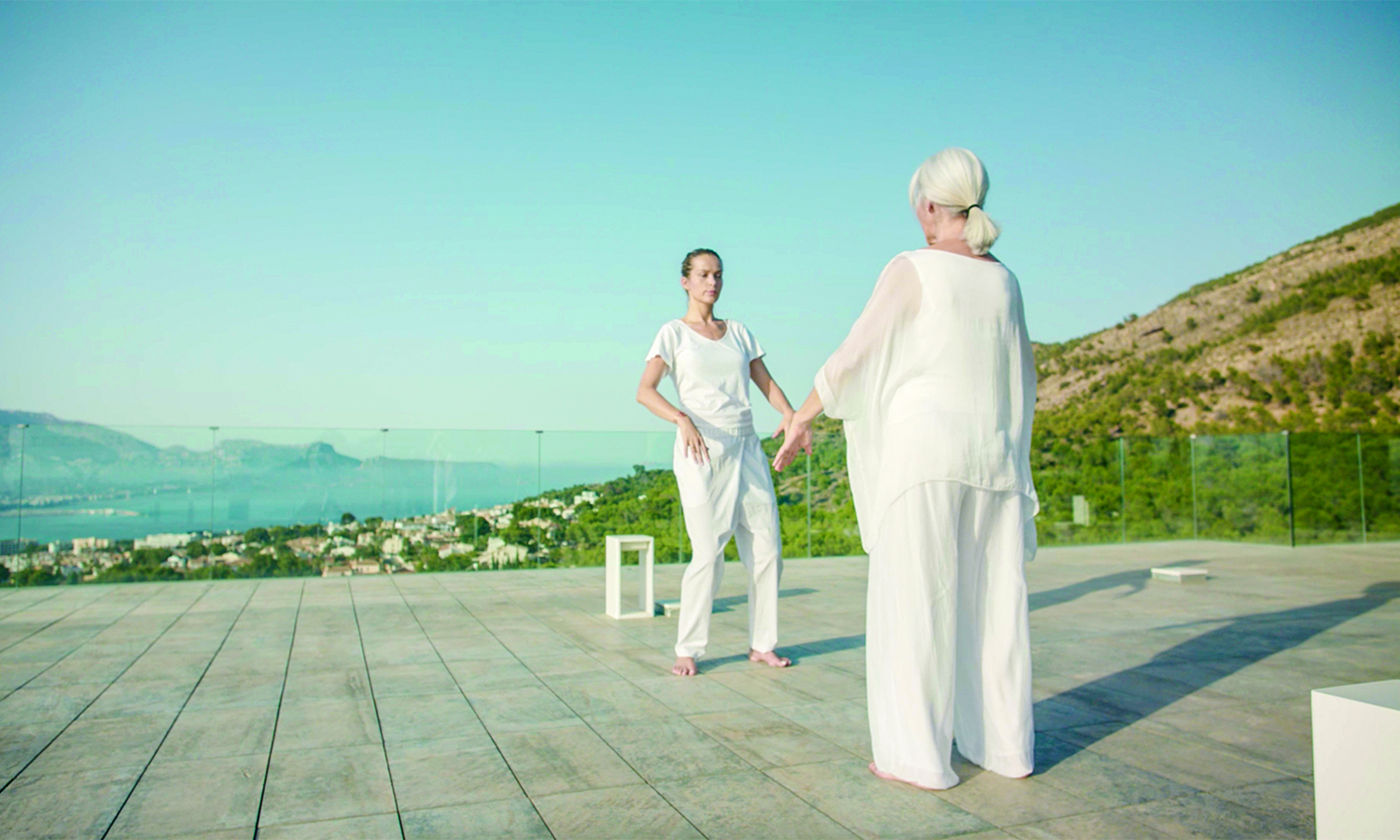
    Perched on a hill on the Spanish coast between Málaga and Valencia, the SHA Wellness Clinic unveiled a seven-day Post-COVID program in May. After an initial assessment that includes a stress test, carotid ultrasound, and bloodwork, guests receive a program tailored to their ailments. Those with musculoskeletal issues can get a combination of Watsu therapy (think underwater shiatsu massage) and reflexology. Those with psychological effects may receive a “brain photobiomodulation” session that claims to stimulate and regenerate brain cells with low-level lasers and coaching in Pranayama breathing.

    And those with respiratory problems may try nebulization sessions (which are similar to asthma treatments) and traditional Chinese medicine. All of it is done within the plush confines of a sleek, white-on-white resort where the infinity pool faces a row of towering cliffs and the suites overlook the Balearic Sea.

    Rates start at around $3,000, with required add-on treatment packages ranging from $650 to $1,300; accommodations are roughly an additional $400 a night. “We’ve already seen a great deal of interest, both in definitive bookings and enquiries for more information,” says Juan Antonio García, SHA’s clinical director. Like the other resorts in this story, it didn’t offer numbers on how many people have booked.

    Lanserhof Tegernsee, in the rolling Bavarian Alps just south of Munich, is a go-to spot for oligarchs and top models looking to detox, destress, or shed some pounds. Now its team of doctors and dieticians look at the gut for a possible long COVID cure. Guests of its seven-day $10,000 COVID-19 Program will receive individual treatment schedules based on their symptoms (these could include bowel cleansing, energy therapy, lymphatic drainage treatments, and cryotherapy).

    Every program is based on the strict diet plan of the late Austrian physician Dr. Franz Xaver Mayr, who’s famous for drawing attention to the importance of gut health. Using a combination of intermittent fasting, colonics, Epsom salts, and small portions of alkaline-rich food, the program aims to rid the gut of old debris to revitalize the immune system.

    “Long COVID is a silent inflammation reaction,” says Dr. Benedetto-Reisch Lanserhof’s medical director. “Fasting has a regulating effect on those processes.”

    Similar is the Post COVID program (seven days, from $7,000) at VIVAMayr, a small village of wooden chalets on the shore of Austria’s Lake Altaussee. It uses blood tests and applied kinesiology (muscle testing) to diagnose imbalances around the body and inform a personalized diet and treatment program. But there the menu gets complemented by nutrient-rich IV drips, electrolysis foot baths, and breathing exercises to promote cell regeneration and increase the number of energy-producing mitochondria in patients’ cells.

    A proven market

    Although long COVID is a novel phenomenon, the isolated symptoms are not. Treatments for brain fog and respiratory problems have been a mainstay in wellness brochures for decades; they run the gamut from Ayurvedic methodologies to science-backed technical approaches. This allowed wellness resorts to launch their COVID recovery programs relatively swiftly, without the need for new specialists or equipment. Lanserhof’s COVID recovery program made its debut in May 2020—even before “long COVID” was added to the dictionary.

    That also means the resorts aren’t losing much by offering the programs, even if bookings are slim. But the demand exists, says Frances Geoghegan, founder and managing director of the London-based wellness travel agency Healing Holidays. Since February, she says, she’s received as many as 50 weekly enquiries from people trying to address issues that have arisen as a result of COVID. “They can’t get the help they need from their GP. [In the U.K.] it’s near impossible to get an appointment during the pandemic, and there are huge waitlists in place for treatments.” As a result, she explains, “Many have decided to take charge of their health and look for programs abroad.”

    The combination of alternative and conventional medicine at wellness resorts is especially attractive to these consumers, Geoghegan says. “It’s a mixed bag of problems, and our clients are choosing to treat it in different ways.” “It’s not just the medical treatments people are after,” says RAKxa’s Surasinthon, echoing Geoghegan’s sentiment. “They’re looking for a combination of everything. Healthy food, personal care, and exercise programs to aid rehabilitation—you won’t find that in a regular hospital.”