Category: Interview

  • A Pearl in the Water Village

    A Pearl in the Water Village

    Interview with Ms. Nora Sun, General Manager of Park Hyatt Ningbo Resort and Spa

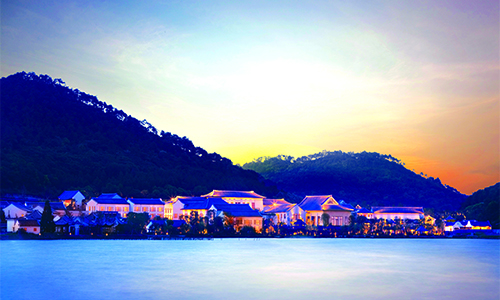
    Leaning against green mountains and facing a vast water of Dongqian Lake, a row of low-rise mansions with black roofs and white walls quietly tell the story of old Jiangnan – the charm of a traditional Chinese water village. Here is the Park Hyatt Ningbo Resort and Spa.

    The hotel combines the consistent grace and luxury of Park Hyatt with unique natural beauty, as well as the local cultural inheritance. Enjoy the Kun Opera by the water, sip a cup of selected tea at the antiquely decorated Tea House and enjoy a vegetarian feast at the theatre-styled “Red”… Meanwhile, the hotel is dedicated to delivering Wellness experiences in every approach, from the updating seasonal menu, complete spa facilities, wide health courses choices to a diversity of outdoor activities.

    SpaChina has interviewed Ms. Nora Sun, the General Manager of Park Hyatt Ningbo Resort and Spa. She will share with us more details of this charming hotel. Graduated with a Business Administration and Hospitality Management major, Nora then accumulated rich experience in the hospitality industry. She worked for several hotels in Switzerland before joining the Hyatt family in 2007 when she took the post of sales director at Hyatt Regency Dongguan. In 2011, she began to work for Park Hyatt Ningbo Resort and Spa and then joined Grand Hyatt Lijiang five years later as hotel manager. In 2018, she was back to Park Hyatt Ningbo again and was appointed as the General Manager of the hotel. 

    What trends and new requirements do you see in China’s and global hospitality industry? How does Park Hyatt Ningbo meet these needs?

    It is a trend that more international and local five-star hotels will enter the market in the future. We should fully understand our guests’ needs. Customers nowadays desire personalized service instead of traditional standardized services. Therefore, we need to proactively satisfy the requirements of our guests by combining the comfortable accommodation experience of Park Hyatt Ningbo Resort and Spa with local specialties, and the culture and natural beauty of Dongqian Lake to create a remarkable experience for them.

    What efforts have you made concerning environmental sustainability? 

    Sustainable development is not just a topic that the hotel industry needs to pay attention to, but one the whole society is striving for. Park Hyatt Ningbo Resort and Spa pays close attention to new energy-saving technologies and products in the market. In terms of improving energy efficiency, LED lamps are widely used in the hotel to replace traditional high-energy halogen lamps. Double-layer insulating glass with the adiabatic film achieves further energy-saving result. In addition, the intelligent control system of Park Hyatt Ningbo Resort and Spa is about to be upgraded in the near future, so as to further improve energy efficiency in terms of high energy consumption facilities such as air conditioning and lighting. The reclaimed water recycling irrigation project will also make its due contribution to sustainable development.

    Park Hyatt is well-known for its creative interpretation of local characteristics. How does Park Hyatt Ningbo convey the culture and charm of Ningbo?

    Park Hyatt Ningbo Resort and Spa has been created in the style of a traditional Chinese water village to blend discreetly into the surroundings. An elegant art collection can be seen in both public and private spaces. With the pleasure of visual interest, the artwork is carefully complemented with the modern Chinese atmosphere. Walls are adorned with silk paintings, brick carvings, calligraphy panels, and photographs of local architecture and landscapes, while arrangements of artistic elements such as peasant hats, over-sized wine pots, stone rice mills and wooden basin create a peaceful and secluded environment and evoke a strong sense of location. Each and every hotel staff member is also ready to provide genuine and sincere service with enthusiasm in making your stay enjoyable and memorable.

    What are Chinese guests’ current attitudes and demands on “health and wellness”? Are there any changes compared to before?

    With the change of times and guest structure, guests of Park Hyatt Ningbo Resort and Spa are pursuing a healthy lifestyle and advocating health preservation more actively than any time before. “Health and wellness” is a promising sunrise market for Chinese people. It meets the desire of our guests for a better life and spiritual demand. More and more Chinese guests are aware of the importance of healthy living, diet and physical care.

    What is your advice on how to better integrate wellness concept into the whole hotel service? How does Park Hyatt Ningbo do it?

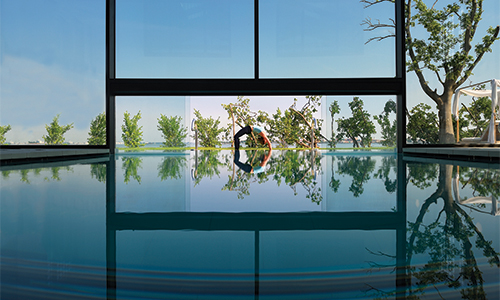
    Guests usually expect to feel refreshed when staying in a hotel. Hotel should meet the guest’s needs with complete and innovative facilities, as well as guide them to pay more attention to wellbeing through the development of wellness courses, healthy menu and detailed services. Park Hyatt Ningbo Resort and Spa boasts unique geographical advantages and high density of plantation, providing guests with spacious natural sports venues and high quality fresh air. The tranquil Yue Hu Spa, high-tech fitness center and heated swimming pool, the wide outdoor Tai Chi and yoga venues, as well as the lake cruise, fishing, cycling and other health and sports are all perfect wellbeing options. We encourage guests to embrace nature.

    Please briefly introduce Yue Hu Spa. What experience do you want to deliver to the guests?

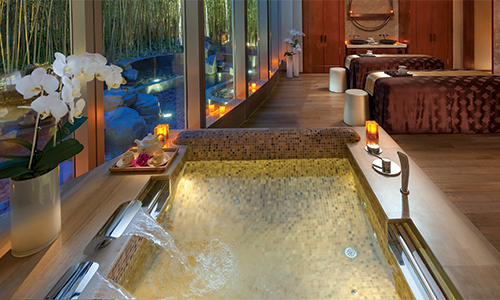
    Yue Hu Spa at Park Hyatt Ningbo Resort and Spa draws inspiration from the surrounding natural habitat. The spa’s seasonal welcoming teas are designed to energize guests and prepare them for a wonderful journey toward rejuvenation. Each spa villa is equipped with an advanced treatment room, foot massage area with television, dressing room, steam room, sauna and an elegantly designed private garden with a lounge and outdoor Jacuzzi. Guests can enjoy yoga and cycling activities around the lake. In addition, the Executive Chef of Park Hyatt Ningbo has designed a selection of vegetarian menu especially for Yue Hu Spa.

    Who are the most frequent guests of Yue Hu Spa? What are their main requirements and how does Yue Hu Spa satisfy them?

    Guests of Yue Hu Spa are mainly those who enjoy leisure vacations with family and friends. The Male/Female ratio is 6:4. Guests are largely from the south of China (Jiangsu, Zhejiang and Shanghai), as well as foreign countries. Yue Hu massage and facial treatment are always popular for different kinds of guests. On special occasions, we offer variety of packages to meet the guest’s needs, for example, birthday or anniversary.

    Have you also tried to attract local city guests to your spa? If yes, what have you done and what difficulties have you met?

    Local guests are very important to us as well. For our potential guests, we will invite them to experience our treatments and convert them to our members. We also provide benefits to those who bring us new spa members. However, the Yue Hu Spa treatments could be more diverse and comprehensive. Park Hyatt Ningbo Resort and Spa will design new and creative packages to include benefits of room, food & beverage, as well as hotel activities, to upgrade the experience of our guests.

    What is your personal attitude towards “wellness”? How do you balance your busy work with mind & body health?

    Wellness is a positive approach to living. It helps someone to strengthen the ability to better cope with stresses and issues that they face in everyday life. I never stop seeking more balance in work, mind and body health. Frequent exercise and healthy lifestyle help to keep me energetic. I think our recognition of wellness needs to move one step further – to have a deeper understanding and appreciation of the comprehensive connection of mind, body and spirit. It means establishing good habits in a holistic way for a healthy lifestyle to prevent disease.
  • 悦享江南之韵

    悦享江南之韵

    访宁波柏悦酒店总经理孙凡茜女士

    以起伏的青翠山峦为倚,面朝碧波如洗的东钱湖水,一排排黛瓦粉墙安宁栖居,倾诉着江南水乡之意境。这里便是柏悦品牌位于大中华区的第一家度假酒店——宁波柏悦酒店。

    走进酒店内,柏悦之优雅格调呈现眼前。而匠心独运的空间设计将山水风光悉数纳入;再从材质到配饰,每一处细节都体现着当地特色的人文雅韵,带领客人度过漫漫惬意时光。在湖光山色间欣赏一出清雅的昆曲,在古色古香的茶苑品东海龙舌,在以中式古典戏院结构打造的“红”酒吧内分享精美的素宴⋯⋯同时,酒店致力于将养生体验融入细节之处,从随季更新的菜单到齐备的水疗设施,从康养课程的开发到户外活动的安排,带给客人不同的体验。

    SpaChina有幸采访了宁波柏悦酒店的总经理孙凡茜女士,听她与我们分享这家魅力酒店的更多精彩点滴。商业酒店管理专业毕业的Nora精通德语、英语,在酒店行业具有丰富的经验,加入凯悦酒店集团之前,曾在瑞士恩格堡的数家酒店工作。后于07年在东莞松山湖凯悦酒店担任销售总监,之后的11年开始服务宁波柏悦酒店,5年后加入丽江金茂君悦酒店担任酒店经理。2018年,Nora再一次回到了宁波柏悦酒店并晋升为酒店总经理。

    全球以及中国的酒店行业有哪些新的发展趋势和需求?您是如何带领酒店来迎合这些趋势的?

    目前市场上新开了很多酒店,也有很多出色的酒店,可以说行业内的竞争非常激烈。对宁波柏悦酒店来说,我们应该充分了解旅客需求。如今的客户需要的是细致、有个性化魅力的服务,而不是传统酒店业提供的标准化服务。因此,我们必须迅速及主动地满足客户需求,将宁波柏悦酒店优雅舒适的住宿体验、具有本地特色的美食与东钱湖的人文和自然相结合,为每一位酒店的客人打造独一无二的入住体验。

    宁波柏悦酒店在环境可持续发展方面做出了哪些努力?

    可持续发展不单纯是酒店行业需要关注的话题,而是整个社会都在为之努力的方向。宁波柏悦酒店非常关注和使用市场上新的节能技术和产品。在提高能效方面,酒店大面积使用LED灯替换传统高能耗的卤素灯;不仅使用双层的中空玻璃,而且覆盖隔热膜,进一步达到节能的效果。另外,宁波柏悦酒店的楼宇智能控制系统在未来即将迎来升级,在空调、灯光等消耗能源较多的地方,做到提升能效;中水循环灌溉项目,也将为可持续发展做出应有的贡献。

    印象中,柏悦酒店总能独具匠心地演绎目的地特色,能否为我们简单介绍一下宁波柏悦酒店是如何传递出宁波这一典型的江南水乡之文化与风情的?

    宁波柏悦酒店以中国传统江南水乡为设计风格,与绝妙湖景相互映衬,低矮的独栋宅邸依山势连绵排开,宛如时光雕琢而成的天然村落。酒店的公共以及私人区域均含蓄地摆设着精美艺术收藏品,以细致烘托出富有中国江南韵味的层叠空间。墙壁装饰以丝绸画、砖雕、书法艺术以及极富当地建筑风景的众多名家摄影为主,同时酒店别出心裁地以渔夫帽笠、巨型酒樽、碾米石磨以及各种古朴木具等本地传统特色物件,唤起了宾客心中对这片幽静水乡的浓郁感受。我们致力于秉承“热情待客”的服务理念,为宾客创造难以忘怀的美好体验。

    您如何看待中国客人对“康养”的态度和需求?与过去相比,有哪些不同?

    随着时代的变迁和客人结构的变化,宁波柏悦酒店的客人越来越追逐健康的生活方式,更加推崇健康养生。“康养”对于国人来说将是一个很有潜力的朝阳市场,可以满足消费者对更好生活的向往和精神层面的追求。越来越多的中国客人意识到健康生活、饮食、身体护理的重要性。

    对于将“康养”概念更好地融入整个酒店服务,您有什么建议吗?宁波柏悦酒店是如何做的?

    客人通常希望通过入住酒店,能够有焕然一新的感觉。酒店除了应该在设施的配置上满足客人的需求,还应通过康养课程的开发、菜单的变化和细致入微的服务引导客人更关注养生。宁波柏悦酒店拥有得天独厚的地理优势和高密度的绿化,为客人提供了宽敞的天然运动场所和优质的空气质量。静谧的悦湖水疗,高科技的健身中心和恒温泳池,宽阔的户外太极和瑜伽场地,以及游湖、垂钓、骑行等都是养生和运动的绝佳选择。在宁波柏悦酒店,我们鼓励客人拥抱自然。

    请为我们介绍一下悦湖水疗,想带给消费者怎样的体验?

    宁波柏悦酒店拥有得天独厚的“面湖靠山”的地理位置,空气清新优质,鸟语花香。悦湖水疗依据时令更替为客人奉上不同款式的欢迎茶水,带给客人身、心、灵自然舒泰的愉悦享受。每间水疗别墅不仅拥有设施先进的按摩理疗室、配有电视及足部按摩区、更衣室及梳妆区、蒸汽淋浴区、桑拿房,更拥有户外按摩池、休息区的雅致私人花园。宾客还可以搭配湖畔瑜伽、环湖骑车等活动,享受休闲时光。除此之外,宁波柏悦酒店行政总厨还亲自为悦湖水疗设计了当季素食套餐。

    造访悦湖水疗的客人哪一群体居多?他们的主要需求是什么?悦湖水疗是如何满足其需求的?

    造访悦湖水疗的主要是与家人朋友来酒店休闲度假的客人,男女比例差不多6:4。客人来源主要有江浙沪一带和外国客人居多,悦湖按摩和面部护理是比较受欢迎的疗程。当得知客人的特殊生日或纪念日,酒店也会特别赠送悦湖水疗优惠套餐,客人都很喜欢这样的体验。

    悦湖水疗是否也会有意识地吸引本地城市客人?具体是如何做的?

    悦湖水疗非常重视吸引本地城市客人。酒店会通过体验的方式让客人感受悦湖水疗的一整套服务与环境,从而近距离接触客人,更好地向他们推荐悦湖水疗会员卡及相关礼遇。我们也会通过引荐会员的方式,给予优惠福利,逐步扩大会员数量。悦湖水疗套餐可以更多样化、全面化。接下来我们会开发更多的水疗套餐项目,并结合客房、餐饮以及酒店活动,促使客人的舒适体验进一步升级。

    您个人对待“康养”的态度是怎么样的?如何平衡忙碌的工作与健康的身心状态?

    我非常认可“康养”这一理念,它是一种积极的生活方式,注重康养的人,能积极应对来自日常生活以及工作各方面的问题和压力。我一直努力寻找平衡自己的生活和工作的方式,也期望通过运动和养生保持旺盛的精力和良好的心态。我们对“康养”的理解需要更进一步,更深入地去学习和感受心灵、身体和精神之间的联系,通过适当饮食、锻炼和良好的生活习惯来获得身心全面的健康。

  • Pioneering High-end Wellness

    Pioneering High-end Wellness

    Interview with Mr. Tony Cheung, Founder of P&A Engineering Ltd and PA Wellness Consultancy Ltd

    Mr. Tony Cheung established P&A Engineering Ltd in 1997 and has since provided world-class consultancy, project construction and business solutions to the wellness and recreation industry across Asia, especially mainland China and Hong Kong. Projects include but not limited to construction of Water Parks, swimming pools, wellness centers, fountain and water landscapes, ski ranges and electromechanical systems. In 2004, Tony founded PA Wellness Consultancy Ltd to center on the flourishing wellness and spa industry in the Asia and Greater China area. Under the guidance of Tony, PA Wellness has been in charge of over 100 projects and is undoubtedly a highly recognized professional consultant of luxury spas as well as a trustable partner of international hotel groups and real estate developers. PA Wellness’s strengths especially lie in the creation of spa concepts, construction of complicated hydrotherapy and thermal facilities (such as sauna, Hammam, snow chamber, Vichy shower, all kinds of pools, etc.) and pre-opening support including treatment design, training support, and marketing and more.

    Tony has not only contributed many remarkable projects with his professional team and promoted the industry’s healthy development with his rich experience and foresight, but is also known as a modest teacher who is willing to give guidance and support to the industry juniors. Tony has twice been awarded as “Most Outstanding Contributor to the China Spa Industry of the Year” in SpaChina Awards 2012 and 2015. SpaChina interviewed Mr. Tony Cheung on his ideas about China’s current health & wellness trends.

    Do you now deal with more “health & wellness”-related projects than before? Why are hotels and resorts’ showing increasing enthusiasm for wellness?

    That’s right. I now handle more wellness related programs than before. I think the reason is that both business travelers and recreation travelers are now showing stronger interest in health and wellness. So they hope to seize the chance to experience various wellness programs and facilities in the hotels or resorts in which they stay.

    Today, people are looking less for momentary relaxation, and more for effective improvements to body, mind and spiritual health. From your perspective, is such “wellness” awareness and demand a China or global trend?

    Wellness has developed for several years in China. Many people have benefited from it and therefore turn it to more as a part of their life now. In Western countries, wellness-related programs have emerged much earlier than in China and have come to a comparatively mature state. Therefore, many foreign designers and operators are now very active in China’s market because they see huge demand here. Meanwhile, a lot of professionals in China are also greatly promoting the wellness programs. However, just like many other trends, though blooming everywhere, wellness programs feature very different qualities from one and another and there is a lack of a standard. So truly high-end wellness seekers are far from satisfied by most of the programs available in the market. Many of them still choose to go abroad for a better experience, and many of them invest in programs themselves hoping for more satisfactory facilities and services. But it is not easy since there are not many professionals who can really help them and meet their needs. To develop wellness programs in China, one should never blindly take over the foreign model. Rather, adjustments should be adopted so as to meet Chinese guests’ demands and habits. Meanwhile, it is also important to be able to expand in the short term and meet the rapid increasing needs of China’s market.

    What are the age differences between wellness guests in China and Europe & U.S.?

    In China, wellness seekers believe that 40 is the golden age for health maintenance when all the efforts can really see the full effect. So people pay more attention to nutrition and wellness activities from this age on. However, most foreigners think that health maintenance is something to be done after retirement. I have to say, it is very wise to start wellness care at an earlier age, it can increase the life span. This year, Hong Kong has gone beyond Japan, and become the please with the highest longevity in the world, I think that has something to do with Chinese wellness culture – start from an earlier age to care about your health. 

    From your perspective, what are the differences between health & wellness projects and ordinary hotel projects? What are the challenges of constructing health & wellness projects?

    Wellness is not a core part of a normal hotel project and there is no comprehensive design and construction needed for wellness. Nevertheless, to construct a comprehensive wellness program can be something totally different and will meet many challenges. Wellness involves many different aspects and sustainability is the key. Therefore a team composed of true professionals with the respective background is required so that they can handle everything from concept creation, graphic design, function layout, facility matching and operation and management.

    What is the status of current China health & wellness projects? What suggestions do you have?

    China’s wellness programs are just at the budding stage. So you can see numerous modes and styles in many places, but without a fixed pattern or standard. We want to create a high-end mode, mainly in the European style and dotted with Eastern elements, to give guests a true joyful experience and remarkable wellness effects.

    After the completion of the project, will you cooperate with your clients to offer end consumers a better experience with your facilities and concepts?

    Yes, it is very important to cooperate with our clients after the completion of the project, especially for such new kinds of wellness projects. We will join hands with clients to promote the wellness concept, arouse people’s interest in wellness, guide people to have better experience, educate them how to achieve the best wellness effect, and above all, let them become our regular visitors.

    What is the development prospect of China’s hospitality and tourism market? Will SPA still be important?

    I believe spa will always be the core of wellness programs. Hotels and resorts which already have spas are much easier to be upgraded into a wellness sanctuary. In recent years, many city hotels have realized such a transformation and become popular weekend destinations for city dwellers.

    What kinds of SPA is needed by future health & wellness resorts?

    Multifunctional spas are most needed.

    Are there any impressive cases you want to share with us?

    We are very happy to have joined the design and construction of Sangha Retreat By Octave. Located by the picturesque Yangcheng Lake, the property includes a destination wellness resort, a medical center and wellness villas, with top facilities and services in Asia. The project’s vision is quite international and far-sighted. In addition to spa treatments, fitness, yoga, meditation and organic dining, there are also various spaces for Connection and Interaction. A healthy communication is the core value of the resort. Moreover, it boasts the biggest spa area in China, featuring characteristic facilities and programs such as Watsu, Floatation, Hammam, Rhassoul, Salt Cave and etc, aiming to encourage guests to enjoy a marvelous spa and wellness journey with their families and friends.

    What’s your opinion on wellness tourism? Do you have any plan to be involved in it?

    Wellness tourism has now become very popular. But there are very few true wellness destinations or facilities for guests to enjoy. Nor are there enough people to guide guests for a better experience. Recently, we have received many consulting projects on this aspect. Our team is now working hard on the issue and is ready to prepare more comprehensive services to guests. We hope to accomplish more excellent projects in the short term.

  • 康养势在必行

    康养势在必行

    访保安集团创始人张冠敏先生

    保安集团创始人张冠敏先生是中国养生行业的老前辈。他在1977年成立了保安水利工程有限公司,40年以来为亚洲、中国内地及香港的康乐及休闲行业提供世界级专业咨询、工程及商业方案,如水上乐园、游泳池、养生中心、喷泉和水景观、滑雪场、机电系统等项目。在2004年,张冠敏先生成立了保安水疗顾问有限公司,更加专注于中华及亚洲地区正蓬勃发展的水疗养生行业,参与超过100个项目,是业内备受认可的豪华酒店水疗的专业顾问,也是国际酒店集团及地产开发商青睐的项目合作伙伴。公司专长包括策划水疗中心的经营概念,设计复杂的水疗及温热疗法专业设施,如桑拿房、土耳其浴室、雪屋、维奇浴、各类养生水池等,还有开业前的商业策划,如设计疗程、计划培训、策划品牌和营销等适合目标市场需要的方案等。

    张冠敏先生不仅凭借专业的知识和经验带领团队为养生行业贡献了众多精彩的工程项目,以远见卓识推动着行业的健康发展,同时,为人谦和,乐于分享的张先生一直不遗余力的为行业晚辈们提供各样指导与支持。在2012年和2015年的SpaChina中国水疗颁奖礼上,张先生两度荣膺“年度中国水疗行业最具贡献人物”大奖。SpaChina有幸采访了他,听他与我们分享目前在中国如火如荼展开的康养项目。

    在您们目前接手的项目中,为什么会有这么多新的酒店和度假村项目与康养有关?

    是的,我接手的康养有关的项目越来越多。我认为,原因在于,无论是商务旅游或是休闲旅游的人士都越来越注重健康和养生,他们希望能利用旅行的机会在入住的酒店或是度假村里好好体验一番各类不同的康养项目。

    “康养”是中国趋势还是全球趋势?中外康养市场分别具有哪些特征?

    在中国,康养经过了多年的发展,已有不少人体验到其中益处,因而进一步将其提升到时尚生活的一部分。在国际上,这些康养类项目早已经历了相当长时间的发展,业已十分成熟,因而当许多外国的设计者和经营者看到中国的庞大市场后,很想在中国发展;同时,国内的一些专业人士也在大力推广,因此,像其他许多时尚项目一样,康养项目很快就遍地开花,然而,其质量却参差不齐,往往无法让高追求的人士满意,于是他们便会选择出国体验,也有部分人士以消费者的身份去投资项目,期许实现更加完美的体验设施与服务,然而,要找到能够实现他们梦想的专业合作者并非易事。在中国市场发展康养项目,绝不能简单地把外国的一套照搬过来,必须进行规划和调整,以适应中国客人的需求与习惯,并能够应对短期的急速发展,即广大的地域扩展和需求量的攀升。

    康养的年龄段在中国和欧美有什么区别?

    在中国,追求康养的人士都提倡从40岁后就开始进补,开始养生和多维度的锻炼,人们认为这是最看到见成效的年龄段。然而,大部分外国人都认为康养是退休后的事。我觉得能从40岁就有觉悟开始寻找健康之途径是非常睿智的,符合中国人的性格特点,这也是为什么长寿人口越来越多是在亚洲,2018年中国香港已经超过了日本成为了人均寿命第一位。

    从您们的角度来看,康养项目与普通的酒店项目具体区别在哪里?什么是康养项目的难点?

    对于普通的酒店项目来说,养生不会是他们的主项,因此不会做的太全面。然而对于一个综合的康养项目来说,建设起来是有很大难度的。养生包含多方面内容,且要求使用的延续性。这就意味着,在概念、平面设计、功能布局、设施的匹配、经营管理等各方面都应该由专业人士组成的团队合作去完成。

    目前中国康养项目的现状如何,您有什么建议吗?

    中国的康养项目,仍然处于萌芽阶段,正在百花齐放,各有千秋,和许多其他项目一样,并没有一个固定模式。我们的团队,很希望能打造出一个高层次的模式,以欧洲式为主,渗入东方色彩,让客户在享受的同时收获真正的康养效果。

    在您们完成项目的建设后,将会如何与客户合作,使设施与服务得以更好地服务于终端客人?

    由于康养是新项目,和客户的合作是非常重要的。我们会和客户一同进行概念推广,培养群众的兴趣,引导客人该如何体验,教育他们如何获得康养效果,最重要的是,令他们成为常客!

    未来的中国酒店和度假市场发展方向如何?SPA是否依然很重要?

    我认为SPA将一直是康养的基础,已经有了SPA的酒店和度假村,很容易升级为康养中心。近年,许多市区酒店都是城市人的周未度假地。

    什么样的SPA会合适康养度假村?

    多功能的SPA最适合。

    有哪些您比较认可的康养方面的国际案例与我们分享吗?您们做过的项目中如果有康养方面的,也欢迎同我们分享。

    我们很荣幸参与了苏州音昱水中天养生度假酒店的设计和建造。这个项目整体来说包含了目的地养生度假村、医疗诊所,和养生别墅,位置在景色优美的阳澄湖边,条件应该是亚洲区数一数二的。度假村的概念很国际化也很有远见,除了提供Spa护理、健身、瑜伽、冥想、有机餐饮等项目,设计加入了很多大大小小的Connection(沟通)和Interaction(互动)的空间,非常注重人与人之间的健康交流。同样难得的还有一个全中国最大规模的豪华水疗区域,提供了Watsu(水中舞)、Floatation(漂浮治疗)、

    Hammam(土耳其浴)、Rhassoul(摩洛哥泥浆浴)、Salt Cave(盐屋)等等不常见的特色疗程,鼓励客人与同行的亲友一起享受水疗养生的好处。

    您是否关注过康养旅游,您们是否计划迎合这一趋势建设项目?

    国内外的康养旅游已经流行起来了,只是,可以给游客去的地方不多,也无人指引如何去体验和享受,我们最近也接到了不少的咨询。我们正组织我们的顾问团队,提供更全面的服务,希望在短期内,能够有更多的项目完成。

  • The Wellness Era

    The Wellness Era

    Interview with Mr. Ingo Schweder, Founder and CEO of GOCO Hospitality

    As CEO and founder of GOCO Hospitality, Mr. Ingo Schweder has more than 30 years of experience in the fields of spa and hospitality and has been involved with the design, development and worldwide operation of iconic hotels and wellness destinations. He has been a board member of Mandarin Oriental and earlier Group Director of Operations for Oberoi Hotels & Resorts.

    Ingo’s vision for GOCO Hospitality is to grow the company in the vastly expanding wellness real estate and hospitality segment. GOCO provides a turnkey solution for wellness-centric developments – from preliminary market research and feasibility work to pre-opening support and management services. The company’s reputation after only 10 years now speaks for itself. GOCO has become “the” go-to wellness company for hospitality giants like Bulgari, Ritz-Carlton, Viceroy Hotels & Resorts, Wynn Resorts, MGM and many more. In addition, GOCO Hospitality purchased 85-acre Glen Ivy Hot Springs in southern California, the USA’s highest grossing hot spring resort, and is expanding it with additional wellness real estate anchored by a 125-room GOCO wellness retreat.

    SpaChina interviewed Mr. Ingo Schweder to share his insights into the wellness hospitality markets both abroad and in China.

    From your perspective, which country has the strongest wellness market and the most diverse range of wellness options?

    For an individual country, Germany displays the highest spend per person in regard to its wellness market and the wide diversity of options available. However, as a continent, America is leading by dollar spend. The highest amount of dedicated spa trips is Europe as a continent, with Germany displaying the highest number of trips per person. China leads particularly in terms of bathhouses and water-related bathing. Recent data from the Global Wellness Institute shows that China was the No. 1 market in the $56.2 billion global thermal/mineral spring industry with annual revenues in 2017 of $17.5 billion, followed by Japan, Germany and Russia.

    You are now based in Bangkok and your projects are spread all over the world. What is your opinion on the different requirements for wellness from customers in different regions?

    The most important aspect of wellness tourism is authenticity. When people visit a country, they are looking to explore what it has to offer, not necessarily what they have at home. They seek to experience the country, its culture and people in order to widen their experience horizon. This means that spas need to reflect the destination in which they are located with locally-inspired treatments, wellness modalities and design.

    What are the popular wellness modalities at present? What about Hot Spring holidays in particular? What are the reasons for their popularity?

    Worldwide, we are seeing a renaissance in bathing. The market is expected to grow at a very healthy 6.5%. Currently worth $56.2 billion, this is expected to reach $77.1 billion by 2022.

    At GOCO Hospitality, we bought the Glen Ivy Hot Spring in California in 2016. We have a combination of the hot spring bathing, a comprehensive spa, mud scrubs, facials, several thermal and hot/cold facilities as well as various healthy F&B outlets serving organic-food-based menus. The whole experience is highly popular, and we get around 600 guests per day and over 200,000 guests per year.

    Our bodies are composed of 60% water. Water gives us life. It is a deep part of who we are as human beings. We have a strong desire to be in, on and near water. We don’t strictly have to eat every single day, but we can’t survive without drinking water. We also see that real estate near to bodies of water experience significant price premiums. We are constantly drawn to water, and therefore, I am sure that water-related spa activities will continue to grow in popularity.

    Hot spring bathing is increasing in popularity in China. Hot spring trips booked through travel platform Ctrip doubled between 2016 and 2017, with 70% of these being booked by women.

    How do you better infuse the concept of “wellness” into the whole hotel context?

    Firstly, we need to re-educate hotel GMs, the leaders managing the day-to-day activities of most hospitality operations. The background and education of hoteliers obtained in hotel schools is mostly F&B, rooms or marketing centric, thus their career and professional background is not exposed to wellness at its early stages, leading to most hoteliers having a limited understanding of wellness as a business and how to optimise it as a profit center.

    Secondly, wellness needs to be created, designed and operated as an independent outlet within the hotel, rather than being treated as an amenity. Spas should be designed by specialist spa designers, rather than regular hotel designers. There is a need for expert knowhow. The best hotel restaurants are designed by restaurant designers, not general hotel designers.

    What are the advantages and risks of working in China in hotel and resort development?

    The risks are that currently there are insufficient skills and technical knowledge in terms of design, development and operations for wellness hotels. The advantages are that China is a growing market where – outside of the most developed cities such as Beijing, Shanghai, Shenzhen, and Tianjin – there is a relatively low level of globally benchmarked lifestyle hotel inventory. A lot of what exists often looks the same and there is a lot of room for more avant-garde offerings.

    There are much more famous resorts in Europe which provide wonderful and wellness activities, water facilities rehabilitation, and medical support, better than in China. Which would you recommend?

    Europe has a long tradition of merging integrated medical and lifestyle wellness modalities and traditional healing. The apothecary emerged from Europe, and healing and combatting unwell bodies with herbs is as old as ancient monasteries, where these remedies were studied and developed before they went mainstream. There is a deep heritage of the Roman baths and thalassotherapy.

    In Germany, Chancellor Otto von Bismarck created the model of “Kuring”, where social systems were developed so that part of every insured worker’s health benefit was to go every year for 1-2-3 weeks to dedicated health-stimulating resorts. It’s part of the benefit of European society and the reason why the European model of central healthcare is far more successful than in the USA and the Far East. The government support for these workers’ health trips and resorts allowed the creation of a large number of health resorts. When government support was reduced in the late 1990s, many of the best invested in improving their facilities in order to compete internationally, creating the world-class wellness resorts we see today.

    Today, we have Lanserhof Tagernsee, Brenner’s Park, Ayurveda Parkschloesschen, and Schloss Elmau – all established properties with world-class reputations that integrate medical with alternative healing modalities. We have over 350 health resorts and spa towns that combine traditional medicine with alternative healing as well as 1,000 approved wellness hotels.

    In modern-day Germany, health insurance not only covers you when you are sick, but may even reimburse you for preventative activities such as taking a yoga class. Preventative healthcare is much more efficient than curing the eventual sickness.

    What kind of potential do you see for the wellness hotel industry in China?

    China has a population of 1.5 billion people that is getting more affluent and aspiring to be part of the ever-evolving and growing middle-class. The domestic economy is strong. These are good fundamentals for the future. Along with this is a general rising interest in living a healthy lifestyle. People see the crisis in obesity and diabetes that is negatively affecting people’s lives and want to avoid these problems. People are eating more natural and organic foods; are avoiding fast food, meat and sugary beverages; and are reducing their salt intake. These are all very positive signs for the future.

    Could you recommend the 5 top European resorts in your heart?

    In no particular order:

    • Daios Cove in Crete
    • The JW Marriott Venice Resort & Spa
    • Lanserhof in Germany
    • The Aman Sveti Stefan in Montenegro
    • Our GOCO Ayurvedic village currently under construction on the Algarve in southern Portugal