Category: Interview

  • 蓝莲花开

    蓝莲花开

    访香港御品莲集团有限公司合伙人兼董事总经理林樱女士

    几乎所有人都在关注康养的今天,到底什么是我们心底最期望的健康生活?一朵朵蓝色的莲花在茶杯中绽放出纯净的美丽;植物中自然的原液浸润肌肤与心田,隐居于青山绿水之畔,再不见尘嚣挂碍⋯⋯林樱在寻找着答案。

    曾于厦门主流媒体任职新闻记者,并赴香港从事大宗国际贸易,保税业务,物流等商业经营;然而,2013年,与蓝莲花的初次邂逅,开启了林樱对于“生活”的思考。后来,她又偶遇了贵州赤水河畔,东汉末年留存至今的千亩梯田,随即开始了蓝莲花的种植。而这一大胆的尝试,不仅为人们带来了天然健康的产品,康养体验的新去处,同样也为当地人民带来了巨大的经济和生活支持,古老的文化遗产亦得以保护和重生。SpaChina有幸采访了林樱女士,香港御品莲集团有限公司合伙人、董事总经理;听她与我们分享蓝莲花背后的故事,以及她对真正健康生活的见解。

    什么原因让您决定开启蓝莲花种植以及健康产品的研发?可否将这视为您进入健康产业的开端?

    这要从2013年的秋季说起。那时,约了友人去台湾度假。感受了故宫,士林官邸,阳明山之后,城市的熙熙攘攘,夜市的烟火引不起兴趣。当地的朋友说:“你们从香港来,举世闻名的101大楼都不去,想看什么?”商议之下,驱车前往台中的礁溪温泉,看世界上最先进的种猪场,日据时代至今最传统的奶牛养殖场。最后,朋友说:“好几天了,歇歇吧,带你们去莲花山庄,吃莲花餐。”

    于是,老陈家几分水田的香水莲花,便成了心中抹不去的惦记。

    时值秋日。太平洋岸边的暖阳映在花田里;小陈下田,为我们采摘了几朵盛开的黄色、紫色莲花。在树下的石桌围坐,冲泡起一壶香气沁人心脾,色泽娇贵明艳的莲花茶。

    茶饮三巡,小陈笑盈盈的让我伸出手背,将茶壶里黄艳艳绽放的莲花取出,于花蒂处一挤捏,一汪鸡蛋清状的胶原蛋白铺满了手背,连续几下,接载不了了,小陈笑着:“往脸上、脖子,涂抹啊⋯⋯”这是人生第一次在田园旁做植物胶原蛋白面膜的体验。

    带着渗透滋润的肌肤感受,在莲花山庄简易的长寮餐桌上,品尝了莲花火锅(一人一锅)。餐后,小陈例牌端上一壶新茶,只见紫蓝色花朵在沸水中绽放舒展着,小陈的妈妈端出看得见花瓣儿的蛋卷,笑盈盈的招呼:“还有呢。”还有,就是纯黄、纯紫的冰激淋,包装类似某大品牌,由新鲜的蓝莲花瓣打浆制成,不使用香精、甜味素,吃了还想要的感觉。老板娘说:“一天就200个,附近的人都不够卖。”

    离开花田时,午后的秋阳显得有些燥热,平铺在水面上巨大的莲叶有些卷起,小陈解答了我们的不解。秋季太平洋沿岸有些南迁的野鸭、候鸟,它们夜里蜷窝在莲叶上,可能因为温度的关系,叶子卷起,裹住了野鸭,第二天鸭子飞走了,有些傍晚还回来,但是要宿新叶。有的干脆忘记南迁了。

    小陈指着刚才我们用餐时依水田而建的三层楼房,有些不舍地说道:客人来了不走了,越来越多,我们只好搬到远一些乡下的老屋去了,每天骑摩托过来打理这里。

    小陈原在学校做教师,老陈是裁缝,家传的几分水田,开启了幸福写意的生活方式。

    在后面的一段时间里,又几次到访,有种想法挥之不去,健康的产品到底是什么?怎样才能得到真正的康养?要七老八十才蜗居康养,吃人云亦云的健康产品吗? 人生是自己的,答案自己找。

    为什么选择“蓝莲花”这一品种,为什么选择贵州的宝源梯田?对于您而言,这一片古老的山间梯田是否有着别样的意义?

    既然有了换一种活法的念头,便开始了物种调研。蓝莲花,属睡莲科水耕植物,有多品种。中国古医书有记载,为:入心经;肝经。功效:安眠,养神,护心;排毒,保肝,养颜。这是古人在生存中对身心需求的探索。

    作为可直接饮用、食用、护肤的植物,对种植环境的要求,可想而知。中国的农田土地虽甚是辽阔,但经过了近30年的工业发展,何处觅净土?

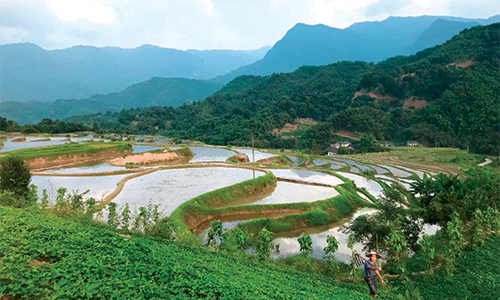
    也是因为旅游,偶然到了贵州赤水市。赤水河源源清澈,沿岸没有工业,北纬29度、海拔400米的宝源梯田,以特殊的河谷地貌气候,深深吸引了我们。隆冬春节,满目却见青山碧水,暖阳熏人醉。那副千亩梯田,仿佛从东汉末年开凿修建至今近二千年,就在等候蓝莲花的到来。由于种种原因,梯田种植所付出已难平衡产出,当地村民中的青壮年大部分外出务工,仅余下留守老人,妇女和儿童,还有部分无劳力者。这里成了贫困乡。望着荒芜的水田,老陈家精致的蓝莲花产业使我们下了决心:让蓝莲花开在有历史文化、适合种植、需要帮助的宝源梯田。

    您们以蓝莲花为基础,主要打造了哪些健康产品?针对的客户群体是谁?它们与市场上现有的健康产品相比,具备哪些优势?能否与我们举例详细分享?

    蓝莲花种苗在宝源梯田扎根后,中国农业部农产品研究所的专家亲临梯田,对这一稀有物种得以大面积种植深感喜悦,并对蓝莲花花卉、种植土壤、灌溉水源进行了取样检验。经检验,土壤无重金属污染;水源为二级水源;蓝莲花活性元素中含有丰富的植物胶原蛋白、花青素、槲皮素、生物碱、黄酮。

    针对这些优质天然环境和人体所需元素,我们与科研、企业、业界,共同研发了几个系列产品。

    养生:蓝莲花茶饮,花食(花馅饼,花蛋卷,花贡唐,花冰激淋,花火锅);保养品:蓝莲花纯露,蓝莲花医用冷敷贴,蓝莲花抗蓝光冷敷贴,蓝莲花菁萃眼霜,蓝莲花修复原液,蓝莲花防晒霜等;时尚休闲系列:蓝莲花衣柜香囊,蓝莲花汽车清新挂件,蓝莲花鲜切花。

    这些产品以纯天然元素、于人体健康有效的丰富的活性元素而独树一帜,与市场上添加/人造的日化产品不发生同质化竞争,满足尊重自然养生、具有养护需求的群体。

    例如:医美级蓝莲花医用冷敷贴,在医用级配方中以蓝莲花纯露取代离子水,蓝莲花中的花青素在镇痛、消炎、祛疤痕、祛痘方面能产生不可替代的功效,在整形美容、皮肤创伤修复、晒后修复、激素针剂后长期保养等方面,功效显著。

    您们的产品主要通过哪些渠道进行销售?市场反馈如何?

    我们的产品正在陆续研发、生产、上市中。销售渠道有本公司的平台,客户网,合作平台,行业定向。因为销售时间尚短,对产品的完善还在进行中。但是,只要不产生同质化竞争的产品,就能得到市场认可。

    哪些蓝莲花产品适合与水疗中心合作,以加强客人的养生和美容体验?您们是否已开启了相关合作?

    我认为,蓝莲花产品可以让水疗客人获得焕然一新的感受。蓝莲花茶饮,口齿留香;茶食天然无添加,健康美味;泡浴可用完整的蓝莲花与温水混合浸泡,待胶原蛋白滋润全身肌肤后,如欲做面部护理,可直接用纯露做冷、热敷,喷蒸;按摩后,可用上蓝莲花原液,彻底修复、保养、滋润通身肌肤。

    目前仍在与业界寻找合作可能。

    您是如何结合蓝莲花观赏和当地资源来开发康养度假项目的?想带给游客什么样的体验?

    蓝莲花在宝源梯田绽放,为这千亩精品式梯田增香添彩。前来观赏、品茶、流连的游人日渐增多。在项目的总体规划上,我们将第三产业设定为:建造环梯田景观,以及融入青山碧水的低密度、私隐高的休闲小筑,以满足现代人的解压、休闲、度假、长期赋闲等康养需求。

    目前蓝莲花生态观光/度假项目发展到哪一阶段?

    这一计划已完成备案,目前我们在做整体建设规划。已有业界、游人、企业对此计划表示极大兴趣并提出各自的需求愿望。

    您觉得现代人想要什么样的养生产品和康养体验?

    我想分享三个真实的例子。

    例1:因为做景观规划,接触一八零后海归设计师。姑娘说:“我要划一大块地,造一小屋,隐秘竹林面向梯田花海。早起裸浴晨露,花田采摘了花瓣儿做色拉,晚间数星星,枕蛙鸣⋯⋯”

    例2:香港友人,七零后,英文翻译。来了两趟,决定在香港不买房子了:“等到宝源小筑建好,长期侯一栋,和老公女儿来住。在香港干活累的似狗,到这儿做仙。”并对医用冷敷贴死忠:“来这儿住就自己采集胶原蛋白啦,远离工业化。”

    例3:2018夏天,一群重庆游人。同学交情的自驾游客人到访,喝茶闲聊之际,打消了原本要在赤水河边买度假屋的想法,期盼着早日有梯田小筑让他们群居养老。一人一栋,找个管家妹妹。

    我也想啊⋯⋯

    您们是怎样进行扶贫项目的,具体有哪些群体受到了实际支持,能否与我们分享更多细节?

    蓝莲花在宝源梯田扎根开花,直接给当地村民提供了在家门口务工的愿望和可能,并且种的还是自家流转的土地。贫困人口定义:3500元/年/人;而在梯田务工的最低月收入就有3500元。只要肯做,何来贫困?

    还有部分因子女升学问题中断在外务工的妇女,没有下田干活的经历和体力。但她们在蓝莲花采摘、清理、就地加工的环节中起了积极作用。

    您认为蓝莲花项目对当地、当地人、广大消费者带来的最有价值的东西是什么?是否与您启动项目时的愿景一致?

    蓝莲花项目采用的是三个产业联动共存的新型产业模式。梯田荒芜,设施易损,东汉末年的人文遗产岌岌可危。蓝莲花扎根后,修复土地,不施肥,不下药,天然种植(SGS对蓝莲花农残毒害全检测所有项目均为NO)。二产:就地加工后,原料送往资质企业生产产品。三产:康养产业。这里交通方便(高速公路40分钟-2小时的周边机场有4个),县县通高速已在去年落实。因项目的建设带来的产业更新、消费引入、康养元素的永恒发展,这些都是价值。现在,只要努力去做,就是良好的开始。

  • Nurturing Life and History

    Nurturing Life and History

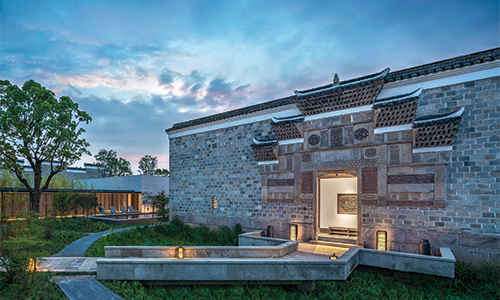
    This is a story of protecting ancient trees and buildings with a deep reverence for culture and life. It is the story of Amanyangyun

    On the outskirts of Shanghai, amidst a flourishing forest of camphor trees, stands Amanyangyun – Aman’s fourth destination in China, a picturesque retreat embodying the essence of Chinese spirituality, introspection and beauty with dozens of re-mastered Ming and Qing Dynasty houses. But the old trees and the buildings are not Shanghai natives, they come from other distant parts of China to escape the impact that accompanies development. They were rescued to serve as the setting for one of the most unusual hotel resorts in the world.

    In 2002, a decision was made to build a reservoir in a historic rural area near the city of Fuzhou in Jiangxi Province to the west of Shanghai. The result was that three counties would be submerged and the ancient trees and buildings that were central to the rich culture of the area would disappear forever. At that time, Mr. Ma Dadong, a young entrepreneur born in Fuzhou, returned home from Shanghai and saw that some of the big trees had already been cut down and he was shocked.

    He made a bold decision to save the big trees and the old buildings by moving them to Shanghai and finding a home for them. A preservation campaign thus began, aimed at protecting history, culture, Nature and Life. Mr. Ma put aside his real estate business, and fully committed to the project of migrating the huge plants and the classical buildings, thereby becoming a firm protector of cultural folk heritage.

    But the project didn’t go as smoothly as had been imagined. In addition to a huge input of human and material resources, many doubts and questions arose from those people involved and unforeseen difficulties and dangers proved to be a great challenge. 

    Mr. Ma invited experts and specialist in botany and ancient architecture to join the team and he visited various regions and sought support from the local governments. Most of all, the team strove to gain the approval from the local villagers with sincerity.

    In order to ensure the survival rate of the trees as they were transported over hundreds of kilometers, the team was attentive to every detail. Before moving a tree, first a circle of grooves was dug around the base and filled with fertile soil to cultivate a new root system. While digging out a tree, it was necessary not only to cut off the main branches, but also to bring soil together with the tree and wrap the trees with cotton and bamboo strips to protect the bark. In the specific process of transportation of the trees, huge problems we were encountered.

    A tree uprooted with soil and root can weigh tens of tons and the trucks needed to carry such a weight were too heavy for the village roads to bear. Moreover, in many places, there were no roads or bridges, so they had to expand the road and build temporary bridges. Sometimes, iron bridges were washed away by sudden mountain torrents and the ground collapsed on days of heavy rain. Even though the team was very careful, still many accidents with trucks turning over took place. Every time an overturn occurred, a large crane would come to hoist the tree to another truck and continue the journey so that the tree could be planted back into the earth as quickly as possible. There were also many other problems such as bridge openings being too low and toll gates being too narrow. Then, they had to dig the ground more deeply, or demolish walls and pave roads so that the trees could pass through smoothly. 

    By 2005, thousands of camphor trees had successfully been moved to Shanghai. During the three-year migration process, the team used scores of heavy loading vehicles, paved hundreds of kilometers of temporary roads, built more than a dozen temporary metal bridges, and made more than a thousand trips with the original soil of Jiangxi Province to Shanghai to nourish the transported trees. At the same time, the component sections of the ancient village buildings were also transported and the first ancient house was successfully re-built in Shanghai in 2005.

    Upon arrival in Shanghai, the big trees were immediately re-planted, carefully confirmed to be facing in the same direction as they had been in Jiangxi. The original soil was delicately mixed with the local soil in precise proportions. Even so, it was still questionable whether the trees could adapt to the new location. Again heard doubting voices arouse from all around.

    But with the attentive care of the team, the trees began to take root and sprout. Every means was used to improve the soil, the trees were fed with nutrient solutions, and bamboo was planted around the trees to loosen and moisturize the earth. After three years, more than 80% of the trees had survived and were growing vibrantly.

    Mr. Ma likes to stay with the big trees and listen to their voices – their delight of gaining a new life again.

    Meanwhile, at the other end of the world, Mr. Adrian Zecha, founder of Aman Group, had for over a decade been looking for an ideal place in Shanghai to build an Aman resort, yet had failed to find one. In 2009, he came to the garden where the ancient trees and houses were located. Touching the mottled trunks and green bricks, Mr. Zecha was deeply moved and immediately decided to bring Aman here. An international architects team led by Kerry Hill and a professional Chinese team began their partnership on the planning and designing of Amanyangyun. Mr. Ma’s only hope is that people are able to see the work in 500 years’ time.

    Then, there was an interaction, absorption and integration of Western design concepts and Chinese traditional architectural art. The result is a great piece of work that not only meets the comfort requirements of contemporary architecture, but also conforms to the principles of ancient Chinese culture and tradition. In 2011, the hotel officially commenced construction.

    Today, every guest who sets foot in Amanyangyun can sense the unique atmosphere here which is imbued with the wonders of life and history. The whole area is filled with camphor trees and lakes, amidst which stand majestic ancient buildings that have been transported and rebuilt brick by brick. Wood, stones and bamboo poles were the main construction materials of yore, and they deliver a natural and tranquil atmosphere. Whether you are enjoying Chinese art in Nanshufang or taking a dip in the swimming pool, the color green will unfailingly soothe your eyes and soothe your mind. Going outside and wandering amidst the trees, you will forget where you are and get lost in the river of history. Located in the courtyard garden, the Spa & Wellness Center is the heart of the journey of tranquility and well-being.

    “We humans live at most 100 years, and we are just passers-by under the trees,” Mr. Ma said. It is this love and awe of life that fulfills the miracle of Amanyangyun.

    The guests of Amanyangyun and those who hear of this story are witnesses of this defense of life and culture. Mr. Ma shared his thoughts with us: “Just as Chuang tzu said, true beauty is a result of refinement through the ages.”

  • 让生命与历史延续

    让生命与历史延续

    不计成本对大树古宅的守护,文化的传承,内心的坚守,养云安缦的故事已经是行业的传奇

    上海市郊,养云安缦酒店内及周边区域,万棵香樟掩映着几十座明清古宅,一派安宁祥和,承载着历史之厚重。这些宅子历经了几十代家族的传承,但他们并非生于此地,却是来自遥远的江西抚州。他们的到来不仅是为了作为酒店的布景。

    2002年,抚州市的廖坊水库确定开工,意味着几十平方公里内的三个县将被淹没,这里的大树、古宅或就此消亡。那时,出生于抚州的企业家年轻的马达东先生,从上海回到家乡,眼见着有些大树已开始被砍伐,他深感震惊也很是沉重。

    于是,马先生做出了一个大胆的决定,拯救大树古宅——移到上海,重新为他们找一个家。一场对历史、文化、自然和生命的守卫旅程就此开启。之后,马先生放下了自己的地产事业,全心投入到迁移工程中,化身为一位坚定而执着的民间文化遗产保护者。

    工程在同年开始,并没有想象中顺利。人力、物力的投入,以及旁人的质疑,过程中的诸多困难,甚至是绝境,这些都是不小的考验。

    陆续邀请到植物专家,舟桥专家,古建筑专家加入团队的同时,马先生拜访各地、各级政府寻求保护政策和支持,用真诚打动当地村民。为了保证树木迁居后的存活率,团队在每一个细节上都小心翼翼。

    移树之前,他们先在大树周边挖一圈槽,填上肥土,待培育出新根系,才断主根移动。挖树时,不仅需把多余的枝桠剪掉,以减少消耗,同时带上泥土,并用棉絮、竹片包裹树木以保护树皮。具体运输过程中,更是经历了重重艰难。

    一棵大树截枝、带泥土根系后重达几十吨,乡间小道小桥难以通过大型载重车辆,不少山沟里还没有道路和桥梁,他们不得不拓路架桥。有时,铁桥会被突如其来的山洪冲垮;装载着大树的卡车万一碰到暴雨造成的地面下陷,将令搬运工作陷入险境,即使团队很多小心,仍不可避免地发生了数十起翻车事故,每次都是大型吊车赶来,将大树吊到另一辆车上继续运输,一切都是为了让大树在最短的时间内被栽回土中。还有诸如桥洞过低、收费口过窄等问题,挖地三尺、或拆墙铺路,无数耗财费力的工程,都只为能让一棵棵大树顺利通过。   

    到2005年,上万棵香樟都被纷纷运到了上海,在这三年多的时间里,团队动用了几十辆重型装载车,铺设了上百里临时道路,架设十余座临时铁桥,运送了上千车次江西的原土。与此同时,古宅的抢运工作也完成,并且第一栋古宅成功复建。

    抵达上海后,大树立刻被种下,朝向保持与原来一致,将之前的泥土与上海本地土壤按照比例混合填埋。即便如此,这些大树能否适应新的土壤,没有人敢打包票,周遭也传来各种质疑的声音。

    然而,在团队的精心养护下,大树开始冒出新芽。他们在新栽的树下用竹管密密麻麻地钻眼灌粗砂透气,改良土壤,为大树挂吊瓶输营养液;在树周围植上竹子,疏松土壤,透气保湿。又过了三年,大树八成多都活了下来,繁茂生长。

    马先生喜欢和大树呆在一起,似乎能听见他们的心声,他说:“我似乎能感受到这些大树重获新生的欣喜”。

    与此同时,在世界的另一端,安缦酒店集团的创始人Adrian Zecha先生从十年前开始就希望在上海寻得一处人文佳境打造安缦度假村,却一直没有找到。2009年,他慕名来到了古杉园林,抚着斑驳的树干和青砖,深受震撼,他找到了一直在寻觅的理想地点,于是立即决定将上海的安缦定在了大树边上。随后,Kerry Hill带领的国际设计师和中国设计师开始合作开启养云安缦的设计研究,马先生下达指示:“我希望五百年以后,还能看到这些建筑。”西方设计理念与中国传统建筑艺术不断碰撞、吸收、融合,既满足当代建筑的舒适性需求,又遵循了中国古文化传统。2011年,酒店正式开工建造。

    而今,每个踏足养云安缦的客人都能感受到这里不一样的关乎生命和历史的气息。樟树与湖泊环绕,古宅的一砖一石经重新整理和组合,构建出安宁雅致的空间,以木、石、竹为主要的建造材料,透过窗格屏风,投影出斑驳宁静的光影。笔墨间茶香氤氲,大树将涌动的绿意跃过每一道缝隙映入眼帘。来到室外,徜徉于苍翠葱郁的古木林中,仿若超越时空的局限,探寻生命的开端。坐落庭院花园中的安缦水疗更加深了这片宁静之蕴意,将外观之所见,情思之所寄和身心之疗愈完美结合。

    “我们的生命最多不过百岁,我们只是树下的过客。”正是这份对生命的热爱和敬畏,成就了这生命的奇迹。

    今时,无论是入住养云安缦亲访大树林的客人,还是耳闻故事尚未前往的听者,都是这捍卫生命与文化的见证人。“老庄所言:美成在久,真正美好之物,必经年岁之打磨。”马先生说。

  • A Healthy and Joyful Lifestyle Platform

    A Healthy and Joyful Lifestyle Platform

    Interview with Ms. Sun Yuxuan, the President of Sheenjoy Health and Wellness Tourism Group

    Positioned as high-end vacation resorts, Sheenjoy hotels are located in unique destinations with stunning scenery and rich natural resources, aiming to provide guests with joyful and healthy holiday experiences. Though a relatively new brand, with its continual development and steady operations, Sheenjoy has become a trustworthy choice in the hospitality industry. Now, Sheenjoy is beginning to shift to the health care industry and has plans for dozens of wellness tourism programs that target the market demand, further driving the active and healthy development of the health industry.

    Sheenjoy Health and Wellness Tourism Group’s president Ms. Sun Yuxuan is the sole figure behind the company’s success. With a master’s degree in Business Administration from Tsinghua University and a bachelor’s degree in Economic Administration from Fudan University, Ms. Sun has been dedicated to real estate and the hospitality industry since the 1990s. In 2005, she established the first Sheenjoy hotel – Kunming Anning Spring Soul Garden Spa & Resort. Afterwards, she created various influential business modes such as Sheenjoy Health, Sheenjoy Wellness Tourism, Sheenjoy Senior Migratory Living and Health Maintenance Vacation. SpaChina interviewed her to learn more about her current wellness campaign in China.

    How does Sheenjoy differentiate itself from other wellness resorts?

    Our vision is to create a place where guests can talk with their inner self and pamper their mind and soul. So with all our hearts, we keep pursuing perfection in every aspect, from design and construction to operations and service, aiming to set a premium and romantic brand image.

    Sheenjoy hotels has more family guests than other resorts. What are the particular requirements of China’s family guests in terms of hotels and resorts?

    It is true. From the very beginning, we have created two sub-brands for Sheenjoy Hotels to target different guest groups. One is Sheenjoy and the other is Sheenjoy YI. The former is precisely a leisure vacation resort brand designed for Chinese middle-class family guests, while the latter offers body-mind pampering and a recovery experience for high-end consumers both home and abroad.

    The pillars of Sheenjoy’s family guests are young parents normally ranging from 20 to 35 years old. They enjoy spending vacations together with other family members on weekends, holidays and festivals. So they usually prefer the resorts which can offer multiple facilities and services to cater to the needs of both old and young. They prefer a relaxing style of the hotel’s interior design. And they have higher demands on the comfort level of the hardware facilities and everything the hotel offers. 

    What services and facilities do Sheenjoy hotels offer to the elderly and children? What development potential do you see with those two markets?

    Both of these two markets have great potential in China’s hospitality industry. Almost all inland investors and resort operators have realized this. For children, in addition to offering a homey interior and highly comfortable appliances, we also create dedicated theme rooms for kids such as CAT, BABE BEAR, and other services including a children’s park, DIY studio, painting and calligraphy center, reading room and hot spring pools. In the restaurant, we have children’s DIY cooking lessons. For elders, we have created special rooms for them to live in both medium and long term. In these rooms, there are skid resistance and anti-collision facilities and emergency buttons. We also offer laundry and room cleaning services for them. Other facilities for elders include a senior care reception center, recreational center, a canteen with a tailored menu, music and dance studio and fitness center. Apart from these, we have a health and wellness center, hot spring center, organic farm and more for all guests to enjoy. It is our goal to become a vacation platform of joy and health which is the first choice for family vacation guests.

    Wellness Tourism has been flourishing rapidly in China in recent years. From your perspective, what are the characteristics of wellness tourism compared with traditional leisure tourism?

    The biggest difference between wellness tourism and traditional leisure tourism is that the former has the goal of improving body and mental conditions while the latter is for mere recreation. Every aspect of wellness tourism is designed around health improvement including destination selection, design and construction, functional planning, business models, service modes, and etc.

    What guest groups do Sheenjoy Wellness Tourism projects target?

    Sheenjoy wellness tourism projects mainly target modern elite groups who suffer from sub-health conditions. They are usually well-educated, affluent, and are specialists in a certain area. They are also passionate about social public affairs and make endeavors to push forward society’s progress. However, due to their busy work schedule and burdens of life, they also suffer from various discomforts of body and mind. So they not only hope for a leisurely trip but also desire to be healed during the journey.

    What role does Sheenjoy hotel and spa play in its wellness tourism projects? How do you integrate them with other resources to offer a more comprehensive wellness tourism project?

    Sheenjoy’s wellness tourism is developed based on consumers’ increasing attention to and pursuit of health, as well as the increasing market segmentation. We study and search for the most suitable destinations for wellness experiences. We also take into consideration the travel habits and health demands of our guests, and then develop a series of wellness tourism programs for joyful and healthy experiences.

    As China’s aging population keeps rising, elderly people are often the target of wellness projects. Has Sheenjoy developed any tourism or real estate project to target this group?

    Yes, we have senior care and living programs especially designed for elders between 55 and 75 years old who can walk and move freely. Now we have accomplished 36 senior care retreats and 3 wellness resorts nationwide. As a result, more elders can set off on their wellness journey any time they want. We offer butler services for each elder throughout the program.

    Two years ago, the national and regional governments launched many policies guiding and supporting the construction of wellness projects. Do Sheenjoy wellness tourism projects conform to the guidance of these policies?

    Definitely. Our projects are in high consistency with the core spirit of these wellness policies. Yes. In the last couple of years, both the national and regional governments have issued many standards and outlines to promote the development of China’s wellness industry. Among them, the Healthy China 2030 Plan issued by The Central Committee and State Council in October 2016 calls for developing new modes of health services and actively enhancing the integration of health, senior care, tourism, internet, fitness and food. The Plan also advocates developing the health & culture industries, setting standards and regulations for health and medical tourism, creating internationally competitive health and medical tourism destinations, rapidly developing TCM tourism, as well as developing quality brands and industrial clusters prospering in virtuous circles, and supporting the development of medium small and micro-sized enterprises. To respond to the call, Sheenjoy has launched “Sheenjoy Wellness World” for all those who love and pursue healthy lifestyles. We focus on a holistic health and joy of body, heart and soul and therefore have tailored a series of health products such as health tour and wellness vacations. We want to make people healthier and happier and our vision is to become a global healthy lifestyle platform. We have developed four core businesses: wellness tourism, senior migratory living and health maintenance vacation, integrative health and health education. We have already debuted several product lines including Sheenjoy Wellness World, Sheenjoy Medical Hot Spring, Sheenjoy Seasonal Wellness SPA and Sheenjoy Senior Migratory Living and Health Maintenance Vacation, as well as 20 Sheenjoy wellness retreats. So undoubtedly, Sheenjoy has been totally consistent with the wellness policies of the government. 

    What plans do you have for the future development of Sheenjoy Wellness Tourism?

    Sheenjoy hopes to become a premium healthy lifestyle platform through continual study and exploration. We want to make people healthier and happier.

    What wellness projects by Sheenjoy are most popular in China?

    Generally speaking, we are still at the initial phase of the transformation to wellness industry. Most of our projects will be accomplished in 2019. At present, many of our 3-day-2-night wellness vacation programs, 7-day-6-night senior living programs and senior care programs are most popular among guests.

     

  • 快乐健康的生活方式平台

    快乐健康的生活方式平台

    访心景康养旅游集团董事长孙雨玄女士

    心景康养旅游集团旗下的心景酒店品牌定位于高端城市休闲度假酒店,两处度假村分别坐落于重庆缙云和昆明安宁,本着“景自心造,境由心生”的理念,结合目的地丰富的自然资源,尤以家庭亲子设施服务为特色,将对快乐与健康的追求融于每一个细节。虽起步较晚,但凭借合理的市场策略,稳打稳扎的建造和运营,业已成为业内值得信赖的口碑品牌。如今,心景开启了向康养行业的转型,依托多年的度假村运营经验和硬件积累,进一步针对市场的养生需求,规划康养旅游项目,推动着行业的积极健康发展。

    心景的成功离不开集团董事长孙雨玄女士的努力。毕业于复旦大学经济管理专业,并获得清华大学工商管理硕士学位,孙女士自90年代初起便积极投身于房地产和酒店行业,于2005年创立第一个心景酒店品牌—安宁心景花园酒店,并开创了心景康养产业、心景养生旅游、心景旅居养老等商业模式。SpaChina采访了这位智慧女性,听她分享更多精彩的康养形态。

    在度假村的开发建设上,心景与其他养生度假村相比,有哪些与众不同之处?

    心景,从其名称不难想到我们对这个品牌所寄于的希望,是一个能与人的内心对话的场所及能够盛放心灵的空间。所以尽管最初阶段的心景度假村与我们追求的境界还有很大的距离,但是本着“景自心造,境由心生”的开发理念,我们从设计建造和经营服务方面始终都追求格调精致、休闲浪漫的品牌调性。

    相较其他度假村,心景似乎更受到家庭客人的青睐。据您观察,中国家庭式度假客人有哪些需求?

    是的,心景是个起步较晚的中国酒店度假村品牌,创立时便规划了两个针对不同客群的子品牌,一个是“心景”,一个是“心景”,

    “心景”就是针对中国中产阶级家庭消费为主的休闲度假品牌,而“心景”则是针对中国本土及国际市场的高端消费者的身心休养品牌。

    中国式家庭度假客人集中在20岁至35岁以下青年及青年家庭,他们的消费一般集中在周末和节假日的休闲放松及全家度假的度假旅游。所以特别对度假村的建筑风格及室内空间是否使人心情放松、身心休闲,娱乐设施是否满足家庭、小孩及老人的多样化玩乐、餐饮特色服务、房间的特色及舒适度等有更高的要求。

    心景度假村针对老年人和孩童这两大市场提供了哪些特色服务和项目?您觉得这两个市场的发展潜力如何?

    首先,针对家庭小孩及老人的休闲度假市场非常广大,发展潜力巨大,这一点在中国并不难被所有投资者和度假村经营者想到看到。心景为家庭小孩在休闲度假客房设计和服务上,除了必须满足不同于家又有家的感觉的空间设计及舒适度以外,在经营中逐步增加了部分专为年轻家庭提供的亲子主题客房,比如CAT猫、贝贝熊等亲子客房及相应服务,主题儿童乐园、DIY工坊、书画体验中心、阅读空间、温泉嬉乐设施等,在自助餐也增加了许多儿童DIY制作食品项目。而针对家庭老人,我们更是专门改造了部分适老客房,为来自全国各地的旅居养老的活力老人提供的可中长期居住的客房,房间里面除了有必备的防滑防撞和应急呼叫设施而外,还有专为他们提供洗衣晾晒、清洁设施及服务,度假村配套了专门的养老接待中心、文化娱乐活动中心、乐养食堂、音乐舞蹈室、康体运动中心等,以及为所有客人提供的健康养生中心、温泉疗愈中心及相应服务,还有有机开心农场。所以心景将成为以快乐健康为经营理念的家庭休闲度假品牌。

    近年来,在中国,各类康养旅游项目如雨后春笋般涌现。在您看来,康养旅游与传统休闲旅游的不同之处是什么?

    康养旅游与传统旅游最大的不同就在于,康养旅游是以改善身心健康状况为目的的旅游,而传统休闲旅游是仅以休闲度假为目的的。康养旅游在目的地选址、目的地设计建造、功能规划、经营服务项目、经营模式、服务方式等都是围绕健康及健康改善来设计的。传统的休闲旅游只需针对不同消费者的休闲娱乐需求来设计建造。

    能否与我们分享一下心景康养旅游的主要针对群体是谁?

    康养旅游主要针对城市亚健康精英群体。他们具备一定文化知识水平;拥有中产及以上水平财富;在某些领域里形成了自身的技术或业务优势以及对社会公共事务有一颗热衷的心态,并付诸行动的一群人。他们也常常因为繁重的工作和生活或多或少出现各类身心不适问题,十分渴求在放松的旅程中同时体验到身心修养项目,心景的康养旅游十分适合他们。

    心景是如何利用自有度假村、水疗品牌,同时整合其它资源,来开展康养旅游项目的?

    心景的康养旅游是建立在消费市场的分化及所有消费者对健康的重视及追求基础上的。分析及寻找世界上符合康养目的地的地区目的地,将之与心景了解的有较高健康诉求的客群的旅游习惯与健康改善目标诉求结合起来,创造的一系列寓旅游于养生,在旅游过程中疗养身心;寓养生于旅游,在养生过程中愉悦身心的项目!

    中国社会老龄化加速,老年群体在康养项目中的地位至关重要,心景是否(合作)开发了针对老年群体的旅游或地产项目?

    心景康养旅游集团核心业务除了康养旅游外,还有专门针对退休后55岁至75岁之间行动自由、自如的活力老人的全球健康旅居养老服务,目前已完成全国36个旅居养老基地和3个康养基地的布局,可以为活力退休老人提供说走就走的全球快乐健康,全程管家旅居养老服务。

    从2年前开始,国家频频推出康养发展相关政策,心景的项目是否与这些政策的核心精神相契合?

    是的。2016年1月国家旅游局发布《国家康养旅游示范基地标准》、2016年2月国家林业局印发《关于启动全国森林体验基地和全国森林养生基地建设试点的通知》、2016年4月国家林业局印发《中国生态文化发展纲要(2016-2020年)》、2016年10月中共中央国务院印发《“健康中国2030”规划纲要》、2017年和2018年中央一号文件等均体现出国家对康养发展的重视程度。其中《“健康中国2030”规划纲要》指出发展健康服务新业态,积极促进健康与养老、旅游、互联网、健身休闲、食品融合,催生健康新产业、新业态、新模式;培育健康文化产业, 制定健康医疗旅游行业标准、规范,打造具有国际竞争力的健康医疗旅游目的地,大力发展中医药健康旅游;打造一批知名品牌和良性循环的健康服务产业集群,扶持一大批中小微企业配套发展。我们心景聚焦亚健康的愈发普遍问题,为热爱生活、注重健康的客群打造全新的“心景康养世界”,关注身心灵全面健康快乐,定制健康旅游、康养度假一系列服务产品。心景以使人更加健康、让人更加快乐、活得更加幸福为使命,以成为全球最佳健康生活方式平台为愿景,打造康养旅游、快乐健康旅居养老、全域健康和健康教育四大核心产业。目前已拥有多家心景康养度假世界、心景医疗温泉、心景四时养生SPA、心景旅居养老等产品线以及全国20个心景乐养旅居基地。可见心景的步伐与项目与国家推出的一系列康养政策核心精神相吻合。

    心景在康养旅游的项目上有哪些未来规划?

    心景希望在不断的学习探索中成为一个最佳健康生活方式的平台。使人更加健康,更加快乐,活得更加幸福!

    心景的哪些康养项目是比较受欢迎的?

    心景目前总体来说是在转型康养产业的起始阶段,大部分的项目是在2019年逐渐落地,目前大部分的3天2晚养生度假项目、7天6晚长者乐活之旅,以及旅居养老项目是得到许多消费者喜爱的。