Category: Interview

  • Flexible and Responsible

    Flexible and Responsible

    An interview with Ms. Nora Sun, General Manager of Park Hyatt Ningbo Resort and Spa

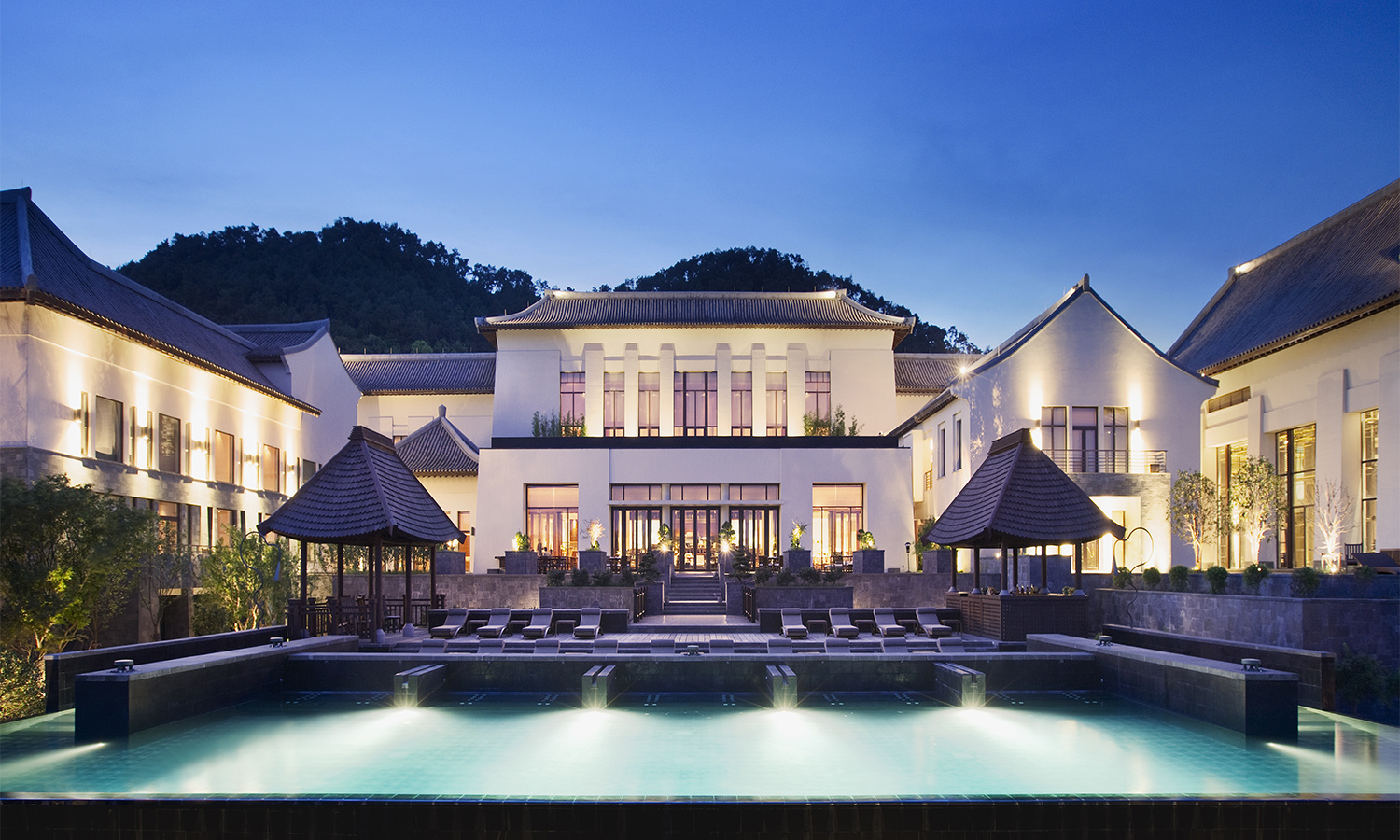
    Leaning against green mountains and facing the vast waters of Dongqian Lake, rows of low-rise mansions with black roofs and white walls quietly tell the story of the ancient Jiangnan region. This is the first resort hotel of Park Hyatt in Greater China – Park Hyatt Ningbo Resort and Spa. The ingenious space design invites the picturesque surroundings into the hotel to the maximum and at the same time represents the consistent delicate and modern style of the brand. In addition to beautiful guestrooms with lake views, everything in the hotel works together to create a unique experience for the guests, from the Dining Room that features a show kitchen, the Sea House with individual pavilion-style private dining rooms, the Tea House that offers Chinese and Western tea as well as Kun Opera, as well as the grand ball room and seven conference rooms, state-of-the-art fitness center, indoor heated pool and outdoor pool by the lake, and the pampering SPA.

    SpaChina interviewed Ms. Nora Sun, the General Manager of Park Hyatt Ningbo Resort and Spa, on hotel operations in the post-epidemic era. A graduate in Business Administration and Hospitality Management, Nora has accumulated rich experience in the hospitality industry. She worked with several hotels in Switzerland before joining the Hyatt family in 2007 when she took the post of sales director at Hyatt Regency Dongguan. In 2011, she began to work for Park Hyatt Ningbo Resort and Spa and then joined Grand Hyatt Lijiang five years later as hotel manager. In 2018, she was back to Park Hyatt Ningbo and was appointed as the General Manager of the hotel. 

    During the coronavirus outbreak, the global hospitality industry has experienced a difficult time. As the hotel General Manager, could you share with us any stories in the hotel during this period?

    After the outbreak, we paid close attention to how the epidemic situation would develop. Meanwhile, we actively responded to the call of the government and adjusted our business hours, closed some public areas to ensure the health and safety of the guests.

    Also, we have strictly followed the guidance and operation requirements issued by the Hyatt Group on dealing with COVID-19, and accordingly adopted a series of prevention measures. During the process, we also received great support from the property owner from the purchase of prevention materials to daily operation work. They assisted us to tide over the most difficult time.

    With the support of the owner, and according to the requirements of Ningbo Dongqian Lake Resort Area, we orderly carried out our work after the outbreak, from temporarily closing the business, restoring business to supporting public’s anti-epidemic work. In February, the hotel’s management team visited some nearby anti-epidemic checkpoints such as Jianshe Village and Taogong Vilage with fruits, drinks, homemade pastries and other materials to extend our sincere thanks to the staff at the frontline. In March, representatives of the owner company, the hotel management team and Dongqian Lake Management Committee went to Ningbo Health Commission together to send their greetings and thanks to the medical representatives, and presented gifts to the 310 medical staff who had gone to Hubei for medical support on behalf of Ningbo. The property owner has always been working together with the hotel staff and local communities to prevent and control the epidemic spread, and make the hotel and the resort area a pleasant place where the employees feel proud to work, guests are willing to come and people are happy to live.

    How do you carry out quick response to the outbreak? What have the hotel and staff done?

    After the outbreak, the hotel immediately took measures to prevent the epidemic. We checked every employee’s activity track, recorded down their health status every day, enhanced the cleaning and disinfection work of employees’ dormitory. Also, we permitted guests who had made reservations before the outbreak to change their check-in date or cancel the reservation free of charge. Our F&B and housekeeping departments offer non-contact food delivery and room services to guests. Though we closed the spa during the outbreak, the spa staff still actively supported the work of other departments. For instance, our spa therapists delivered Tuina treatment to the staff who were on duty during the outbreak, helping them reduce fatigue and relax the body and mind.

    How do you receive guests in a safe and orderly manner during the post-epidemic time?

    So far, our guest flow has been restored by 70%-80%. In order to guarantee guests’ health and safety, we have adopted many effective prevention measures. For example, we did a deep cleaning and disinfection to all the facilities, equipment, utensils in the kitchen. We also did a deep cleaning and disinfection to all the guestrooms. We increase the cleaning times to public areas especially the elevators’ buttons and doorknobs. We require every staff to wear masks when they receive and serve the guests. We measure every guest’s temperature and confirm their “green code” and make sure that they wear masks before they enter the hotel.

    Concerning the guests at present, where do the major come from? Why do they choose Park Hyatt Ningbo Resort and Spa?

    Influenced by the epidemic, most of the guests now are from neighboring areas like Jiangsu, Zhejiang, Shanghai and regions around Ningbo and many of them are families. As the summer vacation comes, the consumption power that has been stored during the pandemic is now released. One big reason for people to choose us is our location inside Dingqian Lake resort area. The lake view is amazing and the air is very clean due to the low population density. It is truly a land of purity away from the bustling downtown.

    As our business sectors reopen one by one, guests can again come to enjoy our high quality services. Tea House and Red, transformed from buildings with long history and profound culture, respectively dated back to 500 years and 700 years ago, are the most popular places among the guests. Our Seafood House is the only two-diamond restaurant awarded by Black Pearl Restaurant Guide in Ningbo. Many guests come to visit it for its widespread reputation and are quite satisfied with the dishes here. The afternoon tea at Dining Room has always been praised by the guests. After the outbreak, we require visitors to make reservations one day in advance in order to control the guest flow and guarantee the dishes’ quality and a pleasant dinning environment as well. In addition, the hotel tries to bring wellness lifestyle to guests through spa services and other programs such as yoga, taichi, morning jog and biking around the lake. These activities not only benefit the body and mind, but also improve the whole stay experience.

    Many people predict that there will be a greater demand on health-related business in the future. What’s your opinion?

    The coronavirus outbreak changes many people’s health habits. After the outbreak, people pay more attention to their health and decide to start from keeping early hours. This is very good. A healthy body is the foundation for a better living quality and being fruitful in one’s career.

    So we design different activities to help guests stay fit during their stay including morning jog, yoga, biking around the lake and more. Meanwhile, our SPA features 7 treatment rooms where guests could enjoy a range of high quality treatments to enhance both their body and mental wellbeing. The hotel also introduces many destination activities such as boat sightseeing, Mt. Fuquan tea tour and horse riding at the local riding academy.

    As a hotel management veteran, could you give any advice and suggestions to the industry peers in terms of their present work and future development?

    The entire global hospitality industry is hit hard by the epidemic. Though China has done a very good job in dealing with the outbreak and many businesses have been restored now, the epidemic hasn’t yet completely over in China, so we need to be cautious.

    Yet I believe, in every crisis lies opportunities. As a traditional service business, hotels need learn to be more flexible in face of changes. When crisis comes, we should adjust our business strategies quickly and correctly. Refusing to adjust or staying ignorant of the existing crisis will bring your business into troubles. On the contrary, if we embrace a positive mentality, react quickly and adopt new operation modes, we will be able to turn crisis into opportunities. Anyway, hotels are densely populated places, so we should always stay alert before the pandemic is completely over.

    Now we see a consumption rebound, we can adjust our operation modes accordingly, but there are something that we should never compromise – the safety of guests and staff, along with the quality of our products and services.

  • 持续打造个性化体验

    持续打造个性化体验

    访西安丽思卡尔顿酒店总经理Patrick Weder先生

    经典的庭院设计与现代风格相互交融,西安浓厚的文化精髓以摩登手法巧妙诠释,去年刚刚开业的西安丽思卡尔顿酒店融古贯今,作为城市新地标,展现着永恒经典的优雅风范。

    酒店总经理文睿珂(Patrick Weder)先生来自瑞士,毕业于瑞士洛桑酒店管理学院并精通五国语言,拥有超过22年在不同国家的从业经历。他于2001年加入丽思卡尔顿酒店集团,在坎昆丽思卡尔顿酒店担任餐厅经理,自此在全球不同的丽思卡尔顿酒店担任管理要职,包括迪拜、印度尼西亚、马来西亚和中国等。他秉承为宾客打造高品质个性化服务的宗旨,深刻诠释丽思卡尔顿品牌匠人之心的精髓及自然、友善、优雅的格调。如今,文睿珂先生正带领西安丽思卡尔顿酒店团队寻求更多突破,为西安奢华酒店及服务标准树立新典范。SpaChina采访了这位经验丰富的资深酒店管理者,听他与我们分享酒店业该如何在疫情后迎来新突破。

    全球酒店业都受到了新冠疫情的影响,西安丽思卡尔顿酒店的情况如何?

    国内疫情爆发正值春节前夕,当时所有的酒店都严阵以待准备迎接春节黄金周的客流高峰,我们西安丽思卡尔顿的整个团队也都留在酒店中,包括我本人。我觉得自己很幸运,由于当时酒店管理层都在西安,使得我们能够更加顺利高效地执行一系列针对疫情的措施,并与客人和员工进行及时有效的沟通。

    疫情爆发后,您们做出了怎样迅速的调整?

    疫情爆发后,我们和西安当地政府进行了及时的直接沟通,并做出非常迅速和有效的调整。我们的同事们在各方面都进行了大量的沟通工作,并努力将各项措施严格执行。疫情爆发十天后,酒店客房已全部清空,只剩下我一名住客(我一直住在酒店)。在歇业期,我可以继续照看酒店。不管怎么说,酒店并不算完全关闭,因为至少还得有些人在那里保障酒店的安全、机器的正常运转,比如安保人员和工程师。

    我们将大多数外地员工们都安置在了酒店附近的宿舍内。酒店餐厅厨师Hogan在疫情期一直负责为大家烹饪食物,让我们非常有满足感。这大概是为什么不少员工都反应在这段时间体重增加了不少。

    疫情后您们是如何安全有序地展开工作的?酒店生意目前恢复了几成?

    重新开业后,客流量最大的是酒店餐厅。我想,一方面是因为酒店的餐厅在酒店开业后的这一年里已经在当地颇具声望,另外还有一个重要原因是,Matthew主厨与他的厨师团队们执行了严格的卫生标准,这不管是在疫情爆发前还是疫情期,以及将来都将是我们最为看重的方面。我们的餐厅一直以来都有采取很严格的卫生措施,疫情期间当然更加不会懈怠,比如厨师必须佩戴手套和口罩。无论什么时候,卫生和食物安全都是厨师们最关注的事情。

    同时,我们也逐渐开始接待更多商旅和休闲客人,后者主要在周末光临。因此我们的SPA和健康俱乐部的生意也得到了恢复。由于人们对于环境的安全卫生条件比以往更加重视,水疗总监Sabrina积极组织了一些提升个人健康和关怀类的活动,吸引了许多当地城市客人在周末造访酒店的水疗中心,享受健康旅程。

    疫情后造访酒店的客人主要来自哪里?酒店为客人提供了哪些相关服务?

    新冠疫情转变了人们对于自身需求和自身健康的态度。疫情过后,越来越多的客人拥有了更强的健康养生和自我关爱意识。首先我自己就认为该好好地款待自己,相信很多旅游者都和我的想法一样。这么长的居家禁足之后,理当自我犒赏一番,因此很多人就会选择到奢华酒店体验几天。在餐饮方面,我们观察到一个有趣的趋势——越来越多客人希望寻找有独特价值的体验,于是,在餐厅户外露台享用下午茶就成为了许多客人的必选项目。另外,来自中国本土的行政主厨Alan Chen前不久刚刚推出了以新鲜清爽原料为主打的夏日菜单。Alan Chen主理粤菜,而这份夏日菜单的灵感则来源于他在海南工作时的经验,以清爽的菜式为主,同时注重原料的高营养价值和维生素含量。

    在接下来的一个月,我们会继续创新,为客人打造更加独特的体验,同时坚持品牌“我们以绅士淑女的态度为绅士淑女们忠诚服务”的座右铭。

    人们都说疫情后对健康养生的需求将愈发提升,您怎么认为?

    我也相信,在未来数月,客人对健康养生的需求会继续攀升。如我前文所提到的,即使在疫情爆发前,酒店就很关注养生。不过,我们必须继续设计和打造更加独特、给客人带来实质改变的项目。另外,一个正确的环境和活动内容本身同样重要。在西安丽思卡尔顿酒店,客人们能感受到宾至如归的亲切感,与此同时享受到无微不至的服务。酒店的客房设计由Peter Remedios担纲,他将简洁现代的线条设计与当地元素结合,让客人们感受到深深的归属感和放松感。

    作为一位资深的酒店管理者,请给行业同仁们一些建议吧。

    酒店行业属于服务业,所以我们的核心还是竭力为客人提供最好的服务,特别是在如今的后疫情期,坚持这一原则非常有必要。同时,打造高品质的项目也很关键,这无论对于酒店、品牌还是任何行业来说,都会最终增加客人体验的附加值,从而建立客人对我们的信任,收获更大的回访率。

  • Investment in a Startup Nation

    Investment in a Startup Nation

    An interview with Mr. Oded Uni, Partner with Gornitzky & Co

    With a small size of only 25,000 square kilometers, Israel still leads the global hi-tech industry, especially in the medical field, which has attracted the attention of numerous China’s investors. With the increasing demand for advanced medical technology from the China market, there is a continual rise of cooperation between the two countries. SpaChina interviews Mr. Oded Uni, Partner with Gornitzky & Co, who explains from a professional perspective Israel’s hi-tech industry and the current status of Sino-Israel cooperation.

    Mr. Uni has diverse experience and intimate acquaintance with all aspects of the Hi-Tech industry, handling a variety of legal and commercial affairs from startup inception stages to addressing mature company needs and ultimately, representing companies at the “exit” phase, such as M&A and IPO. Mr. Uni specializes in the world surrounding the Hi-tech ecosystem, with an emphasis on the Fintech and Medical Aesthetic industries. Prior to joining the firm, Mr. Uni served as General Counsel of a leading global medical aesthetic company.

    Please introduce Gornitzky & Co to us. What is your major work?

    Gornitzky & Co. is one of the leading law firms in Israel. Founded in 1938, Gornitzky & Co. has been involved in many of the largest and most complex transactions in the Israeli market and has played a key role in the development of Israel’s economy and legal practice. With strong practices in the fields of Banking and Finance, Capital Markets and Securities, Tax, Energy, Telecom, Hotels and Leisure, Hi-tech and M&A, we are consistently rated by leading international legal ranking guides as one of Israel’s leading law firms. We are well-known for our extensive experience in all areas of commercial law, serving as a legal ‘Premium-one-stop-shop’, for our domestic and international clients’ business activities.

    My practice focuses on the hi-tech industry (ranging from cyber security to life science), with a special emphasis on Fintech and Medical Aesthetics fields.

    Gornitzky also has extensive experience in the Israel-China cross-border transactions. We represent Chinese entities, including funds investing in Israel, Israeli corporations in transactions with Chinese investors and buyers including in connection with joint ventures operating in the Chinese market. Our forte lies in providing comprehensive service on all legal aspects of such transactions. Actually, just recently we have represented an Israeli company in the field of Digital Health, in a joint venture and investment deal with a Guangzhou-based fund. 

    Can you tell us about Israel being mentioned as the “Startup Nation”? What are the characteristic industries of Israel?

    Israel is a small country with an aggregate population of around 9 million people.   Israel is recognized as “Startup Nation” because of its entrepreneurial success and being an innovative high-tech hub in various fields and segments, such as Artificial Intelligence (AI), Digital Health, Agritech, Fintech, Biotechnology, Cybersecurity and Medical Aesthetics. Just in the last decade there has been an increase of 50% in the number of exit deals in Israel and over 800% in the exit value. In the last year there were 5 exits of over $1 billion each.   

    What are the reasons for the flourishing of Israel’s medical and health industry?

    In Israel, there is a mandatory draft of 18 year-old men and women into the Israeli Defense Forces. During their service, the young soldiers are exposed to various innovative technologies and ideas as well as problem solving experiences. When the innovation and ingenuity meets the traditionally excellent medical industry in Israel, cutting edge solutions are created. In addition, the culture of innovation and success sometime drives senior and well-experienced doctors and professors, who already have a proven track-record and reputation, to take chances and independently develop new technologies and ideas, the need for which they have encountered in their practice. We can call it the “practicality of the invention”. While in other places we sometime see a race for the coolest technology, in Israel people are usually focused on solving real problems and this yields the great success of the Israeli Hi-tech industry.

    To that we should add the Israeli Government’s encouragement programs for start-ups, which offer grants that are repayable only upon success, thus significantly reducing the risks entrepreneurs take upon themselves and also promoting a flourishing eco-system.

    Another explanation is that considering Israel’s small size, Israeli startups are set up from inception with an eye towards the global markets. That dictates awareness to market trends and strategic planning customarily found only in more mature companies.

    What medical trends and new medical technology do you see in Israeli markets?

    In recent years we have seen a decrease in the traditional medical device industry and a tremendous growth in the digital health industry. This of course does not include the aesthetic medical device market which, at least until the recent Covid-19 crisis, has continued to show very nice growth. In the aesthetic industry, in addition to the traditional opportunities to invest in new technologies at an early stage, the Covid-19 crisis has created interesting opportunities in the capital markets. The combination of AI and machine learning capabilities with medical devices and digital health together with decades of healthcare experience and patients’ information could be translated into predictive and preventive care solutions. No wonder that the Israeli digital health sector attracted $333M in 2017, and $270M in the first half of 2018, reelecting a continuing trend. Globally, the sector is growing and changing from data collection to data-driven insights, a shift that we see in Israel as well.

    What is the estimated scale of Chinese investors in the Israeli hi-tech industry? What are their unique requirements and preferences in the medical industry when choosing companies to invest in?

    In the last two years, the average quarterly number of Chinese investments in Israeli companies grew from 15 to 20. In general, over the past five years, around 1.5 billion dollars were invested by Chinese investors in 300 Israeli companies.

    Investments in Israeli companies could result in a win-win for both parties. Typically, the Israeli startups are happy to gain access to the large Chinese market while the Chinese investors are looking for interesting technologies which have potential in China and could be easily adapted to the Chinese market. Therefore, and especially in the medical industry, we often see an investment transaction combined with certain commercial arrangements, specifically for the Chinese market (such as exclusive distribution rights). This model is beneficial to both parties and addresses their mutual interest.   

    The combination of an investment and a commercial agreement makes investment by Chinese companies attractive to Israeli ventures. So, though we also see financial investments which are being made through Chinese funds, in light of the aforesaid win-win opportunities, we believe there is still room for strategic investments, directly by the relevant Chinese company. This of course could be implemented subject to local Chinese regulation as to investments in foreign companies.

    What are your suggestions to Chinese investors who invest in Israeli companies?

    I always tell my clients that everything could rise and fall on relationships. If you find the right partners and advisors, and establish relationships based on good communication, transparency and trust, the sky is the limit. Intellectual property matters are obviously important too, because eventually investors invest in two things: the team and the IP. So a thorough Due Diligence on both the team and the IP is highly recommended. Taking a well-known and reputable law-firm could be very instrumental to the investment process as such law firms are quite often serve like a “knowledge center”, well familiar with the local market, can refer the client to various trusted advisors and above all, speak the hi-tech “language”, thus reducing costs and negotiation time with the target companies’ team. 

    Investors should also bear in mind that there are Israeli companies that receive grants from the Israeli government and are therefore subject to certain restrictions on their ability to transfer their IP out of Israel and this could impede a future sale of the company. The law provides for ways to relax or lift these restriction. In any event before an investment is made we recommend to check whether the company has received governmental grants.

    As to investment regulation, it is quite easy to invest in Israeli companies. As opposed to other countries, generally Israel does not have a policy that restricts Chinese investments. For example, Chinese investors can nominate Chinese directors to the board of directors of Israeli companies and receive dividends as shareholders (subject to certain standard tax laws). 

    As I noted earlier, the fact that the Israeli market is so small leads Israeli companies to focus on global markets. Therefore, in some industries, Israeli regulation may become less relevant. For example, in the medical aesthetic industry, certain companies will not bother to obtain Israeli FDA because they do not intend to sell in Israel anyway. They will probably work to obtain CE mark, FDA or CFDA permits.

    In conclusion, like any other investment, a goal without a plan is just a wish. Investors should plan ahead their steps, consider the added value in making such an investment and conduct the necessary diligence. In Israel it is usually not too complicated, the business environment is welcoming and the costs are quite reasonable in comparison to other global markets. 

    From your business perspective, what potential and advantages do Israel and China have in the development of cooperation in the near future?

    China and Israel have a lot in common and both enjoy a strong entrepreneurial drive and great bilateral relationships. In recent years we have seen the Israeli market maturing and becoming more and more open to adopting Chinese technologies and products. We have also seen in the current Covid-19 crisis, that Ma Yun (Jack Ma) sent to Israel Covid-19 face masks, test kits and protective clothing, so the care and communication between the two people goes beyond just investments and business.  We have a lot to benefit from each other and we will see more opportunities as the global awareness for medical technology increases. As to the medical industry, I expect an increase in collaborations and teamwork between Israel and China in developing medical technologies generally, and in particular in the digital health industry in combination with AI. No question that the Covid-19 crisis could bring very interesting opportunities to the Israeli companies and Chinese investors in these segments. There is also a very strong medical aesthetic market in China that is thirsty for innovation and sales of new technologies and products and there are quite a few Israeli companies in this space, as I am sure there are also Chinese investors that will be happy to explore potential cooperation.

  • 投资创业国度

    投资创业国度

    访以色列Gornitzky & Co律师事务所合伙人Oded Uni先生

    领土面积仅为2.5万平方公里的以色列以高科技产业引领全球,尤其在医疗行业成绩瞩目,吸引了大批中国投资者的关注。随着中国市场对先进医疗科技的需求持续增长,两国的合作也在如火如荼地展开着。SpaChina就此采访了以色列法律事务所Gornitzky&Co的合伙人Oded Uni先生,请他以专业角度为我们解读以色列的医疗和高科技产业动向,以及中以合作的现状与未来。

    Uni先生所经手的法律和商业事务覆盖公司运营的各个阶段,从创业初期,发展中期的各项需求,到并购和私募股权等“投资退出”阶段的相关事宜,尤其擅长处理金融科技和医美等高科技领域的各类项目。加入以色列Gornitzky&Co公司前,Uni在一家全球顶尖的医美公司担任总顾问。

    请为我们介绍一下Gornitzky&Co公司,公司提供哪些服务?您的主要工作是什么?

    Gornitzky & Co.是以色列首屈一指的律师事务所,成立于1938年,参与了以色列市场许多大规模的交易项目,在以色列的国家经济与法务发展中扮演着关键角色。我们所专研的领域包括:银行和金融业,资本市场和有价证券,税务,能源,通讯,酒店与休闲,高科技,以及并购。国际法务评级指南一直将Gornitzky & Co.评定为以色列最出色的律师事务所之一。我们在商法所覆盖的所有领域都具有丰富经验,提供一站式解决方案,客户遍布以色列和全球。

    我个人主要负责高科技产业(从网络安全到生命科学),尤其是金融科技和医美领域的项目。

    在以色列和中国的跨国项目方面,Gornitzky也拥有着丰富经验。我们的客户包括在以色列投资的中国企业和实体(包括专项基金),与中国投资者和买家进行交易的以色列企业(包括在中国市场运营的合资公司)。我们的特长是为其提供全方位的法律咨询服务。近期,我们代表以色列一家数字健康公司完成了与广州某基金的投资项目合作。

    人们常将以色列称为“创业国度”,您能向我们介绍一下原因吗?

    以色列是一个领土面积很小的国家,总人口约为900万。因一大批初创企业的成功崛起和在创新高科技领域的成就,以色列被称为“创业国度”,尤其在人工智能、数字健康、农业技术、金融科技、生物技术、网络安全技术、医美科技等行业见长。

    关于以色列的医疗和健康产业,其蓬勃发展的原因是什么?

    在以色列,年满18岁的男女均需加入以色列国防军服役两年。服役期间,这群年轻的士兵将有机会接触到各项创新技术,培养问题解决能力。当创新意识与以色列一向杰出的医疗技术相遇,先进的医学方案便应运而生。此外,盛行在整个国家的创新文化和成功案例也激发着经验丰富的资深医生和教授们勇于尝试,结合自身所遇到的临床案例所需,独立开发出更多新技术,我们称之为“创新的实用性”。以色列人不空谈,而是很专注于实际问题的解决,这一点也造就了以色列高科技行业的成功。

    以色列政府对创业公司的扶持政策也是一个重要原因。政府对创业公司提供资助,等到公司成功运营后才须还款,意味着政府与创业者分担创业风险,促进了经济生态系统的繁荣。

    还有一点不得不提的是,由于以色列真的很小,创业公司在构思之初就将视野放在了全球市场,所以他们会关注全球趋势,进行非常成熟的战略规划。

    目前,在以色列有哪些医疗新趋势和新技术?

    近几年,以色列的传统医疗设备行业增长下滑,数字健康产业蓬勃发展。当然这里的医疗设备行业不包括医美。即使在如今的疫情期,医美市场依然增速显著——一方面,对新技术的投资从未中断;同时,新冠疫情危机也为医疗资本市场带来了新机遇。人工智能和机器学习能力,与医疗设备和数字健康技术的结合,加上几十年的医疗经验和对病人信息的掌握,一系列先进的预测型和预防型健康解决方案接踵而至。2017年,以色列数字健康产业吸引了3.33亿美元的投资,2018年上半年就吸引了2.7亿美元的投资,并持续增长中。在全球范围内,数字健康产业也是一大趋势。

    中国投资人在以色列选择投资项目的时候,有什么特殊的要求和喜好?为什么?

    过去两年内,来自中国投资者的对以色列公司平均每季度的投资项目数量从15起增长到20起。过去五年,中国投资者对300家以色列公司的投资总数额约为15亿美元。

    这些投资项目可为中国投资者和以色列企业带来双赢。以色列的初创公司希望能够进入庞大的中国市场,同时,中国投资者对于在中国市场有发展潜力并能适应中国市场的以色列新技术很感兴趣。因此,在中国对以色列公司的投资交易中,特别是在医疗行业中,常常伴有商业协议,如准予其在中国市场的独家销售权等。这种合作形式将让双方获益。

    来自中方的这种将投资与商业部署结合的模式对以色列企业非常有吸引力。虽然市场上有不少来自中方的财政投资,但我相信由中国企业主导的对以色列企业的战略性投资依然有很大空间。当然,这些投资项目的进行须符合中国对于跨国企业投资的相关管理规章。

    在做跨国对以色列的项目投资的时候,中国投资人更需要注意哪些方面?

    我常常告诉客户,建立良好的关系是重中之重。如果你能找到对的合作伙伴和顾问,并且基于充分沟通、透明、信任的原则与他们建立起良好的关系,那么你的前途就会无限光明。另外,知识产权问题也是一个关键。投资者真正投资的其实是两样东西:团队和知识产权。所以做好对双方团队和知识产权问题的尽职调查非常重要。此时,寻找一家当地的出色的法律事务所是很有必要的,在整个投资过程里,法律事务所将充当着“知识中心”的角色,他们十分了解本土市场,也可以向你推荐在各个领域的咨询顾问,最重要的是,其专业的法务能力将帮助你节省开支以及与目标公司团队的谈判时间。

    一般来说,得到政府资助的以色列公司通常都被限制将知识产权转移到境外,这在一定程度上阻碍了未来公司的出售。当然,不同情况下的限制程度也会有所区别。但不管怎么说,在进行任何一项投资前,最好先确认下该企业是否接受了政府资助。

    在投资规则方面,对以色列公司进行投资相对来说是非常容易的。至少,以色列没有任何政策限制来自中方的投资。例如,中国投资者可推荐中方主管加入所投资以色列公司的董事会,并作为股东分红(具体须参照相关税法)。

    如我前面所提到的,因为以色列市场很小,很多以色列公司都将注意力放在了国际市场上。所以,在一些行业里,以色列本土的管理规章就显得不是很重要了。例如,在医美行业,许多公司并不会费尽心思去获得以色列食品及药物管理局的认证,因为他们压根没打算在以色列本土卖产品。他们感兴趣的是如何获得欧盟CE标志,美国FDA和中国CFDA食品药品监督管理局的认证。 

    总体来说,无论进行什么样的投资,如果没有具体的计划落实,梦想就永远只是梦想。投资人在行动之前需要制定具体规划,考虑该投资的增值价值,做全必要的考察工作。通常来说,在以色列投资不是很复杂,这里的商业环境很友好,与世界其他市场相比,价格也十分合理。 

    从您的业务角度来看,以色列和中国在未来的发展中具有什么潜力和优势?

    中国和以色列有很多相似点。两国都有很强的创业活力,也维持着良好的双边关系。近几年,以色列市场发展地越来越成熟,对于中国的技术和产品也变得更加开放。在当下的疫情期,马云给以色列送去了口罩、检测盒和防护服,这意味着两国人民的交流互动已超越了商业投资和经济往来。

    随着全球对医疗科技的意识愈发增强,机遇也会愈发增多。我认为,在开发医疗技术方面,以色列和中国将展开更加深入的合作,特别是在引入人工智能的数字健康产业方面。在中国的医美市场,很多人都在渴求着新技术和产品,因此,许多以色列的医美公司都在探索合作可能。同样,相信中国的投资者也一直在积极寻找与以色列公司的合作机会。

  • Israel’s Medical Aesthetic World

    Israel’s Medical Aesthetic World

    An interview with Dr. Tal Haim Nachlieli, Owner and Medical Director
    of Excellence Clinic

    Israel’s global leading aesthetic technology draws the attention of more and more people worldwide, including Chinese females. What kind of aesthetic services are Chinese consumers seeking and are fit for them? What are the new trends in the aesthetic industry of Israel and the world? To find the answers, SpaChina interviewed experienced and professional surgeon Dr. Tal Haim Nachlieli from Israel.

    Dr. Tal has been a surgeon for nearly 30 years. So far, he has done over 7,500 aesthetic surgical operations and over 20,000 aesthetic and laser procedures. As the owner of the leading Israeli clinic company Excellence Clinic, he now runs two medical clinics in Israel. Meanwhile, he is the medical director of several high-end medical aesthetic enterprises in Asia. He is also dedicated to global medical aesthetic education by giving lectures and organizing meetings. He has worked in different countries and formed deep insights of different markets, especially Asian market.

    What is your major work? What is currently keeping you busy?

    Nowadays, I’m extremely busy. I’m the chairman of the Israeli Society of Plastic & Aesthetic Society meeting in Tel Aviv on November 2020 and I hope we’ll have participants from China as well. I have two big clinics in Israel under the brand name of EXCELLENCE CLINIC. I have a cooperation with the biggest clinic in Sochi, Russia. I’m the Medical Director of the biggest aesthetic chain in Vietnam BB ‘Beaute’- BB’ Thanh Mai, and Board Director of a very successful Israeli Venture Capital. In EXCELLENCE CLINIC, we’re in the middle of four clinical trials including two for the FDA. Besides I’m doing presentations for the biggest companies in the aesthetic field.

    Israel is globally known for its cutting-edge medical technology. Could you introduce some of the most advanced and award-winning Israeli medical and medical aesthetic techniques?

    Israel is well-known as a Startup Nation. One of the leading medical companies is called TytoCare. This company, a award-winning one, created a device which is an on-demand medical exam. It means that your Doctor who is anywhere in the world can get all the relevant data (as Fever, Sore Throat, Cough and many more conditions) from the patient who stays at home. It is very relevant in our days with Covid-19 issue. As for aesthetic medical devices, I must point at 2 devices which are relevant to the SPA market. First is VENUS CONCEPT LEGACY, a multi tool for both facial and body treatment which creates a great facial rejuvenation and body skin tightening and won many awards worldwide. Another great tool is ALMA BEAUTY REJUVE which is a great solution for skin brightening and shining effect. Both devices are very safe and have low risk for adverse events.  

    What are the major concerns and most popular programs among your customers who seek medical beauty treatments?

    Western women are different from Asians. In the Western world, women are mostly interested in breast and body operations. I did more than 5,000 breast augmentation operations in my career. I have had patients for breast augmentation from all over the globe. Asian women have a big concern for facial looks and most of the surgeries and treatments are focusing on the face. Our clinics in Vietnam are worldwide well-known for non-invasive facial contouring. I created programs for V-line, pigmentation and acne scars and we’ve had extremely great results. Mixing Asian and Western technologies makes it better for our patients.

    What is the current situation of the medical aesthetic industry in Israel?

    Israel medical aesthetic market is a growing one. For the last 10 years, we see a stable 5-10 percent growth annually. As for medical devices companies, most of the Israeli aesthetic companies have been acquired by mega companies (Alma Laser to FUSON, LUMENIS to Baring Private Equity Asia) or became public (Venus Concept, Invasix). All companies kept the research and development units in Israel due to the well-known innovation creativity in Israel. The aesthetic market in Israel is divided by one insurance company who created its own clinics and big 5 private clinics which belong to private doctors. There’s also a low-end cheap market for non-invasive by General Practitioners. In Israel, regulations are very strict for aesthetic surgeries. To get a license for plastic & aesthetic surgery in Israel, you need to study seven years in Medical School and six more years as resident in Plastic Surgery department. As well there are two Board Examinations and at least one clinical trial to get the license. Israel is a great potential for aesthetic market for investors.

    Is Israel a hot destination for global medical tourism?

    Israel is a very hot destination for HIGH-END medical tourism. Most of the medical tourists are coming for oncology and complicated surgery. Since we’ve part of the biggest medical tourist company in Israel, we see there’s a trend of medical tourism from Asia and especially from China to Israel. In Excellence, we’re treating many tourists who are coming for high-end plastic surgeries. Part of clinics out of Israel are contacted with Israel talent doctors and taking them to work abroad. I, for example, have a license to practice in Russia, Vietnam and Israel.

    What new trends are there in the medical aesthetic industry in Israel?

    We can divide this question for invasive and non-invasive. For invasive, we see “The Natural Look” coming into our industry. We see reduction in breast implant sizes, more mini facelift with more use of nano fat grafting and combination of invasive & non-invasive. In Excellence Clinic, we use radio frequency devices after each facelift and body contouring operation for faster recovery and better results. Combination treatment is the name of the game for non-invasive as well. Mix of BotA toxin, PRP, Hyaluronic Acids along with energy based devices as Lasers, Radiofrequency, Ultrasound & Plasma had created the new generation and much better results for our patients. I created a protocol which was published last year in medical literature of combination of RF and different Chemical Peels. I’ve found some great solutions for Asian skin and we have excellent results in our clinics in Vietnam.  

    What are the distinctive requirements and preferences in medical aesthetic treatments for Chinese customers?

    China was the greatest challenge and my best experience in my professional life. I found a huge aesthetic market which is in a very fasting learning curve and getting most of its data from Korean market. I must admit that Korean K-Beauty had a great impact on Asian beauty, but they created an “Over Treatment” strategy to make the aesthetic market to much industrial. Nowadays we see more collaboration between East and West techniques. When talking of medical needs, the slogan should be: Safety and Efficacy. I feel that lack of medical education is a huge problem in the aesthetic field all over the world. We have in EXCELLENCE CLINIC FELLOWSHIP PROGRAM for both aesthetic surgeries and non-invasive treatments and I’m sharing my 28 years’ experience in the field everywhere.

    During my stay in China I’ve felt there’s a great appreciation for Israeli Aesthetic Medical Devices. Besides, I felt very good bonding between Chinese people to Israelis.

    Some Chinese ladies have done too much beauty surgery. How to deal with the medical aesthetic risks?

    I agree. After many years’ experience in Asia I must say that Chinese women basically are pretty. Too many treatments looks less natural. The problem today is that the young generation is following celebrities and some of them have a bad reputation on plastic and aesthetic surgeries and treatments. We need to remember that every treatment has its risk and it is EXTREMELY important to go to clinics not only because they have great marketing but to go to doctors with dignity and integrity that see the people who are coming to them as patients and not as customers.

    As a professional surgeon, what are your tips for people who seek to improve their beauty via medical approaches?

    Here are what I call Dr. Tal’s rules for doing the aesthetic treatment in the right place:

             Be sure that the first consultation is with the surgeon who will operate/ treat you and not with one of clinic staff!

    • What board certification does the doctor hold and how experienced is he?
    • Am I good candidate for the procedure?
    • What are the benefits and risks of the procedure?
    • Have the doctors informed you of the available options?
    • Did the doctor give you a demo before operation?
    • Did the doctor check you professionally?
    • Did the doctor help you understand what to expect and do you have a reasonable expectation of the procedure?

    The final conclusion is: Cheap Aesthetic Surgery & Treatments can be VERY expensive.