
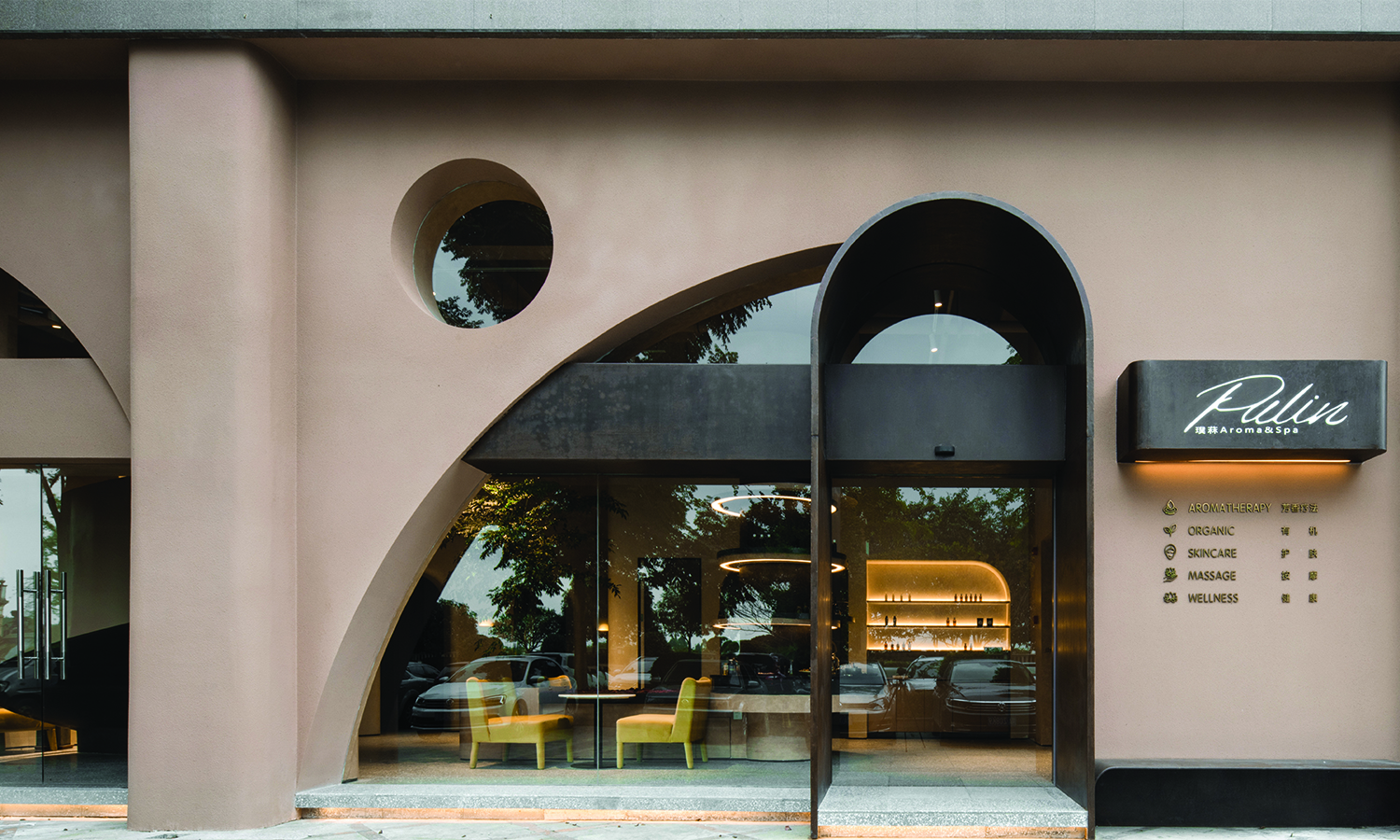
An interview with Mr. Tony Li, President of Greater China,
Bridestowe and Founder of Pulin SPA
The professional line products which were little known by ordinary consumers have now come into full public view. What are the differences between professional line and retail line spa products? What are the pros and cons of each and how should we choose? SpaChina invited Mr. Tony Li, Founder of Pulin SPA and President of Greater China, Bridestowe, to share with us the differences between spa professional line and retail line products in terms of product category, ingredients, effects, brand marketing methods and commercial operations. He will also analyze some of the new phenomena and trends in the spa product market.
With over 20 years of experience in high-end beauty retail and brand management, Tony has witnessed the historical evolution of China’s beauty industry from the massive sales on supermarket shelves to refined sales on department store counters. He was once the youngest brand manager in Shanghai Jahwa since 1898, and was deeply involved in the positioning and marketing of brands such as gf and HERBORIST. He founded Ao You Trading Company in 2010, focusing on introducing natural, organic and lifestyle products to China. He has introduced various organic and health brands such as PerfectPotion, Canvas Beauty, Blackmores, VIERRA, Bridestowe Lavender and beauty brands such as Banilaco, Refa, etc. He has rich practical experience and keen market insight to promote the development of international brands in China’s market. SpaChina interviewed him.
How do you define professional line and retail line products?
Professional line: highly effective, highly targeting, result-oriented products and brands with a high sense of experience, which are used in treatments or with devices at professional beauty institutions such as spas, beauty salons, skin management centers, five-star hotel spas and airline VIP beauty centers.
Retail line: products and brands facing the general retail market, highly adaptable with emphasis on beautiful packaging and effective marketing, safety and stability, able to meet the needs of people in different places and with different skin types, usually with a long shelf life.
What kind of brand stories and backgrounds do retail line and professional line products have respectively?
Retail line products, whether mass-market or niche brands, usually have an impressive brand story. Group brands, with strong marketing resources and brand matrix, share their R&D achievements within the group, and stimulate sales by creating star ingredients and patented formulas, as well as through strong marketing promotions. They invest heavily in marketing and have relatively controlled R&D costs. Niche brands tend to focus on natural, green, vegan or organic concepts, focusing on the product itself, with less investment in marketing and promotions.
Professional line products normally have a longer history, mostly with family background and their own R & D capabilities, as well as unique formulation technology and brand philosophy. They price the products based on the production costs. Their selection of raw materials and ingredients are quite strict and they generously add active ingredients into the products in order to bring forth a better skincare effect.
However, professional line and retail line products have become more and more inter-penetrating in recent years, and the boundary is blurring.
What are the differences between retail line and professional line in terms of product categories and packaging?
The retail line products are market-oriented and have various categories with different targets. New products are launched every year according to the market demands. Starting from the basic ranges of moisturizing, whitening and anti-aging, more sub-categories and single products are furtherly developed. The brands tend to do concept marketing and create star products and invest a lot in the packaging design. They highlight the brand genes and tone, emphasize the brand’s uniqueness and differentiation with packaging materials and the overall visual design. The product packaging often accounts for 70% or more of the overall cost.
Professional line brands do not emphasize a luxury packaging (except for the retail end of professional lines), but rather they spare no effort in product development and effect enhancement. The packaging is usually simple and elegant. The professional products feature a clear division of ranges and have a focus on immediate results. The brands meticulously study and develop products targeting different skin types and different parts of the body. They are very cautious in launching any new products.
In terms of product ingredients and effects, what is the focus of the professional line and retail line respectively?
Retail line products focus on stability and safety, and the adaptability for different skin tones and skin types. Retail line brands usually have a clear brand concept and their star ingredients. They tend to guide consumer’s consumption habits and care about the products’ fragrance, texture and packaging design. The addition of active ingredients is often within the safest range. They also need to take into consideration whether the formulas comply with the national regulations.
Professional line products focus on immediate effects. Regarding the same ingredient, professional line products usually have a higher concentration than the retail line products, within the permitted range. Professional line brands in Europe and U.S feature natural ingredients, high efficacy, and strict production standards. They are also the earliest to advocate “cycle care” concept. Represented by Switzerland, some European brands integrate developed medical and biological cell technology into the product development. These products usually have powerful anti-aging effects and are sold at a relatively high price.
What are the advantages and disadvantages of retail lines and professional lines in terms of marketing methods and promotion channels?
Retail line brands choose a diversity of ways to reach the market when it comes to marketing and promotion such as TV and paper advertising, social media, Xiaohongshu, live broadcast, and so on. They also sponsor popular entertainment programs and offline PR activities. In particular, they invite celebrity friends and spokespersons who match the brand’s DNA to increase the brand awareness and market share. They promote “fan” economy and usually enjoy a high popularity. However, popularity is a two-edged sword which may leave people with the impression that the retail line products are the results of an industrial production line. The rise of niche brands is proof of that. When choosing a retail line product, consumers also automatically bear the cost of advertising and marketing for the brand. And the actual cost performance of the product has come to a compromise.
Professional lines tend towards channels within the industry, such as professional journals, industry forums and exhibitions, with slightly lower visibility compared to retail brands in the mass market. However, as professional line brands gradually focus more on the retail market, they begin to promote home use products in more and more retail channels and areas such as spas. As they are gradually moving into the mass market, they have improved their brand awareness and market share. With the development of social media, the professional line brands have gained quite good feedback from the consumers on the internet, which reinforces the brand’s influence. The boundary between professional line and retail line products is inevitably blurred.
What are the specific differences between the retail line and professional line in terms of business operations?
The brands of retail line surely have their own unique genes, and their operation is based on accurate customer positioning. Accordingly, they develop products, create visual identity, and determine the sales channels, etc., to improve market share and sales scale.
The professional line brands focus on product innovation and the use of new formulas and new technologies. They launch new treatments according to the global latest beauty trends and their own brand concepts in order to solve more skin problems and meet the deep skincare and beauty needs of consumers. Now more and more professional line brands are bringing their new treatments and products to spas so as to reach the target group directly. Professional line products show a trend of high-end, meticulous and market-oriented development.
Many brands have started to do business online. What do you think of this trend?
The advantages of doing business online are obvious. There are no geographical or time constraints, and you can capture the potential consumers at any time through visual works or words. You can also share your experience with like-minded people through social media.
But since it’s so free to share on the social media, it’s inevitable that some comments may exert a negative impact on the brand. That’s why it’s important to combine online and offline business especially when it comes to skincare and fragrance product categories. The offline counters can provide an immediate experience to the customers on site such as to smell the fragrance and check the effects. The offline interaction and product trials can’t be done on the online platforms.
However, the immediacy of offline sales is a great test of the personnel’s selling ability, which is the key to the success of offline business. So it is easy to open a store but hard to get it to continue to thrive.
From the consumer’s point of view, what kind of products will attract them?
Ordinary consumers are usually drawn to try a new brand by advertisement, brand awareness, spokesperson, KOL’s comments and the product packaging, as well as the fragrance and texture of a product. Professional consumers are more concerned about the product’s function, the technical content of the formula, the source of ingredients, and whether the packaging is environmentally friendly.
Professional lines are actually very popular among consumers. The higher technology and more targeted products and treatments can better solve skin problems in a timely and effective manner. Meanwhile, customers can enjoy a pampering journey in private and peaceful environment.
More and more retail brands start to open experiential workshops in shopping malls. They develop treatments to enhance the customer’s experience of the products, with a clear sales orientation. However, due to the lack of a rigorous treatment procedure design and professional operating environment, the sense of experience is poor. Moreover, too much sales pitching from the personnel leaves a bad impression on customers.
Leave a Reply