Category: Interview

  • Live a Reclusive Life

    Live a Reclusive Life

    Interview with Mr. Rayben Chen, Founder of SAVOIR RESORT

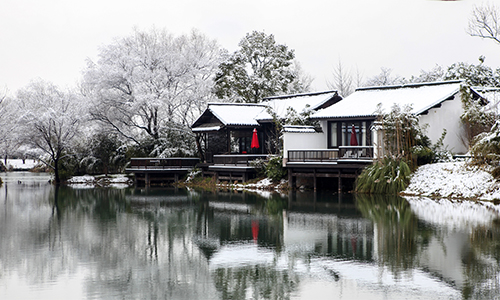
    In the depths of the 5A scenic spot of National XiXi Wetland Park is located a “reclusive” hotel, which reproduces the lifestyle of ancient Chinese recluses and leads guests on an authentic humanistic journey – sipping teas, reading scriptures, wandering beside the streams… At SAVOIR RESORT, people are once again connected with Mother Nature as well as with their inner self.

    Mr. Rayben Chen, the Founder of SAVOIR RESORT, is a learned and modest gentleman born in the 1970s. Despite his rich experience in politics and business circles, Rayben has always held to his deep affection for classical Chinese literature, philosophy and humanism. Not only fascinated by books, he is also fond of calligraphy and traditional Chinese painting. Then it is easier to understand why he brings us the poetic creation – SAVOIR RESORT. SpaChina interviewed Mr. Chen. He guides us back to the pristine idyllic days, and enlightens us on latest wellness and health industry trends.

    What kind of experience does SAVOIR RESORT want to deliver to the guests?

    Inspired by the traditional culture of Xixi Wetland and Chen Hongshou’s (a famous Chinese painter in the late Ming and early Qing dynasties) masterpiece Sixteen Scenes of Seclusion, SAVOIR Resort combines China’s recluse tradition which dates back thousands of years with modern vacation concepts. The resort reproduces the ancient Chinese philosophy embraced by reclusive scholars – living a quiet life in a waterside village. It has truly turned out to be a destination hotel brimming with the cultural and humanistic essence of the local land.  

    How does SAVOIR RESORT guide guests on a holistic cultural and wellness journey?

    We have designed 8 distinctive chapters for guests: XiXing (walking by the streams), FangZhuang (seeking a reclusive life), YouYuan (visiting gardens), ZhenShui (living by the water), TiXiang (delicacy tasting), GuWang (be alone in tranquility), PinFan (reading and writing), and MuXi (enjoying SPA surrounded by water). These sections are richly intermingled with such elements as tea culture, aesthetic experience, zen, food, wellness and more.

    All guestrooms at SAVOIR RESORT are built by the streams. Our restaurant offers authentic local cuisine as well as global dishes. Besides, we have worked out different cultural travel routes at Xixi Wetland for the guests’ reference. Spa lovers can go to the MuXi Spa for a relaxing and rejuvenating treatment. There are also sessions of flower arrangement, incense burning and tea ceremony performance. Guests will live a “Xixi life” with a boat as the main form of transportation instead of cars, and numerous bridges are built over the vast waters to connect the dry land on which houses are sparsely scattered.

    What are the unique requirements of Chinese guests on wellness and aestheticism? How does SAVOIR meet these demands?

    Western people love doing exercise while Chinese people emphasize holistic health. Traditional Chinese culture highlights the unity of Heaven, Earth and Mankind, believing that Man has a close connection with Heaven and Earth and they abide by the same rules of Nature. Perfect health comes from a total unity between oneself and Nature. Therefore, although SAVOIR RESORT extends over 4,000 square meters, we only built 20 guestrooms so that every guest can enjoy truly private time with Nature. The proportion between the size of construction and natural environment is 1:9. Besides, MuXi SPA is the culmination for wellness and relaxation. 

    What challenges and difficulties have you met while operating the hotel?

    The resort is located amidst a broad wetland, 90% of which is covered with trees or streams. And this creates great opportunities for the mosquitos to breed. We have tried our best to deal with the problem, and have not yet completely solved it. This is really a big challenge for us.

    How has “wellness” affected the hospitality industry in recent years? What are the “must” elements for a standard wellness hotel?

    Despite continual medical investment and the longer life span of the whole society of China, more and more people just “live longer with disease” instead of “healthily aging”. With an increase in living standards, Chinese people are focusing more than before on the issue of health. Owning to high pressure from work and daily life, people’s morbidity keeps rising, especially epidemic diseases. As a result, the health industry is seeing booming development, which pushes hotels to offer more wellness services and developers to build completely “wellness hotels”.

    To me, a qualified wellness hotel must have clear positioning. It should be built in a natural and beautiful setting, with construction of local traditional design and providing a rich spiritual experience that connect guests with Nature. This is what SAVOIR RESORT has done. We combine the amazing natural environment with humanistic vacation patterns to fulfill the goal of delivering the best wellness experience and health improvement.

    Is there anything in the global wellness hospitality industry that is worthy of being learned by China’s hotels? 

    I always pay close attention to what conforms to Asian preferences. A good example I have found is Six Senses Laaum Maldives. It has several star labels including seaside scenery, water activities, an organic garden, local farming and fresh picking, an organic restaurant and Six Senses Spa, all in the effort to create a destination resort experience with Nature and health at the core.

    What is your opinion on Hot Spring holidays? Have you also noticed any other popular wellness modalities?

    Japan possesses rich hot spring resources. So there is no wonder that hot spring holiday has become part of people’s life, and a unique cultural label of the nation. However, in China, hot spring holidays are just at their initial stage. There is much room for improvement both in forms and services provided.

    Recently, I am attracted by a domestic wellness holiday brand – BOAO Yearlings Life Conservation Center. It is a comprehensive platform that covers innovative medical technology, featured health and recuperative programs, disease prevention, life conservation, mental therapy and medical tourism for the protection and improvement of people’s health and life quality. This will surely become a new trend in future tourism.

    What is your idea about the future development of the wellness hospitality industry in China?

    As China has moved into an aging society, citizens’ income has increased and the consuming structure has been upgraded, the domestic medical and health industry has reached a huge industry scale of RMB 4,000 billion, with an average annual increase of 20% in the past five years, far exceeding the global average of 6%, which makes China the second biggest medical and health market in the world, next to the U.S. This drives the diversification of China’s hospitality industry. Now, we can see more hot spring hotels, spa hotels and even medical hotels coming into the public’s sight. It is estimated that the scale of China’s medical and health industry will reach RMB8,000 billion in 2020 and RMB160 billion in 2030, nearly 10% of GDP of the year. Medical and Health will undoubtedly become a pillar industry in the national economy. Such huge industry demand means equally huge opportunities. So I have a very positive outlook on the future development of China’s wellness hospitality industry.
  • 渔隐雅居

    渔隐雅居

    访所见·西溪度假酒店创始人陈雷朋先生

    在风景如画的杭州西溪湿地,坐落着一家满溢人文诗意的度假酒店——所见·西溪,一处真正的隐居之所。客人在这里品茶游园、吟诗赏曲,与天地,与自我,安宁共处,完美再现了古时文人雅士的隐逸生活之趣,不失为养生度假的最高境界。

    所见·西溪的创始人陈雷朋先生是位儒雅、谦逊的70后男士,从过政,经过商,却始终不改读书人的本色。阅读之余,陈先生还热爱书法、国画,这也就不难解释为什么会有所见这样一个隐士秘境的出现了。SpaChina采访了陈先生,他将带领我们重返那段淳朴的渔隐时光,同时分享当下健康养生的行业势态。

    所见·西溪度假酒店希望带给客人怎样的体验?

    所见从设计之初,便以西溪湿地传统文化风骨为基石,并注入了明末清初画家陈老莲《隐居十六观》的理念,将千年隐世哲学和现代度假理念相互结合,提炼出所见特色的渔隐文化,希望打造一个能极致表现当地人文特色的目的地型避世度假场所。

    所见·西溪如何以整体连贯的方式带领客人踏上人文禅修及养生之旅?

    我们为客人设计了8个特色的行程,分别是溪行、访庄、游园、枕水、提香、孤往、品梵、沐溪,其中涵盖了茶文化、雅文化、禅学、美食、养生等多个领域,有临溪居住体验,具有当地特色的美食,西溪湿地特色人文景点游览,SPA养生放松之旅,花道、香道、茶道等雅文化体验项目等等,在修身度假的同时,极致体验西溪湿地“以船为马,以桥为路,以水为田,以岛为家”的特色文化。

    中国客人的养生诉求和审美情怀有何独特之处?所见是如何满足其需求的?

    西方人热爱运动,中国人讲究养生,但其实最终诉求是一样的。养生是中国传统文化中关于人的学问,古人的世界观为天、地、人三才一体,人与天地相互感应,遵循同一种自然规律。养生在某种意义上也就是顺应天地之道,最高境界就是人与自然完全融合为一体。所见坐拥四万平方水域,但我们只建了20间客房,更希望呈现给客人的是一个自然与人文结合的居停环境,建筑与自然环境的比例是1:9,另外设有水疗中心沐溪SPA,是一个在度假之余可以休憩养生的场所。

    在酒店的具体运营过程中,您遇到了哪些实际的挑战和困难?

    酒店身处生态自然的湿地环境中,水域与树木的覆盖率高达90%,自然环境非常利于蚊虫等小动物们繁衍生息,虽然我们尽了最大的努力去打理,可还是会影响到部分宾客的体验,这对我们来说是一个很大的挑战。

    这几年健康和养生对酒店行业带来了什么样的影响?在您心目中一家合格的养生酒店是怎样的?

    随着中国老龄化社会的到来,逐年加大的医疗投入,换来的只是“带病增寿”,并不是真正意义上的健康长寿。随着中国人民生活水平的提高,健康成为百姓最关心的事情。在高品质生活与高压工作中,城市居民的生病率也逐年攀升,一些流行疾病也随之而生,这使得人们不得不更加关注自身的健康问题。健康和养生也顺理成章的变身朝阳产业,并得到迅速发展。酒店行业也关注到这股趋势,带来更多特色的养生服务,并出现了真正意义上的“养生酒店”。

    在我心目中一家合格的养生酒店,主旨定位必须是明确的,所谓养生酒店,是在天然美景之地,造自然古朴之建筑,造就天人合一的精神体验,成为人们的精神鸦片。所见力求用天然的自然环境,与人文度假方式,来实现现代人健康养生的目的。

    纵观全球的养生酒店行业,有哪些方面是值得中国酒店借鉴的吗?

    在所见·西溪,我们十分关注符合亚洲人思维习惯的自然养生。马尔代夫的第一家六善度假酒店——六善拉姆度假村,以自然海滨风光、水上运动、有机菜园、本土养殖采摘、有机餐厅、六善水疗等等为主打项目,这种以自然、健康、有机等概念所打造的度假目的地,非常值得我们借鉴和学习。

    您怎么看时下流行的温泉度假?您还关注过哪些其它热门的养生项目?

    日本的温泉资源丰富,温泉度假已然成为日本国民生活的一部份,并形成独特的文化特色。相比日本而言,国内的温泉度假产业还只是初级阶段,无论是内容还是形式都有很大的提升空间。我最近比较关注国内的一个养生度假品牌—博鳌一龄生命养护中心,这种集新型医疗技术、特色疗养、疾病预防、生命养护、心灵疗养、医疗旅游度假于一体的生命养护和生命品质改善的平台是未来旅游度假的发展新趋势。

    您觉得中国的养生酒店业发展前景如何?

    伴随着中国逐步进入老龄化社会、居民的收入提高、消费结构升级,中国的医疗健康产业已经发展成为一个规模高达4万亿人民币的巨大市场。这个产业在过去5年年均增长超过20%,远超全球约6%的平均增长率,也使得中国成为继美国之外的全球第二大医疗健康市场。因此也带动了中国酒店产业的多元化,从温泉、水疗等概念酒店开始萌芽,发展到如今的医疗养护概念酒店。预计到2020年,中国的医疗健康产业规模将达到8万亿人民币,2030年则将到达16万亿人民币,接近届时中国GDP的10%,将成为当之无愧的国民经济支柱。庞大的产业需求,蕴藏着巨大的产业机会,因此我非常看好养生酒店业的发展前景。

  • 养生时代

    养生时代

    访GOCO Hospitality创始人兼首席执行官Ingo Schweder先生

    作为全球一流的养生度假村顾问和管理公司GOCO Hospitality的创始人兼首席执行官,Ingo Schweder先生在水疗与酒店领域拥有超过30年的从业经验,曾参与众多标志性酒店与养生目的地的设计、开发及世界范围内的运营工作。同时,Ingo是文华东方酒店的董事会成员,欧贝罗伊酒店及度假村的前任集团运营总监。

    他的目标是持续扩大GOCO在养生地产和酒店度假村领域的影响力。公司成立以来,致力于为养生酒店度假村的开发建造提供整体解决方案,从初期市场调研、可行性研究到开业支持和管理服务等。仅10年时间,便获得了非同凡响的全球声誉,业已成为如宝格丽、丽思卡尔顿、总督酒店及度假村、永利度假村、美高梅和许多其他奢华酒店集团的首选顾问公司。2016年,GOCO Hospitality购买了位于南加州85英亩的Glen Ivy常春藤谷温泉度假村,并将附近的养生房产进行扩展,开发了一个拥有125间客房的GOCO养生度假村。

    SpaChina采访了Ingo Schweder先生,听他以专业角度深入剖析中外养生酒店市场的特点与趋势。

    您认为目前全球哪个国家的养生市场最为乐观?为什么?

    就单个国家而言,德国人在养生上的人均开销是最高的,可选择的养生形式最多。就大洲而言,美洲是人均养生消费最高的。特别的,“水疗度假”这一养生模式在欧洲的收益最大,其中,德国的人均参与次数最多。

    中国则在温泉养生这一块发展最为显著。全球养生研究机构的近期数据显示,2017年,中国在全球总年收益为562亿美元的温泉行业中收益排名第一,为175亿美元,其次是日本、德国和俄罗斯。

    您立足泰国曼谷,负责的项目遍布全球,您如何看待各地客人对养生的需求?

    不论是什么地方的客人,都有一个共同的需求就是养生体验的“原汁原味”。当人们来到一个陌生的国家,他们想要体验的是当地特色,而非在自己国家就能体验到的东西,比如感受当地的人文风情,以此扩展自身的视野。这就意味着水疗中心无论是在疗程、养生形式还是设计上都要尽量反映出所在地的独特之处。

    时下最热门的养生项目有哪些?是否包括温泉度假?什么原因促使了这些项目的流行?

    确实,如今在全球范围内,温泉度假再次复苏,预计年增长率为6.5%。目前总收益为562亿美元,预计在2022年可达771亿美元。

    GOCO在2016年买下了位于加州的Glen Ivy常春藤谷温泉度假村。我们对度假村进行了全面的翻新改造,提供的主要体验包括:温泉、水疗疗程、众多冷/热水设施、以及几家提供有机菜单的餐厅。所有项目都很受欢迎,我们平均每天接待600名左右的客人,每年超过20万名。

    温泉的流行和人类的自身需求密不可分。我们的身体中60%是水。毫无疑问,水让我们活着。当我们浸在水中,漂浮在水上,或仅仅是在水边,就会觉得很舒服。一天不吃饭没有太大问题,但是如果一天不喝水我们就无法继续生存。也是因为此,那些建在河湖海边的地产往往售价更高。所以,我很确定与水相关的水疗活动将持续流行下去。

    目前,温泉度假在中国火速走红。2016年到2017年间,携程旅行网的温泉度假购买率增加了一倍,其中70%的购买者为女性。

    如何将“养生”这一概念更好地融入到整个酒店服务之中?

    首先,需要对酒店总经理进行再教育,是他们主要管理着酒店的日常运营活动。但是这些酒店人在酒店学校接受的培训主要是关于餐饮、客房或市场的,也就是说在他们的事业初期,并没有深入接触过养生领域,因而缺乏对养生作为一个商业模式的认知,亦不知如何将其打造为一个盈利中心。

    此外,酒店需要成立或雇佣专门的团队对养生模块进行设计和运营,而不是将它作为酒店的众多设施之一。水疗中心需要请专业的水疗设计师来设计,而非一般的酒店设计师,因为在水疗中心的设计中包含了很多专业层面的东西。就像最好的酒店餐厅一定是由专业的餐厅设计师打造,而非酒店设计师。

    在做中国的酒店和度假村项目时,面临哪些优势和挑战?

    挑战是,目前中国缺乏在养生酒店的设计、开发、运营方面拥有专业技术知识和技能的人才。

    优势则是,中国是一个正在蓬勃发展的市场。除了主要的一线城市,如北京、上海、深圳、天津外,其他地方达到国际标准的生活方式酒店还较少。现有的许多酒店看起来大同小异,这为高级酒店的入驻提供了很大机遇,我们大可引入许多当地没有的服务和项目来吸引客人。

    在欧洲,有许多著名的度假村都设有先进齐全的设施,提供丰富的养生活动以及医疗支持,这在中国的酒店业很少能看到。能否与我们分享一下您的观点?

    在欧洲,将医疗、养生和传统疗愈相结合的综合养生模式拥有悠久的历史。比如,药剂师这一职业就是起源于欧洲,在很久以前我们就开始用草药来医治身体的疾病和不适。还有著名的古罗马浴、海洋疗法等都拥有长时间的历史了。

    在德国,首任宰相俾斯麦确立了一项社会制度,所有享有社会保障的正式员工每年可免费去健康度假村体验1-3周的时间,作为健康福利的一部分。政府为员工的健康度假以及度假村的建设均给予了极大支持,从而促使了一大批健康度假村的兴起。这也就解释了为何欧洲的养生模式比美国和远东要成熟的多。到了90年代后期,政府的资助减少,许多度假村开始着眼于优化自身的设施来与世界其他地方的度假村竞争,于是就诞生了许多我们今天熟悉的世界级养生度假村。

    德国有许多世界闻名的度假村都是将医疗服务与替代疗法相结合,比如兰斯霍夫养生酒店,Brenner公园水疗酒店,Parkschloesschen阿育吠陀度假村,Schloss Elmau养生酒店等。德国有350个健康度假村和水疗小镇将传统医疗与替代疗法相结合,以及1000个经认证的养生酒店。

    如今在德国,健康保险不仅在你生病时进行赔偿,还会支持你进行预防性的养生活动,如免费瑜伽课程。毕竟预防性保健比治疗疾病要有效得多。

    您觉得中国的养生酒店业发展前景如何?

    中国现在有15亿人口,人们的生活变得越来越富裕,中产阶级比例持续上涨。国内经济非常强劲。这些都是养生酒店业在中国未来发展的关键因素。

    此外,越来越多的人开始关注健康的生活方式,人们意识到了肥胖、糖尿病对生活造成的严重影响,希望能够尽可能避免这些疾病。所以,人们吃得越来越天然、有机,减少了快餐、肉类、含糖饮料的摄入,控制盐摄入量。这些都十分有利于养生行业的发展。

    能否与我们分享您心目中最好的五家养生度假村?

    排名不分先后:

    • 克里特岛Daios Cove度假村
    • JW万豪威尼斯度假酒店及水疗中心
    • 德国兰塞瑟夫(Lanserhof)度假村
    • 黑山Sveti Stefan安缦度假村
    • 位于葡萄牙阿尔加维,正在建造中的GOCO阿育吠陀养生谷
  • What Do Future Spa Consumers Need?

    What Do Future Spa Consumers Need?

    Interview with Mr. Trent Munday, Vice President of Steiner Spa Consulting and Regional Vice President of Mandara Spa

    Trent joined Steiner Leisure in January 2005 after 14 years in the hotel business, with Six Senses Hotels & Resorts, where he opened the company’s first Evason property in Hua Hin, Thailand as Resident Manager and with COMO Hotels & Resorts where he was the opening General Manager of Uma Ubud, Bali.

    During the past three decades in the hotel and spa industry, Trent has seen innumberable hotels and spas in different cultures during traveling, working or living in over 30 countries. With rich experience, keen insights and discernment, Trent dares to sharply point out the problems existing in the spa business, covering aspects from design and layout, treatments and programs, to operations and management, when others just blindly applaud the industry. Thankfully, he is always willing to share his inspiring ideas with spa people with the goal of true industry growth. SpaChina is happy to interview Trent again and hear his latest thoughts on hotel and day spas.

    What changes have taken place in the global spa industry in recent years? Will they lead to new spa trends in the future? What will these trends be according to your predictions?

    As I mentioned a while back in my article Spa Trends vs Spa Fads, I take issue with our obsession with Spa Trends. My concern is that every year we seem to create an entirely new list of supposed trends. In reality, much of these are really Fads, not Trends. The danger with this is that when a business makes an investment in new products, services or equipment that is based on a Fad, the ROI may not be there.

    To me, real Trends are those which apply across multiple industries. Moving towards living a healthier and more wellness oriented life is an obvious Trend that is impacting multiple industries. So too with Mental Wellness, AI (Artificial Intelligence) and VR (Virtual Reality) are other examples of cross-industry Trends. For these two technology trends, however, the mass consumer applications are not yet mature.

    If we want to look at one macro Trend that clearly will impact on the spa business in the coming years – it is Time. Time is the consistent theme that runs through some of the most successful businesses in recent years. If you can save the consumer time, chances are, you will win. Think Amazon, Uber, etc.

    How should spas adapt themselves to meet these trends and thus stand out in the market?

    The key to being able to thrive in the competitive, commodity-type business that spas have now become is to not focus on the trends themselves. Rather, we should look at the essence behind the Trend. For me, at the core of all of these Trends is providing a functional benefit or utility to the consumer. Spas that continue to focus on pampering and luxurious experiences alone will struggle in the new world of spa.

    At this year’s SpaChina Summit, you talked about “numbers”, and how to comprehensively and accurately measure the profits spas really make. What are the main factors that hinder spas from making more profit? 

    Profit is perhaps the simplest of all business concepts. Make sure you bring in more money than you spend and you’ll make a profit. It seems like a silly thing to say, but way too often I see spa managers getting themselves all tangled up in how they can generate more revenue and save more costs simultaneously. In my experience, it’s hard to focus on both at the same time. Labour cost is usually the biggest cost centre for most spas. Avoiding inefficiencies in labour should be the main focus on the cost front.

    On the revenue front, it’s important to realise that we have reached the limit of how much we can charge for a standard one-hour treatment. There was a time, not so long ago, when each year we could continue to raise our prices. Those days are gone. Thus, the only options available to us to generate more revenue is to create new and truly innovative experiences or just sell more of what we have. The former is the key to long-term success.

    Global hotel spas are continually launching new programs and concepts to attract more guests, such as building new facilities, introducing hi-tech experience and professional medical support, and cooperating with other departments for creative activities. What is your opinion on such trials? Will they fundamentally change the situation and generate more revenue?

    Hotel spas need to evolve. Of that, there is no question. My personal belief is that the hotel spa of tomorrow will be very different from the hotel spa of today. Maybe only 20% of the types of services that we offer at a spa today, will be needed in the spa of tomorrow. The big question is, what will make up the other 80%. The answer will be different from one spa to the next. It will depend on location, market mix, guest profile, etc. For me, the key to future success for hotel spas will be in providing some type of meaningful functional benefit. In some spas, that may mean some medical-type services. In other spas it may mean offering healthy food and beverages. I like to challenge people to imagine that the whole concept of the hotel spa did not exist. If there was no such thing as a hotel spa, if you’ve never seen anything like today’s hotel spas, and you had some empty space in your hotel, what would you build there? Would it be what we know today as a hotel spa? Would it have all the same facilities, features and services? Or would it be different? I think the truthful answer is, it would be different.

    What is the relationship between hotel spas and day spas?

    For many city hotel spas, the local day spas are their direct competitor. In the past, this has been from the hotel guests going outside the hotel to get a cheaper massage or spa treatment. Over the years, many day spas have improved their facilities so the gap between the hotel spa and the day spa in this respect is rapidly closing. What has been most interesting to watch is that now it is the day spas that are facing competition from the hotel spas. As hotel spas struggle to attract the in-house hotel guests, they are actively turning to local customers for business. This now puts them in direct competition with the local day spas.

    Have you had any thoughts about China’s day spas? They have really done well in recent years.

    Day spas in China have one big advantage over hotel spas. They only have to satisfy their customers. Hotel spas, on the other hand, often have to cater to the demands of the hotel guests, even if they may not necessarily be spa customers. A hotel spa, for example, may need to be open from 10am till 10 pm every day because that’s what the hotel feels they need to offer to the guests. Even if 98% of the spa bookings are in the evening, the hotel spa may still be compelled to open at 10am. An independent day spa, by contrast, is free to open and close according to the demands of the customers. The hotel spa is forced to carry additional labour cost which is not really being used, while the day spa can be much more efficient.

    What do you want to say to the developers of a new spa?

    Do not over-build your spa. So often I see hotel spas that have far more treatment rooms than they will ever need. Think more about needs, not wants. Don’t be tempted to build based on trends – for they may turn out to be simply fads. Above all, ask yourself this question… If the entire concept of the hotel spa did not exist today, what would you create instead?

  • 未来水疗消费者需要什么

    未来水疗消费者需要什么

    访Steiner水疗顾问公司副总裁兼蔓达梦水疗区域副总裁Trent Munday先生

    Trent在酒店水疗行业拥有27年的从业经验,曾在泰国华欣负责开设了六善养生及酒店集团旗下的第一家爱梵森(Evason)酒店,担任驻店经理;后服务于COMO酒店和度假村集团,担任巴厘岛乌玛乌布酒店的开业经理,并于2005年正式加入Steiner Leisure公司。

    近30年来,Trent辗转了30多个国家,尤其在澳大利亚、美国、泰国、马尔代夫、印度尼西亚、马来西亚等地工作生活,可谓看遍了全球各类酒店和水疗,凭借丰富的经验和卓越的思辨及洞察力,无论是在水疗的设计布局、疗程项目还是管理运营方面,Trent总能一针见血地指出行业所存在的潜在问题,并乐于与水疗人士分享具有启发性的观点和建议。在刚结束的SpaChina峰会上,Trent更是就水疗盈利问题进行了全面有趣的剖析。SpaChina再次采访了Trent Munday,听他说说最近又有哪些关于水疗行业的新思路。

    近年来全球水疗行业有哪些变化?您预测这将导致哪些新趋势?

    人们一直热衷于谈论“水疗趋势”,但问题是,每一年我们都会提出一长串与去年完全不一样的新趋势,事实上,其中许多只是一时的“噱头”,而不应该被定义为“趋势”。当水疗管理者照着这些转瞬即逝的噱头进行产品、服务或器材投资,结果往往是投资回报率甚微。

    我认为,真正的趋势是可以运用于各行各业的,一同推动人们的身心健康和生活幸福。比如人工智能和虚拟现实技术就是跨界趋势的经典代表,并且喜闻乐见的是,这两个趋势依然有着非常巨大的发展空间以更广泛地融入人们的生活之中。

    在接下来的几年,对水疗行业将造成明显影响的一个众业大趋势是:节约时间成本。这些年,许多成功的商业案例都是遵循了这一趋势,如果你能为客人节约时间,你就有机会成功,想想亚马逊、优步⋯⋯

    对于您提到的这些真正意义上的趋势,水疗中心应当作出怎样的调整以便在未来的市场竞争中胜出?

    当水疗已经成为了充满竞争性的商品型商业,想要脱颖而出就不能只关注趋势本身,而是要探索趋势背后的根源。在我看来,节约时间成本的原因在于客人们需要的是真正功能性的,能产生实际效益的服务。如果水疗中心还是停留于仅提供一些奢华、繁复的享受型项目,那么就很难在未来的水疗竞争中胜出。

    在刚结束不久的SpaChina中国水疗峰会上,您谈到了如何全面准确的计算水疗运营的盈亏,非常精彩。在您看来,目前影响水疗中心盈利的主要因素有哪些?

    “利润”大概是所有商业概念中最简单明了的一个。当你赚的钱比花的钱多,你就能获得利润。似乎是个很白痴的问题。但实际情况是,水疗管理者们一直在绞尽脑汁地纠结如何同时产生更多收入和节约更多成本。根据我的经验,这两者是没法同步进行的。对于大多数水疗来说,人工是最大的成本中心,所以在成本方面,最重要的是避免低效率的人工使用。

    在创收这方面,很关键的一点是,我们必须意识到,如今一小时疗程的标准价格已经达到了上限。确实,在不是很久远的过去,每年我们都还可以给疗程加价,但现在已经不可能了。如今唯二的有效创收方式是:推出真正创新的体验,或努力增加疗程的销售量。前者是水疗中心长远发展和成功的关键。

    全球酒店水疗的运营管理者们确实一直在努力推出新举措和新项目,如新增水疗设施、引入VR体验、寻求专业医学支持、与酒店其它部门合作新项目等等,您怎么看待这些新方案?它们能否有效地改变水疗中心的运营情况?

    酒店水疗需要真正的改变,这一点是毫无疑问的。我个人认为未来的酒店水疗会和今天的很不一样,也许如今提供的水疗服务类型中,只有20%会存留在未来的水疗中。而重要的是,剩下的那80%是什么?这个答案对于每一家水疗中心都是不一样的,要看水疗中心的选址、市场组合策略、客人群体等等。我相信在未来酒店水疗最关键的是能够提供有价值的功能性、效益性服务。对于有些水疗来说,可能是医疗服务,对于其它的可能是健康膳食。我很喜欢让人们尝试想象如果酒店水疗压根不存在会怎么样,如果你从来没有看到过今天的酒店水疗,然后在你的酒店里有这么块空出的地方,你将在这里建造些什么呢?还会和我们今天所见到的一样吗?一样的设施、特色和服务?还是会有所不同?答案当然是,有所不同。

    您认为酒店水疗和城市水疗之间的关系是怎么样的?

    一直以来,对于许多在城市里的酒店水疗来说,当地的城市水疗是他们的直接竞争对手。因为住店客人总是会走出酒店,去城市水疗体验更便宜的按摩或疗程。但随着时间,城市水疗在设施产品上不断进行投资,所以两方在价格上的差距开始急剧减小。如今一个有趣的现象是,城市水疗越来越多感受到从酒店水疗来的威胁,因为酒店水疗不仅极力地留住住店客人,还开始抢夺城市里的本地客人。

    对于中国城市水疗的发展您是否有关注?

    在中国,城市水疗较酒店水疗有一个非常大的优势,就是他们只需要满足造访客人的需求。而酒店水疗却往往要满足所有酒店客人的需求,即使许多酒店客人并不一定会光顾水疗中心。例如,一家酒店水疗或许每天从上午10点营业到晚上10点,因为酒店觉得必须这么做。98%的水疗客人都是在晚上来体验,但酒店水疗还是要被迫在早上10点开门。相反,一个独立经营的城市水疗可以根据客人的情况自己决定营业时间。这就意味着,酒店水疗不得不承担没有必要的额外人工成本,城市水疗则在人工使用上高效的多。

    对于想要筹备建造一家新的水疗中心的开发者,您有什么建议?

    不要过分打造你的水疗。我总是看到许多酒店水疗的理疗房数量比实际需要的超出太多。更多考虑“客人的实际需要”,而非“我想要”。也不要因为听到一些“趋势”(实际上是一晃而过的噱头),就马上进行投资。最重要的就是,问自己,如果酒店水疗这个概念根本不存在,你会创造出些什么东西?