Category: Interview

  • A Wellness Destination Based on TCM

    A Wellness Destination Based on TCM

    An interview with Mr. Jack Lim, The General Manager of
    Ruilian (Hengqin) Wellness Resort

    With people’s increasing interest in and investment into wellness, China is witnessing a prosperous development of wellness real estate projects which fall into different types and themes and target distinctive groups. For Ruilian (Hengqin) Wellness Resort, it’s the perfect encounter of TCM and Banyan Tree Hotels & Resorts that has set it apart from others. Located by the estuary of the Zhujiang River in Hengqin, Zhuhai, overlooking vast wetlands, Ruilian Wellness offers a pure getaway, with holistic wellness and hotel services.

    SpaChina interviewed Mr. Jack Lim, the General Manager of Ruilian (Hengqin) Wellness Resort. He pulls back the veil on this newly-developed wellness destination. Mr. Lim has over 33 years’ experience in hotel operations, travel management companies, leisure travel operations as well as regional hotel sales & marketing across Asia Pacific. Before taking the post at Ruilian (Hengqin) Wellness Resort, he worked for many famous hospitality and travel management groups including The Langham Hospitality Group, Banyan Tree Hotels & Resorts, Kempinski Hotels and more.

    Please introduce Ruilian (Hengqin) Wellness Resort to us.

    Ruilian (Hengqin) Wellness Resort is a new wellness concept project owned by “The Traditional Chinese Medicine Science and Technology Industrial Park of Co-operation between Guangdong and Macao”, and managed by Banyan Tree Hotels & Resorts. This project led and invested by the Government of Macao is scheduled to open in Q2, 2020. 

    Located in the new area of Hengqin, Zhuhai, Ruilian (Hengqin) Wellness Resort offers easy access to the Hong Kong-Zhuhai-Macao Bridge and Jiuzhou Port within “The Greater Bay Area”.

    Ruilian (Hengqin) Wellness Resort features 214 wellness rooms/suites and 18 villas units, three F&B outlets focusing on varieties of wellness menu, and other wellness recreations and elements such as Rain Forest, Watsu / Water Taiji / Ayurveda, Singing Bowl and Pilates. The overall design layout adopts the modern contemporary concept of “energy awakening” to revitalize and relax the body and soul.

    How do you integrate different facilities and services to give guests a smooth wellness experience?

    Ruilian Resort features a holistic approach in wellness programs and activities that incorporate personalized services to enhance guests’ journey. We introduce different packages to target individual’s body conditions and health needs.

    We take root in the culture of Traditional Chinese Medicine and our core service team is composed of a group of renowned TCM experts across China. To Chinese people, TCM is something engraved in their DNA. They can easily understand and accept this healing system that distinctively belongs to them. They can also benefit greatly from it no matter what period of their lives they are in. And to foreigners, obviously, nothing is more appealing than TCM in China’s culture. 

    Aside from activities and personalized services, we also blend into our overall wellness concept a variety of organic and health F&B options, innovative Traditional Chinese wellness cuisine and authentic Southern China dishes.

    Who are your target groups? What health needs and trends have you seen?

    As government entities continue to support the wellbeing programs for the health of the citizens, wellness travel appeals to more and more people.

    Our target audience are the people who embrace services from Science to Spirit, who seek wellness experience and who enjoy a transformation to healthy lifestyle.

    As I know, hot spring retreat, spa, organic menu, mental healing, ancient Ayurveda and TCM are some of the main interests amongst people of all ages.

    Is this your first time to manage such a holistic wellness program? During the management process, have you met any challenges or something special? How did you deal with them?

    Yes. I am very excited about this opportunity to manage such an amazing wellness project. It’s very challenging and also very meaningful.

    This project gives a full display of China’s traditional wellness culture. Traditional Chinese wellness concept advocates to stay health and prevent diseases through daily health improvement in terms of food, housing and transportation. In our resort, we integrate food, accommodation, treatments, and fitness activities together to deliver a holistic health journey.

    Every wellness project has its distinctive offerings, but I think the unchangeable key is to find the proper resources and talents who have a clear sense to the market and right mindset. Not only to find them, but also to train them and let them grow. For this reason, I am actively guiding and training my team. They are all full of energy and creativity.

    China’s wellness real estate industry is showing a flourishing outlook. What are the unique features of Ruilian Wellness for it to be differentiated?

    I am sure there are various wellness projects across the country each carrying its unique offerings. At Ruilian Wellness, we innovatively integrate three core elements: Preventive care, TCM healthcare program and a full service wellness resort.

    We deliver novel Oriental healing experience based on Traditional Chinese Medicine, with international hospitality services carried out by Banyan Tree Hotels and Resorts.

    According to your observation, what is the current situation and prospect of wellness real estate development in China?

    Wellness real estate refers to the type of property that can help people improve health and prevent diseases. At present, the major forms in China include hot spring resort, resort at the forest or by the sea, spa resort and senior care property. But medical resort, which are common in foreign countries, are not yet so often seen in China. I believe that as China’s aging population keeps increasing, the government will pay even more attention and have higher requirements to the development of wellness real estate, which will inevitably result in more investment and personnel involvement.

    How do you see the role of hotel groups in the development of wellness real estate?

    I think hotel groups have the chance and privilege to become a forerunner in this field. In Ruilian (Hengqin) Wellness Resort, for instance, we not only address health improvement, but also present Chinese unique characters – let TCM shine in a better platform. Surely, we are still on the path of exploration. We need to further understand the market’s needs and try to introduce TCM to our guests in a more comprehensible way. Apart from establishing Ruilian as a successful wellness resort, we also want to practice social contributions.

  • 中国特色养生目的地

    中国特色养生目的地

    访瑞莲庄(横琴)度假主题酒店总经理林明文先生

    随着人们对养生的认知、兴趣、投入日益增加,养生地产在中国也展现出蓬勃发展之姿。各种类型的养生地产吸引着不同人群的目光。而瑞莲庄,则将国粹中医养生与悦榕酒店和度假村管理完美融合,打造了一处主题明确、服务周到的综合中医养生目的地。瑞莲庄(横琴)度假主题酒店位于珠海横琴岛东北珠江入海口,远瞰广袤湿地,是一处心远俗尘的所在。

    SpaChina采访了酒店总经理林明文先生,带我们进一步探索这处养生目的地的独特之处,以期能为行业人士带来更多灵感。林先生拥有超过33年的亚太区旅游管理运营及酒店市场销售经验,对所在行业和区域有准确的市场把握和锐利的洞察力,曾就职于数家知名酒店和旅游管理集团,其中包括朗廷酒店集团、凯宾斯基酒店集团、悦榕酒店和度假村等。

    为我们介绍一下瑞莲庄(横琴)度假主题酒店。

    瑞莲庄(横琴)度假主题酒店是由粤澳合作中医药科技产业园打造的,独立养生主题品牌的养生度假酒店,引入悦榕酒店和度假村管理,预计于2020年第二季度盛大揭幕。

    酒店坐落于旅游之都广东省珠海市横琴旅游生态岛,从酒店可轻松直达港珠澳大桥和九州港码头。

    瑞莲庄(横琴)度假主题酒店拥有214套客房,包括18套别墅;三个餐厅主打不同种类的养生菜单。整体布局融入“能量唤醒”理念,更加入如热带雨林、水中按摩、水中太极、阿育吠陀、颂钵、普拉提等元素,焕活生命能量,怡然休憩。

    您们是如何将各个设施与服务有机串联起来,让客人感受到整体而流畅的养生体验的?

    瑞莲庄度假酒店主打养生,制定了不同的套餐,针对不同宾客的体质和需求,来定制个性化的疗愈。

    我们传承中国传统中医文化,邀请著名的国际大师及老中医参与养生套餐及产品研发。因为我们深刻觉得,对于中国客人来说,好的中医疗愈和养护永远都是他们需要的,中医也天生在中国人的骨子里,不需要额外教育就能被理解,被接受;而对于外国宾客来讲,没有什么能比在中国获得地道的中医疗愈来得更有吸引力的了。

    此外,除了丰富的酒店活动及个性化服务外,瑞莲庄还会将有机餐饮养生菜单,创新药膳及地道的广府菜系融入到整体的养生服务之中。

    您们的目标客户群体是谁?您观察到哪些市场需求和健康趋势?

    如今国家大力支持国民身心健康项目,因此,康养旅游、参加身心疗愈的旅程逐渐成为一种趋势,虽然现在还比较小众,但已经逐渐开始扩大了范围和影响力。

    我们的目标客户群体是那些崇尚科学技术和精神管理,追求身心疗愈,关注健康生活方式的人士。我觉得,温泉度假、水疗、有机菜单、身心疗愈、传统阿育吠陀及中医药都是不同年龄层群体感兴趣的项目。

    这是否是您第一次管理这样的综合养生项目?在具体管理过程中,有哪些特别之处和挑战?您是如何应对的?

    是的。我本人非常荣幸及兴奋能够亲自见证这个创新的养生项目,非常有挑战,也非常有意义。这个项目能把中国的传统疗愈文化发挥得很好,因为中医的精髓就是通过日常的正确保养来进行养生,以及避免疾病的发生,涉及到吃、住、行等方方面面。在我们的度假村里,从食材、住宿和休憩环境,到疗程项目、运动等,都会结合在一起来打造客人的健康之旅。

    由于每个养生项目都有其属性,我认为最关键的是,找到合适的资源以及拥有正确市场定位的人才,培育他们,让他们成长,也就是拥有自己的优秀团队。这是非常重要的,为此我积极引导和培养着我们的团队,他们也都很优秀,充满活力和创造力。

    中国的养生地产正要迎来一股强劲发展之趋势,瑞莲庄的独家特色是什么?

    我相信有很多养生项目都有其独特的卖点。我们瑞莲庄(横琴)度假主题酒店创新整合了“酒店+养生+医疗”三大业态,为客人提供以中医为基础的东方疗愈体验,以及悦榕酒店和度假村管理的高端酒店服务,打造疗愈身心的中医养生圣地。

    据您观察,养生地产在中国的发展现状和前景分别是怎样的?

    养生地产项目通常指的是有益于养生的地产,通过各种方法颐养生命、增强体质、预防疾病,从而达到健康养生的目的。目前在中国大多体现为在温泉地的温泉度假村、在自然条件很好的森林里或海边的度假村、SPA度假村、以及部分养老地产等。在国外还有更多的医疗度假村,但在中国还不多见。不过随着中国开始逐步进入到老龄化社会,中国也会对养生地产方面的产业有着更多更高的要求,因此也会有更多的资金和从业人员投入进来。

    您怎么看酒店集团在养生地产项目中扮演的角色?

    我们希望能在这块领域以先行者的身份,不仅涉足到健康行业,而且还要把中国特色带进来,让中医有更好的平台来展示出其光芒。当然,我们也在探索之中,需要进一步了解市场需求,并把一些中医养生的难点以浅显易懂的方式来传递给客人,我们希望不仅能成为一个成功的养生度假村,而且真的做到具备社会贡献。

  • Wellness Real Estate in China

    Wellness Real Estate in China

    An interview with Mr. Tony Cheung, Founder and President of
    P&A Engineering Ltd. and PA Wellness Consultancy Ltd.

    In recent years, China’s government has continued to launch policies in support of the big health endeavor. As a result, the real estate industry is witnessing a rise of wellness property projects. However, to develop wellness real estate is not an easy thing. It is different from traditional real estate developments in many aspects. SpaChina interviewed Tony Cheung, the Founder and President of P&A Engineering Ltd., to give us an insightful picture of the wellness real estate world in China.

     A graduate of Harvard University, School of Design and with a diploma in aircraft engineering, Mr. Cheung has 40 years’ experience in engineering design in the architecture world and has been a pioneer in developing high-quality health club facilities in China for more than 30 years. Under his leadership, PA Group and its subsidiary PA Wellness now form the most recognized technical spa consulting company for facilities in luxury hotels, resorts and other leading properties. e.g., Shangri-la hotels, Ritz-Carlton hotels, Four Seasons hotels, Mandarin Oriental hotels, and Peninsula hotels.

    Wellness real-estate development has strongly emerged as a new trend in the industry. What are the reasons for this? Is state policy a significant support?

    This trend is inevitable. As people’s living conditions continue to improve and be satisfied, they pay more attention to health and longevity, or healthy aging. In addition to health activities and lifestyles, they also need a place. Wellness property is that place. There are different forms of wellness properties, including wellness residence, villas, resorts, retreats and more.

    The government’s laws and regulations on wellness real estate are still limited in the scope of real estate, meaning the developers are the one who decide the type and usage of the landed property-to build a medical resort, a wellness resort, a senior care property, a hot spring resort or others. Afterwards, they have to obtain relevant license according to the laws in order to begin the construction, such as medical license, hotel management license, hot spring water quality proof, and etc.

    People’s health is a significant symbol of a nation’s prosperity and power. In 2019, the government issued The Healthy China Action (2019-2030) as well as some other documents centering on disease prevention and health promotion. They call for a shift from disease cure to health improvement, striving to reduce the onset of diseases. A range of health, sport and TCM programs have obtained great support from local governments in terms of venues and subsidies. In my opinion, the government’s attitude to the health industry’s development is very clear — fully supportive. So there is surely a huge potential for China’s big health industry.

    How many corporate groups have you met with that are developing wellness real-estate programs? Why will they need to develop the wellness real-estate?

    Almost all the big real estate developers in China have had some actions, such as Ping An Property, Evergrande Real Estate, Agile Property, Country Garden, KINGOLD, Silversun, as well as a few tourist project investment groups and management groups.

    Of course, they actively follow the hot policies of the government and the government also generously offers privileges to them. Many big life insurance companies are beginning to set foot in wellness real estate as well, as a way to complement the company’s other businesses like insurance or medical business. Wellness real estate will soon become a strong trend in society. Those who have sensed it have already taken action in order to achieve long-term development and success in the big health industry.

    Are the wellness real estate programs in China found everywhere or are they concentrated in certain areas? Why? Are they combining their regional character and culture concept of wellness?

    To wellness real estate, surrounding environment is the first thing to be considered. There are many places in China which enjoy pleasant climate, rich resources and beautiful scenery. They are quite ideal sites to construct wellness properties. The famous tourism provinces, such as Yunnan and Hainan, and those with all-year-round warm temperatures are perfect choices as well. In addition, China boasts rich hot spring resources, which is a key element for wellness. In many regions in Japan and Taiwan, the wellness resort and senior care retreats by natural hot springs are always the most popular.

    Concerning the location, another factor is the developer’s own advantages. It depends on which areas they are familiar with so that they can give full display of the regional characters and culture concept. Some developers have projects across the whole country and some others prefer particular regions. As far as I know, the former, usually big national brands, are better at getting and integrating resources nationwide. And the latter can also be very impressive if they do well. Bolian Resorts & Spa, the wellness resort company second-to-none in Yunnan, is a good model. Laying the foundation on integrating regional characters with wellness and culture elements, Bolian creates not only a wellness destination but also a culture destination, drawing a lot of guests from near and far.

    Apart from the two factors above, I don’t think there are many limits or preferences on the locations. From the angle of attracting customers and running business, convenient transportation is also a key point. Without doubt, the properties nearer to large populated cities more easily draw guests.

    What is the situation for wellness real estate in China now? What are the most popular types or themes of wellness real estate?

    I have designed and developed the “wellness part” of SPA and Wellness projects for nearly 40 years. I find that wellness real estate in China is still in the starting phase. Why do I say so? Because many of the projects don’t have a clear theme. Sometimes, they want to get everything together, and the result is they fall into chaos without true content. Many others blindly invest in hardware, without professional knowledge and comprehensive planning. They even employ people who don’t have any health knowledge to help them do so.

    This is what the investors and designers need to beware of. The industry needs experienced professionals, who understand the state’s conditions and China’s culture and traditions, and are good at giving the right guidance, to join in the project construction. They can tell how to choose, how to use, how to recognize the effect and how to design proper experience procedure that satisfy guests’ phycology. China’s traditional Feng Shui concept should be taken into account in the wellness real estate development. It is not superstitious. Rather, it benefits people by adjusting to the natural energy magnetic field, which is quite scientific.

    Wellness vacation resorts that target affluent people is the mainstream form of wellness real estate in China during recent years, including the resorts focusing on hot spring, food therapy, spa, TCM, western holistic healing, kinesiotherapy, Taichi, yoga or others. They have been the most acceptable and popular ones so far. At such properties, we not only see the involvement of international management brands, but also discover the rise of many excellent national brands.

    The emergence of senior care properties is another trend. Some of the good ones are combined with TCM, hot spring and food therapy. However, Chinese seniors between 60-70 years old who can move freely still hold to the old consumption habits that largely fall behind those in Europe and America. As a result, the senior care properties in China at present still fail to reach international standards in terms of scale and services. In addition, personnel cultivation is surely a key factor for the long-term development of wellness real estate.

    Could you share with us one or two impressive cases? What are the unique characteristics of the best wellness properties?

    Recently I was introduced to a project called “Alliance Cooperation of China’s Insurance Industry and Senior Care Industry”. It advocates that traditional real estate needs breakthroughs, transformations and new industry growth points. Statistics show that over 100 real estate enterprises in China have set foot in wellness real estate.

    To me, the most attractive type is the senior care project combining real estate with insurance capital. Insurance capital is a long-term and steady source of funding and is always large in amount which is suitable for long-period value investing. Such senior care projects are greatly welcomed by the market. By the end of 2017, the total scale of life insurance capital in China was 1.3 billion yuan. The real estate projects invested by insurance companies occupy 30% of total. The China Insurance Regulatory Commission has issued articles many times to encourage and support insurance companies investing senior care real estate, and it even permits insurance enterprises to establish particular departments to manage senior care projects investment. At least, some insurance companies that I am familiar with have actively taken actions. I stay very positive to this trend. The insurance companies’ biggest advantage is that they already have a group of target customers, with their accurate data at hand. They may also offer packages that integrate medical services, senior care finance, and more.

    A friend of mine is building a medical wellness community in Hangzhou. It is called Taikang Community·Daqing Valley which is in inside the West Lake Scenic Spot area, surrounded by Xixi Wetland and Zhijiang National Holiday Resort. It’s only 11 kilometers away from Hangzhou downtown. The project involves quality education resources like the China Academy of Art and the Zhejiang Conservatory of Music which give the region a profound art and culture atmosphere. In the future, he will build more characteristic towns, the first of their kind in Zhejiang province, including Yunxi Town, Longwu Tea Town, and Culture Town. He said Taikang would continue to innovate and deepen the concept of “cultural senior care” community. I believe they will soon become star projects in the Yangtze River delta region.

    What are the difficulties and challenges during the development of wellness real estate projects?

    From the perspective of a project consultant, I think the investors need to be far-sighted and develop long-term customers instead of following others blindly. The designers need to update themselves with international standards and learn from others’ experience. The marketing personnel should lead the public to establish stronger awareness in wellness lifestyle and wellness consumption habit.

    What trends do you see in the big health field of China?

    Big health will be the mainstream in the future’s real estate industry, travel industry and people’s daily living. This is not only a trend in China but in the whole world. With time, wellness real estate will dominate the real estate industry, transform the residence structure and even change the whole city appearance. Wellness will enter into every aspect and detail of people’s life.

  • 如何做好养生地产

    如何做好养生地产

    访保安水利工程有限公司创始人兼董事长张冠敏先生

    近几年,中国政府频频出台支持大健康项目的政策,于是地产行业也掀起了一股开发养生地产的热潮。然而,养生地产的开发不是一件容易的事情,从主题概念的设定,设施与服务的有机配制,到具体建造的各个方面都有着不同于传统地产的独特性。SpaChina就此采访了保安水利工程有限公司创始人兼董事长张冠敏先生,请经验丰富的张先生为我们解读中国之养生地产世界。

    张冠敏先生毕业于哈佛大学设计学院,同时拥有飞机工程文凭。他在建筑界有40年工程设计经验,在中国发展高级康乐场所及健身项目超过30年。在他的领导下,保安集团以及其附属公司保安水疗顾问有限公司已经成为顶级酒店、度假村最为认可的技术顾问公司。主要客户包括:香格里拉酒店、丽思卡尔顿酒店、四季酒店、文华东方酒店、半岛酒店等。

    目前,中国正在大力发展养生地产,您认为原因是什么?国家政府有什么相关法律法规要求和支持?

    可以说这是必然的趋势,人民生活条件好了,满足了,健康也就会越来越受重视,并追求健康的长寿质量,在自身条件都齐全之后,人们就会向外看,从外部获得符合自己需求的东西和场所。于是就看到了养生地产:住宅、别墅、度假村、禅修山庄、旅居等等。

    目前国家关于养生地产的法规还是地产法规,取决于开发商对这一地产的用途的区分。例如划分为医疗、养生度假村、养老、温泉、还是其他,之后再遵循用途相关的法律法规,去获得医疗执照、酒店经营执照、温泉水质证明等相关的证照。

    人民健康是民族昌盛和国家富强的重要标志。2019年,国家出台了《健康中国行动(2019-2030年)》等相关文件,围绕疾病预防和健康促进两大核心,提出要促进以治病为中心向以人民健康为中心转变,努力使民众不生病、少生病。一系列的相关健康、体育、中医等项目,也会纷纷获得地方政府在场地和补贴方面的各项支持。在我看来,中国政府对健康产业的发展是势在必行、全力以赴的,整个政策支持下的中国大健康产业市场前景广阔。

    您在业务中接触过多少集团在做养生地产?为什么这些集团需要发展养生地产项目?

    在中国的各大房地产开发商,应该可以说都有各种行动,如平安地产、恒大地产、雅居乐地产、碧桂园地产、侨鑫地产,还有深银信投资集团、旅游项目投资集团,管理集团等等。

    各大集团的行动自然紧跟政府的热门政策,政府也慷慨给予很多优惠,为开发商提供各种支持。例如各大人寿保险公司本身实力雄厚,涉足到养生地产后和本集团其他产业互相借力和扶持,如保险业务和医疗业务等。养生之社会风气开始盛行,先觉先知者,已经开始了行动,希望在大健康产业内博得长足发展。

    目前,中国的养生地产项目是否遍布各处,还是集中在某些城市和区域?他们是否结合了自己区域的特点和养生人文?

    因为是养生地产,所以环境是必须要考虑的首要因素。中国有很多气候宜人,物产丰富,环境优美的地方都适合发展养生地产,很多著名的旅游省份如云南,海南,都是养生地产的热门之地,尤其是四季如春的温暖的地方。此外,中国也有丰富的温泉资源,温泉也毫无疑问会是被养生地产所青睐的,在日本、台湾等地,温泉周围的养生度假村和养老项目都是持久性受到欢迎的地产项目。

    除了自然条件是一个必须考虑的因素以外,再要说有没有地区偏好,可能就是各个开发商本身所熟悉和擅长的地区吧,也就是问题提出的有没有结合区域的人文和特点。有一些开发商全国都有项目,有些则集中在某些区域。从我个人来看,全国都有项目的开发商善于把资源整合,以自身品牌的全国号召力来获得全国的市场资源。而集中在某些区域的养生地产,如果做得好则非常有特色,给人以耳目一新的感觉,例如有名的柏联集团,在云南地区独领风骚,既是养生地产,也是文化地产,结合区域特色和养生人文是基本设计方向,是吸引客户的因素。

    我个人感觉没有偏向某些地区或是特别要接近某些城市。从客户获得和经营来看,交通方便也是重要的考虑因素,距离一些人口聚集的大城市近一些,会更容易获得客源也是毫无疑问的。

    中国养生地产现在的状况如何?什么样主题的养生地产受到欢迎?

    因为我从事了近四十年的SPA和养生地产的“养生”部分的项目研发和设计,我觉得中国目前的养生地产还在起步阶段。为什么说在起步阶段呢,是因为很多项目的主题并不清晰,有时候因为什么都想要,结果四不像,虚有其名。从硬件上来看,投资巨大,但事实上做得并不合理,也没有足够的深度,甚至有些是不具备健康知识的外行人做的。

    这是投资方,设计方需要认识到的的重要课题,必须有一批有经验,知国情,了解中国民风,懂得引导有心人士来参与项目的建设。如何选择,如何使用,如何享受,如何认知效果,如何从客户的心理和体验感来设计合理的项目体验流程,等等。例如,中国传统“风水”的应用,也是养生地产的需要考虑的,并非迷信,而是从自然能量磁场来看待项目本身对人的益处,这也是非常科学的。

    对于主题来讲,近年来中国的养生地产大多针对富裕人群,是精品养生度假主题,包含温泉,食疗,SPA,中医,西方整全疗愈,以及运动疗法,太极瑜伽等等。这些度假村在中国是养生地产的主流,也是最容易被接受和受到欢迎的,不乏各大国际管理品牌的介入,也出现了很多优秀的民族品牌。

    我也开始看到养老地产的兴起,希望是能配合着中医康复、温泉、食疗一起,但中国目前的60-70岁左右行动自如的老人家们在消费习惯上还不能和欧美等发达国家齐平,因此养老地产在规格和服务上也并不能马上达到国际水准。此外,相关人才的培养也会是养生地产是否能长足发展的重要因素。

    请为我们介绍一两个您觉得很有吸引力的养生地产项目。他们有哪些特色?

    最近,我接触到一个“中国保险养老联盟合作”项目,认为传统房地产需要突破,转型,寻找新的产业增长点,当然这是从行业内部的角度。统计显示,全国有100多家房地产企业涉足到了康养产业。

    我觉得对我最有吸引力的是地产与保险相互结合的养老项目。因为保险资金期限长,规模大,来源稳定,注重长期价值投资。地产与保险结合的养老项目也获得市场的认可。截止到2017年末,全国的寿险资产总规模是13亿元,保险公司投资地产的比例达到总规模的30%,保监会也多次发文鼓励与支持险资投资养老产业,甚至允许保险机构设立专门的养老投资管理机构。我所熟识的一些保险机构也已经积极进入,现在还不方便透露细节,但我十分看好。他们的特色就是有精准的已经存在的客户对象人群,并且可以和医疗、养老金融等多项其他业务服务打包,是非常有前景的。

    另外,我的一位好友正在杭州打造的医养社区:泰康之家·大清谷,位于西湖风景区内的大清谷,环绕在西溪湿地、之江旅游度假区之间,到杭州市中心直线距离仅11公里。这个项目包含了中国美术学院、浙江音乐学院等优质教育资源,为区域带来浓厚的艺术文化氛围。未来,也将重点打造浙江省首批特色小镇:如云栖小镇、龙坞茶镇、文创小镇。泰康也将借助周边的艺术文化氛围,不断创新和深化医养社区“文化养老”理念。假以时日会是长三角地区很棒的一个项目,我很看好。

    在做养生地产项目中,具体有哪些难点?

    作为常年都是项目顾问的我,我认为投资者要有远见,要发展长期客户群,不要只是跟风。设计师也是要同步,要求放眼国际,吸取别人的经验。市场推广者们则要学会引导中国民众在养生生活方面的自我意识,引导养生消费。

    您怎么看中国未来的大健康趋势?

    大健康会是未来地产,旅游,人民生活质素的主流。这个趋势不只是在中国,而是全球性的。随着时间推移,养生地产将成为行业中的主导,并逐渐转变住宅社区化,甚至关系到整个城市的面貌,养生会进入到生活的点滴之中,从各个方面的各种细节。

  • Treasures of Wellbeing

    Treasures of Wellbeing

    “No bitter medicine, no smelly moxa sticks, no painful acupuncture,
    but rather well-formulated recipe and pleasurable experience.”
    An interview with Ms. Yvonne Cheung, Co-founder of YU SUM TONG

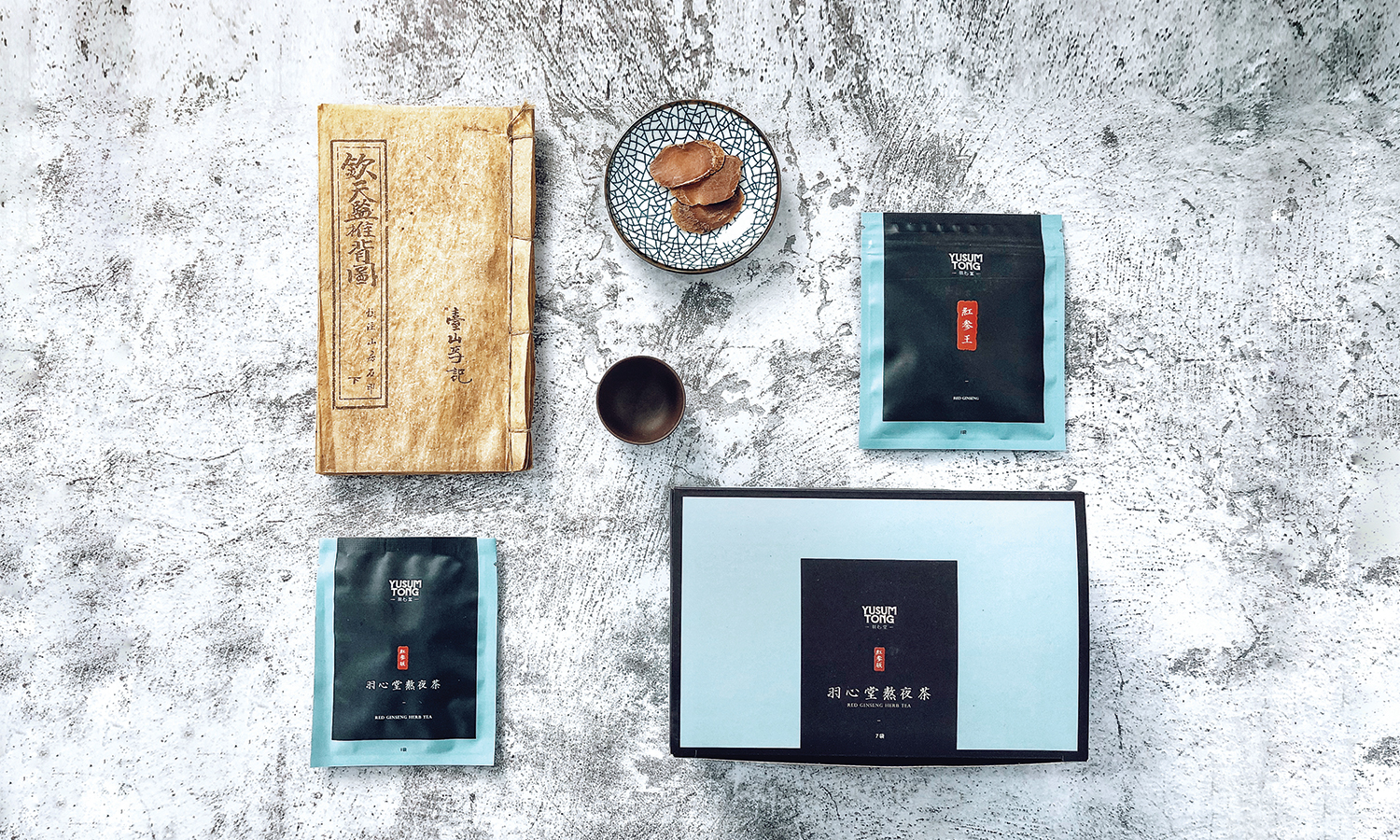
    Bringing together the wisdom of three generations in Hong Kong, YU SUM TONG integrates Chinese and Western culture to provide daily life solutions to urban citizens who are too busy to take care of their mental and physical wellbeing. Through convenient yet effective products, YU SUM TONG aims to intervene on sub-health conditions, preventing chronic illnesses and early aging symptoms.

    YU SUM TONG carefully chooses specialty herbs, natural and safe ingredients while rejecting those disturbed by heavy metals, chem-pesticides or polluted environments. Formulations are compatible with international standards without using harmful additives, unnecessary chemicals, artificial fragrances or colorings.

    Ying and Yvonne, the co-founders of YU SUM TONG, are both from TCM and wellness families. From when they were young, they have learned about herbs and they possess rich practical experience in aromatherapy, spa and many other natural therapies. Since 2000, Ying has provided personal health management services to hundreds of celebrities and corporate leaders in mainland China and Hong Kong. Yvonne, with her family, has established a well-known consultancy and management company which holds an unwavering position in China’s hospitality and spa industry. The company has completed many big spa projects and provided branding and marketing services to clients as well.

    For 15 years, psychology and marketing graduate Yvonne Cheung has been a specialist in the spa and wellness industry in Hong Kong and China, designing luxury spas and promoting holistic therapies and hydrothermal treatment experiences. While she is a believer in TCM and natural therapies, she is concerned that urban citizens are too busy to take care of their own wellbeing. They suffer from stress, fatigue, infertility and weak immunity. In 2018, she and TCM doctor Ying founded YU SUM TONG, a brand that integrates the wisdom of Chinese and Western culture to provide effective yet travel-friendly solutions to prevent the acceleration of marginal health conditions, illnesses or early signs of aging. 

    In 2018, YU SUM TONG launched the first TCM range to provide mature, effective and convenient TCM solutions and natural dietary therapy to busy modern people, as well as to pamper women’s health. SpaChina interviewed Yvonne Cheung, the co-founder of YU SUM TONG.

    Why did you choose to develop products using a TCM base?

    First, I wanted to develop products that take a preventive approach to wellness; and wellness that blends in our daily lives – accessible (easy to buy) and adaptable (easy to understand). A lot of TCM concepts are very close to our minds. Second, we believe in the long-term benefits of using herbal soup, herbal bath, moxibustion, etc. but we are too busy to find out where to get all the ingredients, what is the right formula or how to use them correctly. There aren’t many ready products around or their quality is not stable.

    Please tell us more about YU SUM TONG and the TCM doctor Ying.

    Ying has been practicing TCM for more than 17 years, providing private treatments and health management advices to A-list celebrities and corporate leaders through acupuncture, herbal prescriptions and natural diet. Putting together her successful record in correcting weak physique, managing surgery or illness recovery, and treating infertility, YU SUM TONG launched its first TCM series in 2018 – Homology of Food & Medicine and Physique Conditioning.

    What kind of product concepts and messages do you want to deliver?

    Integrating Chinese and Western culture, and the wisdom of three generations in Hong Kong, YU SUM TONG provides daily life solutions for urban citizens who are too busy to take care of their mental and physical wellbeing.

    Through convenient yet effective products, YU SUM TONG aims to intervene in marginal health conditions, prevent chronic illnesses and early aging symptoms.

    YU SUM TONG carefully chooses specialty herbs, natural and safe ingredients. Formulations are compatible with international standards without using harmful additives, unnecessary chemicals, and artificial colourings.

    How long have you and your team been working on YU SUM TONG, and how many products do you have now? Please share 3 star products with us, with their concepts, recipe and effects.

    We started working on YU SUM TONG since 2017 and now we have around 30 products launched. And every month we are launching new products.

    Rosa Rugosa is a very special breed of Damascus III Rose is our signature and the most popular product.

    Among more than 7,000 species of roses, only Damascus Rose and Centifolia Rose can produce essential oil. Damascus roses are rich in botanic ketones that can regulate the menstrual cycle and menstrual flow. They can prevent premature aging of the ovaries, regulate endocrine, relieve pre-menstrual swelling chest and menstrual pain. Roses can also relieve liver Qi and regulate emotions, according to the Chinese medicine bible, Compendium of Materia Medica. Continuous consumption would result in smoother skin, brightened complexion and reduction of dark spots.

    Damascus III Rose is a pure bred of the ancient Bulgarian Damascus, and the essential oil is certified by Bulgaria, France and Japan. Wholesome rose corollas are picked manually during the 25-day blooming period once a year. They go through a traditional drying process without the use of sulfur or any chemical additives. At the end, only 1 out of 6,000 roses is selected to become Rosa Rugosa of YU SUM TONG.

    Saffron/Artemisia Argyi Moxa Therapy Patches are also very hot ever since their launch. A daily-applicable form of moxibustion treatment that do not require burning a moxa or visiting a clinic. YU SUM TONG selected Artemisia Argyi (Chinese mugwort) from Qiqing county which contains two times more medicinal content and much stronger warming effect than regular Chinese mugwort. Warmed Chinese mugwort can regulate the flow of Qi, relief joint and muscle pain and cast away abnormal cold and dampness in our body.

    Ganoderma (Lingzhi) Steam Eye Mask is probably the most handy treatment for mobile eye syndroms. Without removing makeup or putting on topical skincare, this self-warming eye mask helps improve blood circulation around the eyes, relieve fatigue, dryness, and discomfort. It can also calm the emotions and promote quality sleep.

    It seems that when you created these products, you had a clear sense of the final consumers’ needs and thought about their convenience in using these products?

    Our targets are urban citizens who are too busy to take care of their health and body physique. Regular treatments can be difficult for their schedule and taking medicine may not be appropriate. Our customers range from 25-45, mostly women. They understand the importance of maintaining a strong immune system; they are concerned about fertility potential, or they are uncomfortable with their marginal health issues, and they are trying to minimize the risk of getting chronic diseases.

    The products are already in retail channels and online channels. Are they also good for the spa as a professional range for treatments and also for spa retail?

    These products are designed for easy application and convenience for travelling, and they can complement many spa treatments to enhance wellness result or can be sold as an add-on service. For example, moxa therapy patches can match any massage and as a recommendation to prolong the result before the next treatment. Ganoderma Steam Eye Mask and Shouwu Scalp Revitalizing Essence can upgrade almost any spa treatment without time extension.

    Compared with 5 years ago, nowadays fewer spas want to include TCM treatments. What do you think the reasons for this are?

    TCM is always a recognized wellness concepts among Chinese customers although it’s been quiet in luxury spas recently, leaving only the hand-on techniques incorporated in most massages. YU SUM TONG takes on a modern TCM approach – no bitter medicine, no smelly moxa sticks, no painful acupuncture, but rather well-formulated recipe and pleasurable experience. It can be a tool to remind customers that staying well can be just simple.  

    What do you think about the future of TCM in China? How to educate the young generation to accept TCM?

    The Duchess of Sussex, Meghan Markle uses acupuncture to rehabilitate, and the “Flying Fish” Michael Phelps uses cupping to remove excessive water content in the body from being in the swimming pool for long periods of time. In recent years, TCM methodology is recognized widely and used in many Western countries. TCM originated in China is not only part of our culture but it represents lots of wisdom and human-nature philosophies.