Category: Interview

  • 重新定义生命之美

    重新定义生命之美

    访INDIBA ASIA主席兼首席执行官陈富元先生

    INDIBA®英特波®,起源于1983年西班牙巴塞罗那,38年来致力于医疗和美容设备的研究与开发,在西班牙、欧洲、美国等多国均有多项国际专利,也早已获得美国FDA、欧盟、日本、新加坡等多国、多项医学认证,在医疗和美容领域备受瞩目。

    其产品涵盖了全球多业种健康行业业态如医疗、康复、SPA与美容多方面的治疗、疗愈与养护,并拥有众多客户与粉丝。SpaChina访谈了INDIBA ASIA主席兼首席执行官陈富元Charles Chin先生,深度了解这个被誉为医疗美容和大健康业界传奇的品牌,并聆听其未来的发展布局和计划。

    INDIBA®的核心品牌技术是什么?

    INDIBA®英特波®品牌的核心有三项内容:

    1. 拥有300多篇医学学术论文,19项国际专利,6项在审发明专利,给国内带来的不仅仅是仪器本身的优异性,更重要的是近四十年成功的实践经验和技术理念;

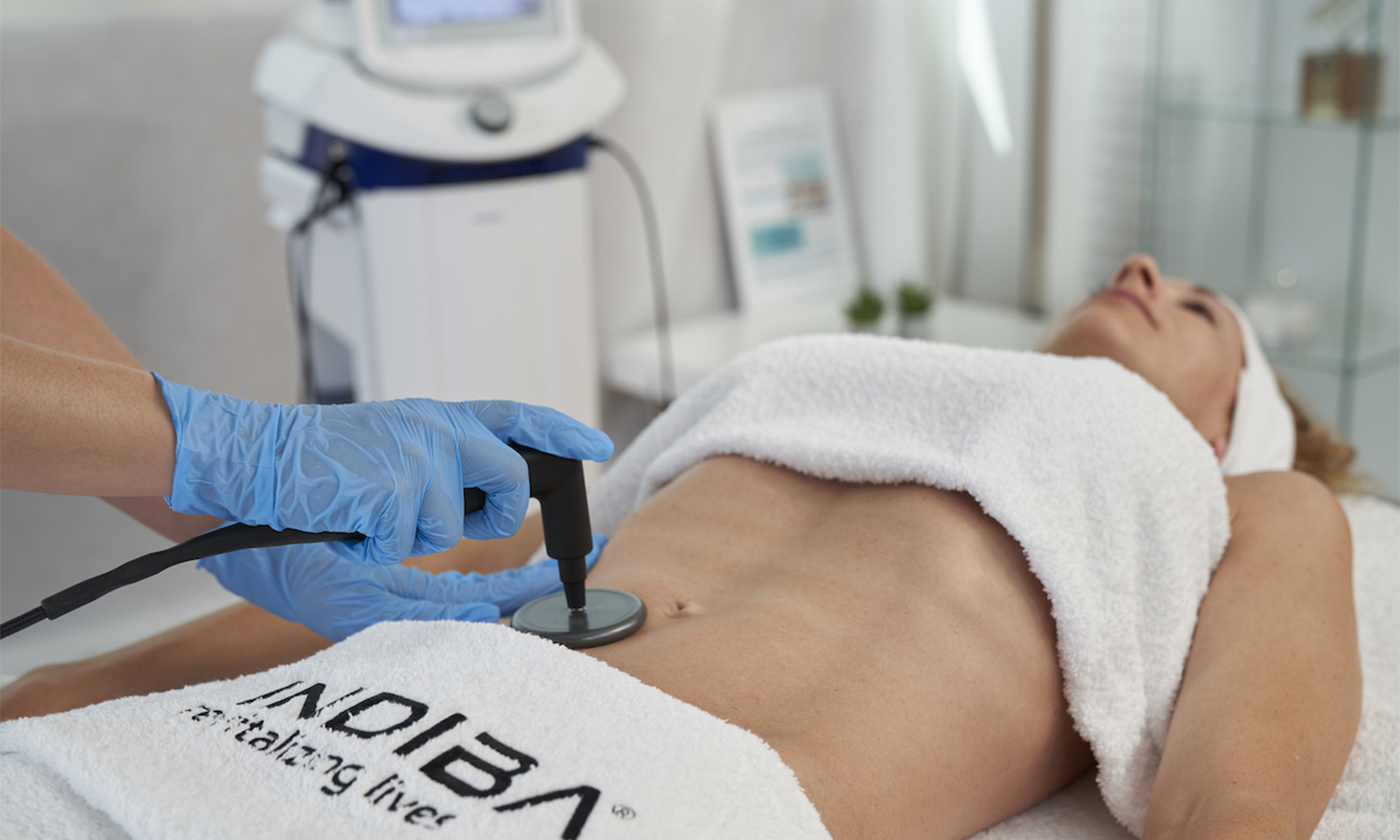
    2. 自主研发精准靶向性的448千赫兹Proionic System®(细胞平衡技术),调节细胞内外离子的活动,打开离子通道,促进细胞(胞吞和胞吐)的跨膜运输,能有效快速地达到细胞的修复与恢复最佳状态;

    3. INDIBA®英特波®内生热技术:利用高频能量使细胞的各个阻抗与分子移动,产生从内到外热能,热源从身体内部产生,达到持续4至8小时的温热,延长新陈代谢,提升人体自身的核心基础体温。我们都知道,基础体温较高能够让免疫系统维持较好的状态并持续工作,内生热技术能有效地维护改善身体的免疫系统状态,保持健康。

    总括来说,INDIBA®英特波®不仅仅是完美的运用了“热”,还完美的运用“非热”的448千赫兹Proionic System®(细胞平衡技术),让组织细胞达到完美健康态。而关于448千赫兹:精准和稳定的448千赫兹频率可在细胞层面促进生物刺激,快速恢复细胞功能。其再生、抗炎、抗敏、以及对自体间充质干细胞的增殖作用,可在组织层面达到消炎镇痛,促进骨折和软组织愈合,改善血液循环,减少肿胀和淤青,刺激组织再生的效果。更值得一提的是,此频率还有抑制脂肪形成的功能效应,就是指减脂后的反弹率低,是瘦身美业的独创科技。

    至今为止,INDIBA在中国与什么样的业态合作?

    自2016年进入国内以来,我们针对运动医学、医疗医学、生活美容、及动物康复等四大领域都有其针对性的部署,也积极融入这四个领域。

    比如,INDIBA®英特波®的运动医学系列“CT系列”已经作为教学项目进入北体大(北京体育大学的康复系,中国体育行业的最高学府),目前在北体大的物理治疗大厅都能看到INDIBA®英特波®。至今,北体大已针对INDIBA®英特波®发表了至少三篇硕士论文,两篇学士论文,主要方向是运用INDIBA®英特波®改善运动损伤和治疗骨关节疾病。

    INDIBA®英特波®的运动医学系列还中标了体育总局的采购,作为医疗保障和有效提高运动员表现力的技术和品牌。INDIBA®英特波®已经被国家体育总局的多个专业队采用,比如田径队,羽毛球队,射击射箭队。在运动医学行业里,INDIBA®英特波®是冠军级的存在。

    INDIBA®英特波®医疗医学系列“NS系列”是应用于手术外科、整形外科、妇科、皮肤科和疼痛科的专业医疗器械,目前正在过证CFDA的注册,不久的将来INDIBA®英特波®就可以为医疗行业带来开创性的篇章。

    动物康复“AH系列”为马术运动中的赛马提供保障,近年来INDIBA®英特波®也涉足小动物健康市场,为现代人的毛小孩们的健康保驾护航。

    而INDIBA®英特波®生活美容王牌“IA系列”和“ER系列”在我们进入到国内后即被界内专业人士认可,累计销售已超过一千多台。目前国内顶尖美业用户均与INDIBA®英特波®有非常密切的合作。现全球装机量也已超过两万五千多台。我们在美容行业采用直营的模式,暂且无授权任何代理商或分销商,也尽可能的避开了“项目合作”公司的销售渠道。

    作为INDIBA®英特波®中国分支机构,英特波科技(深圳)有限公司和英特波科技(北京)有限公司都有机会直接服务每一个用户。

    对于SPA和美容院来讲,什么样的INDIBA疗程会适合?

    INDIBA®英特波®能做的项目很多,一般来说只要是使用过INDIBA®英特波®的人无一不为它所带来的细腻舒适感所折服,除了常规的项目之外,在这里分享一下进入中国以来,市场上最受欢迎的一些特色疗程项目,也是INDIBA®英特波®做得到,而其它设备做不到的。

    1. INDIBA®英特波®可以不需要戴眼盾或其他防护工具即可操作整个眼部,可涵盖上下眼皮、内眼角等细致部位,针对眼部皱纹和细纹,能平滑及收紧眼部周围的皮肤,除此之外对于用眼过度视疲劳、干眼症以及现代人的眼疾困扰都可进行预防与改善。

    2. INDIBA®英特波®可操作整个胸部,包含乳晕乳头部分。除了针对胸形护理之外,也可改善乳房健康,包括产后乳腺、乳房疼痛、乳头分泌等情况。

    3. 在身形上,INDIBA®英特波®独特的448千赫兹除了针对皮下脂肪进行改善外,我们也是首家以科学依据创导减少内脏脂肪的技术。这是市场上其他设备无法做到的。

    4. 针对关节炎、关节疼痛、关节僵硬等情况,使用INDIBA®英特波®也都可以获得一定程度的改善,大幅提升客户们的满意度。

    5. 除此之外,INDIBA®英特波®也为特色项目开发专属配件,比如筋膜刀,私密健康,头皮抗衰,SPA Sculpture等。尤其是在私密健康方面,INDIBA®英特波®取得相关的临床报告对于卵巢子宫内膜异位症、息肉、盆腔炎和盆底肌修复等都有良好的改善效应。而专为SPA设计的Sculpture套组结合INDIBA,与人手按摩相比,更能提供轻松而有效的按摩效果,同时将身形雕塑发挥到极致,针对高低肩、富贵包、妈妈臀、腹部收紧、假跨宽、大小腿线条等都可以在一次治疗后看到非常明显的效果。对于现代人亚健康、亚疾病的情况在使用INDIBA®英特波®后,除可有效预防外,更可为其进行修复。可谓是大大的提升门店附加价值,为门店带来不同的收益。

    当然,我们并不是说INDIBA®英特波®是台多么神奇的设备,如果真的生病了还是必须要去医院就诊的,但是在就诊的期间内,INDIBA®英特波®可作为辅助治疗工具与医师们共同为您的健康保驾护航。

    后疫情时代,人们非常关注免疫系统的相关项目,INDIBA在免疫系统调节方面有什么与众不同之处?

    多年前INDIBA®英特波®就已制定了关于免疫系统调节应用的方案并投入使用多年,在后疫情时代的今天,INDIBA®英特波®医疗团队提出了可以改善新冠康复者呼吸机能的方案。很多COVID康复者会经历呼吸困难的症状,INDIBA®英特波®能改善症状和加快恢复,更重要的是可以提升康复者们的生活品质。

    众所周知,免疫力与健康息息相关,而INDIBA®英特波®第六代采用了双结合的突破性技术,以448千赫兹搭配20千赫兹的专利调制模式,让组织倍数性的快速修复且有效的提升我们的基础体温。经研究报告得知,基础体温每上升1度摄氏,人体的免疫力即可上升37%。

    再者INDIBA®英特波®经实验证明,可以有效平衡细胞,促进自体间充质干细胞增值高达25%,我们都知道间充质干细胞在人体内所发挥的功效,而INDIBA®英特波®在安全、舒适、非侵入性的情况下,正常操作即可享有这独特的健康助益,我想应该是很多人都想获得的。

    怎么看市场上的同类竞争?

    将“revitalizing lives”作为我们INDIBA®英特波®的口号,同时我们也将其视为我们的使命,也是INDIBA全球每位伙伴持续努力的目标。我们团队相对的低调,在市场营销方面主要以优质口碑相传,通过强大的功效来获得客户们的青睐与复购。

    INDIBA®英特波®从1983年成立至今 “一直被模仿,从未被超越”。西班牙医学科研团队在不断研发和创新,而中国团队在大健康、医疗医学,生活美容和康复理疗领域拥有丰富的经验,以科学、理性不激进的态度,并高度积极地投放资源,尤其是持续开发SPA和生活美容的项目。如今,大家都越来越明白,健康与美是并存的,而INDIBA®英特波®就是能够很好地展现健康与美的一个品牌,来重新定义生命之美,INDIBA Revitalizing Lives。

  • The Spa Product Analysis

    The Spa Product Analysis

    An interview with Mr. Tony Li, President of Greater China,
    Bridestowe and Founder of Pulin SPA

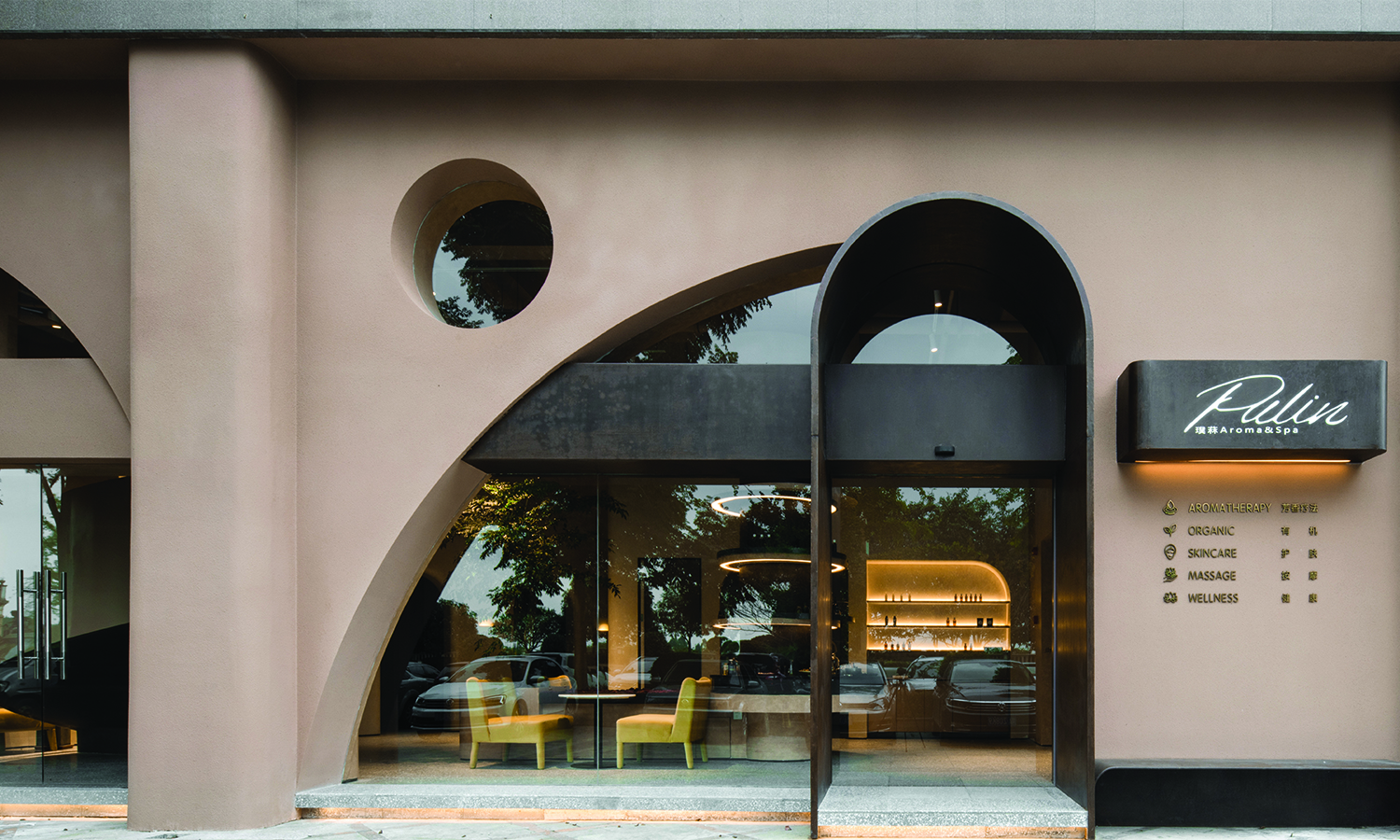
    The professional line products which were little known by ordinary consumers have now come into full public view. What are the differences between professional line and retail line spa products? What are the pros and cons of each and how should we choose? SpaChina invited Mr. Tony Li, Founder of Pulin SPA and President of Greater China, Bridestowe, to share with us the differences between spa professional line and retail line products in terms of product category, ingredients, effects, brand marketing methods and commercial operations. He will also analyze some of the new phenomena and trends in the spa product market.

    With over 20 years of experience in high-end beauty retail and brand management, Tony has witnessed the historical evolution of China’s beauty industry from the massive sales on supermarket shelves to refined sales on department store counters. He was once the youngest brand manager in Shanghai Jahwa since 1898, and was deeply involved in the positioning and marketing of brands such as gf and HERBORIST. He founded Ao You Trading Company in 2010, focusing on introducing natural, organic and lifestyle products to China. He has introduced various organic and health brands such as PerfectPotion, Canvas Beauty, Blackmores, VIERRA, Bridestowe Lavender and beauty brands such as Banilaco, Refa, etc. He has rich practical experience and keen market insight to promote the development of international brands in China’s market. SpaChina interviewed him.

    How do you define professional line and retail line products?

    Professional line: highly effective, highly targeting, result-oriented products and brands with a high sense of experience, which are used in treatments or with devices at professional beauty institutions such as spas, beauty salons, skin management centers, five-star hotel spas and airline VIP beauty centers.

    Retail line: products and brands facing the general retail market, highly adaptable with emphasis on beautiful packaging and effective marketing, safety and stability, able to meet the needs of people in different places and with different skin types, usually with a long shelf life.

    What kind of brand stories and backgrounds do retail line and professional line products have respectively?

    Retail line products, whether mass-market or niche brands, usually have an impressive brand story. Group brands, with strong marketing resources and brand matrix, share their R&D achievements within the group, and stimulate sales by creating star ingredients and patented formulas, as well as through strong marketing promotions. They invest heavily in marketing and have relatively controlled R&D costs. Niche brands tend to focus on natural, green, vegan or organic concepts, focusing on the product itself, with less investment in marketing and promotions.

    Professional line products normally have a longer history, mostly with family background and their own R & D capabilities, as well as unique formulation technology and brand philosophy. They price the products based on the production costs. Their selection of raw materials and ingredients are quite strict and they generously add active ingredients into the products in order to bring forth a better skincare effect.

    However, professional line and retail line products have become more and more inter-penetrating in recent years, and the boundary is blurring.

    What are the differences between retail line and professional line in terms of product categories and packaging?

    The retail line products are market-oriented and have various categories with different targets. New products are launched every year according to the market demands. Starting from the basic ranges of moisturizing, whitening and anti-aging, more sub-categories and single products are furtherly developed. The brands tend to do concept marketing and create star products and invest a lot in the packaging design. They highlight the brand genes and tone, emphasize the brand’s uniqueness and differentiation with packaging materials and the overall visual design. The product packaging often accounts for 70% or more of the overall cost.

    Professional line brands do not emphasize a luxury packaging (except for the retail end of professional lines), but rather they spare no effort in product development and effect enhancement. The packaging is usually simple and elegant. The professional products feature a clear division of ranges and have a focus on immediate results. The brands meticulously study and develop products targeting different skin types and different parts of the body. They are very cautious in launching any new products.

    In terms of product ingredients and effects, what is the focus of the professional line and retail line respectively?

    Retail line products focus on stability and safety, and the adaptability for different skin tones and skin types. Retail line brands usually have a clear brand concept and their star ingredients. They tend to guide consumer’s consumption habits and care about the products’ fragrance, texture and packaging design. The addition of active ingredients is often within the safest range. They also need to take into consideration whether the formulas comply with the national regulations.

    Professional line products focus on immediate effects. Regarding the same ingredient, professional line products usually have a higher concentration than the retail line products, within the permitted range. Professional line brands in Europe and U.S feature natural ingredients, high efficacy, and strict production standards. They are also the earliest to advocate “cycle care” concept. Represented by Switzerland, some European brands integrate developed medical and biological cell technology into the product development. These products usually have powerful anti-aging effects and are sold at a relatively high price.

    What are the advantages and disadvantages of retail lines and professional lines in terms of marketing methods and promotion channels?

    Retail line brands choose a diversity of ways to reach the market when it comes to marketing and promotion such as TV and paper advertising, social media, Xiaohongshu, live broadcast, and so on. They also sponsor popular entertainment programs and offline PR activities. In particular, they invite celebrity friends and spokespersons who match the brand’s DNA to increase the brand awareness and market share. They promote “fan” economy and usually enjoy a high popularity. However, popularity is a two-edged sword which may leave people with the impression that the retail line products are the results of an industrial production line. The rise of niche brands is proof of that. When choosing a retail line product, consumers also automatically bear the cost of advertising and marketing for the brand. And the actual cost performance of the product has come to a compromise.

    Professional lines tend towards channels within the industry, such as professional journals, industry forums and exhibitions, with slightly lower visibility compared to retail brands in the mass market. However, as professional line brands gradually focus more on the retail market, they begin to promote home use products in more and more retail channels and areas such as spas. As they are gradually moving into the mass market, they have improved their brand awareness and market share. With the development of social media, the professional line brands have gained quite good feedback from the consumers on the internet, which reinforces the brand’s influence. The boundary between professional line and retail line products is inevitably blurred.

    What are the specific differences between the retail line and professional line in terms of business operations?

    The brands of retail line surely have their own unique genes, and their operation is based on accurate customer positioning. Accordingly, they develop products, create visual identity, and determine the sales channels, etc., to improve market share and sales scale. 

    The professional line brands focus on product innovation and the use of new formulas and new technologies. They launch new treatments according to the global latest beauty trends and their own brand concepts in order to solve more skin problems and meet the deep skincare and beauty needs of consumers. Now more and more professional line brands are bringing their new treatments and products to spas so as to reach the target group directly. Professional line products show a trend of high-end, meticulous and market-oriented development.

    Many brands have started to do business online. What do you think of this trend?

    The advantages of doing business online are obvious. There are no geographical or time constraints, and you can capture the potential consumers at any time through visual works or words. You can also share your experience with like-minded people through social media.

    But since it’s so free to share on the social media, it’s inevitable that some comments may exert a negative impact on the brand. That’s why it’s important to combine online and offline business especially when it comes to skincare and fragrance product categories. The offline counters can provide an immediate experience to the customers on site such as to smell the fragrance and check the effects. The offline interaction and product trials can’t be done on the online platforms. 

    However, the immediacy of offline sales is a great test of the personnel’s selling ability, which is the key to the success of offline business. So it is easy to open a store but hard to get it to continue to thrive.

    From the consumer’s point of view, what kind of products will attract them?

    Ordinary consumers are usually drawn to try a new brand by advertisement, brand awareness, spokesperson, KOL’s comments and the product packaging, as well as the fragrance and texture of a product. Professional consumers are more concerned about the product’s function, the technical content of the formula, the source of ingredients, and whether the packaging is environmentally friendly.

    Professional lines are actually very popular among consumers. The higher technology and more targeted products and treatments can better solve skin problems in a timely and effective manner. Meanwhile, customers can enjoy a pampering journey in private and peaceful environment.

    More and more retail brands start to open experiential workshops in shopping malls. They develop treatments to enhance the customer’s experience of the products, with a clear sales orientation. However, due to the lack of a rigorous treatment procedure design and professional operating environment, the sense of experience is poor. Moreover, too much sales pitching from the personnel leaves a bad impression on customers.

  • 专业线和零售线对比剖析

    专业线和零售线对比剖析

    访布瑞尼斯托大中华区总裁、璞SPA创始人黎杰先生

    曾经很少被大众消费者接触到的专业线产品开始慢慢进入人们的认知,SPA专业线和零售线产品到底有哪些区别,各有哪些利弊,我们该如何选择?SpaChina邀请到璞SPA创始人、Bridestowe布瑞尼斯托大中华区总裁黎杰先生为我们详述SPA专业线和零售线产品在品类、成分、功效、品牌营销方式和商业运作等方面的区别,并分享护肤美容市场上的一些新现象和新趋势。

    黎杰先生拥有逾20年高端美容零售及品牌管理经验,见证中国美妆行业从超市货架到百货专柜精细化销售的历史演进,曾是上海家化1898年以来最年轻的品牌经理,深度参与高夫、佰草集等品牌的定位、上市与营销工作。他于2010年创立澳优贸易,专注天然有机与风尚品类,先后引进或代理PerfectPotion、Canvas Beauty、Blackmores、VIERRA、Bridestowe Lavender等有机健康产品及Banilaco、Refa等潮流美容品牌,拥有非常丰富的实操经验及敏锐的市场洞察力,助力并推动品牌在中国市场的发展。SpaChina 采访了他。

    护肤品专业线和零售线各自的定义是什么?

    专业线:专供泛美容领域的专业机构使用(SPA水疗中心、美容院、皮肤管理门店及五星级酒店SPA或航空公司贵宾美容服务)的高功效、高针对性、高体验感、讲求对症下药、以产品效果为导向、借助护理疗程或仪器达到保养诉求的产品和品牌。

    零售线:顾名思义,是面对广大零售市场的产品和品牌。产品普适性强,强调精美包装及市场推广,以适应绝大多数地域和肤质,侧重安全性和稳定性,产品保质期较长。

    零售线和专业线的护肤产品,各自会拥有什么样的品牌故事和背景?

    零售线产品不论大众品牌还是小众品牌,通常都有一个美好并具有渲染力的品牌故事。集团性品牌基于强大的市场网络资源和品牌矩阵,会共享研发技术或成果,通过打造明星成分、专利配方,配合强力的市场营销推广来刺激销售,往往营销费用占比很高,研发成本相对可控。小众品牌往往主打天然环保或全素、有机概念,重点关注产品本身,在营销推广上投入较少。

    专业线品牌则相对来讲历史更悠久,大多具有家族背景及自身研发能力,独具特色的配方技术和理念,往往是以生产成本决定了产品定价,对原材料及成分选择上挑剔苛刻,活性成分足量添加,使用效果颇佳。

    不过专业线产品和零售线产品近年愈发呈现交互渗透的状态,界限也呈现模糊化的趋势。

    零售线和专业线的护肤产品,在品类、包装等方面有什么不同?

    零售线护肤产品以市场为导向,品类相对规整,每年都会依据市场需求推陈出新,系列划分和SKU创新也在从广度到深度演进。从最初基本的保湿、美白、抗衰等系列逐渐延伸出更多细分品类和单品。强化概念营销及推广,重点打造明星产品、概念产品。在包装设计上会精雕细琢,非常舍得投入。从包材及整体视觉设计上会突出品牌基因和调性,强调独特性及差异化,往往产品包材包装会占到产品成本的70%甚至更多。

    专业线护肤品不会过度强调包装的奢华精美(专业线品牌的零售端产品除外),反而在产品研发及功效提升上不余遗力。通常包装简约素雅,系列划分清晰明了,侧重即时效果。在针对不同肤质、局部护理的品类研究上非常细腻入微,对每款产品的推出都较为谨慎。

    从产品成分和功效来看,专业线和零售线各自更注重什么方面?

    零售线产品注重稳定安全,及不同肤色及肤质的普适性原则,主打概念和明星成分,引导消费习惯,关注产品的香气及肤感,及产品的包装设计。活性成分的添加往往都在最安全的范围内,同时还要考虑产品配方在国家相关部门备案的通过率问题。

    专业线产品注重即时高效。所以哪怕是同一个成分,通常专业线产品也会在法规允许范围内将浓度提高一些。欧美系专业线品牌取材天然,高功效,生产标准严苛,也最早推行周期护理理念,习惯全按摩式SPA享受,现在以瑞士为代表的一些欧洲产品,结合了发达的医疗和生物细胞技术,以抗衰老见长,价格也相对较高。

    在营销方式和推广渠道方面,这两种产品各自有什么优势和弱势?

    零售线产品营销和推广通常会选择面向大众的多元方式,比如电视和纸媒广告、社交媒体、小红书种草、直播等等,亦会赞助热点娱乐节目及线下公关活动,特别是邀请与品牌基因相符的明星好友、代言人,从而提高品牌知名度和市场占有率,提倡粉丝经济。零售线产品往往都拥有较大的知名度,但知名度也是一把双刃剑,容易留下工业化流水线的印象,小众品牌的崛起也侧面应证了这一点。选择零售线产品的同时,消费者也等于默认承担了品牌的广告投放和营销推广的费用,产品实际性价比并不见优势。

    专业线往往会在行业内的渠道,比如专业期刊、行业论坛及展会上下功夫,相较大众市场的零售品牌知名度略低。但随着专业线品牌逐渐重视零售市场,在越来越多的零售渠道和SPA中心的零售区域开展居家零售产品的推广及销售,逐渐走入大众市场,反哺了专业线产品的知名度和占有率。专业线品牌亦随着社交媒体的发达,在网络上建立了越来越多的良好反馈和口碑,加固了品牌的影响力。专业线和零售线产品的界碑,不可避免的模糊起来。

    在商业运作方面,零售线和专业线具体有什么不同?

    零售线的品牌一定拥有自己独特的基因,运作亦建立在精准的人群定位画像上,圈定了消费人群,再设计出适合的产品、视觉vi、售卖渠道等,从广大的消费者中收获销售业绩,提升市占率和销售规模。

    专业线则将重点放在产品的创新,新配方、新技术的运用,接轨世界最新的美容潮流,配合各品牌的核心理念,推广新的疗程,解决更多的肌肤问题和满足消费者的深度护理诉求。越来越多的专业线品牌将新疗程和产品的推广放到终端SPA中心,与目标人群零距离接触。专业线产品呈现出高端化、细致化、市场化发展的趋势。

    如今,很多产品转战了线上,您怎么看这个状况?

    线上的优势显而易见,没有地域和时间的限制,任何时候都可以通过视觉和文案的传递,捕获潜在消费者。通过社交媒体,和志同道合的人一起分享心得体会。

    但也因为线上没有护栏,不和谐的声音也会对品牌的发展有一定的负面影响。所以线上和线下的相互补充借力就显得尤为重要,特别是护肤品和香氛品类。线下专柜可以提供线上无法实现的即时体验、闻嗅及功效呈现。线下与消费者即刻的互动交流,产品试用,以及人与人的情感传递,是线上无法实现的。

    但是,线下销售的即时性,对品牌的培训能力、BA体验式销售能力,都是莫大的考验,也是线下制胜的关键。所以说,开店容易、守店难。

    从消费者的角度来看,什么样的产品会吸引客人?

    从普通消费者的角度来看,在不了解一个品牌的时候,通常会通过广告宣传、品牌知名度、代言人、kol种草和包装的独特性等要素来尝试品牌,以及香气和肤感的体验来选择单品。对于相对专业的消费者来说,产品的功能介绍、配方技术含量、成分来源、包装是否环保等等则是更吸引他们的地方。

    专业线的产品其实还是很受到消费者的喜爱的。因为产品技术门槛较高,配合有针对性的产品和护理疗程,能及时有效的改善肌肤问题,并能享受到品牌细致入微的体验式护理服务,注重仪式感和私密幽静的护理环境,也让消费者安心。 越来越多的零售品牌亦开始在商场开设体验式美容坊,设计护理疗程,增强客户对产品的体验,销售导向明显。大多以消费积分兑换护理项目,但因缺乏严谨的流程设计和专业的操作环境,令不少品牌的美容坊体验感欠佳,难以预订,以及销售人员不停促销也为消费者诟病。

  • The Digital Transformation in Wellness and Beauty Industry

    The Digital Transformation in Wellness and Beauty Industry

    An interview with Mr. Siddharta Lizcano,
    Director of Digital Design, BMW Designworks

    In recent years, China has undergone a rapid and widespread digital transformation. Digital life has penetrated into the homes of ordinary Chinese people, especially the younger generation. Many industries have also achieved business success through digital transformation. SpaChina invited Mr. Siddharta Lizcano, Director of Digital Design at BMW Designworks and an owner of his own aromatherapy family brand, to share his insights on how the spa and wellness industry can seize the opportunity to follow the digital trend and better cater to the needs of young consumer.

    As the Director of Digital Design for BMW Designworks, Siddharta leads a team of UI/UX designers, in Shanghai and Beijing, to define digital interfaces (Onboard system, Apps) for BMW, MINI and Rolls Royce. Prior to joining BMW, he was a Creative Director and innovation consultant for top-tier innovation agencies such as Sapient and Frog Design. In this capacity, he has helped many MNCs, local brands and Startups to define innovative digital products and experiences that drive real impact across the Asia market. He has worked with Nike, Adidas, Burberry, 3M, Singtel, DBS, Haier, Haidilao, Midea, GSMA, to name but a few.

    How many years have you been in China? What kind of changes do you see in terms of beauty, spa and wellness awareness and requests from Chinese people over these years? Compared with Europeans, do Chinese people have any special needs and interests on beauty and wellness?  

    I have been in China for nine years, and during this time I have had the privilege of seeing digital transformation at the largest scale possible. It’s truly remarkable that now our customers live completely hybrid lives in terms of how digital touchpoints have been integrated into their day-to-day. From brand, product and service discovery to fulfillment, payment and social sharing; its mostly all happening in the digital space. This is, of course, affecting the Beauty, Spa and Wellness industry, but I do see that the industry is slower to adapt than others.

    When it comes to the Chinese customers’ needs, there is a big generational shift towards personal care and an appetite for new innovative ways to do things without compromising quality of life and comfort. I see this as a big opportunity. The Chinese customer is a kind of mass early adopter, willing to try new brands, products, rituals and routines. Now is the time to innovate and engage with them in ways that will resonate with their desired lifestyle.

    The fact that they live hybrid lives is also changing how brands and service providers engage with them. They expect a more human, direct, real and engaging relationship that goes beyond commerce into general interests and personal development. The rise of short video and live streaming is a good example of this. These formats are, by nature, more direct, real and engaging. How we promote services and products needs to evolve in this direction.

    Your speech topic for the SpaChina Summit is “Digital service delivery and content strategy – choosing the right tools for successful digital transformation.” What made you decided to talk about this? How does this topic apply to spa and wellness industry?

    I have been a Digital Innovation, Strategy and Design consultant for over 13 years now, both in Europe and China. Throughout those years, I have helped many clients from a wide range of industries to develop digital services and products and to define effective digital strategies for business success. At my most recent role in BMW Designworks, I was both leading the design of the app and vehicle China interfaces and also consulting for external clients. Throughout all this time, I have helped to enable digital transformation efforts for different companies and seen the success that resulted. I feel that the Beauty, Spa and Wellness industry has been too slow to adapt these new technologies and processes and as a result established players might be at risk of disruption from new companies that embody this competitive advantage.

    During the talk I want to share with the audience, not just the tools, but more importantly the mindset that comes with Digital Transformation. My ultimate aim is to inspire and empower the industry and its more established companies to innovate and remain top-of-mind for Chinas customers.

    Your family is also in the product business. What is your branding concept and marketing strategy? Who are the customers for your products in China? What kind of distribution channel are you using? Do you also use any digital tools for business?

    When we defined our China Market Entry Strategy for our Spanish Luxury Natural Cosmetic Brand, we first focused on customer research to gain a deep understanding of customer needs, expectations and pain points. This led us towards a “digital first” approach, where we developed both brand and sales channels exclusively on digital platforms for the first couple of years. Our focus was very much Brand Building, to establish a foundation that would enable customer loyalty and in-turn sales. Digital sales channels were selected to help build trust and reputation and we developed a content strategy to enable the right type of brand engagement.

    This year, we have expanded into professional channels (which is our normal channel in Europe) and are developing integrated efforts that leverage our digital brand building. We are also looking forward to partner with some key clients to help improve their digital strategy and collaborate in a new, more integrated way. Ultimately we want to disrupt the idea of a Brand being a manufacturer and move towards a true partnership with Beauty, Spa and Wellness service providers, and we believe Digital Transformation is our enabler for this to happen.

    In terms of digital tools, we leverage tools that our customers frequently use, but we have also developed early service concepts (WeChat MiniPrograms) to test out new ideas in digital wellness. We hope to roll some of these out if they prove to be successful in the near future.

    How do you see the China Spa and wellness industry overall – market needs, market potential, competition and future possibilities?

    I think the China Spa and Wellness industry could become a world leader in innovation and digital integration. We are already starting to see this in other industries. Automotive, for example, is now booming and soon Chinese Brands will dominate. TikTok has recently hit one billion active users, which is amazing! The fact that China has a population of early adopters and digital ecosystems that are more mature and advanced than the West is a clear market advantage for those that choose to capitalise on it. Couple that with this emergent hunger for lifestyle-driven self care and the opportunity is massive.

    Of course, it’s not easy. The digital landscape is complex, volatile and dynamic but with the right agile processes in place and an innovation-focused mindset some players in the Spa and Wellness industry will rise to the top. After that, global success is just around the corner.

  • 数字化创新

    数字化创新

    访宝马集团创意设计咨询公司BMW Designworks数字设计总监刘西迪先生

    近几年,中国经历了迅速而大范围的数字化转型,数字化生活已经深入到中国的寻常百姓家,年轻一代尤是如此。许多行业都凭借着数字化转型获得了商业成功。而对于水疗养生业来说,该如何抓住机遇,紧随数字化潮流,进而更好地满足年轻消费主力军的需求和喜好?SpaChina邀请到BMW Designworks宝马集团创意设计咨询公司数字设计总监、同时拥有自己的家族芳香精油品牌的刘西迪先生(Siddharta Lizcano)为我们分享他的见解。

    刘西迪毕业于伦敦艺术大学交互式媒体专业,获硕士学位。作为宝马集团创意设计咨询公司数字设计总监,他带领用户界面/用户体验设计师团队在上海与北京地区,为BMW、MINI和劳斯莱斯设计数字界面(车载系统、应用程序),打造未来体验新概念。加入宝马集团前,他曾担任Sapient、Frog Design等顶级创意咨询公司的创意总监和顾问,协助许多跨国公司、本土品牌和新创公司设计了轰动亚洲市场的创意数字产品和体验。他所合作过的品牌包括:耐克、阿迪达斯、巴宝莉、3M、新加坡电信、星展银行、海尔、海底捞、美的、GSMA等等。

    您在中国多久了?这些年,中国人对于养生、水疗、美容的意识和需求有哪些变化?与欧洲人相比,中国人的美容和养生需求有哪些独特之处?

    我在中国已经有9年时间。在这期间,我有幸见证了最大规模的数字化转型,各类电子设备已完全融入了消费者的日常生活,从品牌、产品和服务的挖掘,到支付和社交分享,所有一切都发生在数字空间里。而这必然也影响到了美容、水疗和养生行业,不过这个行业的反应似乎比其它行业要慢一些。

    中国的养生和美容市场越来越多由年轻消费者主导,他们重视个人护理,喜欢创新,对于生活的品质和舒适度有很高要求,这为行业人士提供了许多机会。中国的消费者非常乐于尝试新品牌、新产品、新服务,因此,我们需要做的就是更多创新,来迎合他们所期望的生活方式需求。

    年轻人的电子化生活方式也改变了品牌和服务提供商与其互动的模式。年轻消费者们渴望更加人性化的、直接的、有趣的互动形式,不仅仅是商业交易,而是能触及大众兴趣和个人发展的新途径。短视频和直播的流行就是一个很好的证明。这些形式在根本上都更加直接、真实、有趣。我们对服务与产品的推广自然也需要朝着这一方向努力。

    您在SpaChina2021年养生与水疗峰会上的演讲主题是:“数字化服务和内容策略——选择正确的工具成功实现数字化转型”。为什么会想要讲这个主题?它和水疗养生行业的关系是什么?

    我做了13年的数字化创新、策略和设计顾问,在欧洲和中国都工作过。这期间,我帮助各行各业的客户们开发数字化服务和产品,制定有效的数字化策略来助力商业成功。在BMW Designworks,我带领团队为中国区的客人设计app和数字界面,同时为外部客户提供咨询服务。这一过程中,我帮助不同的企业和公司实现了数字化转型,并见证了转型后的商业成功。我认为,美容水疗和养生行业对于数字化转型这一新潮流和相关的新技术接受得有点滞后了,这意味着,行业内的一些老牌公司将很有可能在市场竞争中输给那些拥抱数字化科技的新生品牌。

    在演讲中,我希望能够与大家分享的不仅是实现数字化转型的工具,而更多是一种心态和理念。我的目的是给行业带来更多灵感,助力老牌企业实现数字化创新,使其保持自己在中国消费者心目中的首选地位。

    您和家人也拥有自己的产品品牌。你们的品牌理念和市场策略是怎么样的?在中国,你们的目标客群是谁?用了哪些销售渠道?会使用数字化工具吗?

    当为我们的西班牙奢华天然护肤品牌制定中国市场的进入策略时,我们首先进行了客户研究,来深度挖掘客户的需求、期望和市场痛点。然后自然而然的,我们被引向了数字化的策略轨迹,在头几年里,我们仅使用数字平台作为品牌发展和销售的渠道。我们非常注重品牌建设,以赢得客户的忠诚度,实现复购。我们所选择的数字销售渠道将帮助建立客人对我们的信任和品牌声誉。同时,我们也开发了内容策略来吸引客户的积极参与和互动。

    今年起,我们更多向专业渠道拓展(在欧洲,我们最多使用的就是专业渠道),并利用数字化品牌建设进行了多方面的努力。我们期待今后与更多优质客户进行更加创新和全面的合作,帮助他们提升数字化策略。我们希望能够彻底颠覆传统上认为品牌等同于生产商的观点,与美容水疗和养生服务提供者互利共赢。

    在数字工具方面,我们会利用客人惯常使用的工具,也会开发一些早期服务项目(微信小程序)来试验我们关于数字化养生的一些新理念是否会受到欢迎。如果市场反馈不错,我们将在未来全面推出。

    您怎么看中国水疗养生市场的发展,包括市场需求、市场潜力、市场竞争和未来机遇等。

    我认为中国的水疗和养生行业有望成为全球创新和数字一体化的领军者。我们已经在其它行业见证到了这一点。比如,中国的汽车行业蓬勃发展,不久的将来,中国的汽车品牌将在全球市场占领主要地位。抖音已经拥有了十亿个活跃用户。中国拥有一大批乐于尝试新事物、热衷于电子生态系统的人群,其市场甚至比西方更加成熟。在这个背景下,加之人们对健康生活方式的追求越来越强,市场潜力和机遇将是无限的。 当然了,想要抓住机遇获得成功,并非易事。数字化世界是一个复杂、不稳定、动态的系统,如果水疗养生人士能够采取正确而迅速的战略方案,始终坚持创新,必将在行业竞争中获胜,甚至在全球舞台大放异彩。