Category: Cover Story

  • Health & Wellness Optimization

    Health & Wellness Optimization

    By an External Consultant for EHL Advisory Services and MD at
    HWS Health & Wellness Solutions Advisory Agency

    The “Health & Wellness” sector could well be the answer to post-COVID redevelopment needs, and looks set to be one of the new vectors of growth and profits for hospitality destinations.

    To adjust to post-COVID life, we believe it is of the utmost importance for hotels to position themselves in the segment of “Health & Wellness Optimization” with a credible program as part of a new dedicated strategy. 

    Health Spa: The spread of health and wellness

    Since the 1900s, the hospitality niche of health and wellness has been developing around the world. France, for example, with its thermal and thalassotherapy destinations, has enabled thousands of customers to benefit from hotels associated with seawater or water-based thermal treatments, with the recent addition of dietary and stress management programs, therapeutic massages and fitness techniques.

    The model has grown over time with a new approach offering customers a high-quality hotel welcome alongside specific infrastructure and programs to optimize health, well-being and beauty. Often employing the best experts in the field, the health and wellness model offers a variety of stays dedicated to special treatments and cures.

    Asia was a forerunner of the development of new health destinations with Chiva-Som, Kamalaya and other centers attracting a niche clientele who came especially for a healthy vacation. India, already known as the home of Ayurvedic ancestral natural medicine, followed suit by creating high-end resorts for stays based on this alternative medical approach.

    For its part, the United States has offered ultra-specialized health & wellness centers such as the Golden Door, the Miraval and Canyon Ranch, while in Europe and particularly in Switzerland, centers more focused on exclusive anti-ageing care such as Clinique La Prairie have become popular.

    At the same time, some centers in this new health destination market have distinguished themselves with an offer of services at the cutting edge of technology and medical research such as the Sha Wellness Clinic in Spain or the Espace Henri Chenot in Italy.

    Faced with all these varied proposals ranging from simple spa/fitness center to specialized clinical wellness, can high-end hotels benefit from this growing demand for health optimization on the part of their customers and combine it with an offer?

    The answer is clearly, yes. EHL Advisory Services and HWS have predefined a few directives of which the most important would be that it is neither desirable nor feasible for hotels to compete with specialized health centers.

    One can order health care types in 3 categories: Medical, Preventive and Optimizing (or recovery post medical treatment). The latter being “non-intrusive” is suitable for a large clientele segment of the “healthy” individuals, increasingly open to the theme of lifestyle optimization.

    For example, online “client profiling” and pre-check-in allow venues to establish a health and well-being profile for each client, offering a unique program on arrival. These individual programs could be built upon a mix of essential pillars:

    Diet detox: A common request for clients wishing to lose superfluous weight. The diet acts to gently detoxify their body based on advice from a specialist according to the guest’s expectations. In addition, the hotel offers specific cuisine menus linked to the recommendations for each individual program.

    Stress and emotional management: A hotel stay provides an ideal opportunity to take a break and learn the most innovative relaxation, meditation and stress management techniques, all scientifically validated.

    Integrative and personalized fitness: Upon arrival, a tailor-made fitness program with specified exercises under a strict timetable supervised by a team of fitness experts is made available to customers.

    Sleep and recovery: Too often neglected, a good night’s sleep is an essential key to daily health recovery, vitality and well-being. Where else better than a hotel to find the right surroundings for such healing?

    Post-COVID anxiety recovery: A major consequence of the pandemic is the long and volatile recovery process creating inevitable anxiety based on a concern about whether life will ever be the same again. For this, we have established “body detox” programs which stimulate the immune system, reduce stress, and improve oxygenation, resistance and endurance.

    Such combined programs, based on stays varying from 3 to 12 days depending on the desired objectives, will be supplemented by beauty treatments, face and body massages, and other specific approaches usually offered by hotels and their branding partners. The efficiency of our programs will be measured for each customer by relevant check-out tests.

    A smartly built “Health & Wellness” proposal will allow hoteliers to distinguish themselves with an impactful USP leading to an immediate improvement of the traditional KPIs, (i.e. yield, stay duration, cross sell and retention rate).

    Building a new clientele

    With the reintroduction of strict border controls and the disappearance of most business and leisure travel, hotels have lost most of their international clientele as well as revenues from conferences and seminars.

    As a consequence, local customers have become the new focus for hotels. Historically, local customers brought only around 15% of revenues. However, in pursuit of new health & wellness sensations and following the environmental trend of lowering the carbon footprint, local customers will be increasingly receptive to local hotel’s unique offerings.

    Another meaningful niche market will come from local companies looking to take care of their staff by offering preventive and lifestyle optimization measures. Many of these corporations are already offering such programs and rely on third party service providers including relevant hotels.

    Hotels offer qualitative accommodation, services and structures necessary to address these clients with tailor-made programs likely to attract and retain them for the long term. Since individuals are less receptive to the prescription of invasive medical and blood tests, hotels are offering alternative proposals which are lighter, based on profiling, fitness check-ups and possibly non-invasive biological saliva tests.

    EHL Advisory Services

    A Swiss company with a 129-year history and 500 clients across more than 60 countries, provides uniquely tailored services for hospitality, education and business development, and to harness the knowledge of the world’s leading hospitality management university to support the business for future growth.

  • 发展健康板块

    发展健康板块

    EHL咨询服务公司外部顾问、HWS健康养生解决方案咨询机构医学总监撰文
    后疫情时代健康与养生项目

    “健康与养生项目”很可能是后疫情时代回应消费者诉求的最佳答案,也是为养生SPA酒店业带来长期收益增长的新途径之一。为了更好地迎合后疫情时代消费者的诉求,最重要的一件事是在“健康与养生”版块找到自己的立足之地,创造出可信赖的项目作为新的拓客战略。

    SPA: 健康与养生

    自20世纪以来,全球各地的酒店业中,健康和养生版块一直在蓬勃发展。例如,法国有许多拥有温泉和海水疗法的目的地,那里的酒店利用海水资源开发养生或SPA疗程作为永不落时的卖点,吸引了成千上万的顾客前来体验,近几年又不断增加了新的养生选项,如饮食和压力管理、疗愈型按摩、健身项目等。

    于是很多酒店们纷纷效仿,通过优质的服务和设施来提升健康、养生、护肤体验,从而成为了吸引宾客的新途径。酒店会雇佣养生领域的专家,并开发各类健康主题套餐,让宾客在入住期间根据自己所需体验疗程和项目。

    亚洲是发展新型健康目的地的先驱,这里有奇瓦颂(Chiva-Som)、Kamalaya等一众知名的养生度假村,为各自的忠诚宾客群提供完美的健康假期。作为阿育吠陀自然医学始祖的印度紧随其后,基于这一替代疗法建立了不少高端养生目的地度假村。

    美国则拥有不少超级专业的健康养生中心,如Golden Door、Miraval和Canyon Ranch。欧洲,特别是瑞士,更加专注于抗衰养生,知名度假村如Clinique La Prairie享誉全球。

    在新兴健康目的地市场中,有些参与者则以高科技和尖端医学项目脱颖而出,如西班牙的SHA养生度假村、意大利的Espace Henri Chenot度假村。

    从简单的水疗健身到专业的医学养生,项目如此繁多,高端酒店能否从客户日益增长的健康需求中获益?

    答案显然是肯定的。不过值得被提醒的是,一定要认识到酒店行业与专业健康养生中心的竞争,既不可取、也不可行。

    养生服务可分为三大类:医疗、预防和康复(即医学治疗后的恢复)。预防和康复是 “非侵入式” 的,适合大多数“健康”的客人,他们越来越多地寻求优化生活方式、提升生活品质的方案。

    这些个性化方案可包括以下方面:

    饮食排毒:这是希望减掉多余体重的客人们的共同诉求。通过合理的饮食计划,按照客人的期望,结合专家建议,以温和的方式为身体排毒。此外,酒店还会提供与之相配的特定饮食菜单。

    压力与情绪管理:入住酒店期间,是一个很好的机会从日常忙碌中停下来,并学习一些经科学验证有效的创新技艺——放松、冥想、压力管理等。

    个性化综合健身计划:抵达酒店后,宾客将在健身专家团队的指导下,严格按照时间表,进行量身定制的健身训练。

    睡眠与恢复:良好的睡眠常常被忽视,但它其实是获得日常健康恢复、重拾活力和感受幸福的关键因素。还有什么地方比酒店更有潜力为良好睡眠创建合适的环境呢?

    从焦虑中恢复:疫情造成的主要后果之一是长期反复的恢复过程,人们担心生活已不可能回到从前,因而不可避免地产生了焦虑感。为此,我们开发了“身体排毒”项目,改善免疫系统,减少压力,并提升抵御力和忍耐力。

    将以上项目加以组合,同时辅以美容护理、面部和身体按摩,以及其他由酒店及其品牌合作伙伴提供的体验项目。根据不同的目标,入住时间将从3天到12天不等。项目的效果将通过离店时的测试进行评估。

    一个聪明的“健康与养生”方案将使酒店经营者以一个具有影响力的“最佳卖点”令自己脱颖而出,他们很快就会提升关键绩效指标。含收益率、入住时间、交叉销售和留客率。

    建立新的客户群

    随着出入境的管控,跨国商务和休闲旅游受到了很大阻碍,酒店也失去了大多数的国际客人,以及来自各类大型会议和研讨会的收益。

    本地客人成为了酒店的新焦点。以前,本地客人只会带来15%左右的收入。然而,为了追求新的健康养生体验,以及低碳环保的潮流,本地客人将会越来越乐意入住当地的酒店度假,为其提供的新颖的服务买单。

    另一个新出现的市场将会是希望为员工提供健康福利的公司,他们会寻找一些疾病预防和生活方式优化的项目,他们希望找到可靠的第三方服务供应商,包括酒店,目前已有案例如一些国际医院联手酒店SPA为客人提供医疗后的康复和舒缓类的疗程。 如果酒店能够提供高品质的住宿、服务和设施,为这些客户量身定制健康方案,就能在长期吸引并留住他们。由于人们普遍不太愿意接受侵入式医学疗程和血液测试,酒店正在提供基于客人特征、健康检查数据,甚至是非侵入式生物唾液测试数据的个性化替代方案。

    EHL咨询服务公司

    EHL咨询服务公司一家拥有129年历史的瑞士公司,在60多个国家拥有500个客户,为酒店业、教育和商业发展提供独特的定制服务,并利用世界领先的酒店管理大学的知识来支持企业的未来发展。

  • The Future of Luxury Travel

    The Future of Luxury Travel

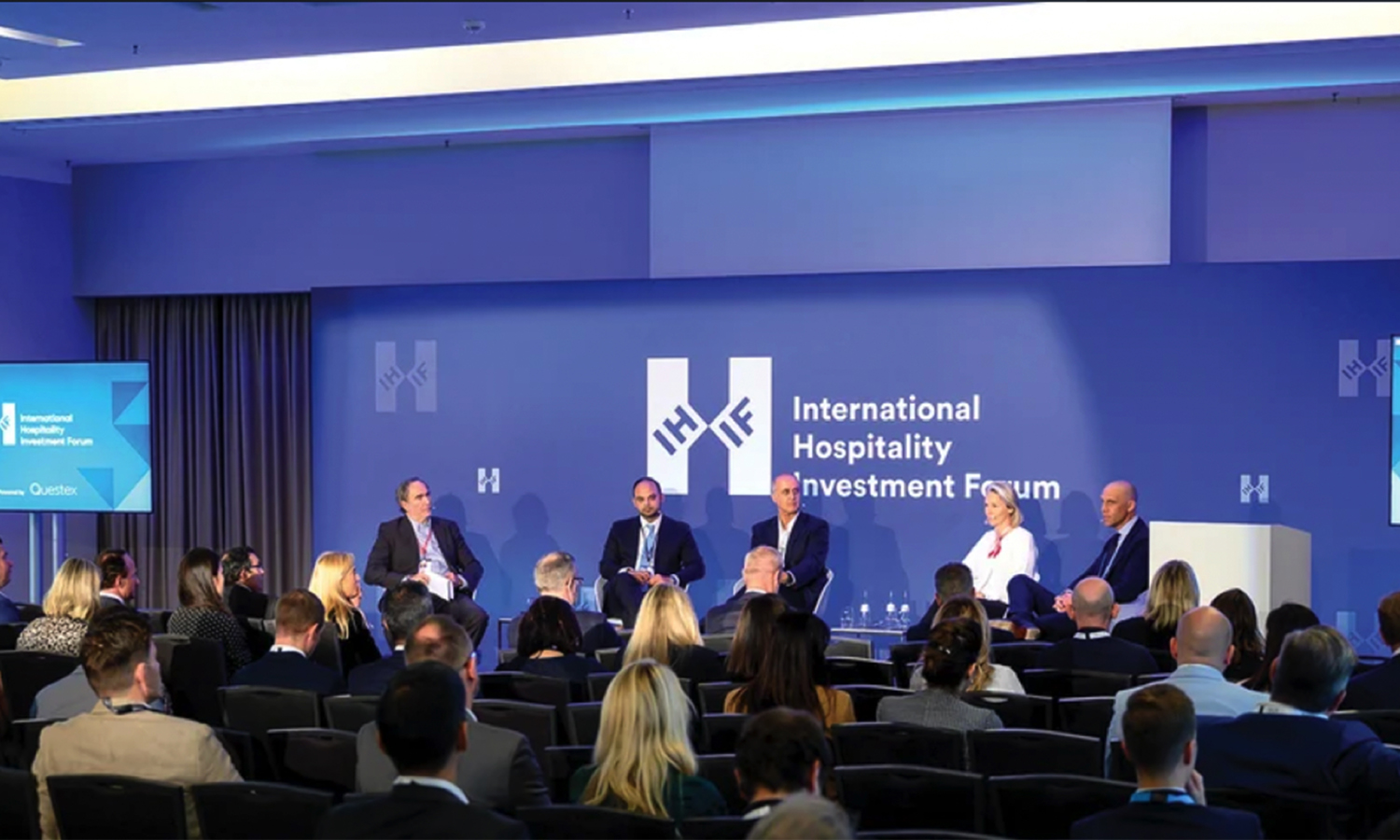
    The IHIF Luxury panel: Ömer Isvan K., Servotel; Jaidev Menezes,
    Marriott International; Ingo Schweder, GOCO Hospitality; Willemijn Geels,
    IHG Hotels & Resorts; and Daniel Wakeling, Hilton.
    (Simon Callaghan Photography)

    If you want to know what our industry will look like in the future, look no further than at what hotel developers are talking about now, for they take into consideration the anticipated trends in consumer behavior, design and sustainability, and incorporate all that and more into their blueprints. At the International Hospitality Investment Forum (IHIF) in Berlin in May, investors and developers met to forge new relationships and make deals for future hospitality projects. One panel at the conference, hosted by Questex, caught our eye, “The Evolution of Luxury, from Hotel to Residential.” The panel comprised executives from several major hotel companies. It was adeptly moderated by Ömer Isvan K., president of Servotel, a consultancy in global hospitality and real estate development, based in London and Istanbul, servicing Western and Eastern Europe, the Americas, Africa, the Middle East and Asia.

    Panelists included Willemijn Geels, VP of development for Europe for IHG Hotels & Resorts; Daniel Wakeling, VP development of luxury & residential, Europe and Africa, Hilton; Jaidev Menezes, VP, mixed-use development (EMEA), Marriott International and Ingo Schweder, CEO of GOCO Hospitality and managing director of Horwath HTL Health and Wellness.

    We’ve put together an abbreviated version of the lively discussion to provide you with this most international view of what’s to come on the luxury landscape.

    Ömer Isvan K., president, Servotel: Luxury, in its own, is a very elusive word. Perhaps in our industry, it’s one of the most overused — rightly or wrongly — but I can bet you if we had a competition to define luxury with 10 people, we would definitely have 10 definitions, and they will not be very similar.

    So, one of the goals here is to define what luxury actually means so that it is in context. Otherwise, luxury is quite meaningless on its own.

    My name is Ömer, I’m the founder and president of Servotel. We advise investors around the world, particularly in the development of hotels, resorts and residential.

    Willemijn, we’ll start with you to start the introductions.

    Willemijn Geels, IHG Hotels & Resorts: I’m VP for Development for Europe for IHG Hotels and Resorts. We’re one of the global leading hotel operators, mainly in the business of franchising and managing hotels on behalf of our owners.

    Our portfolio currently spans 17 brands, ranging from the essentials category with Holiday Inn, Holiday Inn Express through premium, Crowne Plaza, all the way into luxury and lifestyle portfolio. It’s the luxury and lifestyle brands in the last couple of years where we’ve really rounded out our portfolio. 

    The most familiar is the InterContinental brand, but in the past few years, we have added to that through either acquisition or brand launches. We’ve added Kimpton; that originated from the U.S. and we’re now developing that globally. We’ve added Regent and Six Senses on the uber-luxury level. We’ve recently launched a more entry-level luxury brand called Vignette Collection; that is more of a soft brand for conversion of existing properties that seek affiliation. So, with all that, we’re really keen to grow in the luxury and lifestyle segment.

    Daniel Wakeling, Hilton: My role is focused on growth of our luxury brands, which include Waldorf Astoria, created after the original in New York, which is currently undergoing a pretty major refurbishment, and will open in a couple of years; Conrad, a more contemporary version of a luxury brand and the newly created LXR, a soft brand targeting hotels that have their own brand equity and unique story behind them, that want to join our system to leverage the power of the booking engine.

    We’re a big company with 18 brands and over 6,000 hotels globally. But in the luxury space, we’ve started to try to create a little bit more of specialization.

    When my role was created six years ago, it was really out of necessity. We’ve got developers right across EMEA, but luxury deals tend to take a lot longer. They’re a lot more complex. There’s a lot less franchising [in Europe], so we separated the two from a development function. Then, that also follows throughout the business with sales and marketing, and the engine that supports all of our brands. On top of that, we have what we call the “luxury advantage,” which is that all the people focused on the commercial part of our business just do luxury.

    The other thing that I do are projects that have a branded residential component, whether that’s one of those three luxury brands, or any of the other brands, which we have with Hilton. We’ve even done some Double Tree residences.

    I lead those deals, and work with our developers to help them navigate those types of contracts, which are a really growing part of our industry and our business. We’ll talk about that, I’m sure. But, you know, the fact that Jaidev is here, and he’s focused on mixed-use projects I think tells you that residential and branded residential is becoming a bigger part of the hospitality space.

    Ömer Isvan K: Indeed. Jaidev?

    Jaidev Menezes, Marriott International: I look after mixed-use development for Marriott for Europe, Middle East and Africa. Essentially, looking at growing our branded residential business—a super exciting part of the business—and effectively looking after any projects that have a mixed-use component, whether residential pieces co-located with the hotel, as well as standalone branded residences.

    Of Marriott’s 30 brands, we use residential for our luxury brands and our premium brands. We have more than 200 projects in the portfolio at the moment, about 110 open and about 90 in the pipeline. About three-quarters of those, as you would expect, are in the luxury space. So [that includes] Ritz-Carlton, St. Regis, JW Marriott and Edition. The remaining one-quarter are premium: Westin, Marriott, Sheraton, Le Meridien, etc.

    Ingo Schweder, GOCO Hospitality: I’m the founder and managing director of Horwath Health & Wellness. Horwath is one of the largest and oldest consulting companies in the world. We started seven years ago, a dedicated subcompany, which only deals with health and wellness-related facilities. We are very active in the market of destination wellness resorts, entire wellness communities. Right now, our strongest market is the Middle East, where there is a huge amount of extremely large, complex and diverse destination wellness resorts under planning and development, as well as in China and in Indonesia.

    We also own a company called GOCO Hospitality, which is the owner and manager of America’s largest hot spring resort (Glen Ivy Hot Springs in Southern California). We have projects in development in China, Thailand, Indonesia, and most probably—and hopefully next week—in southern Germany.

    Ömer Isvan K: Let’s kick off with the word “luxury.” It is an elusive and overused terminology. One of the classic understandings of luxury in our industry was related to hardware, in terms of the space, and the marble, and the glitz, and the gold, and the velvet, and the silk, and the intensity of service, the amount of staff to guest ratio, or the array of services, and the number of facilities you can tick off. Does it have a swimming pool? Does it have this? Does it have that? So, that was a comfortable definition to position a property or brand.

    Nowadays, we’re seeing more of an esoteric definition of luxury that is more personal. It is more to do with the final experience, and the satisfaction of personal desires, a reduction of effort.

    Ingo, what does it mean, when somebody just simply says, “I have a luxury resort or luxury destination spot”?

    Ingo Schweder, GOCO: Today, the key is bespoke and authentic services. Nobody wants to travel anymore to a destination that looks the same as other destinations. I was recently at a conference in a city in India. I looked around, and I could have been in Minneapolis—and that was at a high-end luxury hotel. I was very disappointed when I looked around. So, I believe luxury is being true, offering bespoke services—that are tailormade to my needs.

    Ömer Isvan K: True to what?

    Ingo Schweder, GOCO: True to the location, true to my individual needs, and true to my desire to feel authentic in that location. In India, I want to feel like I’m in India, and I don’t want to feel like I’m in Minneapolis or in Berlin. I want to be authentic there. I want to touch the cuisine. I want to have authentic wellness services. I want to have an interior that reflects the true elegance and culture that I’m in. I think that’s very important.

    Ömer Isvan K: Willemijn, if the demand is shifting and the perception of luxury is shifting to such bespoke, almost curated individuality, how does that clash or correspond with the need of scalability in the sense of international brands or megabrands?

    Willemijn Geels, IHG: You said something really interesting. It’s going away from the hardware, and I really agree with that. It’s going to something much more esoteric, or much softer than purely the hardware. It may sound a bit cheesy, but as I was thinking about this, I came up with three Ps.

    Basically, it’s personal. These are personal experiences that people want to create, and they don’t want to live the same experience as another customer.

    The next one is private. I think they may choose to be really private, secluded, and have the opportunity to go out and do something more outgoing, but in a luxury place. You would like to have something really private, a private villa or even an island, or it is a private boat. It’s this whole idea of being with the people you want to be with, but in a private surrounding and not necessarily having lots of other customers around.

    The last one, which I think is actually really important, is purpose. What we see a lot of in our customer base is that people are starting to travel much more with a purpose, and thinking about what does travel do to the environment. It is about the planet. Luxury travel is now down to “what is the impact that I, as a luxury traveler, will have on the planet?” People are much more mindful around these things.

    That’s what we try to bring into our hotels as well because, surely, we are a big company. We have lots of brands, but each of the brands is different. By no means is it a cookie-cutter, here’s-your-standards book where you roll it out in each hotel in the same way across the world. We’re much more into developing something that is fit for the location and offers what our customers are looking for.

    Ömer Isvan K: Jaidev, how does the word “luxury” translate into residences?

    Jaidev Menezes, Marriott: On the residential side, we start looking at it from the developer’s perspective first. So, there are three stakeholders that we look at. There’s the developer on a residential deal who’s looking to build, develop, market, sell, exit. You’ve got a buyer who’s in it for the long-term, who’s acquiring the unit, who’s going to either live in it or potentially rent it out and is concerned about resale. And you have the operator to make sure that it stays within the brand guidelines.

    So, on the residential side, we start with a blank canvas. Each location is unique. Each market is unique. Each developer is unique. So, it’s easier for us to start with a blank canvas and look at designing the product to suit that market from a residential perspective. So looking at things like unit mix, unit sizes, we, as the brand, should not dictate what the unit mix and size is for that project.

    For example, in our luxury brands, we prefer to do no studios. We’ve got minimums so that a one-bedroom should be X square meters. But if that market demands more one-bedrooms or two-bedrooms versus three-bedrooms, we allow the developer to do that. Because if you don’t, the product won’t sell.

    It’s in the common areas where we bring in the design elements for the brand, whether it’s Ritz-Carlton, St. Regis or W.

    Ömer Isvan K: Dan, in terms of the individuality that people are looking for versus scalability, do you see any conflict between the two? How do you actually address the conflict?

    Daniel Wakeling, Hilton: In the luxury segment, you have to be reflective of the area you’re in. That’s how you ensure you’ve got authenticity. The expectation from luxury travelers now is that they want something different. They don’t want to spend the amount of money they’re going to have to spend to travel halfway around the world and not feel the location that they’re in. That’s why they’re traveling.

    There is still a place for the cookie-cutter hotel model. Otherwise, we wouldn’t be sitting up there, the three of us, with the amount of hotels we have. But when you are buying luxury, your expectation is that it’s going to be authentic, it’s going to be reflective of the place I’m in, and the product is going to be of a certain level of quality.

    Ömer Isvan K: The title of this session is “Evolution of Luxury.” Everybody here is identifying pretty strong trends that, all of a sudden, emerged during the pandemic, got amplified during the pandemic. Which of these have staying power and how much of it will fizzle away?

    Daniel Wakeling, Hilton: Like everybody’s going to be on Zoom, right? No one’s ever going to have an in-person meeting again, yet there are two-and-a-half thousand people here [at IHIF] right now.

    Ingo Schweder, GOCO: A trend I can see is that the wellness industry is a $4.7 trillion industry. Right now, every hospitality company that is not already in it is trying to move in there. But we can also see that there is a real issue of “well-washing,” where companies like to jump on it, but their model is really a small pampering facility. That is not really meaningful and not profitable and it’s managed in that manner. You can see this in those brands that have their wellness facility managed by somebody who reports to the front office manager, but they’re billing it as a $10 million wellness center, and they don’t know how to really profit from it.

    Then you can see other companies that buy others and want to quickly jump on the wellness bandwagon, but they do it half-heartedly. So I think one needs to be careful of “well-washing” because wellness is such a strong influencer, and it will influence more and more urban centers as well as destination resorts.

    Ömer Isvan K: Dan, what strong trend do you see in the next 10 years?

    Dan Wakeling, Hilton: I think in the luxury space, it’s certainly privacy, particularly for resorts. Having your own sense of place where you can have your family, you can have your own pool. The sense of space while being in a location, where if you want to you can go to the restaurant and interact with people, you can go to the beach, but you can also retreat to your space. That’s one of the trends in resort design that we’re seeing.

    Ömer Isvan K: Tracking the luxury market as we do around the world…we saw the [private accommodations with access to hotel amenities] formula go through the roof in terms of occupancy, ADR and for average length of stay.

    Willemijn Geels, IHG: I fully agree. I think there is definitely staying power in that. I do think, we will see an increase in demand, not only relating to the pandemic. There is still a large number of people who actually have the money to spend, and they will want to spend it.

    If you look at booking patterns and search engine research, “luxury travel” is one of the most searched for keywords, which is quite impressive.

    The other point I wanted to pick up on is the length of stay. I do think that [will be extended] to a certain extent, because people may go further for travel. We’ve been kind of confined to Europe for a bit, and it was nice to do the city trips and see the English countryside and all of that. But, at some point, people will want to go further, and they will want to stay longer as well. Which is, then again, linked with the residential piece because you want to have that mix of units for your different types of clients. 

    The other big trend we see is that luxury customers are getting younger and younger, and people have the money to spend, and they want to stay in luxury hotels. They really want to have that curated experience.

    Ömer Isvan K: It once was, in the luxury consumer market, when it came to hotels, there was more price sensitivity for luxury travel than with luxury goods. But I’m feeling the recent trend is that there’s now less price sensitivity for hotels. Are you seeing that?

    Willemijn Geels, IHG: That is true only for upper luxury. In my portfolio, that is true for Six Senses and Regent. It’s not necessarily true for InterContinental. And there is much more price sensitivity at entry level.

    Daniel Wakeling, Hilton: You see that when a new hotel opens in a market where it transcends the experience and the product of what was currently available. Then, your feasibility team will look at the existing best hotel in the market, maybe it’s charging $500 a night. If this new hotel is going to be better than that one, what is the [nightly rate]? It could be $550, it could be $1,000. You don’t know until you test it. That’s down to how aggressive your salespeople are, and how much people really want to come and stay with you. I think, through the pandemic, we saw that because there was only a certain number of these types of [luxury] products. There’s only so many hotels in the Maldives where you can escape the world. They all did very well. So there’s supply and demand.

    Ömer Isvan K: I’d like to look into the audience to see if we can answer any questions.

    Audience Member: How are the brands thinking about the luxury all-inclusive space?

    Willemijn Geels, IHG: We’re not yet very present in the all-inclusive space. It is a segment we’re keenly looking at and exploring. I want to tie it back to one of our brands. What we’ve found out with Regent is actually if you pay that level of price, you kind of expect a lot to be included. So, with Regent, we stopped charging for all the extras people don’t want to pay for because they’re paying 2,500-3,000 euros a night. So, I do believe that on the luxury, there is really something around all-inclusive. Having said that, for IHG as a company, we’re not yet very present [in that market].

    Ömer Isvan K: A lot of companies now are actually moving into it. Only today, Accor announced a whole new division, basically looking at luxury all-inclusives.

    Jaidev Menezes, Marriott: We’ve made a few recent acquisitions in the Caribbean/Latin America region in the all-inclusive space. We’re also looking at additional platforms. We’re looking at selective markets in EMEA. So, it’s definitely an area that we’re looking to grow.

    Ömer Isvan K: There’s a redefinition of all-inclusive, let’s not forget, because all-inclusive had a connotation that it was associated with mass tourism to operate a type of packaging.

    Whereas if you go to the Maldives to a private island resort, I mean, yes, it is all-inclusive, whether you’re signing a separate check each time you drink a coffee or not. It’s just an academic exercise.

    Ultimately, the day you check out, you’re going to pay a price. Whether somebody charges that price to you at once or by collecting signatures from you is basically academic.

  • 奢华的演变从酒店到住宅

    奢华的演变从酒店到住宅

    国际酒店业投资论坛,小组讨论参与成员(从上至下):
    Servotel房地产开发公司Ömer Isvan K;
    万豪国际酒店集团公司Jaidev Menezes;
    GOCO Hospitality国际健康咨询、开发与管理公司Ingo Schweder;
    洲际酒店及度假村Willemijn Geels;
    希尔顿集团Daniel Wakeling
    (Simon Callaghan摄)

    如果想知道酒店行业的未来会是什么样子,那就听听现在的酒店开发商们在谈论些什么吧。

    他们会综合考虑消费者行为、设计和可持续发展的未来趋势,并将这些全数纳入到规划蓝图中。今年5月在柏林举行的国际酒店业投资论坛(IHIF)上,投资者和开发商共聚一堂,为未来的酒店项目建立新的合作关系。

    会议上的一个小组讨论会引起了我们的注意。小组讨论的主题是“奢华的演变,从酒店到住宅”。该小组讨论的成员是几位来自酒店公司的高管,由Servotel的总裁Ömer Isvan K.担任主持。Servotel是一家位于伦敦和伊斯坦布尔的全球酒店和房地产开发咨询公司,客户遍布西欧和东欧、美洲、非洲、中东和亚洲。

    小组讨论的成员有:洲际酒店及度假村欧洲开发副总裁Willemijn Geels、希尔顿欧洲和非洲奢华及住宅开发副总裁Daniel Wakeling、万豪国际集团综合开发副总裁Jaidev Menezes和GOCO Hospitality国际健康咨询、开发与管理公司首席执行官兼Horwath HTL健康与养生公司总经理Ingo Schweder。

    我们在下文中对这场热烈的小组讨论进行了整合,提供了一个精华版,与您分享关于“‘奢华’在未来会是什么样的”最国际化的观点。

    Servotel总裁 Ömer Isvan K:“奢华”,本身就是一个非常模糊的词。也许它在酒店业中是最被过度使用的——有时被正确使用,有时则被错误使用。如果让10个人来定义什么是奢华,我相信我们会得到10个不同的答案,而且不会太相似。

    因此,我们想在这里对到底什么是奢华做一个定义,否则这个词本身就没有任何意义了。

    大家好,我是Ömer,Servotel的创始人和总裁。我们基本上是为世界各地的投资者提供咨询服务,特别是在酒店、度假村和住宅开发领域。

    Willemijn,我们从您开始,请做一下自我介绍。

    Willemijn Geels,洲际酒店及度假村:我是洲际酒店和度假村的欧洲发展副总裁。洲际是全球领先的酒店运营商之一,我主要是代表业主从事酒店的经营和管理工作。

    我们旗下有17个品牌,从大众线的假日酒店、假日快捷酒店,高级线的皇冠假日酒店,到奢华和生活方式品牌。过去几年里,我们着力发展奢华和生活方式品牌。

    大家最熟悉的应该是洲际酒店,不过,过去几年里,我们通过收购或推出新品牌的方式,为集团增加了不少新品牌。比如源自美国的金普顿(Kimpton),我们正在将这个品牌带向全球。超奢华端则收购了丽晶和六善。最近则推出了一个新的奢华品牌,叫做Vignette Collection。我们正在积极推进奢华和生活方式品牌的发展。

    Daniel Wakeling,希尔顿集团:我负责希尔顿集团奢华品牌的发展,其中包括:华尔道夫酒店,这个源自纽约的酒店品牌目前正在进行大规模的翻新,并将在几年后陆续在全球有新开业;康莱德酒店则是个更现代版的奢华品牌;以及我们新推出的高奢软品牌LXR,涵盖一系列拥有自己的品牌价值和独特故事的酒店。

    希尔顿集团在全球拥有18个品牌和超过6000家酒店。在奢华领域,我们开始尝试创建更多细分化、专业化的服务。

    六年前,酒店安置了我现在所担任的这个负责奢华品牌发展职位,这确实是出于需要。我们在整个欧洲、中东和非洲地区都有开发人员,但在奢华品牌的开发方面并不是很快,这方面要复杂得多。所以集团特地分出了奢华品牌开发这个部门,并制定了针对性的营销策略。此外,这个部门的团队成员有着我们称之为的“奢华优势”,即在这个部门,我们只专注于奢华领域。

    我所做的另一件事是品牌住宅项目的开发,包括希尔顿的三个奢华品牌的住宅和集团其它品牌,比如,我们也曾负责过希尔顿逸林的住宅开发。

    在这些住宅项目的开发中,我们与开发商合作,开发商也开始越来越熟悉并能很好地完成奢华品牌和品牌住宅项目的开发工作,这促进了整个行业和我们自身业务的增长。相信我们接下来会谈到这个,特别是Jaidev也在,他专注于多用途综合项目的开发,他会告诉大家,住宅和酒店品牌住宅的开发在酒店领域正在占据着越来越重要的位置。

    Ömer Isvan K:是的,Jaidev,那就请您来谈一谈吧。

    Jaidev Menezes,万豪国际酒店集团公司:我负责万豪集团在欧洲、中东和非洲的多用途综合项目的开发。具体的说,包括万豪的品牌住宅业务,这是我们业务中一个很重要的部分,以及所有多功能综合项目,包括与酒店在同一地点的酒店住宅,以及独立的品牌住宅。

    在万豪的30个品牌中,我们为奢华品牌和高端品牌打造住宅项目。目前,我们有200多个住宅项目,大约110个已经开业,大约90个正在筹备中,而其中大约四分之三的项目都是奢华品牌,包括丽思卡尔顿、瑞吉、JW万豪和艾迪逊。剩下的四分之一是高端品牌,包括威斯汀、万豪、喜来登、艾美等。

    Ingo Schweder, GOCO Hospitality国际健康咨询、开发与管理公司:我是Horwath健康与养生公司的创始人和总经理。Horwath是全球最大和成立最早的咨询公司之一。我们在七年前成立了这个子公司,专门负责与健康和养生相关的项目。我们的主要业务领域是养生社区、目的地养生度假区。现在,我们最大的市场在中东,在那里我们有大量正在规划和开发的超大型、多样化的目的地养生度假村。另外,中国和印度尼西亚也是我们的主要市场。

    我们还拥有一家叫做GOCO Hospitality的公司,它是美国最大的温泉度假村(位于南加州的Glen Ivy Hot Springs)的业主和管理者。GOCO Hospitality在中国、泰国、印度尼西亚、德国南部都有开发项目。

    Ömer Isvan K:让我们从“奢华”这个词开始。这是一个有点模糊和被过度使用的术语。在酒店业中,对奢华的传统理解之一是与硬件相关的,比如空间够大,有大理石,够浮华,有黄金、天鹅绒和丝绸,以及服务的强度,工作人员与客人的比例,或一系列的服务,以及相关设施。有游泳池吗?有这个吗?有那个吗?这是一个安全的定义,用来定位一个房产或品牌。

    如今,我们听到了更多对“奢华”的深入定义,更加个性化,更多与最终体验感挂钩,与个人愿望的满足有关,以及也意味着更少的消耗。  

    Ingo,当某人只是简单地说一句,“我有一个奢华度假村或奢华目的地住宅”,这是什么意思?

    Ingo Schweder, GOCO Hospitality国际健康咨询、开发与管理公司:如今,最为关键的是提供个性化、具有当地特色的服务。没有人愿意再去一个与其他地方看起来没什么不同的目的地旅行。我最近在印度一个城市参加了一个会议。这是一家高端奢华酒店,但当我环顾四周,我觉得自己好像是在美国的明尼阿波利斯,这让我感到很失望。我认为“奢华”应该是“真实”的,能够提供个性化的服务——即根据我的需求而定制。

    Ömer Isvan K:真实?

    Ingo Schweder, GOCO Hospitality国际健康咨询、开发与管理公司:真实的当地体验,真实满足我的个性化需求,真实地让我感到融入了目的地之中。比如,当我在印度,我就想要感到自己真的是在印度,而不是在明尼阿波利斯或者柏林。我想感受当地的氛围,品尝当地的美食,体验当地独特的养生服务,居住在充溢着当地文化与优雅风情的客房内。我认为这是非常重要的。

    Ömer Isvan K:Willemijn,如果说消费者的需求正在改变,对奢华的定义也不再一样,人们开始追求个性化的,甚至是私人订制的体验,这是否在本质上与国际品牌对于规模拓展的需求相冲突?所以,当人们在谈论个性化、地域感、原汁原味时,同时我又有着150个连锁品牌,这两者之间矛盾吗?

    Willemijn Geels,洲际酒店及度假村: 你说到的这点非常有意思。确实,现在已经不是拼硬件的时代了,这一点我完全同意。人们对奢华的定义变得更加深入,或者说更加抽象。当我在考虑这件事情时,我总结了三个“P”。

    首先是Personal个性化。客人们希望获得个性化的体验,不希望只是复制他人的体验。

    另外一个是Private私谧。人们希望去到一个私谧的、隐蔽的目的地,有机会走出酒店,进到大自然中,进行一些有趣的户外活动。他们想要一些很私谧的体验,比如私人别墅,甚至是私人海岛,私人游艇,私人旅游等。他们就想在一个私谧的环境中只与自己亲密的人在一起,而不是被大批其他客人围绕着。

    最后一个,也是非常重要的一个P是Purpose,意义性。在我们的客户群体中,我们注意到越来越多的人开始进行“有意义”的旅行,比如我们常听说的,这趟旅行对环境的影响是怎么样的?这是关于地球环境的问题。在过去,人们只是享受一趟奢华的旅程,而现在人们会思考“作为一个奢华旅行者,我对地球会带来什么样的影响?”如今,人们越来越关注这些方面。

    这正是我们试图想要在我们的酒店里践行的。没错,我们是一家大公司,有很多的品牌,但每一个品牌都是不一样的。我们从来不搞一刀切:给你一本标准手册,无论你去到我们的哪个酒店都可以体验到这些。不是这么回事。我们会在每一家酒店里,开发一些与当地特色相关的体验,一些宾客们来到这个目的地会想要获得的体验。

    Ömer Isvan K:Jaidev,住宅是如何定义“奢华”的?

    Jaidev Menezes,万豪国际酒店集团公司:在住宅方面,我们首先会从开发商的角度来审视。我们有三方利益相关者。首先是开发商,他们负责建造、开发、推广、售卖然后退出。然后是买家,他们买下住宅单元,要么自己住,要么租出去,会考虑转售。再就是运营者,他们必须按照品牌的标准对住宅进行运营管理。

    所以在住宅方面,我们就像是从一块空白画布上开始。每个地点都是独一无二的,每个市场都是独特的,每个开发商也都不一样。所以对于我们来说应该更简单一些,我们就是从住宅视角设计符合市场的产品。作为品牌,我们无法规定住宅单位的配置和尺寸。

    比如,对于奢华品牌住宅,我们当然是希望不要做成工作室类型的单元。我们会规定一个最低限度,比如单卧客房必须达到多少平方米。当然,如果当地市场的需求是需要更多单卧或双卧而不是三卧,我们也会同意开发商进行调整。因为如果不调整的话,就卖不出去。

    我们会在公共区域融入品牌独有的设计元素——比如丽思卡尔顿、瑞吉或者W都会有各自的风格。

    Ömer Isvan K:Dan,您认为消费者寻找的个性化体验,和集团的规模化拓展之间有没有冲突之处?你们又是如何解决这一冲突的?

    Daniel Wakeling,希尔顿集团:对于奢华酒店来说,必须反映出当地特色,这样才能为宾客提供原汁原味的体验。如今奢华旅行者在寻找一些特别的东西。他们花那么多钱飞了大半个地球,必须想要体验到一些与众不同的东西,不能是与之前一样的,这才是他们旅行的目的。

    当然,统一酒店模式也必须有存在的空间,否则我们三个也不会坐在这里了,我们也无法开出这么多家酒店。但是,当客人来到奢华酒店时,他们的期望一定是要体验到一些具有当地特色的原汁原味的东西,你所提供给他们的也必须是高品质的并且独特的。

    Ömer Isvan K:这个小组讨论的主题是“奢华的演变”。在座的各位都提出了在疫情期间突然出现的,以及火热发展的市场趋势。这其中哪些趋势会继续发展,哪些会消失不见?

    Daniel Wakeling,希尔顿集团:之前人们预测,以后所有人都会用Zoom开会,不会有人再面对面的开会了。可是我们现在在座的就有2500人。

    Ingo Schweder, GOCO Hospitality国际健康咨询、开发与管理公司:我看到的一个趋势是,养生如今是一个4.7万亿美元的产业。那些还没有进到养生行业的酒店公司也正在纷纷挤进来。但同时又出现了一个现象:很多酒店只是披了件“养生”外衣。 一家只有一个很小的健康相关设施的酒店就会自诩为养生酒店,这是毫无意义的,也不会给酒店带来真正收益。这种情况常出现在将健康设施外包的酒店。酒店把它标榜成一个1000万美元的养生中心来定价,但是却不懂如何经营这个养生中心以从中获利。

    你还会看到,现在很多公司收购别的养生品牌,借此挤进养生圈,但却没有全力经营这些养生品牌。同样的,这也意味着只是披了件“养生”的外衣,却没有实质内容。对这些现象,我们要特别小心。因为“养生”模式在当下具有很强的影响力,将继续影响到越来越多的城市养生中心以及目的地养生度假村。

    Ömer Isvan K:Dan,您认为未来10年的最强趋势是什么?

    Daniel Wakeling,希尔顿集团:我认为是“私谧空间”,这点对于度假村来说尤其重要。客人们可以和家人私享度假体验,拥有自己的私人泳池。当然如果想要社交,他们也可以去到酒店餐厅,或者海滩,但同时也必须有属于自己的私谧空间。这是我们注意到的在度假村设计中的一大趋势。

    Ömer Isvan K:如果看全球奢华酒店市场,我们发现“私谧性高的住宿体验+酒店公共设施的可及性”这一模式对于入住率、日均房价、平均停留时长的提升有很大贡献。

    Willemijn Geels,洲际酒店及度假村:完全同意。这样的模式确实会提升入住率。我相信,需求会继续增长,而且不仅是因为疫情原因。其实有很多人,他们真的很有钱,有购买力,而且也愿意花这个钱。

    如果看看酒店的预定类型,或者搜索引擎里的热门词,就会发现“奢华旅行”是被搜索的最多的关键词之一。这确实挺有趣的。

    另外我想说的一点是客人在酒店停留的时间,我认为这个时间会越来越长,因为现在越来越多人会选择去更远的地方旅行。这两年我们都被封在了欧洲,当然,做一些城市间的旅程也不错,英国的乡村都是很漂亮的。但是,现在人们开始想要去到更远的地方,同时也停留更长的时间。这就意味着有更多人会开始考虑入住酒店住宅,我们也需要能够使自己的住宅项目满足不同类型客人的需求。

    另一个趋势是,我们可以看到,奢华旅行者们也越来越年轻了。他们也很有钱,想要入住奢华酒店,享受个性化的服务。

    Ömer Isvan K:让我快速地再问一个问题。我之前也在奢侈品消费市场工作过。那时我感觉,消费者对于奢华酒店的价格敏感度比对于奢侈商品的要高。但现在的趋势似乎是,人们对酒店的价格越来越不敏感了,是这样吗?

    Willemijn Geels,洲际酒店及度假村:这个趋势仅限于超奢华酒店。在我们的酒店品牌中,这一趋势适用于六善和丽晶,但不一定适用于洲际。至于更加大众化的酒店品牌,人们对价格的敏感度还是很高的。

    Daniel Wakeling,希尔顿集团:当一家新酒店开业,提供了一些市场上原本没有的体验和产品,你的团队就会去看看市场上已有的同类酒店,也许他们的房价是每晚500美元。如果你的酒店比他们好,那么你会给出多少一晚的房价?也许是550美元,也许是1000美元。这取决于你的销售人员多有野心,以及有多少人想要真的住在你这里。在疫情期间,我们发现其实奢华酒店的数量还是有限的,比如在马尔代夫只有这么多家度假村可以让你逃离日常世界。

    Ömer Isvan K:现场的观众们还有什么问题吗?

    观众:你们怎么看一价全包的奢华目的地体验?

    Willemijn Geels,洲际酒店及度假村:我们还没有很多推出一价全包的目的地酒店度假村。当然我们很乐于探索这个板块。对于丽晶,当客人们花了那么多钱,会期待能够有很好很丰富的体验。所以在丽晶,我们会尽量减少客人需要额外支付的费用,毕竟他们已经支付了每晚2500-3000欧元的房费。所以在我们的超奢华品牌,我们在推出类似于一价全包的模式。不过对于整个公司来说,洲际的大部分酒店运营还不是一价全包。

    Ömer Isvan K:很多公司目前都在尝试这一块。就在今天,雅高宣布了一个全新部门,就是专注于奢华酒店一价全包模式的。

    Jaidev Menezes,万豪国际酒店集团公司:我们最近收购了加勒比海区域/拉丁美洲的几家一价全包度假村。我们将继续寻找新的机会,比如我们也正在看欧洲、中东和非洲的奢华端市场。所以,这会是我们未来要发力的一块。 Ömer Isvan K:我们不要忘了,现在我们对一价全包的定义已经和以前不一样了。以前,一价全包更像是针对大众旅游的打包服务。但是现在,当你去到马尔代夫或者某个私人岛屿度假村,你会享受到一价全包,而这个一价全包已经不同以往,它是一个奢华概念。也许你每次喝咖啡时,就会需要签一个账单,最后离店时统一支付。

  • A Deep Dive into Wellness Hospitality

    A Deep Dive into Wellness Hospitality

    As dedicated wellness-hospitality properties continue to develop,
    destination spas are taking wellness to the next level with their unique offerings

    As the concept of wellness becomes more and more widely recognized and accepted, the offerings of standard fitness centers and general hotel spas are often not attractive enough in meet the needs and expectations of increasingly wellness-savvy guests. Hoteliers worldwide are finding different ways to engage this trend and are attempting to capitalize on this ever-growing element of the economy, both at the property level and through corporate-level branding strategies.

    Environmental & social factors driving the rise of wellness

    Over the past few decades, environmental and social factors, such as modernized living and a increase in chronic diseases, stress, depression, and anxiety, have been driving the growth of the wellness industry. Coupled with a growing awareness of sustainability, people are becoming more conscious about their health and state of well-being physically, mentally, and emotionally. At the highest end, there is an aspiration to temporarily escape our mortality by living a longer and more fulfilled life. Since 2020, the unprecedented coronavirus (COVID-19) pandemic has further stimulated the global wellness movement and made the world rethink the way we live, consume, work, and travel. Interest in health and wellness is now at an all-time high.

    More brands and properties create versatile workout options

    Besides offering healthy and organic food and beverage (F&B) options, jogging concierge services, and cooking classes, more hotel brands and properties are making workout alternatives more accessible to travelers who wish to maintain their training routines while on the road.

    As a pioneer fitness-and-wellness-focused brand, offering workout gear rentals along with its Heavenly fittings, Westin teamed up with the fitness equipment and media company Peloton in 2017 to put its cardio bicycles in the fitness centers and select guestrooms of Westin hotels in the U.S. That same year, Hilton also launched its “Five Feet to Fitness” guestroom concept with the installation of over eleven different pieces of workout equipment and accessory options, as well as 25 in-room fitness tutorials. This program is only available in select Hilton locations and a small percentage of its guestrooms, but these features increase the ADR for these rooms by approximately US$45 nightly.

    Aside from following brand standards, some properties are taking the initiative into their own hands by seizing the latest trends and technology to further differentiate themselves. In January 2020, the Four Seasons Hotel Silicon Valley partnered with the gym technology company Tonal to offer select fitness-oriented guestrooms that feature an intelligent fitness system and personal trainer, integrating expert coaching and innovative equipment for various guided workouts, including yoga, cardio, and strength training. Other hotels and operators are reimagining their various fitness programs to include a more flexible and technological approach to standard offerings.

    Operators are expanding their portfolios with wellness-centric hotel brands

    To fully take on the wellness trend, the large hotel companies have continued adding wellness-oriented brands into their portfolio over the past decade. In 2012, InterContinental Hotels Group (IHG) launched the EVEN Hotels brand with wellness as its core and further reinforced the strategy in 2019 with the acquisition of Six Senses (a brand renowned for its focus on wellness and sustainability). IHG now has 15 EVEN Hotel properties in operation with 28 more in development globally. The brand made its debut in Asia with a new location in Nanjing, China, in June 2020. Additionally, the hotel group plans to expand the Six Senses brand to 60 properties from the existing 18 over the next ten years.

    In 2017, Hyatt Hotels Corporation acquired two wellness brands—Miraval Group and Exhale—with plans to incorporate their offerings into the Hyatt guest experience. Miraval Group is a New York-based wellness resort and spa operator best known for its flagship wellness destination property in Tucson, Arizona. Miraval has recently expanded its portfolio in the U.S. to include new locations in Austin, Texas, and Lenox, Massachusetts. Exhale is a chain of lifestyle fitness centers that provides boutique fitness classes and spa services. Another world-class destination wellness pioneer is Canyon Ranch. Canyon Ranch also has a flagship property in Tucson, Arizona, and recently expanded in the U.S. by adding a new location in Woodside, California.

    Destination spas take wellness to the next level

    For many hotel companies, an interest to differentiate their hotel product offerings with wellness-oriented facilities and amenities, or by incorporating new wellness-focused brands into their portfolio, is on the rise. However, some experts from established destination spas (also referred to as wellness resorts or wellness retreats) may be somewhat skeptical that these traditional hotel management companies have the knowledge or expertise to pull it off. Creating bespoke wellness journeys with carefully curated programs for health and wellness is fundamentally different than what traditional hotels may offer, as it requires a comprehensive understanding of the operational nuances of the spa-and-wellness market. Furthermore, these destination spa facilities must have a strategic growth path different from conventional hotel and resort models.

    As defined by the GWI, there are two major segments in wellness tourism: primary and secondary wellness travelers. The former refers to those whose trip or destination choice is primarily motivated by the wellness offering provided, while the latter refers to travelers who seek to maintain their own wellness routine or participate in wellness experiences while taking any type of trip for leisure and business. In the current climate of travel and tourism, well-being propositions are at the forefront. With transient leisure and recreational components being primary focal points, this further drives demand and interest in the primary wellness category.

    In the pursuit of health and wellness, destination spas are developed to cater to primary wellness travelers, providing an immersive experience with the sole purpose of helping them to develop or maintain their own long-term healthy lifestyles. The International Spa Association (ISPA) also defines a destination spa as “a facility with the primary purpose of guiding individual spa-goers to develop healthy habits.” Needless to say, not every guest fully transcends to a healthy lifestyle after a visit, but the exposure to these services often reveals significant wellness benefits and helps develop new lifelong habits and program engagement.

    Global market dynamics

    There are core differences in the global market of spa-and-wellness properties and programs. Many Asian and European countries have deep historical traditions and longstanding cultural values related to the importance of well-being and spa experiences. The depth and duration of these ideals often foster more inclusive guest experiences, facility use, and engagement. Many regions around the world have long embraced the health benefits of nature, hydrothermal experiences, and bio-dynamic prevention and therapeutics. Yet, there are also global spa-and-wellness segments that have primarily developed sectors focused on luxury and manual aesthetic services. The differences among these markets can be traced back to their adoption of modern-day ideals; whereas, some parts of the world have added spa services to complement a preexisting cultural foundation of well-being, others have created programs targeting well-being atop aesthetic and beauty services to satisfy emerging new demand.

    Today, new global wellness-hospitality market opportunities exist nearly everywhere. There are various approaches to this, and the markers of well-crafted wellness facilities require a specific set of expertise and foresight. The widespread benefits of well-being are natural and can provide meaningful remedies for self-care, especially in times of deep reflection and turmoil.

    The existing global supply of destination wellness spas includes a selection of integrative health and wellness offerings, medical services, and lifestyle components. These facilities typically include a broad range of concepts, cultural themes, and treatment and service specializations. In addition to global spa-and-wellness development, wellness real estate development is showing up across all sectors, from hotels and resorts to mixed-use and residential.

    Global wellness real estate development

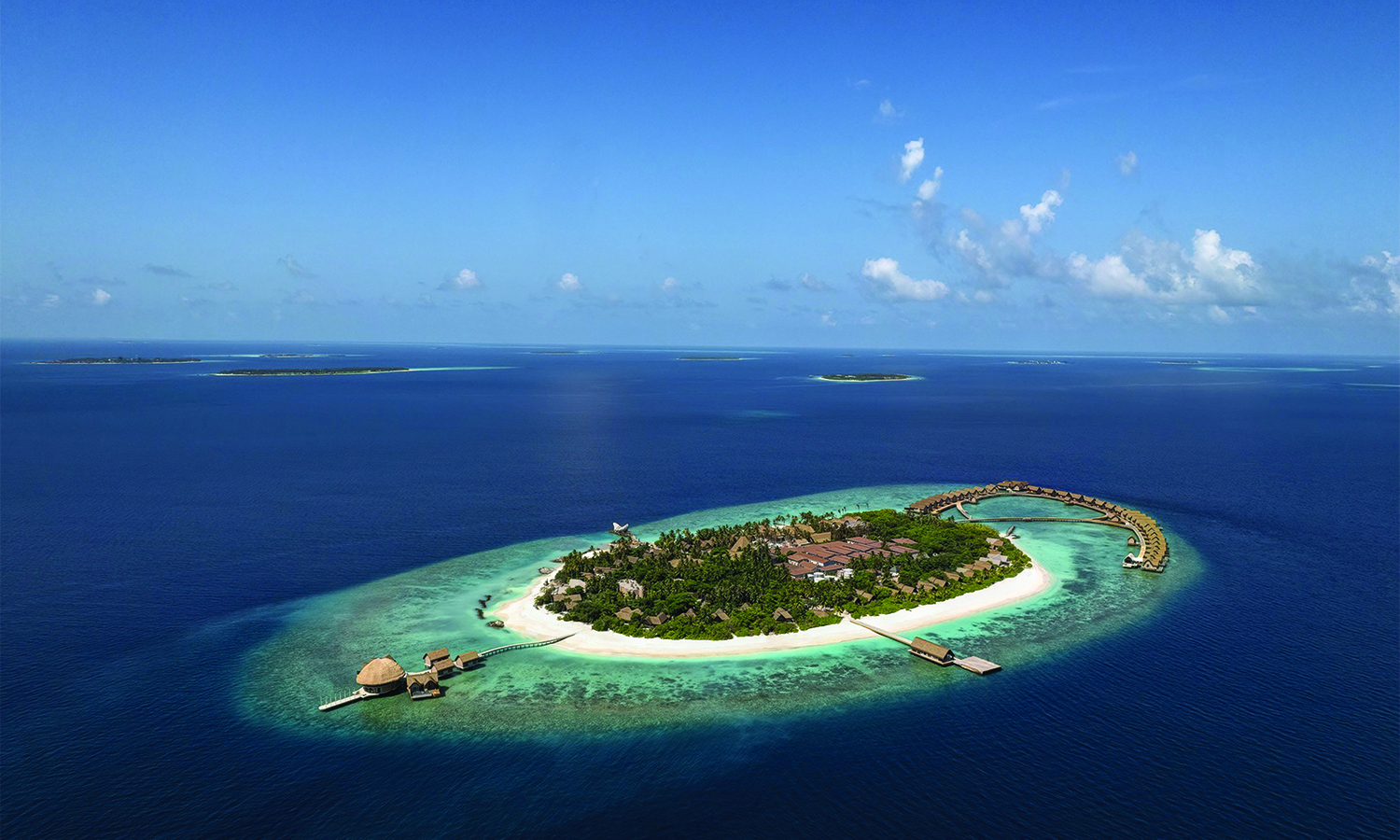
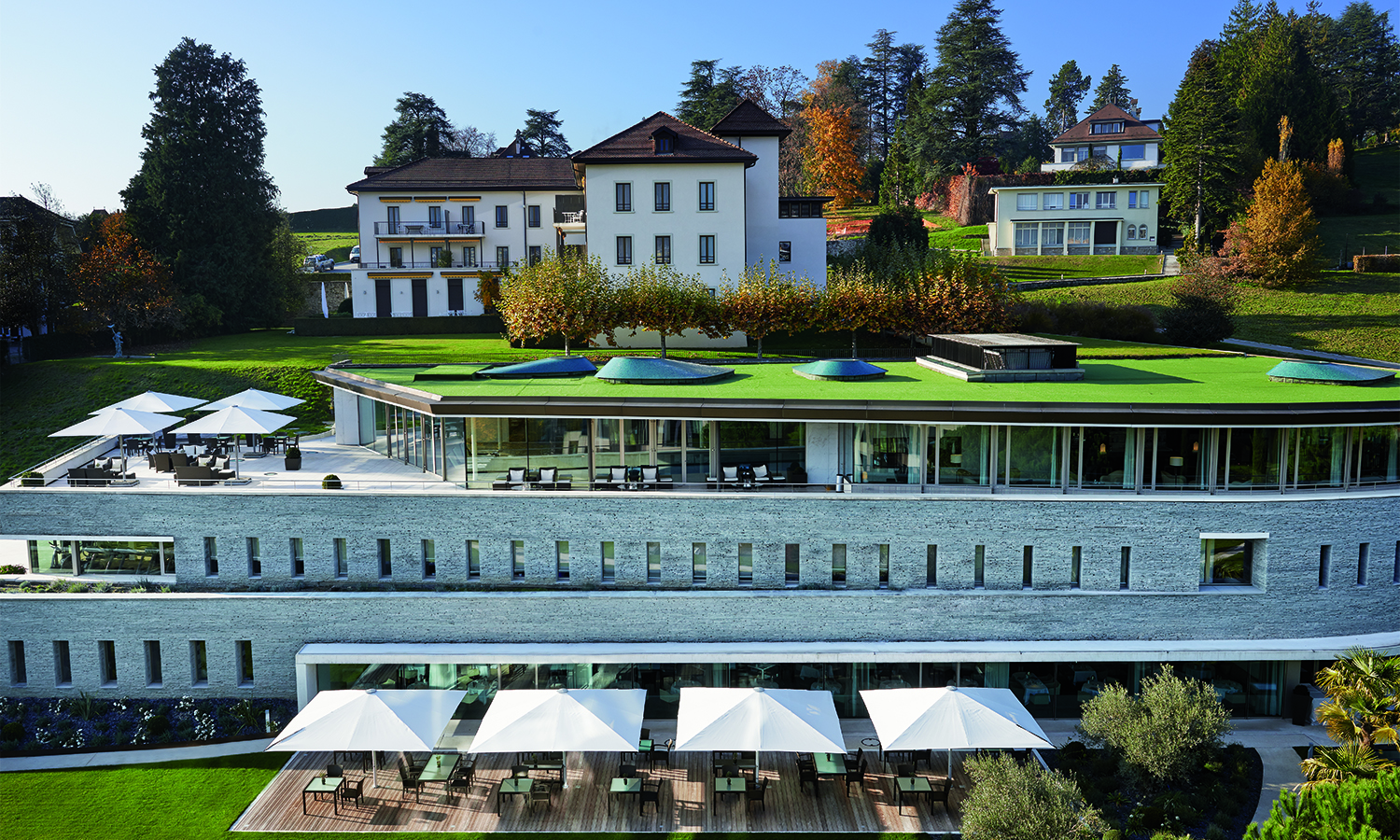
    There is a higher concentration of comprehensive destination spas in Europe, especially in Austria, Germany and Italy. Over 60% of the 50 properties observed are holistic wellness destination spas, while almost 40% are medical spas with a strong science-backed and evidence-based medicinal focus; additionally, the European market has the biggest share of listed medical spas. Yet, some of the long-established and leading destination spas around the world include a diverse range of properties with varying levels of targeted well-being, such as JOALI BEING, Rancho La Puerta, Canyon Ranch, Miraval, Lanserhof, SHA, Ananda, Chiva-Som, and Kamalaya.

    As dedicated wellness-hospitality properties continue to develop, destination spas are taking wellness to the next level with their unique offerings. We discuss this further below to help in the understanding of what exactly distinguishes a destination spa from a traditional hotel or resort and what are the critical success factors for these types of developments.

    Characteristics of wellness destination spas

    Traditional resorts rely heavily on exceptional accessibility and proximity to tourist attractions to draw leisure travelers as well as demand associated with meetings, incentive trips, conferences, and exhibitions (MICE). Destination spas, on the other hand, tend to be situated in remote locations far from sources of air and noise pollution, such as busy roads, transportation hubs, and factories, while possessing rich natural or cultural resources to create a sanctuary experience for ultimate relaxation and mind and body connection for in-house guests.

    Striving to provide full wellness immersion for all in-house guests, policies pertaining to restrictions concerning digital devices, under-aged children, smoking, and alcohol consumption are common. Meanwhile, even though remote locations play a significant role in market positioning, challenges related to COVID-19 and tourism restrictions have highlighted a general need to diversify central operating models at remote properties; important considerations, such as regional accessibility, flexibility, and social topography, are emerging new factors.

    Given the fundamental differences in market-segment profiles, occupancy levels of destination spas are different from traditional hotel spas. The majority of primary wellness tourists tend to be between the ages of 35 and 70, are higher educated, have disposable incomes, and enjoy more flexible travel schedules. The guest demographics in search of wellness experiences are likely to be travelers seeking ways to improve their health/lifestyle or explore a broader understanding of nature and well-being. These types of travel experiences appeal to solo travelers, couples, and small groups (e.g., family reunions, girlfriend getaways, retreat participants, etc.).

    Distinctive operating model

    To provide an immersive wellness experience for their guests, integrated destination spas typically bundle various components, such as guestroom, F&B, various assessments & consultations, treatments and activities, through guided and curated or individually customized multi-day programs instead of just selling rooms. Guests can either select a pre-designed package based on their needs (e.g., detox, weight loss, digital detox, stress relief, anti-aging, etc.) and enjoy an all-inclusive package price, or they can opt for a tailor-made program based on their assessment results and other specific needs with a partly inclusive rate plus add-on items.

    This business model boosts revenues by selling multiple-day wellness packages per person instead of just room nights; therefore, double occupancy means almost double the revenue, even if guests share a room. This per-person model does not typically include spa treatments or select wellness services, which are considered add-on items often motivated by the allocation of guest spa credits.

    Longer average length of stay

    For guests to achieve transformational results, the minimum program duration is typically three nights at most destination spas; however, it can extend up to three weeks (21 nights), depending on the goals and desired outcomes by adjusting the intensity of the program. Based on HVS’s research, wellness properties in the U.S., India, Thailand, and Europe register average lengths of stay ranging from seven to ten nights.

    High-yield revenue streams

    In addition to staying longer, wellness-program consumers tend to remain largely inhouse because of their relatively busy daily schedules, participating in one to three treatments or activities per day, which may include health assessments/consultations and various daily recreational or spiritual activities. This provides a greater opportunity to maximize revenues by capturing incremental and ancillary spend on retail and other paid activities, including spa services or personalized services. According to the data estimated by the GWI in 2017, on average, wellness tourists spend 53% more than the typical tourists on international trips and 178% more on domestic trips.

    Wellness components take center stage

    Wellness programming and offerings are the core of a destination spa’s business and the main draw for wellness tourists. With wellness components taking center stage, and guests spending between two to five hours per day participating in assessment, consultation, or treatment sessions, as well as wellness-related activities at authentic destination spas, it is common to observe around 30% to 40% of the operating revenues coming from the spa and wellness center, much higher than traditional luxury hotels and resorts. This percentage can go up to as high as 50% if most of the programs offered are results-driven, highly specialized, and customized.

    Based on the 2019 HVS Annual Spa Department Performance Report, luxury hotel spas generate approximately 7.4% of total revenue on average across the U.S. As luxury hotels are met with an evolving upper-upscale, wellness-minded hotel market, program optimization is a consistent need across all developing property types, including destination wellness locations, as well as traditional hotels and resorts.

    Higher guest retention and direct bookings

    Wellness is rarely ever a one-off quick fix but rather a long-term lifestyle. This concept is also embedded in the mission and philosophy of all destination spas, as well as with wellness enthusiasts. If guests find the programs effective and the stay enjoyable, they are likely to return year-over-year, potentially returning multiple times per year.

    For some highly specialized and results-driven medicinal programs, such as the Revitalization program for cell regeneration created by the medical spa Clinique La Prairie, it is recommended that guests return once every two years to maintain the optimal health and longevity benefits. Others, like Canyon Ranch, offer personal health programs that examine and track integrative health and biometrics with the option for annual follow-ups. Such programs support annualized value and diverse health-minded guest retention.

    Furthermore, many destination and wellness-focused spas have established long-term partnerships with some well-known wellness experts around the globe. These people may be regularly invited as visiting practitioners or to host multi-day workshops or retreats. This collaboration not only serves as a marketing tool to attract people to specialized features, but also appeals to interested guests who follow a variety of artists, speakers, and teachers.

    Therefore, it is not surprising to find some of the well-established and successful destination spas achieving much higher repeat business, ranging between 45% and 60%, compared to traditional hotel and resort properties. Because of the loyal following that they have built up, about 70% to 80% of bookings are made through direct channels either onsite at the property upon checkout or via official websites, emails, or phone calls. As a result, expenses related to travel agency booking commissions and marketing are low, as less marketing effort is needed.

    Key success factors and challenges of destination spa development

    To develop a competitive wellness destination, it is crucial to create its own distinct concept and philosophy at the early stage, appealing to the targeted audience, especially to uphold core beliefs and principles. Some existing destination spas set out to introduce a new wellness protocol to the market and are successful in developing their own following, largely attributable to the success of its program development, service selections, management, and quality of care.

    Unlike traditional chain-affiliated hotels with specific brand standards that are easier to copy and paste to another location, there is no “one size fits all” shortcut to destination spa development. Some may focus on one single specialized remedy, while others may offer multifaceted modalities. This emphasizes the need for spa-and-wellness hospitality expertise for important phases, from establishing feasibility to curating schematic design, which are essential processes in the success of the overall property and development.

    For instance, Ananda in the Himalayas adopts the holistic approach to wellness and blends the ancient processes of Ayurveda, Vedanta, and yoga with the contemporary international practices. Conversely, SHA Wellness Clinic takes the medical-oriented approach and combines modern Japanese macrobiotics and advanced Western medicine. The philosophy then serves as the foundation of their programming and offerings, from holistic and experience-driven to specialized and results-driven.

    It is common for hotel and destination spas to integrate management with ownership. Spa and wellness programs are unique property features that have a direct impact on guest value and quality of experience. Having an owner with different objectives from management could potentially be counterproductive to internal progress. Meanwhile, an operator with core value differences can also lead to failed efforts to create and convey an exceptional guest journey.

    Synergies & Authenticity

    The entire establishment must be carefully planned and designed with the deep understanding of the concept and philosophy. The central values of the business should be collectively shared goals to deliver a truly integrated and authentic wellness destination. This protects the quality and integrity of the overall experience, as well as maximizing operational efficiency and staffing retention for the long term.

    The goal is to promote interactions among all departments, facilities, and services and to provide a tranquil environment with ample indoor and outdoor public space for complete relaxation and private reflection, including in-room experiences, F&B programs, and green-space integrations, such as nature, walkways, and overall site planning. Based on seasonality and geography, the layout and planning of these facilities should accommodate fluent operations with indoor and outdoor diversity year-round.

    Training & Talent retention

    Education and training always play significant roles in the traditional hotel industry, whereas the booking process and scheduling systems pertaining to wellness hospitality commonly require in-depth and cross-department training to effectively meet guest needs. Employees who are assisting guests with booking accommodations and services must have a comprehensive understanding and clear knowledge of relevant spa and wellness offerings. This is a fundamental training requirement to successfully assist guests with related issues and know exactly how to manage program know-how when needed.

    Focusing on improving employee satisfaction and loyalty to increase productivity and employee retention is also a critical and beneficial strategy for long-term operation. With the goal to limit employee turnover, this supports the continuity of services and level of quality, increasing return guest participation. Integrating training programs designed for specific onsite geographic manual services can add value and create economic benefit to the local community, whereas native language and hard skills can often be combined to enhance the overall experience and range of intrinsic benefits.

    Sales & Marketing

    During the first few years after opening, a meaningful investment on marketing is required for the property and programs to spread its messaging. This can be effectively done through traditional and digital marketing strategies, including but not limited to travel agencies, brand ambassadors, social media influencers, online presence, and brand campaigns. These efforts can also be supported with events in feeder markets, strategic partnerships, local concierges, and tour guides. Once a loyal following and client base is built up, less marketing expense and effort is generally needed.

    It is highly important for the wellness program and spa to have its own centralized and dedicated sales team, set up with regional and global partnerships. SHA Wellness Clinic, as an example, invested heavily on direct sales and marketing with six global satellite sales offices, establishing a loyal following from over 60 countries including Russia, Mexico, and Saudi Arabia.

    Investor’s passion and dedication

    Throughout the industry of well-established and successful destination spas, a common thread is that the owners or founders themselves have a firm belief and great passion towards health and wellness, with the vision and aim to share it to the world. Some may have experienced health problems and recovered through a certain regimen, whereas some have strong background and experience in certain medicines, such as evidence-based Western medicine or alternative medicine. Having a personal investment in well-being can accelerate the commitment to embark on these highly specific and wide-ranging program types.

    Due to the increasing demand of the wellness product and program versatility, the period to stabilization of a destination wellness spa, as well as some traditional hotel and resort spas, can be three to five years. The selection of services, program types, and amenities can highly influence and drive performance dynamics. Therefore, investors and developers need to be informed and aware of various program options and business models at the onset of investment and development as a part of the overall strategy. This will protect long-range investments and support stronger, more successful outcomes.

    Outlook for wellness in hospitality

    While interest in investing in authentic and place-based destination spas is still growing, it is also evident that wellness tourism is evolving and shifting to outlaying urban settings. More wellness brands, which have traditionally operated as destination spa properties, are also tapping into second- and third-tier market cities, while entirely new ones are beginning to develop as well.

    With superior education, healthcare, and job/career prospects, primary cities will have a long attraction “pull” for a large amount of the population. While COVID-19 presents challenges for the time being, the networking activities that characterize the lifestyle habits of the cultural and economic elites in society may find it more difficult to move from cities. There is also a drive to create urban wellness centers that currently cater to the high-end market but are increasingly becoming more accessible, reaching a broader consumer base. In terms of long-range planning, urban livability will continue to expand, bringing more people to activated areas featuring a lower carbon footprint, while low-density, rural leisure and living for the masses will not be feasible in many parts of the world, including Asia and Latin America.

    With a broadening audience and heighted search for well-being, this will spur new and distinct demand in the coming years. New spa-and-wellness businesses and innovative performance models will be required to reposition services and meet these changing needs. Creating successful spa-and-wellness propositions and new business models requires a delicate balance of understanding the spa-and-wellness market and the social and economic ecosystems in which it lives.

    In addition to increasing wellness-hospitality development, a change of mindset from the “me” perspective to the larger “we” perspective is becoming more prevalent around the world. With this, elevated environmental concerns have been increasing over the last decade, renewing the focus on sustainable building practices and architecture and being mindful of developing with a lighter touch on nature.

    It is important to note that wellness-hospitality growth is not limited to destination spas or traditional hotels and resorts. There are significant developments evolving in standalone facilities, mixed-use, and residential real estate sectors of this market. These bigger strides in spa-and-wellness development further support the trajectory of new demand. It is an auspicious time to consider other factors, such as property repositioning and renovations, as a route to engage these thriving program types.