Category: Cover Story

  • Argentina The Country of Passion

    Argentina The Country of Passion

    Football, tango, roasted meat and mate tea are known as
    the four national treasures of Argentina. Argentine people are cheerful and friendly.
    When you are here, you will feel even the air is filled with the smell of passion

    Watch a ball game, enjoy a dish of roasted meat, drink a cup wine, and dance a tango … This is Argentina, a splendid country full of passion.

    For China, Argentina is the most distant country on earth. Thanks to the gift of nature, Argentina is blessed with vast grasslands, rolling mountains, beautiful hills and lakes, abundant oil and a diverse climate. There stands the blue and beautiful Antarctic glacier, the majestic Iguazu Falls, and the last lighthouse at the end of the world.

    Buenos Aires

    Buenos Aires means fresh air. True to its name, the city has many parks and green spaces.

    Whether it’s breakfast alone or afternoon tea with friends, cafes are part of the Argentine way of life, with freshly brewed coffee and fluffy croissants. This custom, which originated from the European colonists, has been integrated into the lives of the locals. The old CaféTortoni pioneered the literary café in Buenos Aires, located in a French Art Nouveau building on Avenida de Mayo (Avenue of May) , where many local artists, writers and cultural figures once came to discuss literature and art, share inspiration and creativity, and where today one can enjoy live tango and jazz performances while sipping the coffee.

    When you wander around the city, you will find many squares, and the Plaza de Mayo is naturally one of the most famous. On the east side of the square is the Casa de Gobierno (Government House), nicknamed the Casa Rosada (House of Rose) because of its rose-colored exterior, which is romantic and also carries a far-reaching history. The three-story building is covered with blue shutters and exquisite corridors, with a rectangular balcony above the lofty arch in the center. Whenever people look at this balcony, they can’t help but think of Mrs. Eva Perón, known as the “Argentine Rose”, who from her humble origins became the first lady and always worked tirelessly for a country of equality, freedom and democracy. “Don’t cry for me, Argentina”, is a song which she said at the time of her untimely death echoed in the hearts of the Argentine people. Today, the Casa Rosada houses statues of past presidents, important decrees and proclamations, government documents and other historical artifacts.

    It’s no exaggeration to say that Buenos Aires is the most literary city in the southern hemisphere. It is full of bookstores, large and small, and has witnessed such masters as Borges and Cortázar. El Ateneo Grand Splendid in the Recoleta district is a bookstore converted from an opera house that once hosted numerous tango legends, still retaining the gorgeous frescoed ceiling, small balconies and red curtains. Just imagine reading books in the gilded atmosphere, and listen to the piano and drink coffee in the lounge area transformed from the theatre stage!

    When you see colorful houses and creative graffiti all around, then you are in Boca. This not-so-affluent lower-middle-class neighborhood has become a destination for artistic pioneers, attracting not only tourists and boosting the local economy, but also welcoming international artists to hold exhibitions here from time to time. Another attraction of Boca is the famous La Bombonera, where the the football matches of the Boca Juniors and Atletico River Plate always light up the whole area. Most of the cafes and restaurants along the streets have impromptu tango shows, and the stores sell a variety of specialty handicrafts.

    The people of Buenos Aires are big fans of original local brands, so you won’t see too many international brands here, but you will find many local niche designer brands that are eye-catching and affordable. The Palermo district is one of these trendy neighborhoods. The streets are lined with a myriad of trendy design stores that are worth a slow stroll, and there are plenty of stylish cafes for you to spend a leisurely afternoon.

    If you’re in Buenos Aires on Sunday, don’t miss the great Sunday market, which offers a wide range of goods, from antiques and curios to creative objects of all kinds, and is definitely worth taking home or giving to friends and family. The market runs from 10 a.m. to 4 p.m. and is located in the old San Telmo neighborhood, stretching from Plaza de Mayo to Plaza Dorrego, with market stalls laid out on both sides of the avenue. At the Plaza Dorrego, there are always street tango performance,s accompanied by lively music, elegant and full of passion.

    When it comes to Argentinian cuisine, grilled meat is definitely the way to go. There are grill restaurants all over the city, with a big burning fireplace in front of them, and they usually don’t disappoint. We recommend La Hormiga and La Cabrera Parrilla in the Palermo district for great and affordable steaks. If you want to watch a tango show while eating steak and drinking wine, Tango Porteño on Av. 9 de Julio (July 9th Avenue) is recommended. The dinner usually starts at 8:30, followed by the tango show at 10:30. In addition, Buenos Aires has two prestigious upscale restaurants: Tegui, the only Argentinean restaurant listed in the world’s top 50, which specializes in new fusion cuisine; and iLatina, a fusion of Latin American flavors, with each dish representing a country.

    From football to tango

    It is no exaggeration to say that Argentines consider football to be their life. A poll shows that 9 out of 10 Argentines declare themselves to be football fans.

    The rise of football in Argentina is closely linked to the country’s development history. With the development of the Argentine meat processing industry, the beef from the Pampas was sold to Europe, and at that time the meat processing area at the port was home to an increasing number of foreign migrant workers. Football became a link between them, strengthening the communication and identity between the immigrant communities and gaining popularity in an invisible way.

    Now in Argentina, almost everyone is happy to talk about football. It is more than just a sport, and while Argentines do love it, for them, football is more than that. It is the heroic dream of ordinary people. When the country’s economy is down, football is the reason why Argentines continue to be optimistic and passionate.

    While the South Americans generally emphasize the skills of playing football, the Argentine players always perform on the field in a spontaneous and wonderful way, which brings surprises. In the 1986 World Cup, Maradona led his team to victory over England, sweeping away the gloom of Argentina’s defeat in the Falklands War, and is hailed by the country as a national hero.

    The Boca district of Buenos Aires is the birthplace of Maradona and home of Argentina’s top team, Boca Juniors. Walking through the streets and colorful houses, you will always encounter Maradona’s portrait and fans taking pictures with it. You can buy a Boca shirt from the souvenir store, and rush to the La Bombonera for a rousing game.

    The Argentines have also brought football to the table. Although table football is now popular all over the world, most people just take it as a pastime. In Argentina, however, it is a formal sport that is taken seriously. In restaurants or bars, football enthusiasts pull and spin with precision to put the ball in the goal. There is an official table football association in Argentina, and regular national tournaments are held every year.

    Argentines cannot live without football, and equally cannot live without tango. Moreover, they have creatively blended them together. Tango based on football themes pop up all the time. Many tango creators have written tango anthems for the football teams they support. This cross-border creation has inspired the tango fans and football fans alike, binding more Argentines together.

    Tango is a traditional Argentine dance and a proud national treasure of the Argentine people. It originated in the 19th century and has become a world-renowned folk art, and is listed as one of the official events of the International Standard Dance Competition. Tango is divided into different forms, but what remains the same is the passion and spontaneity. Buenos Aires is the main center of tango dance, filled with large and small tango dance halls, which locals call “Milonga”.

    The Argentine Tango has no rigid rules on the embracing posture of male and female dancers. Sometimes they embrace each other tightly and sometimes they keep an arm’s length away. They often improvise, and the unconventional personalized interpretation is like a wonderful dialogue, which is a reflection of the bold attitude of Argentinean life.

    Bar Sur is one of the most famous place to watch tango shows in Buenos Aires. The small retro space allows the viewers to get up close and even interact with the dancers. Tango shows usually start at 8:30 p.m. and run until 2 a.m. There are show-only or with dinner packages to choose from.

    The Centro Cultural Borges, on the other hand, offers professional high-level contemporary tango performances, as well as flamenco, ballet, theater, and more. In addition, the center holds various art exhibitions from time to time.

    At the Complejo Tango, there is also an opportunity to learn tango steps, with a free tango lesson an hour before the official performance. The performers will also encourage the audience to dance with them during the performance.

    Tango ROJO is more expensive, but the professionalism of the show is top-notch. The hall offers 120 seats. The performance is choreographed according to the history of tango development. The musical team is also composed of musicians of the highest level.

    You can often see street tango shows in Boca. Though not as professional as the ones at the theatrs or cultural centers, there is often a unique flavor. Some of the dancers are young and some are quite old, but it’s the same passion and joy.

    To the end of the world

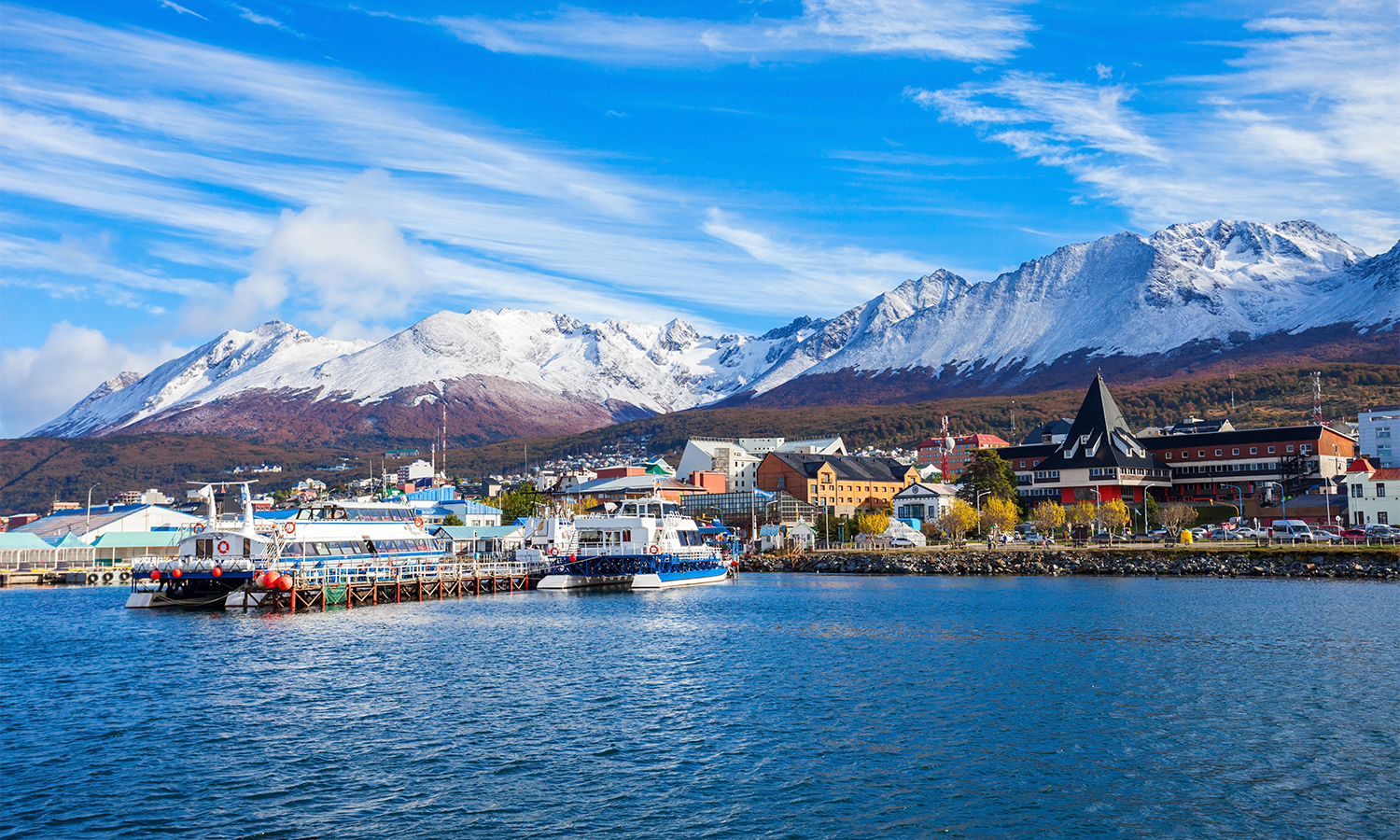
    The southernmost island in the world, belonging to Argentina in the east and Chile in the west, was named “Tierra del Fuego” by the navigator Magellan. Ushuaia, the capital of Argentina’s Tierra del Fuego region, is often referred to as the end of the world and the gateway to Antarctica. Cruise ships can only enter the Antarctica from November to February each year. Advertisements for “special Antarctic tours promotion”are seen everywhere in Ushuaia.

    The blue sea in the near distance and the glaciers and snow-capped peaks in the far compose a fascinating picture Ushuaia. The small town set against mountains and facing the sea is full of life, decorated with colorful houses with spires or flat roofs. Say hello to the sea birds at the port, breathe in the Antarctic sea breeze, and then enjoy the local specialty of king crab (SENTOLLA), or buy some chocolates with maté tea at Laguna Negra Chocolates to start a nice afternoon tea time. The small town is not too big and can be explored on foot. The Arakur Ushuaia Resort & Spa on top of a small hill is the best hotel in the area, overlooking the whole city.

    Catch a vintage train at El Tren del Fin del Muncle (the train station at the end of the world), and enjoy the waterfalls, rivers and forests along the way, finally arriving at Tierra del Fuego National Park. Lakes, snow-capped mountains, meadows, and primeval forests make up this beautiful park. The flaming red leaves spectacularly cover the mountains in autumn. Breathe in the pure air and feel the whole world recede to quietness.

    The park is home to the famous “southernmost post office on earth”, a small containerized post office set on a trestle bridge reaching out to the sea, with the Argentine flag flying from the roof as its distinctive symbol. The small room is filled with all kinds of vintage objects, from oil lamps to nautical charts and portraits of Madame Perón and Che Guevara. People flock to the house to send a postcard with the “the end of the world” logo on it.

    Take a catamaran from the Ushuaia pier to the Beagle Channel, home to the Les Eclaireurs, once again known as the “southernmost lighthouse in the world”. As the boat sails into the sea, snow-capped mountains and towns fade into the distance, while seagulls and albatrosses follow along. It takes about one hour to reach the destination. This 10-meter tall lighthouse has been guiding ships entering the Beagle Channel for nearly 100 years. The rocks below the lighthouse are densely populated with seabirds. After taking a photo with the lighthouse, you can also go to the nearby Penguin Island and Sea Lion Island to get close to the cute animals.

    Back in the city center, looking at this pretty little town, it might be hard to imagine that it was a city built by prisoners. Ushuaia was originally a place of exile for prisoners, where they felled, carried and built.

    After enjoying the beauty of Ushuaia, take a cruise to the true southernmost point of the earth – Antarctica…
  • 南美热情国度

    南美热情国度

    足球,探戈,烤肉,马黛被誉为阿根廷的四大国宝。
    阿根廷人性格开朗、友好风趣。置身于此,连空气里都洋溢着热情的味道

    看场球赛,吃顿烤肉,喝着红酒,跳段探戈,热爱着生活⋯⋯这就是阿根廷,一个充满着激情的斑斓国度。

    对于中国来说,阿根廷是地球上最遥远的一个国家。得益于大自然的馈赠,阿根廷拥有着辽阔的草原、绵延的山脉、优美的丘陵湖泊、丰富的石油和多样化的气候。那里矗立着蔚蓝绮丽的南极冰川,奔涌着巍峨壮观的伊瓜苏瀑布,有着世界尽头的最后一个灯塔。

    布宜诺斯艾利斯

    Buenos Aires音译而来,意思是清新的空气。名副其实,城市里坐落着许多公园、绿地,包括一座日本花园,亭台水榭,鱼群游弋,满目葱蓉,让每一次呼吸都觉得清爽舒怡。

    沿街Cafe里,现磨醇香咖啡配上松软的羊角面包,无论是独自一人的早餐还是与友人相聚的下午茶,泡咖啡馆都是阿根廷人生活方式的一部分。这个源自欧洲殖民者的习俗已经融入了本地人的生活。老字号托尔托尼咖啡馆十分特别,它开创了布宜诺斯艾利斯文学咖啡馆的先河,位于五月大街的一栋法国新艺术派建筑内,曾经许多当地艺术家、作家、文化人来到这里探讨文学与艺术,分享灵感与创意,如今,人们在这里可以一边品尝咖啡,一边欣赏现场探戈和爵士乐表演。

    徜徉城市中,不多时便会遇见一个广场,五月广场自然是最著名的一个。广场东侧的总统府,因其玫瑰色的建筑外体而有了玫瑰宫的别称,浪漫之余,也承载着一段段影响深远的历史。三层建筑上布满了蓝色的百叶窗和精致的廊柱,正中间巍峨的拱门之上是一个长方形的阳台。每每人们望向这个阳台,就不禁会想到被誉为“阿根廷玫瑰”的贝隆夫人,从卑贱出身到成为第一夫人,始终为心底那个平等、自由、民主的国度的梦想而不懈努力。红颜早逝时的那句“阿根廷,别为我哭泣”一直回荡在阿根廷人民的心中。如今,玫瑰宫内部陈列着历届总统的塑像、曾经颁布的重要法令及公告、政府文献及其他历史文物。

    说布宜诺斯艾利斯是南半球最有文学气质的城市一点也不为过。这里遍布着大大小小的书店,还出了博尔赫斯和科塔萨尔这样的大师。位于瑞科莱塔区的雅典人书店(El Ateneo Grand Splendid)由歌剧院改造而成,曾经邀请过无数探戈传奇人物前来表演,如今摇身变为知识的海洋,保留下了剧院华美的壁画天花板、小阳台和红色幕布,整个空间熠熠生辉。在金碧辉煌的氛围笼罩下翻看书籍,在由舞台改造的休息区内听钢琴喝咖啡,做一场华丽的文学梦。

    当你看到四围都是五彩缤纷的房子和富有创意的涂鸦,那么就是来到博卡区了。这块不富裕的中下层街区俨然变成了艺术先锋们创作之地,不仅吸引了众多游客到访,拉动了当地经济,还会时常迎接国际艺术家到此举办展览。博卡区另一个吸引人的地方是这里坐落着著名的糖果盒球场(La Bombonera),每到博卡青年队和河床竞技队的大战上演,整个街区都会沸腾起来,呐喊声响彻空中。沿街咖啡馆和餐厅里大多都有即兴探戈表演,商铺里售卖着各种特色手工艺品。

    布宜诺斯艾丽斯当地人崇尚本土原创品牌,因此在这里并不会看到太多国际大牌,却能发现许多当地小众设计师品牌,令人眼前一亮,并且价格亲民。Palermo区就是这样一个潮流街区。街道两旁有无数的新潮设计小店,值得慢慢逛,逛累了还有众多富有格调的咖啡厅让你悠闲地度过一下午的时光。

    若赶上周日,别错过了盛大的周日集市,琳琅满目的商品,从古董古玩到各类创意物件,绝对值得淘一些带回家收藏或赠送亲友。集市从上午10点一直到下午4点多,位于古老的San Telmo街区,沿着五月广场一直延伸到Dorrego广场,集市摊位将大道两旁严实包裹。在尽头的Dorrego广场有街头探戈表演,伴着悠扬的音乐,优雅又充满激情。

    提到阿根廷特色美食,烤肉绝对当仁不让。城市街头到处都有烤肉餐厅,门口放着一个烧得正旺的大火炉,一般都不会让人失望。推荐Palermo区的La Hormiga的餐厅、La Cabrera Parrilla餐厅,能吃到美味又实惠的牛排。如果想要边吃牛排喝红酒边看探戈表演,推荐七月九号大街上的Tango Porteño。晚餐一般是8点半开始,然后是十点半开始探戈表演。此外,布宜诺斯艾利斯有两家名声在外的高档餐厅,一个是Tegui,阿根廷唯一一家跻身世界top 50的餐厅,主打新式混合风味料理;另一个是iLatina,融合了拉丁美洲各地风情特色,每道菜都能代表一个国家。

    从足球到探戈

    毫不夸张的说,阿根廷人将足球视为生命。一项民调显示,10个阿根廷人中有9个宣称自己是球迷,3岁到70岁的阿根廷男性中,足球的普及率达到了98%。

    足球在阿根廷的兴起和这个国家的发展息息相关。随着阿根廷肉类加工业的发展,潘帕斯草原上的牛肉不断销往欧洲,当时港口肉类加工区聚居了越来越多的外国移民工人,足球成了他们联系的纽带,很好地加强了移民社群间的交流和认同,在无形中得到了普及。

    如今在这里,几乎每个人都乐于谈论足球,且比其它任何地方都爱得纯粹而热烈。它不仅是一项运动而已,虽然阿根廷人确实很喜欢这项运动,但对于他们,足球的意义不仅限于此,而是承载着一个个不放弃梦想的动人故事,演绎着平凡人的英雄梦想。当国家经济下滑的时候,足球是阿根廷人继续保持乐观,充满激情的原因。

    南美足球,普遍崇尚技术流,但阿根廷足球的风格却狂放绚丽,阿根廷球员本身在球场上的表演也率性而精彩。1986年的世界杯上,马拉多纳带领球队战胜英格兰队,一扫阿根廷马岛战争中的战败阴霾,当时阿根廷举国欢庆,马拉多纳也被视为民族英雄。

    布宜诺斯艾利斯的博卡区是球王马拉多纳的发迹之地,阿根廷顶级豪门博卡青年队的主场。走在街头巷尾,穿梭在色彩斑斓的房子之间,总能邂逅马拉多纳的画像,和与之合影的球迷们。如果有兴趣,你也可以去纪念品商店买件博卡队球衣,冲向糖果盒球场看一场振奋人心的比赛。

    阿根廷人还把足球搬到了桌上。虽然现在桌上足球在世界各地都很普及,但大多数人只是把它当做一种消遣。然而在阿根廷,这却是一项被严肃对待的正规运动。餐厅或酒吧里,桌上足球爱好者们精准地推杆、拉杆、转杆,将小球投入门内。在阿根廷有官方桌上足球协会,每年定期举行全国锦标赛。

    阿根廷人离不开足球,同样也离不开探戈,而且还很有创意地将它们融合在了一起,以足球为主题的探戈作品不断涌现,许多探戈创作者为他们支持的球队写探戈队歌。这种跨界创作同时激发了乐迷和球迷的激情与梦想,将更多的阿根廷人凝聚在了一起。

    探戈是阿根廷的传统舞蹈,也是阿根廷人引以为傲的民族精华,起源于19世纪,如今已然成为享誉全球的民间艺术,被列为国际标准舞大赛的的正式项目之一。探戈分为不同的形态,但不变的是那份淋漓尽致的热情与洒脱。布宜诺斯艾利斯是探戈舞的主要集中地,布满了大大小小的探戈舞场,本地人称之为“Milonga”。每天下午3点左右就有舞场开业,直到凌晨才尽兴而归。

    阿根廷探戈没有硬性规定男女舞者的拥抱姿势,有时候是紧紧相拥,有时候则是保持一支手臂的距离,很多时候都是即兴表演,不循常规的个性化演绎仿若一场精彩对话,正是阿根廷人奔放随性的生活态度写照。

    Bar Sur酒吧是布宜诺斯艾利斯最有名的探戈表演地之一,当年《春光乍泄》的取景地。面积不大的复古空间,观者可以近距离欣赏,甚至与舞者互动。探戈表演一般从晚上8点半开始,一直到凌晨2点,有仅看表演或含晚餐的套餐可供选择。

    Centro Cultural Borges文化中心里则能欣赏到专业高水平的现代探戈表演,以及弗拉明戈、芭蕾舞、戏剧等。此外,中心会不定期举行各种艺术展览,画廊、影院、讲座、工坊,只要和艺术相关的东西都能在这里找到。

    Complejo Tango舞场里能看到“刀舞”探戈,紧张的气氛绝对引人入胜。在这里还有机会学习探戈舞步,正式表演前一个小时是一堂免费的探戈课,表演时,演员也会鼓励在座客人和他们一起跳。

    Tango ROJO虽然价格比较高,但表演的专业度是一流的。剧场拥有120个座位。演出按照探戈的发展历史来编排。音乐演奏团队也是由最高级别的音乐家组成。好好享受一场视听味觉盛宴吧。

    在博卡区经常可以看到街头探戈,舞者水平虽不及剧院表演的高超,但亦别有一番韵味,他们有的年轻,有的已经头发花白,但丝毫不影响那奔放的舞步。

    走向更南端

    世界最南端的岛屿,东部属阿根廷,西部属智利,被航海家麦哲伦命名为“火地岛”。阿根廷火地岛区的首府是乌斯怀亚,常常被称为世界的尽头,也是前往南极的门户,不过只有每年11月到来年2月这段时间,游船可以进入南极。“南极特价游”的广告随处可见。

    近处的蔚蓝海域与远处的冰川雪峰交织出乌斯怀亚的迷人风光。倚山向海的小城生机盎然,或尖顶或平顶的五彩房屋装点着城市,屋前种植着美丽的鲜花。码头边能邂逅飞翔的海鸟,呼吸着南极吹来的海风,再到码头边的餐厅里品尝当地特产帝王蟹,或是在Laguna Negra Chocolates店里买一些巧克力搭配马黛茶,开启美好的下午茶时光。小城不大,走着就能逛完。小山顶上的Arakur Ushuaia Resort & Spa水疗度假村是当地最好的酒店,俯瞰整个城市。

    在世界末端火车站(El Tren del Fin del Muncle),搭上拥有100多年历史的复古小火车,欣赏过沿途的瀑布、河流、林木,最终抵达火地岛国家公园(Tierra del Fuego National Park)。湖泊、雪山、草地、原始森林构建了这处美丽的公园,巍峨的高山倒影在水中,溪流在树木间蜿蜒,每逢秋季来临,漫山遍野的火红落叶颇为壮观。呼吸着纯净的空气,整个世界都放佛安静下来。

    公园里坐落着著名的“地球最南端邮局”,集装箱式的小小邮局被架在伸向海面的栈桥上,屋顶上飘扬的阿根廷国旗是它的鲜明标志。小屋子里装饰着各种复古小物件,从油灯到航海图,还有贝隆夫人和切格瓦拉的画像。人们蜂拥而至,要寄出一张印着“世界尽头”标识的明信片。

    从乌斯怀亚游船码头乘坐双体船前往比格尔海峡,那里有着再次冠名“世界最南端”的莱斯灯塔。随着船驶向海域深处,雪山和城镇渐渐远去,海鸥和信天翁一路随行。约1小时航程便能抵达目的地。这座十米高的灯塔为进入比格尔海峡的船只导航了近一百年。灯塔下的岩石上聚集着密密麻麻的海鸟,他们才是这里的主人。看完灯塔,还可到附近的企鹅岛、海狮岛近距离接触可爱的动物们。

    回到市中心,看着这座漂亮的小城,或许很难想象它是一座由囚犯建造起来的城市。乌斯怀亚最初是流放囚犯的地方,他们在这里伐木、搬运、建造,如今一座监狱博物馆里还清晰记录了这段过往。

    领略完乌斯怀亚的美,乘上邮轮驶向真正的地球最南端——南极,这里是尽头也是开端。

  • Wellness Ecotourism in China

    Wellness Ecotourism in China

    Luxury ecotourism and wellness travel are attracting China’s wealthy. By Liz Flora

    While ecotourism is a growing luxury buzzword worldwide, it’s still at an early stage in China—but this is changing quickly as a host of high-end eco-resorts are cropping up across the country.

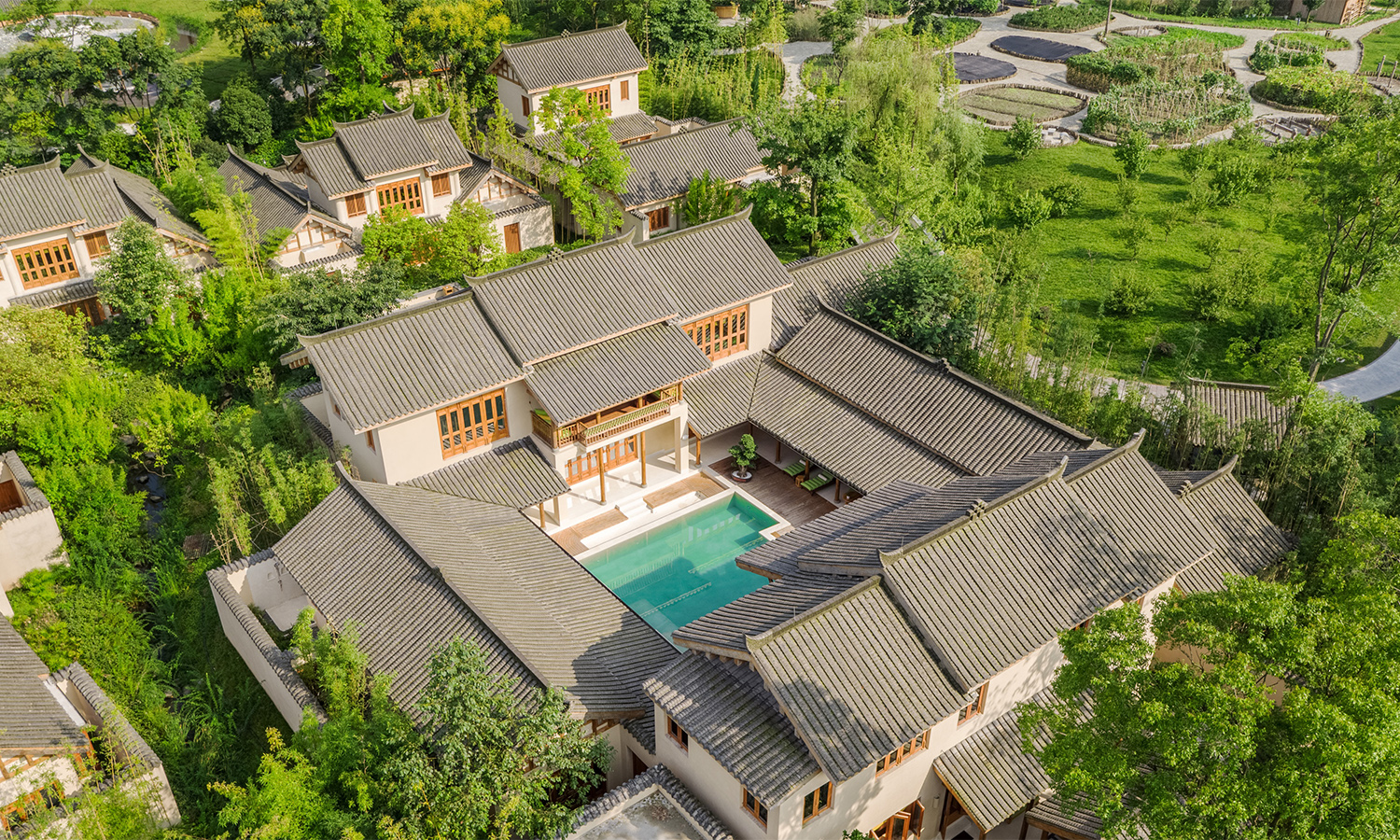
    For example, an onsite organic farm, water purification system, Tesla transportation, and support for local conservation are some of the sustainability initiatives that can be found at the the new Six Senses resort at Qing Cheng Mountain outside Chengdu that opened in June 2015. The eco-friendly five-star resort brand has only nine locations worldwide, and joins several companies that have been launching eco-tourism ventures in China over the past five years.

    Many eco-luxury resorts have been springing up across China in nature areas just outside urban centers where they can serve as an escape from China’s smog-choked cities, including Naked Retreats and Le Passage at Moganshan outside Shanghai, the Brickyard at the Great Wall outside Beijing, or the Yun House Boutique Eco-Resort in Guangxi outside Guilin.

    Sustainability is a key focus for properties at a time when China faces serious pollution problems with air, soil, and water. The Six Senses Qing Cheng Mountain resort is part of a company with conservation built into its corporate structure—all properties are built with eco-friendly construction techniques and the main global office conducts environmental performance tracking on all its properties, offering rewards to its resorts that perform the best at energy conservation, recycling, and reducing waste. They also participate in local corporate social responsibility initiatives related to conservation. Since Qing Cheng Mountain is located in the heart of Sichuan’s panda country and is near a panda research base, the resort opts to work with panda NGOs.

    The Sichuan resort’s massive organic farm located on the property is one of the main draws for most Chinese guests. At the moment, most customers are attracted to the promise of food safety as concerns about contaminated soil and dangerous pesticides grow among China’s affluent.

     A March 2016 survey by McKinsey found that food is the top category consumers plan to spend more on if their incomes increase, while “organic” was listed as the top criteria for evaluating food safety. Guests of high consumption power would just book one of the resort’s suites for one or two months with plans to only eat food from the resort as a form of detox from typical urban fare.

    The resort’s farm-to-table restaurant Farm2Fork features labeled menu items for dietary restrictions, as well as a special “pay-what-you-want” chef’s table, and is planning on rolling out guided meal plans for nutrition or dieting. It also holds a farmers’ market every Sunday during the growing season.

    Interest in food safety tends to outshine that of other sustainability efforts in the eyes of Chinese consumers. Frankly speaking, Chinese guests are not yet really into the “Hey, let’s reduce using plastic.” They understand that the decomposition of plastic is not good to the environment, but the truth is that they care more about what they eat and drink now than they do about the future. So many wellness hotels in China are now adopting the water purification process for two main purposes: providing a solution to dealing with China’s undrinkable tap water, as well as serving all water in reusable glass bottles rather than relying on plastic like most traditional hotels. These wellness hotels also believe that more education is needed on the sustainability side. They offer on-site programs to guide guests think about the importance of sustainability.  It’s really good to see that the high-end consumers in China never resist such education. They happily say: “Hey this is a good thing—we should do this. This is very good.” And they also honestly admit: “If you don’t tell us, we will not even think of this.”

    Many of the wealthy urbanites coming out to the resorts are bringing children with no exposure to agriculture. For instance, a lot of Chinese families like to bring their kids to the organic farm of Six Senses Qingcheng Mountain. These days, the city kids don’t know anything about farms; they don’t know about animals – they don’t really see a lot of fresh stuff.

    As a result of the strong interest in health, eco-resorts’ dual emphasis on both sustainability and wellness is also a big draw for Chinese travelers. Six Senses has localized its spa and wellness services for the China market, offering a traditional Chinese medicine practitioner along with its typical spa treatments, as well as tai chi and meditation classes in addition to yoga. Localized services are especially popular. Six Senses Qingcheng Mountain cooperates with the famous nearby Puzhao Temple to offer morning classes in the monks’ meditation chamber with a tai chi master. Guests are given traditional tai chi clothes, and the class is followed by a zen tea ceremony and a vegetarian breakfast. This is precisely the kind of localized experience being sought. And in other Six Senses hotels around the world, morning yoga sessions will be providing equivalent experiences.

    Organic food and eco-travel aren’t just exclusive to rural resorts, however, as many restaurants and hotels within China’s cities work to adopt similar practices. For example, Shanghai eco-hotel URBN boasts its carbon-neutral status, while the newly reopened Peninsula Beijing’s fine dining restaurant Jing focuses on farm-to-table gastronomy.

  • 中国生态旅游

    中国生态旅游

    奢华生态养生旅行吸引了众多中国富裕阶层的人们

    生态旅行这一术语在全球范围内变得流行起来,不过在中国仍处于早期阶段。然而,随着大量高端生态度假村在全国各地涌现,这一情况正在发生迅速的改变。

    7年前在成都市郊揭幕的青城山六善酒店便是其中之一。度假村中采用了多项可持续性举措,如有机农场、水净化系统、采用环保节能的特斯拉接送游客、保护当地生态等。这个生态友好型的五星级度假酒店品牌在全球只开了九家,并在过去五年与几家公司合作在中国推出了不少生态旅游项目。

    中国各地都出现了许多奢华的生态度假村,多位于城市郊外的自然目的地,带消费者摆脱空气污染严重的市中心,如毗邻上海的莫干山裸心度假村和法国山居,北京郊外背靠长城的瓦厂酒店,以及广西桂林郊外的云庐精品生态酒店。

    在中国面临严重的空气、土壤和水污染问题的时候,酒店更应将可持续发展视为核心。青城山六善酒店的所属公司将环保纳入企业运营的方方面面——旗下所有酒店都采用环保技术来建造,公司全球办公室对所有酒店进行环境绩效追踪,并对在节能、回收和减少废弃物方面表现最好的酒店给予奖励。旗下酒店还纷纷携手当地践行环保的企业开展社会责任活动。青城山毗邻都江堰大熊猫自然栖息地,因此酒店也会与大熊猫保护组织进行合作。

    青城山六善酒店的有机农场是吸引高端客人的重要因素之一,目前,随着中国有钱人对土壤污染和杀虫剂的担忧加剧,他们会不约而同地选择食品安全得到保障的度假地。

    麦肯锡在2016年3月发布的一项调查结果显示,如果消费者的收入增加,他们会首先考虑在食物上花更多钱,“有机”则被视为评估食品安全的首要标准。有些高消费的客人会选择在这类酒店入住一两个月,并且只吃酒店里的食物,将此作为一种养生和排毒方式。

    青城山六善酒店的农场直对餐桌餐厅Farm2Fork在菜单上标注了卡路里,以帮助客人控制摄入量。另外,餐厅推出了“随心付”主厨餐桌,并计划呈现针对营养补充和饮食减肥的指导性膳食计划。

    中国消费者对食品安全的兴趣超过了可持续发展的其他方面。但坦白说,中国客人对减少塑料的使用并没有那么大的兴趣,很多客人理解塑料的分解是不环保的,但事实上比起对未来的担忧,他们更在乎现在的自己吃什么喝什么。于是,在考虑到酒店的水净化系统时,很多养生度假酒店在采用这一系统主要有两个目的:让客人们放心喝水;使用可重复使用的玻璃杯装水,而非像其它大多数酒店那样提供塑料瓶装水,并认为在可持续发展方面,还是需要对客人 进行更多的教育,并以实际的体验来潜移默化,让客人们更多地去思考这件事的重要性。非常令人欣慰的是,这些高端客人从来不会拒绝被科普,然后开心地反馈:“这样做确实挺好的,我们应该这样做。”并诚恳地说:“如果你不告诉我们,我们甚至连想都不会想到。”

    许多来度假的城市有钱人会带着自己从没有接触过农作物种植的孩子们一起。例如在青城山六善,很多中国父母都会把他们的孩子带来酒店的有机农场。因为在这个时代,城市里的孩子根本不知道植物是怎么长出来的,也不了解动物,甚至很多新鲜的食材原料他们都没有见过。

    由于消费者对健康的关注,同时注重可持续发展和健康养生两方面的生态度假村无疑会非常吸引中国旅行者。青城山六善酒店为中国市场推出了本土化的水疗和养生服务,在六善经典疗程之外,还有传统中医疗程,以及瑜伽、冥想和太极课程。具有当地特色的项目在客人中尤其受欢迎。青城山六善酒店与附近著名的普照寺合作,太极大师在僧侣打坐室里带领客人开展晨间太极课,客人会穿上传统太极服,课程结束后还有禅宗茶道和素食早餐。这个可以说是相当本地特色的,而在全球其它六善酒店都会提供清晨瑜伽。

    不过,有机食物和生态旅游并不只是郊区和山区度假村的专利,中国城市里的许多餐厅和酒店也在努力尝试类似的做法。如上海的生态酒店——艾本精品酒店因碳中和举措而闻名;最近重新开业的北京王府半岛酒店的Jing餐厅则主打“从农场直到餐桌”的美食体验。

  • Getting Creative

    Getting Creative

    With international travel flat, how are China’s luxury hotels enticing locals?
    By Jing Daily Eva Liang

    Hospitality has been one of China’s most depressed sectors since COVID-19 hit. According to a 2021 report on the development of China’s hotel industry, 2020 saw the closure of 59,000 hotels in the mainland. The country’s dynamic zero-COVID policy has made even domestic travel onerous, with different provinces and cities setting their own rules that often include a litany of tests and quarantine requirements.

    Fashion and travel influencer Will Wang has witnessed the impact firsthand. “The hotel industry fell into a ‘self-help craze’ when the pandemic started to get worse in 2020,” he said. “Even some of the premium hotels began to offer super affordable presale vouchers and sell these vouchers via livestreaming. Then there was a turning point as domestic travel recovered in 2021.”

    This rebound was obvious in popular destinations like Hainan’s Sanya, “where hotel revenues even surpassed those before the pandemic,” he adds. In 2021 and early 2022, luxury brands scrambled to launch permanent stores at duty-free shopping malls and unveil pop-up shops in Hainan. Dior’s pop-up “Dior Vibe” at Sanya’s The Edition hotel was the most prominent, driving significant traffic on the ground.

    However, as unexpected lockdowns can now happen anywhere in China, brands, hotels and tourists have all become more cautious. Three years on from the start of the pandemic, Chinese tourists’ “travel freedom” seems to be an illusion. How can hotel brands navigate this new normal?

    Themed staycations

    During the seven-day Golden Week holiday, short-haul vacations accounted for 65 percent of orders on online travel platforms while travel spending per person by local tourists (or those from surrounding areas) increased by nearly 30 percent year-on-year, according to online travel agency Trip.com. Meanwhile, an increasing number of tourists are seeing hotels as “destinations” rather than mere accommodation. They expect a one-stop vacation spot that can entertain them without having to leave the hotel. As the popularity of staycations surges in China, such playful experiences have become significant to clients.

    As a Trip.com report shows, as of September 2022, stays that came with activities like esports and camping recorded a year-on-year increase of 50 percent and 10 percent, respectively. Early adopters like Shangri-La Group announced their esports-themed hotel rooms in partnership with Tencent Games and Tencent Esports in June 2021. The first hotels to feature these include the Kerry Hotel in Beijing and Shanghai Pudong District, as well as the Shangri-La hotels in Xi’an, Chengdu, and Haikou. In addition to integrating game-related designs and decorations into the room, the hotels rolled out a series of online and offline events and offered incentives such as complimentary virtual gifts in games.

    In 2020, Waldorf Astoria Beijing and Aston Martin teamed up to launch the “Urban Glamping Plan” – offering guests unique camping experiences in the city. The campaign was upgraded in 2021 with the unveiling of South Africa-themed glamping suites, which feature furnishings that are both homely and striking. Clients could also enjoy a deluxe in-room South African dinner.

    In-depth local culture tours

    When the scope of travel is limited, the potential of each trip is worth exploring to its fullest, and many residents prefer hotels that allow them to immerse themselves in the local culture. Sun Nan from Shanghai is a fan of luxury weekend staycations: “For trips to surrounding areas, I prefer to get closer to nature and experience local customs. So hotels that allow me to explore domestic culture are appealing to me.”

    Given this growing demand, leading hotels have leveraged their geographical advantages to introduce in-depth cultural tours. Capella Shanghai, for example, recruits Shanghai culture and history experts to offer guests a variety of tailored experiences such as city cycling tours and tastings in boutique restaurants. Similarly, the JW Marriott Hotel in Shanghai at Tomorrow Square, located near a number of cultural and historic sites, has collaborated with the Shanghai Museum Institute to launch its “Family by JW” campaign, featuring on-site historical lessons.

    Multidimensional collaborations

    Though various brand collaborations have offered glimmers of hope for hotels in China, guests with plenty of free time and spending power still make up a small but coveted group. Rosewood Beijing appeals to local guests with its diverse dining options and state-of-the-art health and fitness facilities. The hotel’s executive lounge Manor Club teamed up with “The Players Club,” a 27-hole championship golf course and private club in Beijing, to launch a VIP card which allows holders to enjoy membership of both. On top of multiple exclusive offers from Rosewood Beijing, such as one year’s access to the Manor Club, one night’s stay in a deluxe room, access to Sense spa, and discounts at the hotel restaurants, cardholders can enjoy a one-year social membership to The Players Club.

    The pandemic has given new impetus to the hospitality industry’s transformation and innovation in spite of the chaos of sudden lockdowns. During the Golden Week holiday in October, thanks to Beijing’s call for people to “stay in the city for the holiday,” vacationers flocked to its suburbs and caused the prices of local establishments to skyrocket. “Hotels capitalized on local short trips as a temporary measure to help the current challenges,” Wang explains.

    Whether it’s diversifying the staying experience or maximizing added value, China’s luxury hotels have certainly been getting creative. That said, some of these efforts do tend toward similitude. There is still huge room for improvement in terms of luxury hospitality groups catering to their sophisticated domestic customers — who expect an authentic, playful, and distinctive experience.