Category: Cover Story

  • The Return of Chinese Travelers

    The Return of Chinese Travelers

    Outbound Rebound 2023,
    Report by FINN Partners and Consumer Search Group (Part 2)

    Upscale and luxury accommodations are more preferred and hotel brands have an increasing influence over destination choices.

    Accommodations

    While convenience, personalized service and culinary offerings in hotel accommodation are key, wealthy Chinese travelers also want a place they can socialize and get a good night’s sleep.

    Going luxe: affluent Chinese travelers are opting to splurge on accommodation.

    A majority of travelers still prefer hotels and resorts for convenience and familiarity, rather than the non-traditional types of accommodation with strong experiential components. In 2023, one in two travelers plan to stay in upscale and luxury hotels.

    On average, special-themed hotels saw a four-percentage point jump in preference, with the growth more evident among the 21-25 age group and travelers from Tier-3 cities.

    It is worth noting that the rise of glamping in the domestic market does not translate to an increase in the popularity of camping and campervans in the context of overseas travel. Private islands, boats and temples also score less than 10%.

    Brand love: hotel brands are influencing destination choices.

    Majority of respondents decide on a destination first before making hotel choices. But this decision process is declining across various age groups. In 2019, 86% of affluent Chinese travelers chose a destination first before selecting the hotel or resort. Today, that number is down to 77%.

    Instead, a brand’s portfolio is becoming a deciding factor among savvy travelers, as 16% choose to plan their vacations around locations where their favourite hotel brand has a property, versus 11% in 2019. This is particularly evident in the 21-25 year-old age bracket (26% versus 16% on average). In contrast, it is the older, affluent travelers in Hong Kong (aged 36 years and above) who tend to be loyal to a hotel brand.

    Also notable is the increase in travelers whose destination choice is solely based on the location of a specific hotel or resort. Up from 3% in 2019, 8% of travelers now make decisions in this manner. This is more evident among those from Tier-1 and Tier-3 cities (a 5% and 6% increase, respectively, versus 2019).

    Personal feedback and word-of mouth sway booking decisions.

    Unlike price and budget-sensitive Hong Kong  travelers, where 41% of respondents choose hotels based on budget, Chinese travelers place more emphasis on past experience, star-rating or reviews, and word-of-mouth.

    Hence, positive guest experience alone carries great potential for repeat and new business. Interestingly, for affluent Chinese travelers, budget and promotional offers are among the least important factors in choosing a hotel.

    Star-rating and personal interest are especially important to those over 36 years old and those from Tier-3 cities.

    Convenience, service and food choice matter.

    From a list of 49 items or criteria, respondents chose hotel services and amenities that were most important to them. The choices included location, rooms, service, facilities, dining and kids’ club. The factors deemed most important by affluent Chinese travelers emphasize the importance of convenience and accessibility, personalized and efficient service, and culinary experience.

    Convenience is the top factor that drives accommodation selection. For city hotels, it is about easy access to attractions, entertainment, and shopping, while resort guests look for proximity to the beach and other activities. Free shuttle service to attractions is a strong influencing factor in hotel choices.

    Round-the-clock butler, room service and business center are also important as these give assurance that their needs can be attended to at any given time.

    Culinary options are also important for wealthy Chinese travelers as they tend to have meals in the hotel before and after they come back from sightseeing or shopping.

    Growing preference in properties where there is a sense of conviviality, impeccable hospitality, and aesthetics.

    Consumers are shifting their preference towards community minded and design-centric hotel properties. This is a trend that has been gaining momentum in the boutique hotel segment.

    While 85% of affluent Chinese travel with companions, majority of respondents want to stay in hotels and resorts where they can have an opportunity to socialize and meet new people. This friendly and welcoming atmosphere is an aspect that travelers want in the staff.

    As Chinese travelers become increasingly discerning, hotel design will become a feast for the senses and a defining factor of luxury.

    Conviviality in a property: A hotel/resort where I could socialize and meet new people 58%; A hotel/resort that is known for its welcoming and friendly staff 58%; A hotel/resort that would keep my travel companions happy 48%; A hotel/resort that is known for its excellent service 48%; A hotel/resort with distinctive design and decoration 46%.

    Creature comforts and relaxation are vital in a hotel room.

    Be it customized pillow choices or luxurious beddings, sleep amenities are most important, especially among the 36+ age group. This is consistent with the prevalence of poor sleep quality among the population.

    Across the board, the affluent Chinese travelers prefer rooms with a view — whether it be the natural scenery or a garden. Complimentary mini-bar amenities and a bathroom with spa features are also important attributes.

    Most important attributes of hotel rooms/ suites: Luxury sleep amenities 40%; Picturesque view 36%; Complimentary minibar 35%; Spa-inspired bathroom 34%; Private garden / balcony 32%; Computer / video games 30%; Private swimming pool 29%; Special floors (e.g., woman floor, quiet zone) 27%; Dedicated work area (large desk, lighting, fast internet) 27%.

    Dining options matter.

    Wealthy Chinese travelers tend to eat meals in the hotel before they head out for sightseeing, shopping, or other activities. Most also eat supper in the hotel after a whole day out. Hence, variety of cuisine and even flavours from home are listed as important preferences.

    Respondents are split among what is important for them as far as hotel culinary options are concerned. Aside from variety of menu offerings, healthy meal options, 24-hour room service, and a bespoke, fine dining experience are also important to affluent Chinese travelers.

    Interestingly, bars with extended opening hours do not matter as much, with only 29% of respondents saying this was an important attribute.

    Most important attributes of hotel restaurants: A variety of cuisine options 45%; 24-hour room service 44%; Healthy meal options 44%; Local cuisine restaurant 43%; Fine-dining restaurant 43%; Outdoor dining 40%; Bars / restaurants with extended opening hours 29%.

    From Planning to Booking

    Practical information and insiders’ insights and tips shape travel decisions. Video content and imagery strongly influence consumer choices. While most book directly on brands’ official websites, travel agents play an increasingly crucial role in planning and booking.

    Planning: Decisions are mostly made alone. 83% plan well in advance. 77% decide on the destination first, then hotel. 26% Gen Z more likely to decide on the hotel/ resort first, before the destination.

    Single decision maker for the traveling group.

    91% of affluent Chinese make leisure travel decisions on their own. But 86% of them plan to travel with at least one companion, mostly with their spouse/ partner (66%).

    In cases where there are joint decisions, these are made together with the spouse / partner (89%) or children (53%). 

    Information Gathering: Internet 82%; Social media 73%; Advertisement 62%; Word-of-mouth 59%; Travel agents 51%.

    Travel decisions based on research from official sources and personal feedback.

    Travel decisions are guided by research. Typically, affluent Chinese travelers do research from official sources, features from travel bloggers, writers or influencers on recommended itineraries, tips and insights. Images from go-to, credible sources also play a role in drumming-up interest in a destination or attraction.

    As “reviews” play an important role in Chinese consumerism, personal travel blogs are indeed an important source of information. Meanwhile, video-based platform Douyin has surpassed WeChat and Red as the most popular information channels, once again highlighting the growing popularity of using videos to promote travel products.

    Travel information of interest: Practical facts about the travel destinations such as seasons, climate, culture, etc. 51%; Recommended itineraries, places to visit etc. 46%; Personal travel diaries with personal insights, suggestions, and in-the-know travel tips etc. 43%; Travel regulations on official channels 38%; Destination entry requirements detailed by travel bloggers 33%; Travel brochures with beautiful images and descriptions 31%; Destination fun facts 26%.

    Preferred information channels: Douyin 66%; WeChat 63%; Weibo 55%; Little Red Book 55%; Bilibili 46%.

    Booking: 76% book within 3 weeks; 47% book within 1-2 weeks; 21% Gen Z book less than 1 week.

    The top 3 online booking platforms for international travel: Trip.com 89%; tuiniu.com 57%; booking.com 32%. 65% book directly on brands’ website.

    Offline channels are still crucial, albeit less than online channels. Travel agents (online & offline) are also key booking channels.

    While, direct bookings are preferred, travel agents remain important in finalizing travel plans.

    In contrast to domestic travel where online travel agents are considered the main one-stop-shop platforms for planning and booking, travelers tend to book directly through the websites of travel brands for international trips.

    But both online and offline travel agents influence planning (73%) and booking (43%) – emphasizing the need for reliable agents who can help navigate nuances such as connectivity to get to destinations, travel requirements and other factors.

    Noteworthily, more than 70% of travelers still book offline, indicating that offline channels are still crucial even in the digital-first market.

    Travel Essentials

    With more plans to fly first class, COVID safety measures and service matter more than price. Travelers prefer loyalty programs that grant them personalized service and priority access.

    First class = safer seats.

    More affluent Chinese said they prefer flying first class, with a marked increase versus 2019. This increase is particularly evident among the 36+ age segment and those in Tier-3 cities.

    Only 22% of affluent Chinese said they would fly economy class.

    As a point of comparison, less Hong Kongers said they would fly first class, reflective of the cautious sentiment towards economic prospects and relative maturity as international travelers. 44% of Hong Kongers said they would fly economy.

    Affluent Chinese travelers are not price-sensitive.

    Factors impacting choice of airlines: COVID safety measures 39%; Service 37%; Inflight dining 35%; Flight schedule 32%; Cancellation terms 28%; Inflight entertainment 27%; Pricing 24%; Carbon emission 8%; Loyalty program 5%. 

    Travel by train remains steady. As road trips have become popular, demand for car rental is expected to rise.

    Meanwhile, cruise ships remain a steady preference in leisure travel: Train 15% (-1%), Cruise Ships 12% (+1%), Rental Car 14% (+4%).

    Loyalty memberships are a badge of honor.

    The motivation behind loyalty memberships is the exclusive privileges – personalized service, priority access and VIP amenities. Travelers are less keen on rewards and special discounts.

    Loyalty program ownership: Hotels 64%; Airlines 57%; Vacation clubs 48%; Food and beverage 42%; Travel agents 36%.

    Motivation to sign up: Personalized services 60%; Priority access to newly launched facilities and services 58%; Privileges (e.g., priority service, free upgrade) 55%; Rewards47%; Promotion/ special offers 42%; Partner network 10%.

    Most attractive membership benefits and rewards: Benefits can be used in city of residence (e.g. gyms and lounges) 33%; Hotel accommodation 32%; Travel services or experience (e.g. spa, car rental, event tickets) 32%; Limousine service 30%; Birthday and anniversary gifts 30%; Souvenirs or products 28%; Dining experience 27%; Shopping vouchers 25%; Upgrade 24%.

  • 中国旅行者回归

    中国旅行者回归

    2023出境游火热重启,
    传播集团FINN Partners与调研公司CSG Research联合发布该报告(下)

    中国高净值旅行者更加青睐高档和豪华的住宿条件,酒店品牌对目的地的选择也起到了越来越大的影响。

    住宿

    虽然酒店的设施、个性化服务和餐饮是关键,但富裕的中国旅行者也希望去到一家可以进行社交和获得良好睡眠的酒店。

    走向奢华:富裕的中国旅行者决定在住宿上大肆挥霍

    大多数旅行者仍会选择传统的的酒店和度假村,因为设施齐全,服务亲切,而不会轻易尝试那些具有强烈体验感的非传统类型住宿。2023年,每两个旅行者中就有一个计划入住奢华酒店。

    旅行者对独特主题酒店的偏好平均跃升了4个百分点,这在21-25岁年龄组和来自三线城市的旅行者中更为明显。

    值得注意的是,露营在国内市场的兴起并没有转化为海外旅行中露营和露营车的普及。私人岛屿、游船和寺庙住宿的受欢迎程度也低于10%。

    品牌之爱:酒店品牌正在影响旅行者对目的地的选择

    大多数受访者在选择酒店之前会首先决定目的地。但是,这一决策原则在各年龄段都有所下降。2019年,86%的中国富裕旅行者会在选择酒店或度假村之前首先选择目的地。如今,这个数字下降到77%。

    相反,酒店品牌正在成为见多识广的旅行者选择目的地时的决定性因素,16%的受访者会根据他们最喜欢的品牌酒店所在地来规划旅程,而2019年这一比例为11%。这一现象在21-25岁年龄段的受访者中尤其明显(26% VS 16%)。相比之下,香港年龄稍长的富裕旅行者(36岁及以上)才会更忠诚于某个酒店品牌。

    同样值得注意的是,完全根据特定酒店或度假村的位置来选择目的地的旅行者也有所增加。与2019年的3%相比,现在有8%的旅行者以这种方式来决定目的地。这在来自一线和三线城市的受访者中更为明显(与2019年相比,分别增加了5%和6%)。

    评价和口碑影响着酒店预订决定

    香港旅行者对价格和预算敏感,41%的香港受访者根据预算来选择酒店,而中国旅行者则不是这样,他们更加重视过往的体验、消费者评分或评价,以及口碑。

    因此,光是能提供良好的体验就有很大的潜力来吸引回头客和新业务。有趣的是,对于富裕的中国旅行者来说,预算和促销优惠是选择酒店时最不重要的因素之一。

    消费者评分和评价、个人兴趣对36岁以上和来自三线城市的受访者在选择酒店时尤为重要。

    便捷、服务和食物选项很重要

    从49个项目中,受访者选择了对他们最重要的酒店服务和设施,包括酒店位置、客房、服务、设施、餐饮和儿童俱乐部。富裕的中国旅行者认为最重要的因素是便捷性、个性化的高效服务以及美食体验。

    便捷性是受访者进行酒店选择的首要因素。对于城市酒店来说,包括参观景点、进行娱乐和购物的便捷性;对于度假酒店来说,则包括海滩、各项活动项目的可及性。前往景点的免费班车服务是酒店选择中的一个强大影响因素。

    全天候的管家、客房服务和24小时开放的商务中心也很重要,因为这些可以让旅行者的需求在任何时候都得到满足。

    多样化的美食选择对于富裕的中国旅行者来说也很重要,因为他们往往在观光或购物前后会在酒店用餐。

    越来越多人倾向于选择具有亲和力、完美的待客服务与美学价值的酒店

    消费者正在将他们的喜好转移到具有社区意识和以设计为中心的酒店。这是一个在精品酒店领域不断发展的趋势。

    虽然85%的中国富裕旅行者通常会与同伴一起旅行,但大多数受访者希望有机会在入住的酒店和度假村里进行社交并结识新朋友。因此,友好热情的员工和利于社交的氛围环境对于他们来说是很具有吸引力的。

    随着中国旅行者的眼界越来越高,酒店的美学设计成为愉悦感观、定义奢华的重要因素。

    酒店在亲和力方面的重要性排序:可以社交和认识新朋友58%;热情友好的工作人员58%;能让旅伴满意48%;优质服务48%;拥有独特设计和装潢46%。

    酒店客房是否能够让旅行者舒适和放松至关重要

    无论是定制枕头选项还是豪华的床上用品,睡眠相关用品都是最重要的,对于36岁以上的旅行者尤其如此。这和都市人中普遍存在的睡眠问题密切相关。

    整体来说,富裕的中国旅行者更喜欢景观房——无论是自然风光还是花园景观。免费的迷你吧和具有SPA功能的浴室也很重要。

    酒店客房/套房最重要的属性:奢华的睡眠设施40%;优美的自然景观36%;免费迷你吧35%;带水疗功能的浴室34%;私人花园/阳台32%;电脑/视频游戏30%;私人泳池29%;特殊楼层(如女性楼层,安静区)27%;专门的工作区(大桌子,照明,高速网络)27%。

    餐饮选择很重要

    富裕的中国旅行者往往在外出观光、购物或进行其他活动之前会在酒店里用餐。大多数人在外出一整天后也会回到酒店吃晚餐。因此,菜品的多样性,甚至是“家乡的味道”是旅行者视为关键的方面。

    在与餐饮相关的方面,不同项目的重要性也存在差异。除了菜单的多样性之外,健康的膳食选择、24小时客房服务以及定制化的高级餐饮体验对富裕的中国游客来说也很重要。

    有趣的是,大多数受访者并不认为是否延长酒店营业时间有太大关系,仅有29%的受访者认为这是一个重要的方面。

    与餐饮相关事项的重要性排序:多样化的美食选择45%;24小时客房用餐服务44%;健康膳食选择44%;当地美食餐厅43%;高级餐厅43%;户外用餐40%;酒吧/餐厅延长营业时间29%。

    从规划到预定

    实用信息和专业人士的建议决定着旅行者的旅行决策。视频内容和照片往往对旅行者的选择具有强大的影响力。虽然大多数人会直接在品牌的官方网站上预订,但旅行社在行程规划和预订方面发挥着越来越重要的作用。

    规划:旅行者的决策大多是独自制定的。83%的受访者会提前做好旅行计划。77%的受访者会先决定目的地,再决定酒店。26%的Z世代更倾向于先决定酒店/度假村,然后再决定目的地。

    自主制定旅行决策

    91%的富裕中国人群是自己制定休闲旅行中的各项决策。不过,其中86%的受访者计划至少与一位同伴一起旅行,大部分是与配偶/伴侣一起(66%)。

    在共同出游的情况下,旅行决策通常是与配偶/伴侣(89%)或子女(53%)一起制定的。

    信息获取渠道:互联网82%;社交媒体73%;广告62%;他人评价59%;旅行社51%。

    基于官方平台的信息研究和他人的评价反馈来进行旅行决策

    旅行者会在进行一番研究考察后再制定旅行决策。通常情况下,富裕的中国旅行者会从官方平台、旅行博客、或网红推荐的行程等方面进行研究。来自可靠来源的照片也在激发旅行者对某个对目的地的兴趣方面发挥了不小的作用。

    由于“评论”在中国消费者中有着举足轻重的作用,个人旅行博客是一个重要的信息来源。同时,视频平台抖音已经超越了微信和小红书,成为最受欢迎的信息渠道,再次说明了使用视频来推广旅游产品的日益普及。

    旅行者感兴趣的旅游信息排序:关于旅行目的地的实用信息,如季节、气候、文化等51%;推荐行程、参观地点等46%;个人旅行文章,包括个人体验感悟、建议和专业小贴士等43%;官方旅游法规38%;旅游博主详细介绍的目的地入境要求33%;带有精美图片和描述的旅游手册31%;目的地趣闻26%。

    最受欢迎的信息渠道:抖音66%;微信63%;微博55%;小红书55%;哔哩哔哩46%。

    预订:76%的受访者在3周内预订;47%的受访者在1-2周内预订;21%的Z世代在1周内进行预订。

    国际旅行的三大在线预订平台:Trip.com 89%;途牛网57%;booking.com 32%。65%的受访者会直接在品牌网站上预订。

    尽管大多数旅行者会选择线上渠道进行预订,但线下渠道仍然扮演着重要角色。旅行社(线上和线下)也是关键的预订渠道。

    虽然直接预订是首选,但旅行社在最终确定旅行计划方面的影响力依然存在

    对于国内旅行,线上旅行社是最主要的集行程规划和预订为一体的一站式平台,而对于国际旅行,旅行者则倾向于直接通过品牌网站进行预订。

    不过线上和线下旅行社都会影响行程计划(73%)和预订(43%)——旅行社是否可靠很重要,可靠的旅行社在细节上做得更好,如前往不同目的地的最佳方式;了解目的地的旅行要求,以及其他相关因素。

    值得注意的是,超过70%的旅行者仍然在线下预订,说明即使在如今数字化风靡的市场中,线下渠道仍然至关重要。

    旅行必备要素

    越来越多的旅行者计划乘坐头等舱,显然抗疫安全措施和服务比价格更重要。旅行者更喜欢能给予他们个性化服务和优先使用权的项目。

    头等舱=更安全

    越来越多的中国富裕旅行者表示他们更倾向于乘坐头等舱,与2019年相比有明显的增加。这一增长在36岁以上的年龄段和三线城市的受访者中尤为明显。

    只有22%的中国富裕人群表示他们会乘坐经济舱。

    相比之下,较少的香港受访者表示他们会乘坐头等舱,反映出其对经济前景的谨慎情绪和作为国际旅行者的相对成熟度。44%的香港受访者表示他们会乘坐经济舱。

    富裕的中国旅行者对价格不敏感

    影响他们选择航空公司的因素:防疫安全措施39%;服务37%;机上餐饮35%;航班时刻表32%;取消条款28%;机上娱乐选项27%;价格24%;碳排放8%;忠诚度计划5%。

    乘火车旅行仍然是大多数的选择。随着自驾游的流行,对汽车租赁的需求预计将上升

    同时,游轮仍然是休闲旅游的稳定选项——火车15%(-1%),游轮12%(+1%),租车 14%(+4%)。

    会员资格是一种荣誉象征

    会员资格的背后是专属特权——个性化服务、优先访问权和贵宾设施。相比之下,旅行者对礼物和特别折扣并不很热衷。

    拥有会员资格的受访者比例:酒店64%;航空公司57%;度假俱乐部48%;餐饮42%;旅行社36%。

    购买会员的动机:个性化服务60%;优先使用新推出的设施和服务58%;特权(如优先服务,免费升级)55%;奖励47%;促销/特别优惠42%;合作伙伴网10%。 最具吸引力的会员福利和奖励:可在居住城市使用(如健身房和休息室)33%;酒店住宿32%;旅行服务或体验(如SPA、租车、活动门票)32%;豪华轿车服务30%;生日和周年纪念礼物30%;纪念品或产品28%;餐饮体验27%;购物券25%;服务升级24%。

  • The All-encompassing Malaysia

    The All-encompassing Malaysia

    Ready to embark on a journey yet can’t decide between tropical diving,
    mountain hiking and city breaks? Come to Malaysia and realize all your travelling dreams!

    With Indian temples backed by ancient rainforests, post-modern skyscrapers juxtaposed with mosque minarets, and lush mountains and beaches, Malaysia is a land of multicultural splendor. Throughout the ages, Malaysia’s stunning landscapes, deep-rooted culture and customs, unique traditional crafts and authentic cuisine have endured.

    Malaysia is located in Southeast Asia and consists of Malaya in the southern part of the Malay Peninsula and Sarawak and Sabah in the northern part of Kalimantan Island. The whole territory is divided into two parts, East Malaysia and West Malaysia, by the South China Sea. Temperature variations are small throughout the year, with the rainy season from October to March and the dry season from April to September.

    Leisure experiences: beaches, valleys, cities

    From city trips to beach wandering, from food hunting to wellness experiences, Malaysia is a great place for a leisure trip.

    Sipping tea at Cameron Highlands. Once upon a time, British colonisers who couldn’t stand the tropical heat ran to higher ground, where they built mountain villages and started a tea-growing industry, with the Cameron Highlands in Pahang being one of the most famous. Nowadays, locals and tourists come here to escape the summer heat.

    Ranging from 1,300 to 1,829 metres above sea level, the Cameron Highlands are dotted with lush tea plantations and the temperature rarely exceeds 30°C. Hiking, strawberry picking, and of course, the classic experience of sipping tea from a bronzed cup as you look out over the endless tea plantations are all must-try.

    Boh Sungei Palas tea plantation is ideally located in the hills north of Brinchang, with views of the tea fields, and offers not only tea tasting but also a tea interpretation centre and a café. Complimentary tours guide guests through the tea-making process. A boutique offers a wide range of teas for purchase. The café offers fresh tea and innovative desserts such as egg yolk pineapple cheesecake and green tea tiramisu. Finally, take a stroll along the paths of the plantation.

    The Cameron Valley Tea House, located on the road between Ringlet and Tanah Rata, is also a great option overlooking the tea fields. There are no guided tours, but it’s still possible to wander the plantations on your own. The Boh Tea Garden is a relatively remote site, a 40-minute drive from Tanah Rata, with a velvety green landscape. Here you can sip tea on the outdoor terrace, buy boxes of tea, and visit the plantation and tea factory.

    Taking a bling-bling tricycle tour of Melaka City. Melaka City, the historic port city known as the peacock city of Malaysia, is indeed gorgeous. Crimson coloured buildings left over from the colonial era line the streets, blending elements of various cultures such as Portuguese, Dutch and British. Old shops and mansions have been transformed into galleries and hotels. The most unique feature is the endless stream of bling-bling tricycles, decorated with Hello Kitty neon lights, Frozen characters and lighting fixtures. Ride the cute trike past the Sultanate Palace and around Dutch Square. A replica of the palace of Sultan Mansur Shah, who ruled Melaka in the 15th century, Sultanate Palace, houses an open-air cultural museum and gardens. Dutch Square is lined with trees and has a beautiful fountain built in 1904 in honour of Queen Victoria. As night falls, the neon lights on the tricycles begin to flicker, making them a beautiful sight on the road. It’s hard to resist the urge to take a selfie, isn’t it?

    Going to the beaches. Malaysia is also one of the best honeymoon destinations in Asia due to its many beautiful islands. Pulau Perhentian on the north-east coast of West Malaysia is one of the most famous, consisting of Pulau Perhentian Besar and Pulau Perhentian Kecil, with primeval forests, swaying palms, clear waters and golden sandy beaches. The wind is blowing and the crystal-clear waters of the sea contrast with the golden sands of the beaches. As well as sunbathing on beach loungers, the underwater world is quite wonderful. Snorkel among green turtles, barracudas and colourful coral reefs, or dive to the sunken cargo ship MV Union Star, where stingrays and trevally roam around. Numerous resorts have been built on the island with good tourist facilities, but it still boasts crystal clear waters. There are also jungle hiking trails through langur habitats and a string of glistening crescent-shaped white beaches.

    Situated on the east coast of Sabah, East Malaysia, Semporna is a pristine and stunning location consisting of the small town of Semporna and numerous outlying islands. The island of Sipadan is about an hour’s boat ride south-east from the town’s jetty. The island is uninhabited, and its jagged underwater terrain and marine life wonders put it high on the list of the world’s top diving destinations. Beneath the sea, five metres of shallows are followed by depths that drop vertically 600 to 700 metres. From coral, anemones and schools of large fish of all shapes and sizes, to turtles and sharks, there is also the chance to encounter the stunning ‘Sea Storm’ – a storm of thousands of sea fish densely packed together in a hurricane’s eye.

    Bon appetite in George Town, Penang. The streets of George Town Penang are bustling with buildings of local features as well as British elements, and boutiques selling arts and crafts. But the best thing about this place is probably the food. The city is dotted with major food markets, restaurants and cafes. Recommendations: chicken curry at the venerable Hameediyah, rice noodles at the Lorong Baru stall, grilled satay skewers and spicy-sweet Rojak salad at the Anjung Gurney night market, and stir-fried river noodles with prawns at Kafe Heng Huat. Desserts are naturally a must-see, and we recommend the wide selection at China House.

    Take a cooking class in Kuala Lumpur. With Penang’s laksa, Ipoh’s chicken and bean sprouts, and a wide range of cendol with coconut milk, Malaysia has always been a culinary destination. And the fading colonial influences of the Dutch, British and Portuguese have also left their mark on Malay recipes. To bring home some Malay flavours, take a cooking class – Kuala Lumpur offers a wide selection of cooking classes, where skilled chefs will guide you step-by-step through the preparation of fried prawns, nasi lemak (coconut rice), beef stew and more.

    Outdoor activities and adventure

    majestic mountain ranges, magnificent national parks, and abundant natural resources all provide opportunities for outdoor adventure in Malaysia.

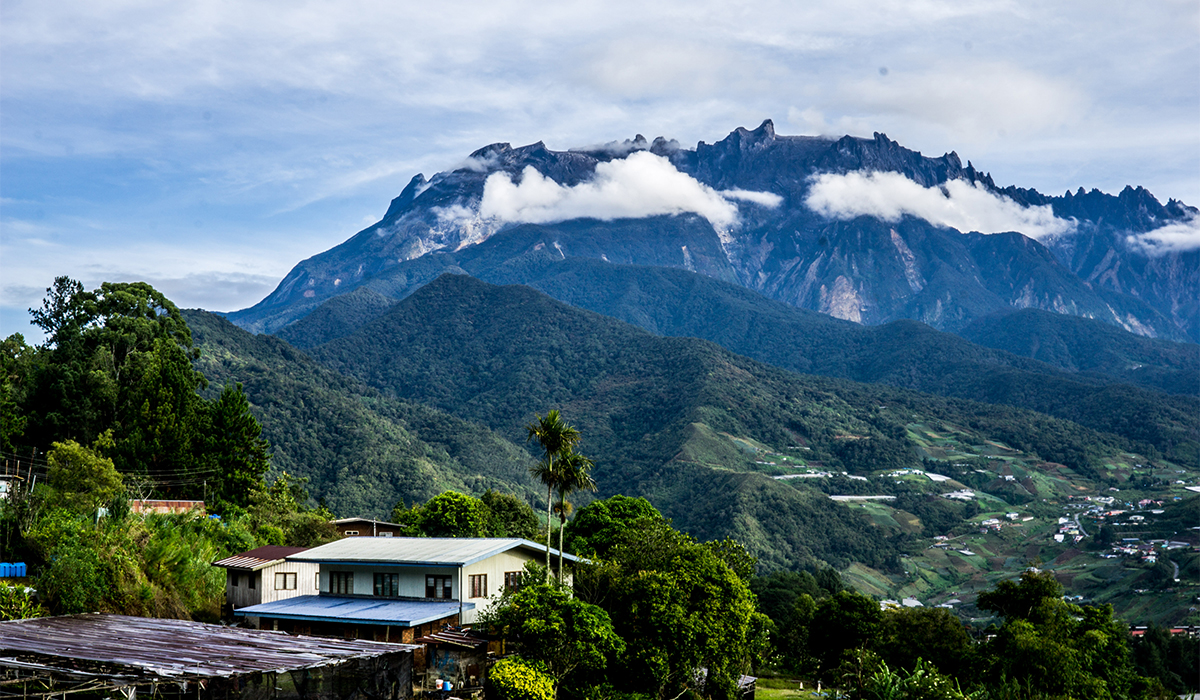
    Climb Gunung Kinabalu. Gunung Kinabalu is the highest mountain in Borneo, the highest point between the Himalayas and New Guinea, and Malaysia’s first UNESCO World Heritage Site. From the bottom, the cloud-covered peak (4,095 metres) is far more awe-inspiring than any other in the Crocker Range, and the view from the top is breathtaking.

    The journey is approximately 8.7 kilometres each way, with new natural wonders at every turn. Rugged steps and rocky paths lead you step by step to higher forest lines, past moon rock faces, alpine meadows and ferns, rhododendrons, bamboos and, at Panalaban (3,272 metres above sea level), then you can have an overnight stay at the lodge and an early morning ascent to the granite summit to greet the sunrise the next morning.

    Tip: The dry season from March to August is suitable for climbing. A limited number of permits are issued each day and climbing must be done with a guide.

    Trekking at Taman Negara. Despite Malaysia’s natural splendour, it is also facing serious environmental challenges, making the unspoilt natural environment of the Taman Negara National Park all the more precious.

    Taman Negara National Park is a pristine 4,343 square kilometre reserve spanning the states of Pahang, Kelantan and Terengganu. It is home to a 130-million-year-old rainforest, one of the oldest in the world. Follow the trails and be surrounded by the sounds of the various animals that live in the jungle; caddisflies whistling through the forest, macaques chattering in the branches and hornbills rattling high above. If you’re lucky, you may encounter a gaur, tiger, elephant or the extremely rare Malay peacock pheasant. Stroll the 45-metre-high canopy walkway, take a firefly boat ride or join a night hike to see the animals at night.

    Adventure and Wellness at Mulu National Park. Borneo is one of the world’s oldest islands, dotted with rainforests and wildlife, and home to Mulu National Park. In the park, limestone pinnacles add to the landscape of 60-million-year-old rainforests, winding streams and deep caves.

    A walk through the rainforest will reveal some bizarre caves, and some of these caves play host to thrilling spectacles on a daily basis. More than 2 kilometres long and 174 metres high, Deer Cave is the world’s largest cave passage open to the public. It is home to two to three million bats, of which there are 12 species. They gather in circles at the top of the cave and fly out of the cave together from 4pm to 6pm every day, forming a spiralling cloud. This breathtaking sight can be witnessed from the observation deck outside the cave. Winds Cave also attracts many visitors due to its beautiful stalactites, with a wavy roof that allows the breeze to pass through. Not far from Winds is Clearwater, the longest cave in Southeast Asia, nurtured by 108 kilometres of river.

    The Ayus Wellness Experience (AWE), created by Global Wellness Institute Mental Wellness Initiative, in partnership with the Mulu Marriott Resort and Spa, takes the rainforest adventure to the next level with a holistic healing journey for the body, mind and soul. Take a yoga or meditation session deep in the forest with a professional guide or jump into a mineral pool. AWE has invited a local healing master to lead guests on a journey to find and identify the magical plants in the jungle. Upon returning to the resort, enjoy a healthy meal prepared from these precious herbal ingredients. The sleep programme is also one of AWE’s signature offering, blending Eastern healing wisdom with modern science to enhance guests’ quality of sleep. Each evening, AWE shares with guests the science behind each experience in a lecture, so that people can continue their healthy lifestyles when they return home.

    Getting to Mulu National Park is not easy. One needs to fly from Kuala Lumpur to the small town of Miri in Sarawak and then take a flight to Mulu. There are two flights a day from Miri to Mulu and the journey takes about 30 minutes.

    Wellness retreats in Malaysia

    With its diverse ethnic and cultural history and rich natural resources, Malaysia is home to some of the world’s oldest healing approaches, with specialised Chinese, Indian and Malay traditions, allowing travellers to escape the hustle and bustle of city life and enjoy a relaxing and peaceful journey of wellness.

    Banjaran Hot Spring Resort. Ipoh’s first luxury natural spa resort, nestled in a 22.7-acre valley in northern Perak, surrounded by limestone mountains and lush rainforests, the resort offers a tailor-made holistic wellness experience. 44 Garden Villas, Water Villas and Lakeside Villas provide comfortable accommodation, each with private access to the resort’s natural hot spring. Experience ancient Malay therapies and a range of treatments such as acupuncture, gua sha, Ayurvedic massages and Himalayan salt scrubs. The resort is only a 15-minute drive from Ipoh City and a 2-hour drive from Kuala Lumpur.

    The Datai Langkawi. Immersed in the heavenly sounds and light fragrances of the rainforest, each room and villa in the resort has an outdoor balcony with views of nature, while the spa is nestled beside a meandering stream, and the five spa villas offer a range of treatments inspired by the ancient Malay tradition and philosophy of Ramuam, which incorporates therapeutic botanicals and herbs found in the rainforest. In addition, VOYA’s innovative skincare products provide a holistic experience t. The jungle surrounding the resort is home to an abundance of wildlife, and during your stay, you are likely to spot black langurs, geckos and colobus monkeys.

    Spa Village at Tanjong Jara Resort. A spa brand managed by YTL Hotels and is present at luxury resorts around the world, Spa Village is passionate about introducing personalised and locally inspired experiences that combine the natural ingredients of the destination with ancient healing practices. Located on the east coast of Peninsular Malaysia, the fairytale-like Tanjong Jara Resort faces a crescent of golden sandy beaches with sweeping views of the turquoise waters, and verdant palm trees rustling in the sea breeze. The resort is modelled on a 17th-century Malaysian palace, with gardens and pools interspersed throughout. Rooted in the concept of “Sucimurni”, which means spiritual purity, health and abundance, the Spa Village combines the unique natural ingredients of a variety of local herbs and plants with the skills of resident Malay therapists to relax and rejuvenate the body and mind.

    Spa Village at Pangkor Laut Resort. The resort is located on the private island of Pangkor, surrounded by white sand and turquoise sea, and set amidst ancient rainforests. The beautifully designed villas are set high in the hills, nestled in lush gardens or above the tropical waters. The resort’s Spa Village offers a variety of treatments from China, Japan, India, Thailand, Bali and Malaysia. Facilities include 9 outdoor treatment pavilions, 3 healing huts (including a herbal hut, an Ayurvedic hut and a Malay hut), 2 bath houses, and a boutique retail shop. 22 beautiful spa villas are located on the beachfront with direct access to the Spa Village.

    Spa Village at Gaya Island Resort. Located in the lush mangrove forests of Malohom Bay off the coast of Borneo, the resort is surrounded by pristine beaches, the mesmerising silhouette of Mount Kinabalu, and the island’s flora and fauna. Harmoniously blending in with the natural surroundings, a series of hillside boast magnificent views. The Spa Village offers a wealth of treatments combining local natural ingredients with traditional Sabahan aboriginal healing methods. From the specialised rice scrubs and masks of the Kadazandusun people to the ancient therapies of the Bajau sea nomads, the Spa is rooted in ancient traditions and aims to help guests restore balance to their bodies and minds. The resort is committed to eco-sustainability in order to minimise its carbon footprint on the environment. As such, walking is encouraged throughout the resort and the use of motorised vehicles is minimised.

    Spa Village at Cameron Highlands Resort. The resort is perched on the Cameron Highlands, Malaysia’s summer retreat and tea-growing region, overlooking a stunningly idyllic landscape. Expanded from a 1930s villa, the interiors are ornate, romantic and nostalgic, with grand French doors, wood-beamed ceilings and plantation shutters combined with Asian silk colours and textures. The resort’s Spa Village is a tea-inspired wellness experience. Ancient tea ceremonies, the healing traditions of the indigenous Orang Asli people, and aromatic herbs made from Cameron roses and tea leaves combine to create an pampering journey for the senses.

    Sustainable artificial islands

    Malaysia is building three artificial islands off the coast of Penang, all centred on sustainability, biodiversity and livability, with autonomous public transport networks, extensive green spaces and advanced design projects.

    Shaped like a lily, the islands will comprise several multi-purpose areas to accommodate up to 18,000 residents, and will also feature beaches, urban wetlands, parks, forests, a cultural district, a technology centre and a 25-kilometre-long waterfront. The artificial islands will be free of private cars and will be connected by a public transport network on land, water and air, as well as cycle paths and elevated boardwalks for pedestrians. The islands will be powered by renewable energy, and buildings will be constructed from bamboo, local timber and recycled materials.

    Eco-corridors will connect forest reserves to beaches. And in the residential and commercial areas, animals and water creatures will live freely in the canopy and waterways that run through and around the islands, undisturbed by human activity.

    According to the designers, the goal of the project is to create a socially and economically inclusive development while preserving the area’s rich biodiversity and natural habitat.

    It has not yet been announced when the BiodiverCity artificial islands will be be up and running, but the project is part of the Penang 2030 vision. This government-led programme aims to improve Malaysia’s livability, economy and environment through sustainable projects and developments.

  • 马来西亚 包罗万象之地

    马来西亚 包罗万象之地

    准备踏上旅途,却在热带潜水、登山远足和都市休闲之间难以抉择?
    来马来西亚吧,将旅行梦想一网打尽

    印度寺庙背靠数百万年历史的热带雨林,后现代高楼与清真寺的尖塔并存,葱郁山峦与曼妙海滩交相辉映,马来西亚是一个融合了多元文化绚烂多姿的国度。纵使时代变迁,大马迷人的风景、深厚的文化风俗、独特的传统手工艺和地道美食经久不衰。

    马来西亚地处东南亚,由马来半岛南部的马来亚和位于加里曼丹岛北部的沙捞越、沙巴组成。全境被中国南海分成东马和西马两部分。一年之中的温差变化较小,每年10月至次年3月为雨季,4月至9月为旱季。

    休闲体验:海滩、山谷、城市

    从城市之行到海滩潜水,从寻觅美食到养生体验,马来西亚是一个休闲游的好去处。

    金马仑高原品茶。曾经,难以忍受热带高温的英国殖民者跑到地势较高的地方,在那里建立山庄以避暑,并开启了种茶产业,彭亨州的金马伦高原就是其中最著名的高地之一。如今本地人和游客们都会来此避暑。

    金马伦高原海拔在1300米至1829米,遍布翠绿的茶园,气温很少超过30°C。在这里可以徒步旅行、草莓种植园里摘草莓,当然最经典的体验还是眺望着一望无际的茶园,托起古铜色的茶杯,细啜一口。

    Boh Sungei Palas茶叶种植园地理位置优越,位于碧兰璋北部的山丘上,眺望茶田美景,不仅可以品茶,还设有茶叶解说中心和一家咖啡馆。免费导览将引导客人领略制茶过程;精品店内可购买各种茶叶;咖啡馆里除了新鲜的茶叶还有别出心裁的甜点可供品尝,如蛋黄菠萝芝士蛋糕、绿茶提拉米苏。最后在种植园内的小路上闲逛一番十分惬意。

    位于Ringlet和Tanah Rata之间的公路上的金马仑山谷茶馆也是俯瞰茶田的绝佳选择。没有导游,但依然可以自己在种植园里漫步。Boh茶园相对来说选址更为偏僻,从Tanah Rata出发需要40分钟车程,天鹅绒般的绿色景致令人心旷神怡。在这里你可以在户外露台上品茶、购买盒装茶叶、参观种植园和制茶厂。

    乘坐bling-bling三轮车游览马六甲市。马六甲市,这座历史悠久的港口城市被誉为马来西亚的孔雀城市,它的确绚丽非凡。殖民时期留下的深红色建筑伫立在街道两旁,融合了葡萄牙、荷兰、英国等各个文化元素。旧时的商店和宅邸经过改造后成为了一众画廊与酒店。而最独一无二的特色当属城市中川流不息的三轮车,足以颠覆你对传统三轮的想象。Bling-bling的三轮车车身上装饰着Hello Kitty霓虹灯、冰雪奇缘人物和照明装置。坐上可爱的三轮车,经过苏丹宫(Sultanate Palace),在荷兰广场(Dutch Square)上兜风。苏丹宫(Sultanate Palace)是15世纪统治马六甲的苏丹曼苏尔—沙阿(Sultan Mansur Shah)宫殿的复制建筑,内设露天文化博物馆和花园。荷兰广场上绿树成荫,有一座于1904年为纪念维多利亚女王而修建的漂亮喷泉。夜幕降临之时,三轮车上的霓虹灯开始闪烁,成为路上靓丽的风景,很难控制住自拍的冲动吧。

    海岛之游。因着众多美丽的海岛,马来西亚也是亚洲最佳蜜月目的地之一,西马东北海岸的停泊岛是最为著名的一个,由大停泊岛与小停泊岛组成,原始森林覆盖,棕榈迎风摇曳,清澈的海水与金色的沙滩相映成趣。除了在海滩躺椅上晒太阳浴,这片海域的水下十分精彩,是著名的浮潜地,穿上潜水服穿梭在绿海龟、梭鱼和五彩斑斓的珊瑚礁之间,或前往沉没的货轮MV Union Star进行残骸潜水,货轮上游荡着黄貂鱼和鱼。停泊岛上建起了众多度假村,旅游设施完善,但仍然拥有着清澈见底的海水。此外,这里还有着穿越叶猴栖息地的丛林远足小径,和一连串熠熠闪光的新月形白海滩。

    坐落在东马沙巴州东海岸的仙本那是一处纯净惊艳的所在,由仙本那小镇和众多离岛组成。从小镇码头向东南部开船一个小时左右,可抵达诗巴丹岛。小岛无人居住,嶙峋的海底地势和海洋生物奇观让它在全球顶级潜水目的地列表中遥遥领先。海水之下,五米的浅滩之后就是垂直落下600至700米的深海。从形状各异的珊瑚、海葵、大鱼群到穿梭的海龟、鲨鱼,还有机会遇见极其震撼的“海浪风暴”——成千上万条海鱼密集在一起形成飓风眼状,遮天盖日。

    槟城乔治市大快朵颐。槟城乔治市的街头十分热闹,本土传统建筑和英国皇家时期的建筑林立路旁,出售艺术品和手工艺品的精品店里琳琅满目。不过这里最大的特色大概是美食。城市里遍布各大美食集市、餐厅和咖啡馆。推荐:印度老字号Hameediyah的咖喱鸡,Lorong Baru排档的米粉,Anjung Gurney夜市上的烤沙嗲串和辣甜味罗惹沙拉,Kafe Heng Huat的大虾炒河粉。甜点自然也是不能错过的重头戏,推荐China House里的百样选择。

    吉隆坡参加烹饪课。槟城的叻沙、怡保的鸡肉豆芽,以及各种椰奶冰镇饮料(cendol),马来西亚向来是美食汇集地。而荷兰、英国和葡萄牙等逐渐消失的殖民影响也在马来食谱上留下了印记。如果想要把马来美味带回家,不妨参加烹饪课,吉隆坡提供许多烹饪班选择,技艺精湛的大厨会一步步指导你烹饪炸虾、椰子饭、牛肉炖菜等等。

    户外活动与探险

    雄伟的山脉、壮阔的国家公园、丰富的自然资源都为马来西亚户外探险提供了机会。

    攀登京那巴鲁山。京那巴鲁山是婆罗洲最高的山峰,喜马拉雅山脉和新几内亚之间的最高点,也是马来西亚首个联合国教科文组织世界遗产地。从山下仰望,云雾缭绕的山峰(4095米)远远高于克罗克山脉中的其他山峰,令人心生敬畏,若登上山顶,更将饱览令人屏息的美景。

    登山之旅单程约8.7千米,每隔一段便会迎来新的自然奇观。崎岖的台阶和石路将你一步步带向更高的林木线,路过月球岩石面、高山草地和蕨类植物、杜鹃花、竹子,达到Panalaban(海拔3272米)时,可在旅店过夜,并于第二日清晨登上花岗岩山顶迎接日出。

    小贴士:每年3月至8月是旱季,适合攀登。每天发放的登山许可证数量有限,且必须在向导的带领下登山。

    徒步大汉山国家公园。尽管马来西亚拥有绚丽的自然风光,但也面临着严峻的环境挑战,许多林地被侵占,这使得大汉山国家公园(Taman Negara)未受破坏的自然环境变得更加弥足珍贵。

    大汉山国家公园是一片4343平方公里的原始保护地,横跨彭亨州、吉兰丹州和丁加奴州。这里有着1.3亿年历史的雨林,是世界上最古老的雨林之一。沿着小径前行,被生活在丛林中各种动物们的声音环绕,蝈蝈在森林中呼啸而过,猕猴在树枝上叽叽喳喳,犀鸟在高处作响。如果运气好的话,还可能邂逅亚洲野牛、老虎、大象或极为罕见的马来孔雀雉。漫步45米高的树冠步行道、乘坐萤火虫小船,或在夜幕降临后参加远足活动,观赏夜幕下的各种动物,都是不容错过的体验。

    姆鲁国家公园猎奇与养生。婆罗洲是世界上最古老的岛屿之一,岛上遍布热带雨林和野生动物,姆鲁国家公园栖息其中。公园里,齿状的石灰岩尖峰为拥有六千万年历史的雨林、曲折的溪流和幽深的岩洞等景观增添了几分趣味。

    穿过雨林,将看到一些奇异的洞穴,而有些洞穴每天都在上演着惊心动魄的奇观。鹿洞(Deer Cave)长2公里多,高174米,是世界上向公众开放的最大洞穴通道。这里是两三百万只蝙蝠的家园,蝙蝠种类多达12种。它们在洞顶盘旋聚集,每天下午4点到6点便一起从洞穴中飞出,形成螺旋状的旋转云团。从洞穴外的观景台可目睹这一令人叹为观止的景象。此外,Winds洞穴因美丽的钟乳石而吸引了众多游人,波浪状的穴顶,微风穿穴而过。离Winds不远的Clearwater是东南亚最长的洞穴,108千米的河流孕育其中。

    全球养生机构精神健康项目打造的Ayus Wellness Experience (AWE),依托于姆鲁国家公园,并与坐落园中的姆鲁万豪水疗度假村合作,将雨林探险提升到更高层次的身心灵全方位疗愈旅程。在专业向导的带领下,进到林木深处进行瑜伽、冥想课程,或是跳进矿物泉水池中畅游一番。AWE邀请了比南族的疗愈大师,带领着客人们去寻找、识别丛林中神奇的植物。回到度假村后,享用由这些珍贵草本原料烹制的健康佳肴。睡眠项目也是AWE的主推之一,融合了东方疗愈智慧和现代科学,能有效提升客人的睡眠质量。每天晚上,AWE会通过讲座的形式向客人分享每个体验背后的科学依据,使得人们回到家中依然能够延续健康的生活方式。

    抵达姆鲁国家公园不是很容易,需要先从吉隆坡飞往沙捞越州的Miri小城,再坐飞机到Mulu。Miri到Mulu每天有两趟飞机,航程约30分钟。

    马来西亚避世养生之旅

    多元化的民族与文化历史以及丰富的自然资源,让马来西亚汇集了全球最为古老的疗愈技艺,特别是来自中国、印度和马来本土的传统技艺让这里成为焕发身心活力的养生目的地。宁静的世外桃源带领旅人逃离喧嚣的城市生活,尽享放松宁静的健康旅途。

    Banjaran温泉度假村。怡保市的第一家奢华天然温泉疗养度假村,坐落在霹雳州北部占地22.7英亩的山谷中,被石灰岩山脉和葱郁的热带雨林环绕,提供量身定制的整体健康体验。44栋花园别墅、水上别墅和湖畔别墅提供舒适的住宿环境,每栋别墅都可私享度假村天然温泉。在这里可以体验古老的马来疗法,以及针灸、刮痧、阿育吠陀按摩、喜马拉雅盐磨砂等一系列疗程。度假村距怡保市仅15分钟车程,距吉隆坡仅2小时车程。

    兰卡威The Datai度假村。沉浸于热带雨林的天籁之音与淡淡的芳香之中,每间客房、别墅均设有户外阳台,饱览自然美景。SPA坐落在蜿蜒的溪水旁,五座SPA别墅以马来古老传统与哲学“Ramuam”为灵感提供一系列护理,将雨林中发现的具有疗效的植物和草药融入其中。此外,VOYA的创新护肤品提供整体护肤体验,从内到外焕彩平衡。度假村周围的丛林中栖息着大量野生动物,下榻期间,很可能会看到黑叶猴、托卡伊壁虎和巽他疣猴。

    月之影度假村Spa Village。Spa Village是杨忠礼酒店集团(YTL Hotels)所管理的水疗品牌,已入驻全球各地的奢华度假村,Spa Village热衷于引入个性化和富有当地特色的体验,将目的地的天然成分与古老的治疗实践相结合。宛若仙境的月之影度假村位于马来西亚半岛东海岸,面朝一片新月形金色沙滩,将一望无际的碧蓝海水尽收眼底,苍翠挺拔的棕榈树在海风吹拂下沙沙作响。度假村仿效17世纪富丽堂皇的马来西亚皇宫进行设计,花园、水池穿插其中。水疗中心Spa Village根植于“Sucimurni”这一理念,意即精神上的纯洁、健康和富足,将各种本地草药和植物中的独特天然成分与常驻马来治疗师的技术相结合,放松身心、焕发活力。

    绿中海度假村Spa Village。坐落于白沙碧海环绕的私属岛屿——邦咯岛,掩映于古老的热带雨林之中。设计精美的别墅或在高高的山丘上,或依偎葱郁花园,或矗立在热带水域之上。度假村的Spa Village提供来自中国、日本、印度、泰国、巴厘岛和马来西亚的各类护理。设施包括9个户外理疗亭、3间疗愈小屋(包括中草药小屋、阿育吠陀小屋和马来小屋)、2间浴室、1个精品零售店。22座美丽的水疗别墅位于海边,可直接通往Spa Village水疗中心。

    加雅岛度假村Spa Village。位于婆罗洲(Borneo)海岸外Malohom湾郁郁葱葱的红树林中,被纯净海滩环绕,遥望京那巴鲁山的迷人轮廓,并于岛屿动植物为伴。度假村与自然环境和谐的融为一体,一系列山坡别墅将美景尽收眼底。Spa Village结合当地天然成分和沙巴原住民的传统治疗方法推出了丰富的护理。从Kadazandusun人的专业大米磨砂膏和面膜到Bajau海上游牧民族的古老疗法,SPA植根于古老传统,旨在帮助客人恢复身心平衡。度假村致力于生态可持续发展,以最大限度地减少对环境的碳足迹。因此,度假村内鼓励以步行为主,尽量减少机动车辆的使用。

    金马伦高原度假村Spa Village。栖息马来西亚避暑胜地和茶叶种植区金马伦高原,俯瞰绝美的田园风光。度假村由一座建于20世纪30年代的别墅扩建而成,内部装饰以华丽、浪漫和怀旧为主题,宏伟的法式大门、木梁天花板、种植园百叶窗与亚洲丝绸色彩和纹理相结合。度假村的Spa Village则以茶为灵感展开养生体验。古老的茶道仪式,原住民Orang Asli的疗愈传统,采用卡梅伦玫瑰、茶叶制成的芳香草药相相结合,带来令人沉醉的感官旅程。

    可持续性人工岛

    马来西亚正在槟城海岸附近建造三座人工岛,这些人工岛都以可持续发展、生物多样性和宜居性为中心,配有自主公共交通网络、大量绿地和先进的设计工程。

    人工岛的形状好似一朵百合花,由数个多功能区组成,可容纳多达18000名居民,还将设有海滩、城市湿地、公园、森林、文化区、技术中心和25公里长的海滨。人工岛上没有私家车,由陆地、水上和空中公共交通网连接,以及自行车道和供行人穿行的高架木板道。岛上将由可再生能源供电,建筑则由竹子、当地木材以及可回收材料建造。

    生态走廊将森林保护区与海滩连接起来。而在住宅区和商业区,动物和水中生物将自由生活在贯穿小岛和小岛周围的树冠和水道中,不受人类活动干扰。

    据设计师介绍,该项目的目标是在保护该地区丰富的生物多样性和自然栖息地的同时,创造一个具有社会和经济包容性的发展项目。 目前尚未公布BiodiverCity人工岛将于何时投入运营,但该项目是“槟城2030计划”的一部分。这个由政府主导的计划,旨在通过可持续项目和发展,提高马来西亚的宜居性、经济和环境水平。

  • The Return of Chinese Travelers

    The Return of Chinese Travelers

    Outbound Rebound 2023, Report by FINN Partners and Consumer Search Group
    (Part 1)

    Affluent Chinese travelers are eager and ready to see the world again.

    But as they prepare to explore the world, what are the changes in their preferences, concerns and purchase influences? How can we address these changes? What are the new opportunities?

    Before the pandemic, China was the world’s largest source of outbound tourists and by all indications, will continue to be a powerhouse in global tourism. As China reopens its borders, the world is ramping up to welcome back Chinese tourists.

    But after almost three years living with restrictions that affected even day-to-day life, how has the Chinese tourist changed? How will these changes impact the products and offerings of travel stakeholders around the world this year and beyond?

    It is for this reason that FINN Partners and CSG Research collaborated on a deepdive research that aims to glean insights into the changes in behaviours, needs, preferences, decision-making and expectations of the affluent Chinese travelers. This survey, with a very robust sample size of over 2,000 affluent respondents, was conducted right on the heels of the Chinese government easing travel restrictions in January 2023 to better reflect sentiment and consumer insights.

    The report is extensive and comprehensive, covering multiple areas including travel intention, destinations, accommodation, transportation, loyalty program, among others. The intent is to address the Chinese outbound travel market that is anticipating a faster-than-expected revival, and reveal insights that can lead to opportunities and actionable information the global industry will find useful.

    Bullish economic sentiment is directly proportional to the eagerness to travel

    Most respondents are eager to go on the road, or up in the air, with 88% of respondents saying they miss international leisure travel. This sentiment is dominant in the 26-35 age group.

    The strong sentiment to travel is not merely pent-up demand, or so-called “revenge travel”. With 70% of respondents very confident about the economy of China, and 87% saying they are satisfied with life in general, there is basis to believe that the increase in travel frequency, duration and related spending can be sustained.

    In contrast, our parallel survey data shows that only 44% of respondents in Hong Kong are confident about economic prospects.

    Holiday travel takes priority

    Over half of respondents said they are planning a holiday overseas, while one-third said they want to travel abroad to reunite with family.

    The desire for leisure travel overseas is particularly evident among respondents from Tier-2 cities and those aged 36 or above.

    On the other hand, over 35% of younger travelers, or those aged 21-35 years old, plan to travel to visit / reunite with family abroad.

    More leisure trips and business travel set to return to pre-COVID levels

    One in two affluent Chinese are making plans for at least five trips in 2023 — a four percentage point growth from 2019. On the average, they are planning to make 5.9 trips in 2023, up from 5.6 trips in 2019. As a point of reference, Hong Kong travelers are planning to make only 4.6 trips in 2023.

    Two out of three trips are leisure-focused. On the average, respondents from China are planning 3.8 holiday trips in 2023, an increase from 3.5 trips in 2019. In comparison, their counterparts in Hong Kong plan to make only 3.0 leisure trips in 2023. While the 26-36 age group shows the most significant increase — from 3.4 leisure trips in 2019 to 3.9 in 2023, those aged 21-25 plan to travel as frequent as 4.1 times on the average.

    Anywhere outside of China, business travel is facing a slower return. However, Chinese travelers expect to make the same number of international business trips in 2023 – a total of 2.1 trips – as they did in 2019.

    Longer stay, slower pace. Experience over things

    Not only are the affluent Chinese planning to travel more often, they are also ready to increase their average travel duration per trip to 8.7 days (compared to 8.4 days in 2019). It is 28% longer than the 6.8 days made by their counterparts in Hong Kong for 2023. While 40% of affluent Chinese travelers are planning to stay for eight days or longer, the 21-25 age group is ready to indulge themselves with a longer holiday with an average duration of 9.3 days.

    Gone are the rushed, major attractions-packed tours as the affluent Chinese evolve from tourists to travelers. Over 70% of respondents desire slow, recuperative travel over an itinerary filled with activities, while one out of two prefer staying in a location for a longer period of time, experiencing the destination like a local.

    Eight out of ten travelers are more willing to pay for experiences over tangible products, particularly respondents from Tier-3 cities (86%). This points to the growing potential of authentic and personalized travel experiences, where one savors the local sights, sounds and culture.

    Despite indications of a rebound in outbound tourism, domestic travel continues to grow

    Local travel has evolved and diversified during the pandemic with new destinations, new experiences, and new trends, partly as a result of the government’s progressive 14th Five-Year Tourism Development Plan.

    Even as restrictions on international travel are lifted, the wealthy Chinese remain interested in domestic leisure travel, with 80% planning to go on an average of 3.8 staycations in the next 12 months, compared to 3.4 in 2022. 79% also plan to go further and visit destinations at least five hours away.

    Pre-pandemic, Chinese tourists were the world’s biggest travel spenders. Now, they plan to spend even more

    Keen to travel and ready to spend, the wealthy Chinese travelers are budgeting an average of RMB 102,500 (USD 15,299) for travel in 2023, 15% higher than the average actual spend of RMB 88,800 (USD 13,254) in 2019.

    Their budget is 22% more than the budget of HKD 95,400 (or USD 12,163) set aside by Hong Kong travelers.

    The well-heeled segment (or the top 20% percentile) is prepared to spend much more — an average of RMB 284,000 (USD 42,388) in 2023.

    The 26-35 age group has the largest travel budget of RMB 106,500 (USD 15,896), a 23% increase from 2019. Those from Tier-1 cities have a higher propensity to spend — with an average travel budget of RMB 110,100 (USD 16,433) in 2023, marking an 18% increase versus the 2019 level.

    No significant change in the travel budget breakdown

    Shopping, dining and accommodation remain the top three expenditure items that take up the lion’s share of travel expenses. This spending breakdown is consistent across different city tiers and age groups.

    Spending by category: Shopping 21%. Sightseeing/Activities 16%. Wellness10%. Flights / Transportation 15%. Dining 19%. Accommodation 19%.

    Destinations and passion points

    The desire to revisit evergreen destinations and explore bucket list landmarks is strong, albeit highly influenced by safety and public health concerns. As more mainland Chinese travel to explore and enjoy nature, connecting with locals and going on road trips or wellness experiences become more relevant.

    In 2023, affluent Chinese travelers want to revisit places they enjoyed in past trips. They are keen to repeat the good times and pleasant experiences in these destinations…

    Nostalgia reinforces revisit intentions. It is fair to say that post-pandemic travelers long to go back to places they have missed most.

    In the next 12 months, they will prioritize evergreen destinations — popular locations they have already been to and have had good experiences.

    The most popular short-haul and long-haul destinations Chinese travelers plan to visit in the next 12 months.:Short haul — Hong Kong, Macau, Japan, Singapore, Thailand,  South Korea . Long haul — United States, New Zealand, Canada, United Kingdom, Australia, France.

    However, they are also keen to explore new places.

    The most popular bucket list destinations: Brazil, Argentina, Mexico, Egypt.

    Destinations with the highest satisfaction levels among affluent Chinese travelers: Maldives 92%, Singapore 90%, Japan 89%, New Zealand 89%, Hong Kong 88%, Canada 86%, France85%, Australia85%, Macau 84%, Thailand 84%, Malaysia 84%, United States 83%, United Kingdom 83%, South Korea 77%, Taiwan 75%.

    Safety first: Traveling with ease and peace of mind is a must

    Travelers have more to consider when choosing a destination in the post-pandemic era. From a fresh wave of COVID-19 infection, natural disasters and calamities, to a surge in bias-motivated incidents and geopolitical tension, safety is the top concern of most travelers. To a large extent, it defines the attractiveness of a destination.

    This prompts destination marketing to go beyond merely triggering wanderlust, but also addressing practical concerns that play a critical role in decision-making.

    Compelling Factors: Safety 48%, Key attractions 41%, Connectivity 38%, Entry requirements 37%, Availability of desired travel experiences 34%.

    Deal Breakers: Poor safety 56%, Inconvenient local transport system 39%, Harsh entry requirements 32%, Poor medical support 26%, Volatile geopolitics 23%.

    Live to eat but bask in nature

    Camping and outdoor activities have grown in popularity during the pandemic, reflecting a trend towards nature tourism. This trend is expected to stay and extend to outbound travel, with over 60% of travelers considering natural scenery as their first priority, especially among those aged 36 or above (69%).

    Food or culinary experience is still a strong driver of leisure travel. Interestingly, the older age group (36+) considers it more important than those aged 21-25 (62% versus 44%).

    On the other hand, Hong Kong travelers prioritize culinary experience (54%) over natural scenery (52%), though the difference is statistically on par.

    Pandemic-borne travel interests here to stay

    Travelers plan to immerse themselves like locals (58%), take more road trips (56%), take better care of themselves (56%), and attend more events (51%) in their future holidays.

    The majority of affluent Chinese travelers in the 26-35 age group are looking for more rejuvenation / wellness experiences in their next trip (65% versus 56% on the average), while Generation Z are keen enthusiasts of entertainment / sport events (58% versus 51%), as well as outdoor sports and adventures (54%) such as camping, hiking, cycling, and skiing.

    On the other hand, those in Tier-3 cities are more interested in road trips (62% versus 56%) and entertainment / sport events (56%).

    Survey Methodology

    We surveyed 2,026 affluent Chinese travelers via a 20-minute online questi-

    onnaire between January 10 and 24, 2023.

    Respondents were shortlisted through a pre-qualification screening to ensure data quality.

    Among the 2,026 travelers, 1,524 came from Tier-1, Tier-2 and Tier-3 cities across mainland China, while 502 affluent travelers in Hong Kong were also surveyed as independent samples for contrast and comparison purposes.

    Respondent Profile – Mainland China

    All respondents intend to travel in the next 12 months; 5.6 overseas trips taken in 2019. All respondents stayed in luxury hotels for leisure trips in the past 12 months.  > RMB 50,000 spent on luxury products in the past 12 months. 44% Male 56% female. 33.8 Average age. 91% Married with children aged under 12. 43% from Tier-1 cities 33% from Tier-2 cities, 24% from Tier-3 cities. 96% own a house and a car. 2.9 average COVID-19 vaccine doses taken. RMB 1.4 million+ average household income.

    Readiness and Interests

    Keen to travel and ready to spend, affluent Chinese travelers plan to take more trips than they did pre-pandemic. But the frenetic itinerary is replaced with the desire for slow, recuperative travel. And staycations are here to stay.

    About Finn Partners

    With more than 1,400 professionals across 33 offices, FINN provides clients with global access and capabilities in the Americas, EMEA and Asia. In addition, FINN provides its clients with access to top-tier agencies worldwide through its membership in the global network PROI.

    Headquartered in New York, FINN has offices in Atlanta, Bangalore, Beijing, Boston, Chicago, Delhi, Denver, Detroit, Dublin, Fort Lauderdale, Frankfurt, Guam, Hong Kong, Honolulu, Jerusalem, Kuala Lumpur, London, Los Angeles, Manila, Mumbai, Munich, Nashville, Orange County, Paris, Portland, San Diego, San Francisco, Seattle, Shanghai, Singapore, Vancouver and Washington D.C.

    Finn Partners’ Global Travel Practice works with boutique hotels, tour operators, luxury hotel brands, in-demand destinations, cruise lines, airlines, and other travel products on a breadth of communications services, including consumer and trade media relations, media intelligence, trendspotting, content development and storytelling, brand partnerships, social media strategy and advertising, influencer marketing, content marketing, digital marketing, experiential and thought leadership. The China travel practice is located in Shanghai, Beijing and Hong Kong. Find us at finnpartners.com.