These islands have been selected as one of the “50 Places You Must Visit in Life”, and National Geographic comments “A man who loves the landscape should grow old here”
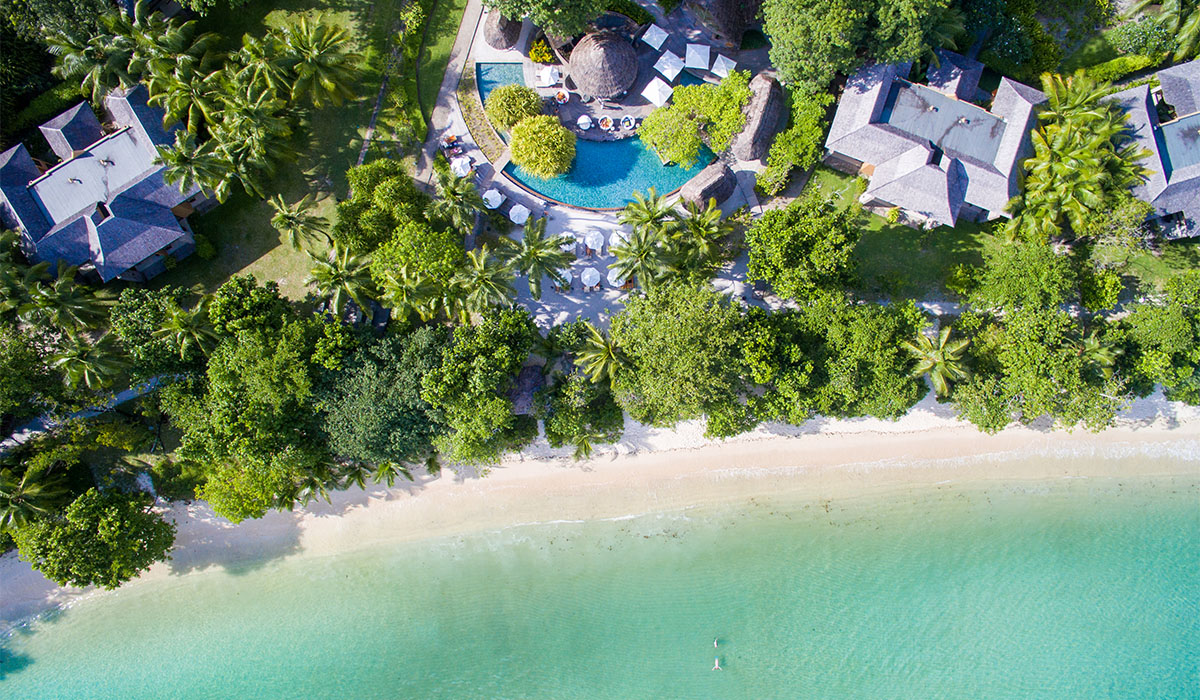
Located in the western part of the Indian Ocean, Seychelles is an archipelago of 115 islands with pristine white sandy beaches, clear turquoise waters, lush tropical forests, a wide variety of rare flora and fauna, granite landscapes, and numerous luxury hotel resorts.
Seychelles enjoys a pleasant tropical climate throughout the year with temperatures ranging from 24 degrees to 33 degrees. The islands are located outside the cyclone belt and therefore do not experience extreme weather, making it a perfect place to visit. It is a romantic paradise for honeymooners, a treasure archipelago for scuba divers and a great destination for adventure seekers looking for a variety of exciting activities.
You can explore its rare ecosystems such as the Vallée de Mai, home to the Coco-de-Mer, and the UNESCO World Heritage Site of Aldabra Atoll, where rare species of flora and fauna can be found. Also, you can stroll along some of the world’s most beautiful beaches, indulge in spa treatments and local wellness programs at luxury resorts, and then take a cultural journey.
With the diverse influences of Africa, Europe and Asia, the Seychelles boasts a vibrant cultural heritage, with colorful Creole architecture, authentic Creole cuisine, traditional music and dance performances bringing this beautiful archipelago to life.
From marine conservation to sustainable hotel operations to local community support, the Seychelles practices a holistic approach to sustainability throughout the country, which makes the journey in the Seychelles all the more rewarding.
The three main islands
The Seychelles was uninhabited until it was discovered by Europeans in the 16th century. It then came under British control at the end of the 18th century after a two-century long struggle between Britain and France. In 1976, Seychelles gained independence from Britain and became an independent and sovereign state. Today, Seychelles has evolved from a predominantly agrarian society to a diversified market-based economy, with a particularly strong tourism services sector due to its unique natural resources. It is the only African country classified by the World Bank as a high-income economy.
Large and small islands spread over an oceanic extent of 1,400,000 square kilometers, each with its own distinctive character, combine to form the Seychelles family. Of the 115 islands, 41 granite islands known as the inner islands concentrate the main tourist facilities of the Seychelles. Granite is one of the quintessential representatives of the Seychelles. These giant rocks are fragments of the ancient super-continent Gondwana, which is now 75 million years old. The granite islands are not only home to tropical forests but also boast their own unique species such as Coco-de-Mer and Jellyfish tree. The remaining 74 islands are coral islands, known as outer islands, scattered like stars in the distant expanse of the Indian Ocean.
Mahé (approximately 150 square kilometers) is the largest island in the Seychelles archipelago. The capital, Victoria, and the Seychelles International Airport, as well as numerous tourist facilities and stores are located on this island. Pristine forests wind their way down the lush mountain slopes to more than 60 beaches. The most famous of these is Intendance Beach, a spectacular 800-meter-long stretch with deafening waves, where sea turtles regularly come ashore to lay their eggs every year. In addition, Beau Vallon Beach is also stunning, ranking as the third most beautiful beach in the world. The northern part of Mahé is the main center of commercial activity, while the picturesque villages in the south offer another picture of quiet and peaceful life. Victoria, the world’s smallest capital, is steeped in history, with Creole elements everywhere. Take a stroll on the sandy beaches of the sea, go hiking in the Morne Seychelles National Park, and pick up a few trinkets in the markets of Vitoria. From international five-star resorts, boutique hotels and fully-equipped villas to value-for-money self-catering apartments, Mahé offers a wide range of accommodation options.
Seychelles’ second largest island, Praslin, is located 45 kilometers northeast of Mahé and can be reached by domestic flight (15 mins) or fast catamaran ferry (60 mins) from Mahé. The island is home to the national park Vallée de Mai, the world’s smallest cultural heritage site and one of the most popular attractions in the Seychelles. A green labyrinth of lush trees, the park is home to more than 7,000 of the world-famous Coco-de-Mer, laden with heavy fruits that take up to at least over 20 years to ripen. The park is also home to many valuable flora and fauna, including the Seychelles black parrot, of which there are fewer than 100 in existence. Anse Lazio on the northeast part of the island is known as one of the most beautiful beaches on earth, about 1 kilometer long, with crystal clear water.
Located just 7 kilometers from Praslin, La Digue is an “island where time stands still” because of its rustic atmosphere. Take a bike tour around the island and discover its quaintness, or hike along the coastline through forests, rocks and sandy beaches; Anse la Source d’Argent is one of the island’s most famous beaches, with its dramatic granite boulders. Travel to the Veuve Nature Reserve to encounter the rare Seychelles Paradise Flycatcher and tortoise. At Union Estate, get up close and personal with traditional local industries.
Sustainable travel
Among the world’s many island destinations, Seychelles is particularly known for its pristine marine environment and thriving coral reefs. This is inextricably linked to the country’s commitment to marine conservation and sustainable development.
Seychelles was the first country to enshrine the protection of environmental resources in its constitution, with some 56% of its territory designated as protected areas and a ban on non-biodegradable plastics on the island. Seychelles promotes the Seychelles Sustainable Tourism Label within its hospitality industry. Applicable to hotel accommodation establishments of all sizes, this is a sustainable tourism management and voluntary certification programme that recognises and rewards tourism businesses that are implementing best practices in sustainability within their operations.
The Seychelles believe that sustainability is not just a philosophy – it is a way of life. From exquisite luxury villas to rustic beach bungalows and tropical treehouses, whatever your taste or budget may be, there’s a variety of unique sustainable accommodations to pick from in Seychelles. Whether you’re travelling with family, planning a romantic retreat, or seeking an adventurous island getaway, there’s sure to be an eco-resort committed to minimizing its impact on the environment by implementing sustainable practices. Such initiatives range from recycling and composting to making use of greywater treatment and solar power.
By far the most sustainable stay in Seychelles you could ever have would be at Cosmoledo Eco Camp, a guaranteed magical jungle castaway in the Cosmoledo Atoll where eight shipping containers have been repurposed as sea-facing ’eco pods’, designed perched on removable plinths so as not to disturb the powdery-soft sand. The recycled theme continues through to the tables constructed from tree trunks and hanging lamps made from fishing nets and not to mention all cleaning products used are fully biodegradable.
Located in the south of Mahé on two of the most beautiful beaches, and overlooking the marine national park of Port Launay, Constance Ephelia Resort enjoys a unique location set within 120 hectares of land with luxurious and rare vegetation. Saving energy and water, recycling, composting and protecting fauna and flora are some initiatives that have enabled this Indian Ocean Constance establishment to receive the Green Globe certification.
Kempinski Seychelles Resort located in southern Mahé in Baie Lazare, has adopted some sustainable practices including having its own on-site water-treatment plant to recycle water. The resort has also invested in a number of green technologies for water and energy conservation and its Plant-a-Tree Programme is another initiative introduced to offset some of its operational carbon emissions while aiming to restore natural habitats, protect indigenous wildlife and educate guests about Seychelles’ biodiversity. To reduce plastic use within the establishment, the resort has replaced plastic straws with corn starch or paper alternatives and cardboard and wooden dining packaging have taken the place of takeaway and disposable ones.
Hilton Seychelles Labriz Resort & Spa is the only resort on Silhouette Island, a marine national park since 1987 and home to a huge diversity of native fauna and flora. Guests can go on a selection of nature trails where they can marvel at the untouched equatorial mist forest full of botanical treasures such as orchids the pitcher-plant, and the incense tree. The hotel has several eco-friendly projects, making it leading green resorts in the country.
Hotel L’Archipel located in the North-East region of Praslin, has installed energy management systems in refurbished rooms helping to save up to 30 per cent on air-conditioning energy consumption. The hotel has solar panels with an annual production of over 100,000 kilowatts and implemented bio-technology cleaning in the restaurant and kitchen operations ensuring a hygienic and safe environment for guests and staff. In an effort to save the seas of Seychelles, Hotel L’Archipel no longer serves straws with drinks in line with the country’s initiative to ban single-use plastic straws.
Located 400km south-west of Mahé, Alphonse is one of the few of the 72 outer islands of the Seychelles to offer accommodation for tourists. With 22 Creole-style chalets and 5 suites, the 1.74km2 triangular-shaped island offers accommodation comparable to that of a luxury hotel. Visitors can enjoy the day’s fresh catch and the island’s own fruits and vegetables at every meal.
Alphonse Island is dedicated to protecting and restoring the pristine natural habitats found within its boundaries. Through ongoing conservation efforts, the island actively engages in habitat restoration projects, including the preservation of mangroves, the eradication of invasive species, and the conservation of endangered flora and fauna. These initiatives safeguard the island’s unique biodiversity and contribute to Seychelles’ larger ecosystem.
The island employs solar panels to generate a significant portion of its electricity, reducing reliance on fossil fuels. Additionally, eco-friendly infrastructure practices are implemented throughout the island, including the use of sustainable building materials and energy-efficient technologies, such as LED lighting and low-flow water fixtures sourced by two desalination plants.
Alphonse Island prioritises responsible waste management practices to minimise its impact on the environment. Comprehensive recycling programs are in place, ensuring that materials like plastic, glass and paper are recycled rather than discarded. The island also promotes a ‘reduce, reuse, and recycle’ ethos among its guests, encouraging them to participate in waste reduction initiatives and make mindful choices during their stay.
Local community engagement is of high importance to the resort. The resort actively collaborates with nearby villages, providing employment opportunities, skills training and fair wages. Additionally, Alphonse Island supports community development projects, such as education initiatives, healthcare services and infrastructure improvements. By involving local communities, the island fosters a sense of shared responsibility and ensures that the benefits of tourism are distributed equitably.
As part of the Blue Safari experience, Alphonse Island strongly emphasises marine conservation and research. The island actively supports initiatives to protect fragile coral reefs, monitor marine species and promote sustainable fishing practices. Guests could participate in educational programs, snorkelling excursions, and awareness campaigns, raising awareness about the importance of preserving the marine environment.
Seychellois Creole culture and lifestyle
The Seychellois are a colourful and harmonious blend of different nationalities, all of whom have brought something of their own customs and cultures to the islands. The result is a culture enriched from many continents. From grand old houses with steep roofs designed for comfortable living in the tropic, a mixed cuisine featuring Indian curry, Chinese rice dishes and French aromatic blends of garlic and herbs, to the traditional moutya dance during the long warm starlit evenings with a modernized version incorporating fiddles, guitars and even synthesisers, the Creole Culture is showcasing its heterogeneous charm.
The essence of Creole tradition beams and gleams in the heart of Au Cap at Domaine de Val des Pres Craft Village. On this vast property which includes a classic Plantation House, an art and craft village, a Creole restaurant, and an art gallery, visitors are welcome to share a taste of the Seychellois island style of living.
The experience is a unique opportunity to learn local dances, assist in the kitchen by preparing spices for grilled fish, grating coconut for fish stew or desserts like la daube or nougat while also learning how to prepare traditional papaya jam and condiments like pickles known as “asar” locally.
The first few steps onto the driveway instantly take you to colonial Seychelles, where the bright blue paint on the old ‘Grann Kaz’ welcomes you to its compound. Whether you are familiar with Seychelles’ heritage or not, a sense of nostalgia lingers in the air.
A walk through the old colonial house is a quick history lesson of that period and the lifestyle that derived from it. Pictures and artefacts of the people who used to occupy the land lay in every little corner. Visitors that require a bit more clarification on the findings from inside the now-standing time capsule are met by some lovely attendants who are well-versed in the story of Domaine de Val des Pres.
The journey continues to the back of ‘Grann Kaz’, down the brick stairs to ‘Lakwizin Tradisyonnel,’ which stores all the necessities of a typical Creole kitchen. On a Tuesday, you will most likely be captivated by the pungent smell of chilli prepped for local ‘Asar’ by Mrs Gina Havelock. ‘Asar’ is a local delicacy that can be served as a salad and comes in different flavours. That kitchen is the place where the process of preparing traditional Creole food is demonstrated to visitors.
On the far right, across the lush green garden, lies ‘Lakaz Roza’, famous for its traditional exterior and newspaper-covered interiors. Surrounding the two leading houses, are about 13 colourful kiosks, occupied by local artisans. The goods include beautiful hats, purses and baskets out of raw materials; paintings, towels, pareos and vakwa bags made of dry palm materials of different shapes and sizes; as well as the local Seychelles tea, handcrafted home décors, boat maquettes, ceramics, stuffed toys, printed textiles and souvenirs made in Creole fashion.
The Creole Festival, which has been in existence since 1985, takes place every October on Mahe, Praslin and La Digue, with the aim to showcase and celebrate the different aspects of Seychellois culture as experienced through music, dance, arts, crafts, cuisine, customs and the general way of life.
One of several indications for locals that the wheels of the festival have been set in motion is when local artist, Joe Samy’s famous melody, ‘Lasezon Kreol in Refleri’ graces the local radio channels.
There are some key activities which take place during the one-month-long celebration which never fail to appear on the calendar of events.
Fon Lanmal is a great opportunity to let fashion perform a significant role in articulating the culture. This fashion event is one where aspiring young Seychellois designers, especially students, can have the chance to thrive and show off their latest creations in clothing and accessories often crafted from local raw materials.
Selebo is a traditional and modern musical spectacle where everybody sings and dances until early hours of the morning. Different groups dance, sing, recite poems, story tell and play traditional games to showcase our culture from back in the days.
Tifin brings out customs in regards to how weddings were traditionally held, from the attire of the bride, groom and bridesmaids, delicacies and refreshments served to the ‘romans’ songs sung. A real Tifin wedding ceremony is held during the Creole Festival where a local or foreign couple is chosen to tie the knot the old-fashioned way.
Forever present on the programme of activities is the leading event Laserenad, the biggest parade of the year with a chosen theme to represent and endorse Creole culture. Some of the themes on display have to do with pirates, slavery, old architecture, traditional dances, the ocean and the environment. Both the young and old participate in the dancing and singing of the Laserenad, colourfully dressed in clothes traditionally of a time already far gone.
Moman Kreativite gives Young Seychellois the opportunity to discover, develop and demonstrate their talents through different forms of art namely story-telling, poetry, drama, singing and traditional dancing.
Attracting a large crowd between 10:00m and 6:00 pm, Dimans Kreol Borlanmer is an activity, which takes place by the beach. The line-up consists of Creole music, water sports such as pirogue and raft races, traditional games, coconut tree climbing competitions and much more. During all this happening you can have a wonder between stalls set up to explore, appreciate and buy local products and taste typical and authentic local dishes and drinks.
All of the best-known artists from Seychelles and their Creole-speaking neighbours get together for what is called, Lakadans – an extravaganza that presents a musical journey, through a compilation of rhythms both traditional and modern, before a large, enthusiastic crowd dancing well into the night.
The calendar of events will be published on the Festival Kreol Sesel or Seychelles National Institute for Culture, Heritage and the Arts Facebook pages.
Key Trends in Functional Foods for 2024 – SpaChina Annual Health Trends Research Series One, Reported by Fifi Kao
According to the latest consumer research from the American publication “New Nutrition Business,” approximately 21% of Americans claim to be taking food that can improve their emotional and mental health. The research report states that young people are more inclined to seek functional foods that are beneficial to their mood and mental well-being. Among them, the age group with the highest number of consumers is 25-34 years old, accounting for 30%, while the demand from other age groups is not significant. In fact, only 12% of people aged 65 and above, who need to further improve their nutritional status, choose such functional foods.
SpaChina’s research on nutritional supplements and functional foods at the end of 2023 also shows that Chinese people in the age range of 25-40 are increasingly eager to obtain health benefits from functional foods. Unlike the health products that were prevalent in the past 20 years designed for preventing disease, today’s Chinese consumers have a high interest in foods that aim to improve emotional states and help cope with stress and anxiety, and improve metabolism and sleep issues. The top preferences include probiotics, whitening products, and collagen.
Survey participants believe that these needs are urgent and are prioritized high in their daily to-do lists. However, SpaChina also learned that 66% of them value the brand endorsement of these functional foods and nutritional supplements. 83% believe that having new technological advancements and expert patents to aid in the effective absorption and enhancement of product efficacy is crucial. Nevertheless, efficacy remains the ultimate goal, as 99% consider it the final objective. 42% are willing to obtain products from acquaintances with experience, and 34% are willing to purchase from offline channels such as fitness centers and SPA businesses they frequently visit.
Interestingly, the number of customers willing to purchase functional foods and nutritional supplements directly online is less than expected, standing at only 48%. But among all survey participants, 94% express a willingness to continue purchasing online if they first experience the product offline before making a repeat purchase online.
Gut health plus Unlocking the potential of probiotics
The connection between probiotics and the gut-brain axis has been widely discussed in mainstream and social media, establishing probiotics with a widely accepted health halo. Consequently, many fermented dairy brands are now focusing on probiotics, digestive health, and immunity. We believe that, beyond products with digestive benefits, the addition of products offering mood-enhancing and cognitive benefits will be a future trend for many probiotic brands to enhance their appeal.
A notable example is Yakult 1000, introduced in 2021 by Japan’s Yakult Honsha. This beverage contains Lactobacillus casei strain Shirota, the same strain used in the original Yakult probiotic dairy drink. However, Yakult 1000 has the highest concentration among all Yakult drinks and is claimed to alleviate temporary stress, improve sleep quality, and, of course, provide the essential gut-regulating effects of probiotics.
Yakult, a globally successful probiotic dairy drink producer and marketer, has been in operation since 1935. With an annual sales revenue exceeding 2.5 billion USD, it is a major brand in Asia and South America, with sales in the United States surpassing 130 million USD and continuously rising. Yakult (China) Group has been present in mainland China for 21 years, with 52 subsidiaries and 7 production bases. One of their most successful products in the past two years, Yakult 1000, has achieved global sales exceeding 8.5 billion USD.
While some may attribute the success of Yakult 1000 to the company’s strength and robust marketing, it underestimates Yakult’s understanding of health trends and the health knowledge of its local Japanese consumers. Japan has traditionally been a leader in the health industry, and consumers have been familiar with probiotics and their benefits since the 1950s.
The main controversy surrounding the product is its claimed effects on “mood and mind,” which is challenging to evaluate without firsthand data from users. However, the remarkable growth and strong repurchase rates seen on Japanese social media suggest that consumers highly value these additional benefits. The only guarantee for repurchase lies in the “actual effects” produced and a “reasonable price” suitable for long-term consumption by consumers. https://www.yakult.co.jp/english/inbound/yakult/
Another company driving health industry transformation based on scientific principles is Probi, headquartered in Sweden. The company recently launched a product called Probi® Sensia, claiming to address mood, sleep, and stress issues. According to the company, this market has grown by 30% in the past five years.
Probi® was born out of a research project at Lund University in Sweden, initially focused on developing and exploring whether special probiotics could improve treatment outcomes and enhance the recovery chances of critically ill patients. The project, which began in the mid-1980s, was successful, leading to the filing of a patent application for the most researched strain to date—Lactobacillus plantarum 299v (LP299V®). In 1991, Probi® was officially established.
In 1994, Probi® developed a fruit drink called ProViva, based on the LP299V® strain, which entered the commercial market in Sweden. In 2005, the company introduced Probi® Digestis, a concept product for gut health. In 2010, they launched Probi® Defendum, an immune health concept product. A year later, they signed the first dietary supplement agreement with the United States, officially commencing rapid expansion in the North American market. In 2016, after repeated clinical studies on the impact of probiotics on iron absorption, the company launched Probi® Iron Absorption.
After the acquisition of the American company Nutraceutix in 2016, Probi® truly became a vertically integrated company involved in probiotic research, fermentation, production, quality control, regulation, marketing, and sales. In 2018, Probi® entered a new health field, developing and launching a clinically validated probiotic concept product, Probi® Osteo, beneficial for bone health. The latest product, Probi® Sensia, once again draws attention to the booming probiotics market post-pandemic.
China’s first probiotic company listed on the A-share GEM in 2020, Kanger Biotech’s brand “Probiotics and Beauty,” has established the largest lactic acid bacteria strain library in Asia. Based on Chinese dietary habits, living environment, and metabolic levels, the company has developed a diverse range of probiotic products addressing gut health, sleep, immunity, oral and skin care, and chronic diseases. Actively collaborating with the spa and beauty industry, they provide personalized products through individual testing, receiving widespread acclaim. https://www.probi.com/solutions/probiotic-portfolio/probi-sensia/
Neuro-immune boost The mushroom craze
An increasing variety of mushroom species seem poised to play a significant role in the emerging market focused on mood and mental well-being.
One of the recent stars is Lion’s Mane mushroom (Hericium erinaceus), a fungus with a distinctive appearance deeply rooted in traditional Chinese medicine. Among its highlighted health benefits is its potential to promote neural health. Lion’s Mane is believed to be beneficial for the nervous system, aiding in memory improvement and cognitive function. It contains Nerve Growth Factor (NGF), a protein that supports the growth and maintenance of nerve cells. Additionally, its polysaccharides hold the potential to enhance the immune system, helping combat infections and diseases. The presence of polyphenols and phenolic compounds also contributes to its antioxidative properties. Some studies suggest that Lion’s Mane may have a regulatory effect on blood sugar levels, potentially aiding in the prevention and management of diabetes.
SpaChina’s research indicates that consumers in the 25-40 age group, who actively seek information from various sources on functional health foods, are primarily motivated by mood and mental well-being. Social media is a crucial platform for information exchange among these young and informed consumers. A noteworthy finding is that 95% of these consumers have already decided on the product ingredients and benefits they are seeking before making a purchase.
In a market driven by mood and mental well-being, it is not the market that propels it forward but rather consumers autonomously influencing each other. The founder of Forij, a brand that produces oatmeal with Lion’s Mane, shares a sentiment similar to traditional Chinese medicine practitioners: “We want to inform everyone about the benefits of Lion’s Mane, but our efforts to educate have seen little attention. However, end buyers usually come in reverse, looking for nutritional supplements that support brain and nerve health, finding Lion’s Mane, and ultimately purchasing oatmeal with added Lion’s Mane or seeking other foods related to Lion’s Mane.”
Forij, based in Seattle, is a startup that has created oatmeal with a more palatable texture by incorporating Lion’s Mane. Launched in 2020, the product is available in stores like Sprouts and Albertsons in the United States. https://www.forij.co/pages/our-mushrooms
SpaChina’s research further reveals that the most trusted mushrooms among Chinese consumers are Lingzhi (Reishi) and Cordyceps. These two highly regarded medicinal mushrooms are popular across all age groups. While various health supplements flood the market, with some commanding high prices, functional foods incorporating mushrooms are relatively scarce. Research suggests that this is often linked to Chinese dietary habits, where hot meals remain a primary focus compared to the more snack-oriented preferences in Western cultures. However, 33% of individuals in the 20-40 age group express a willingness to have such breakfast options, 27% are open to snacks for energy replenishment during physical activities, and 40% hope for afternoon tea snacks with similar health benefits.
Sleep and joy Natural functional gaba and anthocyanins
Ensuring a joyful mood ranks high in research findings, with 97% expressing a desire to eat in a pleasurable and stress-relieving manner. This quest for pleasure has permeated various snack categories, with chocolate and sweets being popular choices for boosting mood. In the realm of functional products, chocolate stands out as a high-quality ingredient, with 46% of surveyed consumers understanding the nutritional and health benefits of dark chocolate. Chocolate has evidently become a food that makes people feel better.
In Japan, confectionery giant Ezaki Glico revamped and introduced its GABA chocolate brand in 2019, claiming to alleviate stress. GABA (Gamma-Aminobutyric Acid), a neurotransmitter, naturally occurs in low levels in chocolate. The recommended consumption of GABA in the chocolate is 28 mg, known for its calming effect on the nervous system to alleviate anxiety.
Ezaki Glico’s promotional strategy emphasizes the natural presence of GABA in chocolate as a completely natural functional ingredient. The company recently increased the proportion of this ingredient in their latest “Mental Balance” chocolate to further assist consumers in realizing these benefits. While the brand was first introduced in 2005, it saw a significant surge in success after a rebranding and product line expansion in 2019, coinciding with the emotional lows and depression caused by the pandemic. Today, this mood-enhancing chocolate can be found in every convenience store and supermarket in Japan. https://www.glico.com/global/
SpaChina’s research also indicates a growing preference for chocolate among the younger population due to the sweet and joyful sensations it brings. Pierre Marcolini, hailing from Belgium, entered China in 2016 and rapidly gained a fan base with his perfect textures and artistic designs. Presently, with 10 stores successfully established in Shanghai, Hangzhou, Nanjing, Beijing, Chengdu, Shenzhen, and Sanya, he was invited to be the dessert chocolate partner for the 2023 SpaChina Summit, promising unforgettable highlights. https://eu.marcolini.com/en/
Another brand leveraging the advantages of natural functional ingredients is Ārepa, headquartered in New Zealand. Grounded in neuroscience, they collaborated with top neuroscientists and food technology experts to develop the Ārepa formula, introducing a beverage with active ingredients including New Zealand blackcurrant, a specific variety with very high anthocyanin content, Enzogenol® pine bark extract, and L-theanine from green tea. The company invested in researching the cognitive health benefits of its ingredient combination, branding its functional drink as “The Brain Drink,” aiming to “maintain clear thinking” and “help alleviate brain fog, enhance attention, reduce stress, and overcome mental barriers.”
Ārepa stands as a testament to commercial success. Five years after introducing its beverage, it now graces the shelves of supermarkets, gas stations, and convenience stores in Australia and New Zealand. The brand’s triumph is attributed to the noticeable differences’ consumers experience when drinking this beverage, coupled with the alluring appeal of its entirely natural formula.
The brand’s success is rooted in its commitment to “all-natural” ingredients, exceptional taste, outstanding packaging, and a clever marketing approach infused with scientific elements. This winning combination propelled Ārepa into the markets of Singapore and Japan at a rapid pace.
Explore more about Ārepa’s offerings and journey on their official website: https://drinkarepa.com.au
Maintaining youth Collagen, proteins, and amino acids
Women of all age groups, especially Generation Z and the younger Millennials, have shown a keen interest in the benefits of collagen, recognizing its positive effects on skin, hair, and nails. Many young individuals adhering to a vegetarian lifestyle also describe it as a plant-based nutritional supplement. Collagen has become a staple for many in their morning routine, and even Nestlé has joined the collagen business.
Collagen, a valuable protein, also holds promising growth prospects. Consumers worldwide, driven by the desire for “something that works for me,” are open to innovations related to collagen.
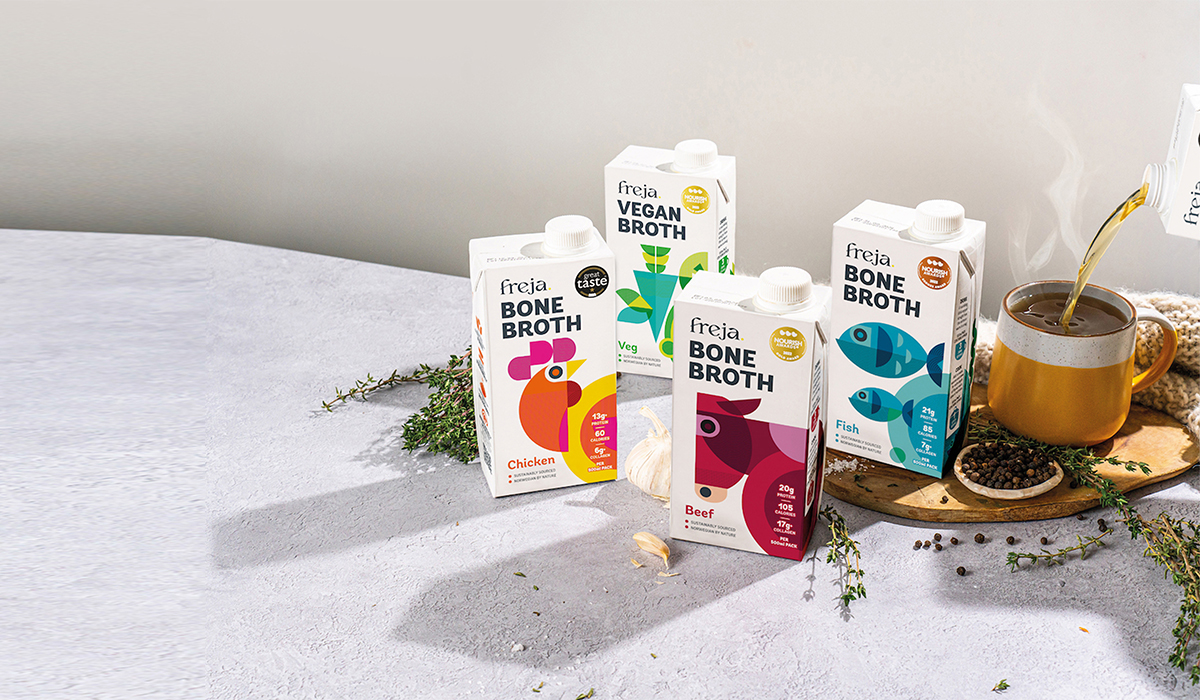
Some brands are beginning to realize this potential. For instance, norwegian bone broth brand freja, in its product line of chicken and bone broths, not only highlights the benefits of collagen for skin, hair, nails, and joints but also introduces consumers to broader advantages such as reducing inflammation and improving gut health, along with the potential emotional and cognitive benefits provided by amino acids. For example, freja explains how glycine can promote better sleep, and the importance of amino acids as building blocks for proteins in supporting gut health. Glutamine is an essential amino acid the body needs to support intestinal mucosa. Evidence suggests that glycine and proline help improve digestion, reduce inflammation, and promote the growth of beneficial gut bacteria. Https://frejafoods.Com
The demand for collagen is unlikely to diminish. Spachina, through tiktok keyword searches and data, has found that collagen remains at the top in terms of search frequency. This indicates that people constantly seek things that make them feel good about themselves and enhance their well-being, leading to repeated purchases after witnessing the effectiveness. As more benefits of collagen are discovered, it is predicted that future market demand will continue to grow.
Ketogenic diet A healthy metabolism revolution
Metabolic syndrome, a combination of overweight, high fat levels, high blood sugar, and high blood pressure, is now becoming prevalent, especially among the younger generation. It can be considered more of an epidemic than a chronic disease.
A new term, “metabolic health,” has emerged in Europe and the United States. While many people may not precisely understand what it refers to, they are aware that they don’t want to be overweight, diagnosed with diabetes, or have high blood pressure at a young age.
Over the past decade, research on the link between metabolic health and various mental disorders has increased. The field known as metabolic psychiatry or nutritional psychiatry suggests that mental health is closely related to the body’s metabolic status, to some extent. Metabolic syndrome can affect emotions and mental well-being, leading to profound harm, with each influencing the other, creating a worsening situation.
Improving mental well-being is crucial, but in such cases, nutritional intervention for metabolic syndrome becomes even more important. One significant and effective dietary approach gaining popularity over the last decade is the ketogenic diet. Originally designed in the 1920s as a medical diet for individuals with epilepsy, the ketogenic diet reduced seizure occurrence by 85%, and it is still prescribed in medical settings. Today, it is widely used in dietary plans for weight and sugar reduction.
Researchers are extensively studying the potential beneficial effects of a low-carbohydrate, high-fat diet on various mental health conditions. One advanced area is the treatment of Alzheimer’s disease, an increasingly threatening epidemic with the aging population. There is ample literature supporting the role of brain insulin resistance in Alzheimer’s disease, to the extent that some researchers refer to Alzheimer’s disease as “Type 3 diabetes.” Hence, dietary intervention becomes increasingly important.
While the topic may seem specialized and medical, SpaChina found that 98% of the surveyed individuals expressed a preference for understanding more nutritional knowledge from a medical and professional perspective, applying it more or less effectively to their daily diets. Of these individuals, 37% mentioned following health-related platforms on social media, similar to “Dingxiang Doctor,” for health knowledge relevant to their daily lives.
Blood sugar impact Interconnected relationships among blood sugar, mood, and weight
The trend of “better mood plus healthy weight” in dietary choices has seen rapid growth due to consumer interest in better blood sugar management. This is a hot topic on social media, with influencers like the Glucose Goddess leading the way. With over 2.8 million followers, Glucose Goddess is a serious and trustworthy influencer with degrees in biochemistry and molecular cell biology. Her website’s slogan is “Magic starts here. And it’s all science.”
She began researching the relationship between what you eat and how you feel, driven by her own struggles with poor mood. She shares perspectives on different food combinations to help manage blood sugar fluctuations, ultimately leading to better mood by managing these fluctuations. As a result, she has become a credible source for many young consumers seeking help and reliable information, making her social media platforms highly popular.
Regarding the interconnected relationships among blood sugar, mood, and weight, SpaChina found that 78% of the surveyed individuals in China are significantly concerned about these three aspects. It seems that the surveyed individuals, compared to the previous generation, are more prone to appearance and health anxiety. Additionally, the trend of younger individuals experiencing high blood sugar and high blood pressure is becoming more evident.
Many food companies are planning to launch products for better blood sugar management, with some even developing improved meal replacements for diabetics. There is indeed a vast market space to create functional food formulations that contain fats or proteins, but minimal or reduced sugar, allowing for delicious consumption without causing blood sugar spikes and deriving health benefits, whether in weight maintenance or mental health. Overall, proteins, especially dairy, have a competitive advantage due to their low impact on blood sugar.
General Mills’ Good Measure snack brand offers a variety of nutrient-rich snacks marketed as “Blood Sugar Friendly Snacks,” which are delicious and contribute to maintaining stable blood sugar. https://allingoodmeasure.com
Additionally, there’s NotCo, a plant-based company that uses artificial intelligence (AI) to design its products. They have launched a precisely calculated energy bar marketed as “helpful in regulating blood sugar” while showcasing its plant protein content. Although it might be somewhat ahead of its time, considering the growing trend of vegetarianism in Europe and the United States, NotCo’s concept addresses the needs of many vegetarians. https://notco.com
Embracing fat Holistic beauty and mind-body benefits
SpaChina’s research results reveal that 94% of the surveyed individuals were previously unaware of the interconnectedness between the body and mind. Upon learning about the connection between the mental and physical aspects, 67% of the surveyed individuals expressed a strong interest in understanding functional foods and nutritional supplements that could simultaneously benefit both the body and mind.
SpaChina’s research also discovered that, despite “slimming down and losing weight” remaining key health keywords, the age group of 20-35 is increasingly unconcerned about fat intake. Among 100 individuals in this age group, 64% believe their body shape is good and don’t mind consuming more fat in their diet. They understand the importance of balancing proteins, fats, and carbohydrates in their diet for overall health.
This age group is at the forefront of shedding the fear of fat, as evidenced by research findings from HealthFocus International, a consumer insights company based in the United States. In the U.S., only 21% of those aged 18-29 consider reducing fat as healthy, compared to 47% among those over 65. Young consumers are driving the success of brands like LoveGoodFats, which has grown from zero to $200 million in sales within five years. LoveGoodFats chocolate bars typically contain 13g of fat per 40g serving.
LoveGoodFats plans to integrate weight management and better mood into the same product in the future. Their market commitment involves reducing carbohydrates, increasing the combination of fats and proteins, and providing “better blood sugar” to enhance both physical and mental well-being. Through social media, LoveGoodFats aims to establish strong connections with the health beliefs of many young consumers. Interestingly, these products will not come with weight management guarantees but will focus on making products healthier and more appealing through scientific formulations. https://lovegoodfats.com/
SpaChina observes that emerging scientific and nutritional theories are spreading rapidly through online social media and word of mouth. This phenomenon reflects consumers’ increasingly diverse beliefs about food and health, showcasing how every unique health food and beverage company is driving the process of “conducting its own health research.”
Looking ahead to the next decade, more health-related information will likely be disseminated through social media. According to SpaChina’s research report, the current percentage of obtaining desired products online is 48%, with 60% being consumers aged 20-35. In the United States, 52% of individuals aged 18-34 acquire food and health advice through social media. For them, social media is the mainstream media. This demographic is set to expand in the next 10 years, making online brand marketing, health education, convenient purchasing, and after-sales service indispensable.
Conclusion
Nutritional science is continually evolving, and what were once considered marginal ideas a decade ago are becoming mainstream today. The best examples are the changing perspectives on sugar and saturated fats. When offering consumers the most valuable health advice, new ideas emerge, potentially creating new markets. Most of the successful brands and cases mentioned in this article come from innovative thinking, responding to market demands, and providing scientifically credible health benefits that align with the convenience, diet, and lifestyle preferences of the younger generation. To a large extent, this is also a reinvention and recreation of traditional foods and products.
In the future, many mainstream nutritional rules will likely undergo further changes as science progresses. This change will also bring about a shift in our inherent ways of thinking. Only those willing to maintain an open mind can create businesses that are entirely new, interesting, and adaptable to change.
Survey targeted participants
SpaChina gathered 300 respondents from readers in five cities: Shanghai, Beijing, Chengdu, Hangzhou, and Shenzhen. The participants were divided into three age groups: 20-35 years, 36-45 years, and 46-60 years, with 100 individuals in each group. They all participated in the research on functional foods. The average annual household income per person was a minimum of 250,000 RMB.
“更好的情绪及健康的体重”这一话题,展现出了消费者对血糖管理方面的兴趣。如果在社交媒体上搜索,你就会发现这是一个相当热门的话题。法国葡萄糖女神Glucose Goddess,本名Jessie Inchauspé的她拥有280万以上的粉丝,是一位严肃而可信赖的影响者,拥有生物化学和分子细胞生物学的学位。她网站的标语是:“魔法来自于此,而这都始于科学”。Magic starts here. And it’s all science. https://www.glucosegoddess.com
Fashion capital, art palace, food paradise, historical treasures, stunning beauty… Each label will take you to a different façade of Italy
Located in the south of Europe and embraced by the Mediterranean Sea, the charm of Italy is hidden under the depth of history, culture and art, flowing in the beautiful natural scenery and shining in the glittering wheel of fashion. The homes of art – Rome, Florence and Venice – attract people from all over the world to appreciate the masterpieces of the Renaissance, and the collections of the Vatican Museums, the Uffizi Gallery and the Sistine Chapel. From Milan Fashion Week to the antique markets of Florence, Italian fashion elements set global trends. Pasta, pizza, espresso and wine make for a memorable experience. From the Alps to the beautiful beaches, from the watery cityscapes of Venice to the ancient walls of Naples, there’s beauty around every corner.
Rome: the irresistible allure of the eternal city
The birthplace of the ancient Roman Empire and one of the centers of the Renaissance, Italy’s capital city, Rome, has weathered the ages while embracing modern prosperity. Being in Rome for the first time can be a bit overwhelming – after all, there are attractions everywhere you look.
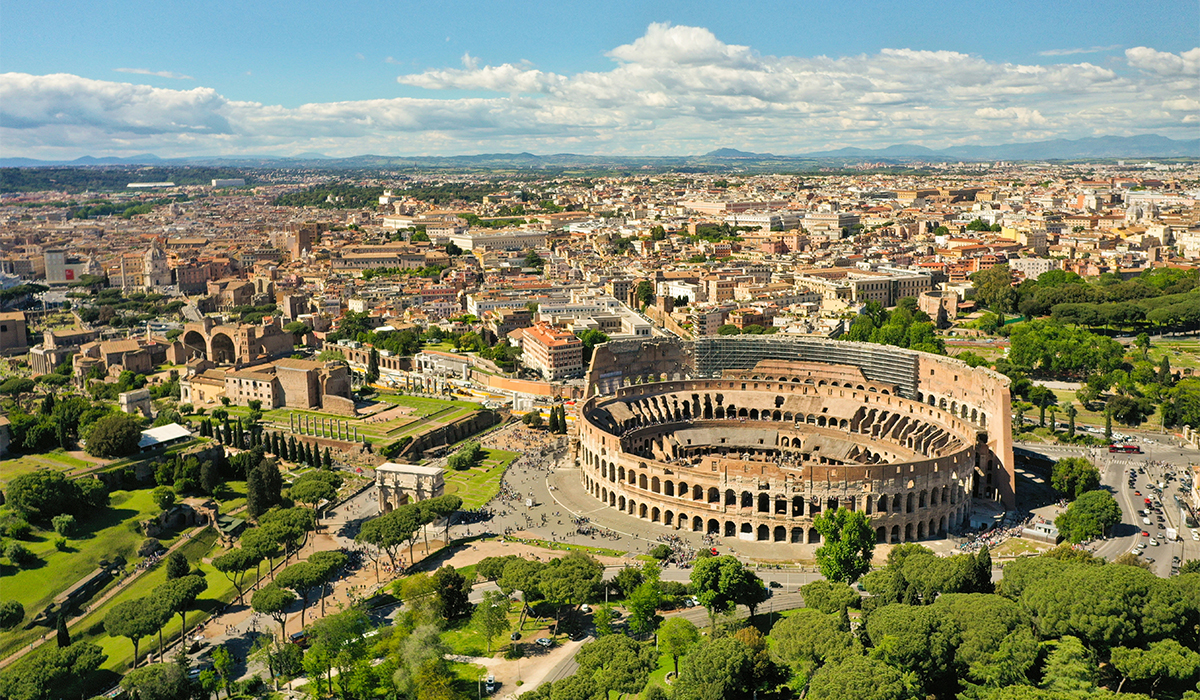
One of the capital’s symbols is the Colosseum. Built in 72 A.D., it was initially used as a venue for gladiator competitions, and then gradually developed into an entertainment center during the Roman Empire. The entire construction covers an area of 20,000 square meters and can accommodate 90,000 spectators. The outer wall is 57 meters high, equivalent to the height of a modern 19-story building. Next to it stands the Fori Imperiali which accommodates the ruins of five monumental squares. This was once the public town square during the ancient Roman era and was the political, economic and cultural center of the time.
Stroll through the city and encounter beautiful fountains. The famous Fontana di Trevi is located at the intersection of three streets, and that’s why it gets the name Trevi. One of the last masterpieces of Baroque architecture in Rome, the fountain features a huge statue of Poseidon, surrounded by gods and goddesses from Western mythology, each with a different demeanor. Since you are here, close your eyes, turn your back to the fountain and flip a coin into the pool. The Piazza di Spagna, where Fontana di Trevi stands, as one of the filming locations of Roman Holiday, attracts tourists one after another to relive the classic scenes in the movie and sit on the magnificent Spanish Steps to take pictures. Surrounding the piazza are many stores, cafes and restaurants where you can taste authentic Italian food and buy a variety of souvenirs and artwork.
The Four Rivers Fountain in Piazza Navona features four rivers that represent the four great rivers conquered by humankind: the Danube, the Ganges, the Nile and the Rio de la Plata, as well as the four continents of Europe, Asia, Africa and the Americas. The fountain has a unique design, with the four rivers emanating from a statue in the center of a huge pool and flowing into four different pools. Historically, Piazza Navona was once a place for ancient Roman aristocrats to watch performances and tournaments, and later evolved into a bustling market and commercial area. During the Middle Ages, jousting, horse racing and horse competitions were regularly held here. When it came to the Renaissance, many famous artists and thinkers left their footprints and creations in the square. Today, many artists perform singing, dancing, playing the piano and painting here to create a lively atmosphere.
Immerse yourself in art. Art lovers should not miss Villa Borghese and the Borghese Gallery within it. The second largest park after the Villa Doria Pamphili Park, the tree-lined garden boasts beautiful fountains and villas offering lodging and dining. The Borghese Gallery houses a large collection of works by Bernini. Each exhibit is accompanied by exquisitely decorated backgrounds and large frescoes.
Horseback riding on the outskirts of Rome is a special experience. Immerse yourself in nature and explore the monuments along the Appia Antica on a horse. Or take a boat ride on the Tiber River, where you can see the magnificent architecture and fresh greenery on both sides. For those who want to shop to their heart’s content, the traditional Campo dei Fiori market is filled with stalls selling fruits, vegetables and meats, while Via dei Condotti and Via del Corso are filled with world-renowned fashion brands. The former is also the place where Audrey Hepburn ate ice cream in Roman Holiday. The latter hosts an annual Christmas market.
Luxury holiday in Lake Como
Nestled between the Alps, a Y-shaped body of water formed by mountain springs, surrounded by elegant villas and picturesque landscapes, Lake Como in Lombardy is a symphony of serenity and beauty.
Between the verdant hillsides and the blue-green waters of the lake, a collection of stunning small towns and villages dwell. With 170 kilometers of shoreline, Lake Como has many well-equipped waterfront recreation areas and lakeside beaches, some of which are secluded and isolated. Soaking up the sun and enjoying the beautiful lake views is the best way to experience Lake Como. The white pebble beach of Rezzonico is recommended, and the town is known for its cultural heritage. Tremezzina’s waterfront area features large olive groves with soft lawns and offers a variety of water sports. For an alternative, take a boat trip to the small town of Careno on the eastern shore of the lake and stroll through the old streets of the village, where time stands still in tranquility.
The town Corenno Plinio stands out for its medieval atmosphere and is more secluded than the surrounding towns. The narrow streets are lined with stone houses decorated with colorful flowers, and there is also an old castle. Climb up to the observation deck of the old harbor for a panoramic view of the lakeshore and the town, and then sample the local cuisine at the town’s only restaurant.
On the western shore of Lake Como, in the town of Lenno, lies Villa Del Balbianello, built in the 18th century, overlooking the entire lake area, surrounded by beautiful gardens and woods. It is the filming location for James Bond 007 and Star Wars. Walk down the steps into the interior of the villa, which is richly decorated with historical, cultural and artistic pieces. Then take a stroll through the villa’s gardens and appreciate the colorful flowers and impressive sculptures.
The many hotels and resorts on the shores of Lake Como lead guests into a dream of luxury and wellness experiences.
Boasting unparalleled views over Bellagio and the rose-tinted Grigne mountains, the Grand Hotel Tremezzo, a family-run business for over a century of history, is a symbol of the warmest Italian hospitality. Built in 1910, it combines fabulous period décor characterized by vibrant colors and reflecting the exuberance of times past with contemporary luxuries.
An Art Nouveau Palace sitting adjacent to Villa Carlotta’s famed gardens with its 100 windows overlooking either the lake blue waters or the flowering greenery of the garden, the Hotel features 67 rooms and 17 suites and multifarious array of world-class facilities. The brand-new lakefront sandy lido, fully restyled to immerse you in the glamor of the Italian riviera during the 1950s and 1960s, is a place to live the real dolce vita. Two private Venetian motor launches, Ruy and Batt, await to show you the lake and its borgos. The three breathtaking pools – one of them floating on the lake – along with the fitness center and two-hectare secular park with floodlit clay tennis court allow unlimited ways to while away the hours. The hotel boasts five bars and restaurants: La Terrazza Gualtiero Marchesi, featuring the Maestro of modern Italian cuisine’s dishes, L’Escale Trattoria & Wine Bar, offering Italian cuisine with a twist in a casual atmosphere, T Pizza, the pizzeria immersed in the greenery of the park, Da Giacomo al Lago, the perfect bond between the breathtaking location of the Palace’s beach and the fish recipes by Giacomo Milano, and the T Bar, for signature cocktails from aperitif to after-dinner.
Following a restyling project under the guidance of world-renowned Italian architect Ruggero Venelli, the Grand Hotel Tremezzo presents Villa Emilia, an 18th-century building of three levels adjacent to the hotel’s historic Palace. Also known as T Spa, the villa offers a wellness space, five elegant treatment rooms, a Hammam suite and a wet area, which includes a Mediterranean steam bath, a Turkish bath and a sauna, with stunning views of Lake Como. The T Spa also offers guests an ice fountain, experience showers and a precious relaxation area decorated with a pre-existing frescoed ceiling, preserved and restored tiled floors and a classic-style fireplace. This is complemented by an exclusive mosaic nail studio, a breathtaking infinity pool, a three-storey gym and a private access suite within the villa, called Suite Emilia. All with panoramic views of Lake Como.
T Spa has partnered with Italian skin care line, Officina Santa Maria Novella Firenze, who has custom-designed a range of anti-stress, anti-ageing and rebalancing treatments for T Spa guests.
The rituals of the unique Hammam of Lake Como take place in a luxurious and spacious room with a vaulted ceiling, decorated with precious white Lasa marble and with the typical marble body scrub slab in the centre. The traditional cleansing ritual of the Hammam, exclusively designed and customised by Officina Santa Maria Novella Firenze, is the perfect way to revitalise both mind and body; a waterfall shower, a couple’s bath and a steam bath complete this unique experience.
The T Spa also houses a scenic infinity pool with spectacular views of the lake. The relaxation area, located at the front of the pool, includes tall retractable windows that create an open-air solarium. For an even more intense wellness experience — at five different spots in the infinity pool — guests can enjoy whirlpool experiences, surrounded by hundreds of air bubbles, water jets and effervescence.
For a more intimate experience, couples can indulge in the elegance and privacy of the exclusive T Spa Suite, surrounded by the hotel gardens. Featuring a couple’s treatment room, private relaxation area, Jacuzzi, sauna and steam room with contrasting showers and waterfall jets, the T Spa Suite offers a perfect escape for two.
The other hotel worth a visit is Passalacqua. Created in the 18th century as a place of the heart on Lake Como for friends, for love and leisure, for the pleasures of the table and the Italian art of dolce far niente, Passalacqua is that same place of wonder today.
Steeped in history, this 18th Century villa once played host to some of the world’s most brilliant minds in music, literature, art and politics from Napoleon Bonaparte to Bellini to Winston Churchill.
Standing above the picturesque village of Moltrasio, Passalacqua has now been transformed by the De Santis family into a unique hotel with 24 characterful guest accommodations spread across three magnificently restored edifices. Passalacqua features seven acres of landscaped gardens that descend to a private jetty. Every single aspect of the property’s interiors including the meticulous restoration of the frescoes, handblown glass chandeliers to mirrored secret mini bars, has been personally overseen and curated, with not one suite being the same.
The main historic residence, the Villa, features 12 sumptuous suites, which celebrate the grand Italian baroque style and original frescoes, including a double height balustraded music room, where Bellini played the piano. The Palazz or ‘ancient stables’, comprises 8 suites with centuries-old, exposed beam work, glossy damask walls and a striking spiral staircase. A Spa will be located in what was the cow’s manager, with two treatment cabins offering Barbara Sturm treatments, a relaxation area with columns and vaulted ceilings. A hidden humid area with sauna and steam bath is situated within the secret tunnels of the villa. Down by the lake, the intimate Casa Al Lago is ideal for exclusive use, with four suites, each appointed with a private garden – all sharing a beautiful dining area and fireplace.
Passalacqua will eschew formal dining areas for a relaxed ‘home away from home’ approach. Guests will be treated to authentic and simple Italian home cooking, using fresh ‘garden to table’ ingredients. House Executive Chef Alessandro Rinaldi is truly a ‘chef di casa’. Guests are encouraged to visit the kitchens and speak to the team to discuss their menu for the day, bearing freshly foraged vegetables to contribute to the meal or partake in an ad hoc pasta making session. All are invited to choose their own location to dine within the property, whether that might be on one of the terraces, in the Rose Garden or down by the lake – staff will be on hand to set up tables accordingly, the idea is to have an extremely personalised dining experience.
During springtime, Lake Como’s microclimate sees its historic gardens begin to blossom with a blaze of exuberant azaleas, rhododendrons, and camellias, and Passalacqua is no exception. The villa’s majestic, terraced gardens feature private hideaways, more than 15 enchanting water fountains and centuries-old trees, considered to be some of the most well-maintained in all of Italy. The views of Como are arguably at their most impressive during the changing of the season, as alpine peaks frame the view to the north – their white accents contrasting with the green slopes in the middle distance – while the blossoming gardens along the lake paint the waterfront villas in a riot of colour. Passalacqua’s Italian Gardens are located at the highest point of the estate and have the vantage point of spectacular lake views, while the ancient Winter Garden looks out onto a 20-metre swimming pool, surrounded by vibrant parasols and sun loungers, furnished in a vibrant patterned fabric custom made especially for Passalacqua by fashion designer, JJ Martin. A second Winter Garden features a state-of-the-art al fresco gym, which in turn looks out onto the estate’s ancient olive grove, where the oil has been pressed for generations.
There is nothing quite like exploring Lake Como by boat and as the temperature begins to rise, visitors are encouraged to spend time on the water with Boatman, Beppe, setting sail from the hotel’s private dock aboard either Giumello II or Didi. Giumello II is a traditional wooden boat, the perfect choice for gentle voyages of discovery, sunset cruises, and Lake Como’s particular brand of ‘dolce far niente’; whereas Didi is better suited to longer jaunts as she comes complete with a sundeck and swimming platform. Whether touring the lake’s historic towns and gardens, catching glimpses of Hollywood royalty’s Como boltholes, or enjoying a romantic Champagne cruise, a trip aboard either boat will be sure to create lasting memories for guests of Passalacqua.
Thermal Springs in Tuscany
Tuscany, in central Italy, is a land of natural wonders, artistic treasures and culinary delights, and after all, natural thermal waters, with spa centers everywhere that have been attracting people to heal their bodies and minds since ancient times.
Between Lucca and Pistoia, not far from Florence, Montecatini Terme bears witness to the perfect combination of a modern habitat and a spa town. The center of the town is lined with elegant Art Nouveau buildings and is home to many parks, restaurants and stores, while large and small spa centers are scattered throughout, making it a prime location for a relaxing vacation.
The Montecatini hot springs has been known since Roman times, and the water that gushes out from the depths of the soil is very effective in treating diseases of the digestive system, the nervous system, and the skin, and in particular, it improves the functioning of the liver, increases the liver’s purification capacity, treats constipation, and is a diuretic and detoxifying agent.
The representative spa complexes of Tettuccio, Excelsior, Tamerici, Regina and Redi are each situated in a green landscape surrounded by gardens and paths, intertwined with the town park “La Pineta”. These spa centers offer a comprehensive system of treatments supervised by medical professionals. In addition to the traditional therapies associated with thermal waters and mud, innovative health and beauty treatments have been introduced, including a range of massages, body and facial treatments, as well as slimming, relaxation and anti-aging programs. Treatments are updated with the seasons. It is also worth noting that Tamerici Spa regularly hosts a variety of musical events, exhibitions and lectures.
As you are wandering around La Pineta Park, take a sip of the thermal water under the colorful ceramic-decorated porticos. Walk along the pine forest to the historic funicular which takes you upwards all the way to the medieval village of Montecatini Alto. There you will have a panoramic view of the valley below. Step over the narrow stone paths to reach the central Piazza Giusti for a gourmet meal. Don’t forget to try the gelato and the typical Montecatini wafers. Art lovers can’t miss the Mo.C.A. (Montecatini Contemporary Art) museum on Via Viale Verdi, or head to the Verdi Theatre for a musical opera or performance.
Surrounded by scenic Tuscan vineyards and olive groves, the small town of Montecatini Terme is perfect for hiking, biking, or taking a wine and food tour.
In southern Tuscany, Saturnia stands on a hilltop in the heart of the Maremma district. For over 3,000 years, Saturnia’s hot springs have been gushing forth from the natural crater of Mount Amiata at temperatures of up to 37°C, attracting visitors from all over the world with their distinctive sulphurous smells.
The sulfur-rich hot spring water boosts basal metabolism, reduces water retention, reactivates capillary circulation, and enhances liver cell activity. It promotes digestion and improves gastrointestinal problems when consumed in small doses on an empty stomach. Also, it has a natural exfoliating, skin-cleansing and antiseptic effect.
The thermal plankton formed in the spring water is rich in amino acids, sulfur, potassium and magnesium and has extraordinary anti-inflammatory, antioxidant and regenerative properties.
On the road from Scansano to Manciano, just a few kilometers from the center of the town of Saturnia, sulphur springs gush forth to form a stepped thermal pools and small waterfalls, into which you can leap right into for a pleasant relaxation in the beautiful idyllic surroundings. This free open-air hot spring bath is called Cascate del Mulino, named after the very old mill that sits next to it.
In addition, two luxurious spa resorts take the spa healing experience in Saturnia to new heights.
The Terme di Saturnia Spa and Golf Resort is situated at the foot of the village and has been created with the theme of natural regeneration in mind. Carved from an ancient travertine building and designed to look like a traditional Roman bath, the resort is set against a thousand-year-old spring and surrounded by beautiful Tuscan hills.
Personalized wellness journeys are at its core, and the hotel helps guests rebalance their minds and bodies through a range of spa therapies, treatments and massages, and Roman baths. Open-air thermal pools, whirlpools and hot and cold hydrotherapy healing trails are specialties. The hotel also has 124 rooms, 2 restaurants and an 18-hole golf course.
Hotel Saturno Fonte Pura, on the other hand, is built on a hilltop overlooking the valley, with a huge sulphurous thermal pool surrounded by gardens and olive groves. The thermal waters of Fonte Pura have been recognized by the Ministry of Health as being suitable for balneotherapy and for the treatment of rheumatism, gynecological disorders, and skin diseases (such as psoriasis). The hotel spa offers traditional massages, holistic therapies and hot stone massages.
In addition to these two main namesake spa towns, there are many more amazing thermal experiences in Tuscany. The Versilia Thermal Baths in Montignoso offers a beachside club experience. The Beauty Farm near Forte dei Marmi combines innovative techniques with traditional massages. After visiting the Leaning Tower of Pisa, head to the Bagni di Pisa spa center to experience shaping, slimming, and detoxifying treatments, where the thermal waters are particularly effective for rheumatism and vascular disease. Grotta Giusti in Montsumarno offers a unique experience of mind-body healing, set in a natural environment of green hills and just a stone’s throw from Tuscany’s main artistic attractions.