An Interview with Ms. Kelly Cheng, Founder and CEO of Canadian Brand HIGHS and Teriffic Shanghai
Kelly Cheng is a businesswoman who perfectly blends international vision with local wisdom. In her early years, she held key positions at international cosmetics brands such as Yves Saint Laurent and LVMH Guerlain, accumulating extensive industry experience. After moving to Canada in 2006, she first founded Wanxiang International Trading, specializing in beauty OEM, and later co-founded the personal care brand HIGHS with her husband in 2013.
Kelly innovatively integrated coffee culture into the personal care sector, creating a product line that combines functionality with emotional value. HIGHS adheres to the product philosophy of “high quality + high aesthetics + high engagement,” starting with hand and foot care and gradually expanding into a diversified brand covering full-body care. With precise market positioning, its products are exported to over 30 countries and regions, establishing HIGHS as a benchmark in China’s hand and foot care market.
Her success, and that of HIGHS, stems from her unique business acumen: maintaining a global perspective while deeply rooting herself in local practices, pursuing product quality while emphasizing brand culture. Her entrepreneurial journey demonstrates how traditional industries can achieve breakthroughs through innovation. In this SpaChina interview, we delve into how this businesswoman transforms life aesthetics into brand power.
What inspired you to create HIGHS, and did you encounter any unexpected challenges?
Before 2013, my career was focused on OEM exports for beauty, nail care, and personal care tools. Since 2006, I had led my team to global exhibitions, from offline trade shows to P4P promotions on Alibaba’s international platform, exploring the boundless possibilities of the global market. Along the way, we experienced exhilarating breakthroughs as well as unforeseen challenges. These valuable experiences made me realize that relying solely on nail care products would not fulfill a grander business vision. Thus, I began contemplating how to break free from the limitations of a single product category and expand into the broader personal care market.
The birth of the HIGHS brand name encompasses years of my business reflections and brand ideals. Initially named “HIGH’S,” it embodied an unwavering pursuit of quality and experience. Later, it evolved into “HIGHS,” with a deeper meaning: H for High (exceptional quality), I for Intimate (thoughtful experience), G for Green (eco-friendly philosophy), H for Hobby (life’s pleasures), and S for Style (unique flair).
In 2016, when HIGHS officially entered the Chinese market, the overwhelming response exceeded expectations, prompting me to launch the consumer-facing sub-brand HELLO HIGHS, focused on coffee-themed personal care products. To better manage these two brands targeting different channels, my husband and I decided to establish the company in Shanghai and settled there for a year and a half. However, the sudden outbreak of the pandemic disrupted all plans, ultimately forcing us to suspend the sub-brand. Though this attempt came at a considerable cost, the invaluable B2C market experience gained has since informed our future business decisions.
HIGHS’ slogan, “Where Ritual Meets Relaxation,” is very striking. Could you share the inspiration behind this concept?
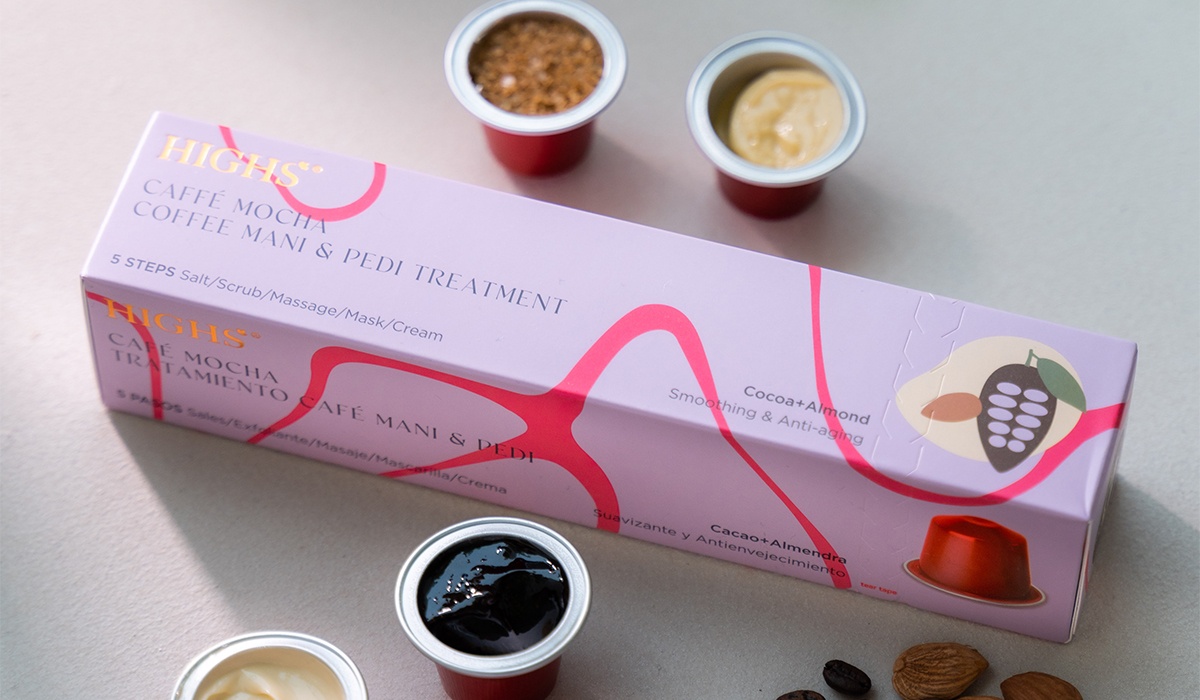
Coffee and tea have long transcended their roles as mere beverages, evolving into indispensable spiritual symbols and lifestyle representations for modern people. During my time living in Vancouver, I often contemplated in the morning light of cafés, observing how coffee culture permeated urban daily life. But also I noticed that the large jars of care products used in traditional beauty salons posed hygiene risks and inconvenience. One day, as my gaze fell on a delicate coffee capsule, a spark of inspiration flashed – why not blend coffee’s rich aroma and the convenience of capsules into skincare?
Leveraging my professional insights from serving top global nail care brands, I recognized the rising trend of MANICURE and PEDICURE in overseas markets. Thus, the first independently packaged coffee hand and foot care series was born, pioneering a one-time-use hygiene standard. The market’s enthusiastic response exceeded expectations, prompting us to follow up the next year with an equally popular tea-infused care series. From coffee to tea, we not only expanded our product line but also became the first brand to successfully integrate Eastern tea aesthetics with Western coffee in hand and foot care – a feat I take great pride in.
Could you share the features of some star products and the stories behind their R&D and production?
HIGHS’ core products infuse coffee’s unique aroma and properties into daily care. Beyond the star coffee capsule care, there’s the French-made coffee soap shaped like a large coffee bean, fragranced by the Grasse Laboratory in France, with adorable granules made from real ground coffee beans. Bathing isn’t just about cleansing – it’s a healing, relaxing evening ritual. Washing with a coffee-scented soap is the perfect descriptor for this product.
For this small coffee soap, I flew to Provence twice. From downtown Provence, I drove three hours to a small village near Marseille – a six-hour round trip on winding mountain roads. From concept to R&D to production, every detail – the soap’s mold shape, fragrance, skin feel, and foam texture – was tested repeatedly by me. Once completed, the product was shipped worldwide. The process was complex, but the result was perfect. This is just one product in the coffee body care line – each product reflects the founder’s relentless determination to build the brand!
Currently, the company’s core products include HIGHS Coffee Body Care, Tea Infused Body Care, and the multifunctional patented HIGHS SPA Chair. We have distributors in many countries and regions: New York, Los Angeles, Canada, UAE, Dubai, Kuwait, Saudi Arabia, South Africa, Thailand, Taiwan, Hong Kong, London, Lithuania, Poland – and the list continues. Stay tuned!
HIGHS’ coffee-scented hand creams and scrubs emphasize “Healing and Regeneration.” Could you elaborate on their skincare benefits?
Coffee, as a gift of nature, contains active ingredients increasingly recognized by modern science. Caffeine and polyphenols like chlorogenic acid form a natural antioxidant defense system, effectively neutralizing free radicals and combating UV-induced oxidative damage. Research shows these active ingredients not only inhibit photoaging and abnormal collagen breakdown but also promote keratinocyte renewal, building multi-layered protective barriers for the skin. This inside-out defense mechanism makes coffee a rare natural active ingredient in skincare.
In practical applications, coffee components reveal surprising multi-functional skincare value. In hand care products, coffee essential oil alleviates dryness and delays wrinkle formation through its antioxidant properties, while finely ground coffee beans serve as ideal natural exfoliants, gently removing dead skin cells and stimulating collagen production through physical action. Notably, the synergy between caffeine and chlorogenic acid delivers comprehensive benefits from epidermal care to dermal protection – a compound effect underpinning the sustained market recognition of coffee-infused care products.
How do you balance functionality and sensory experience in product design?
I believe “the aroma of coffee is more precious than coffee itself.” This rich fragrance seems to possess a magical ability to traverse time and space, instantly awakening dormant sensory memories. Like the scent wafting from a café in the morning, it compels one to pause and savor – carrying countless indescribable emotional imprints. Perhaps it’s the solace of late-night study sessions in student days or the warmth of a street-corner café encounter during travels abroad.
HIGHS deeply understands the power of olfactory memory, transforming coffee’s complex layers of roasted bitterness and sweetness into evocative emotional symbols in our products. The fragrance of our coffee hand cream is like a metaphor for life: the interplay of bitterness and sweetness, exhaustion and healing. Those five seconds of coffee-scented fingertips complete not just a hand care routine but a brief yet profound sensory meditation.
HIGHS’ designs incorporate carefully curated Art Deco elements, hand-drawn illustrations, or vintage typography, inspired by early 20th-century commercial art like advertising and packaging. Featuring elegance, nature, or craftsmanship, visual languages such as floral patterns and handwritten fonts are translated into HIGHS’ retro packaging or brand identity, offering consumers a visually artistic experience.
This art of perfectly balancing practicality and emotional resonance is the profound healing philosophy HIGHS aims to convey – a detail-rich, heartfelt gift that touches the soul.
What do you think modern consumers value most in health and beauty relaxation experiences? How does HIGHS respond to these needs?
In this disenchanted era, modern consumers have shed their blind admiration for flashy appearances and illusory narratives, craving instead tangible product quality and personalized experiences. The younger generation’s purchasing decisions often stem from moments of emotional resonance – perhaps sparked by a familiar scent or a meaningful memory.
Coffee and tea enthusiasts each harbor unique affinities. Coffee lovers embrace all things coffee-inspired, while tea drinkers exhibit diverse tastes: the elegance of English tea, the Zen essence of Japanese matcha, the playful joy of Taiwanese milk tea, or the crisp refreshment of iced tea. HIGHS deeply understands these nuances, meticulously sourcing premium teas worldwide – from the exotic allure of Hawaiian hibiscus white tea and the romantic richness of Moroccan roses, to the hauntingly fragrant osmanthus tea native to China.
With our threefold competitive edge – “high aesthetics, exceptional quality, and deep engagement” – we’ve built a socially compelling product matrix. This isn’t theoretical marketing but battle-tested business wisdom. Every product tells a tangible, sensory-rich story meant to be shared.
Which markets are currently the strongest? What are your plans for China in the next five years?
The U.S. and Middle East currently lead demand. The U.S. – our largest market – prioritizes volume and competitive pricing. The Middle East rapidly reorders favored products post-negotiation, provided they meet regulatory standards.
China’s market faces headwinds, but we navigate economic cycles through persistence and innovation. Brand-building inherently creates competitive barriers – imitation exists, but true surpassing remains challenging. We’ll maintain global focus while advancing steadily in China.
Over the next five years, we’ll expand HIGHS franchise and co-branded stores nationwide, creating visionary salons that offer accessible front-end experiences paired with premium back-end services – continuously elevating consumer journeys and industry standards.
You’re gradually passing management to the next generation to sustain the brand’s essence. How are you approaching this?
Generational succession weighs heavily on many entrepreneurs born in the 1970s. My son Frank began joining me at Cosmoprof Bologna – the global cosmetics industry’s premier event – at age 17. Over a decade, he navigated top international exhibitions, engaging in strategic dialogues with industry leaders. These real-world trials forged his maturity: he now independently leads business negotiations while contributing unique insights to market strategies. Such pragmatically honed expertise surpasses textbook knowledge.
In brand stewardship, I empower younger voices. Gen Z spearheads product R&D, while the new generation shapes market strategies. Our team integrates three generations, preserving HIGHS’ core values while infusing forward-looking innovation. This succession is less a transfer than a cross-generational dialogue – reinvigorating the brand’s spirit.
Does your business embody a family spirit or values?
Throughout my entrepreneurial journey, my partner has been my greatest supporter – even funding my first major Italian exhibition. Whether my decisions were right or wrong, he silently supported and encouraged me. He’s exceptionally emotionally stable! I’m grateful to my husband for caring for me in life, supporting me in work, and putting me first at home.
I believe sincerity is the greatest asset. Approach others with “The Heart to Benefit Others” – “what you give returns to you.” What you give isn’t lost; it returns in some form, someday. This guiding principle has led me forward, and I share it with you, dear SpaChina readers. Thank you!
Interview with Dr. Tristan Liu, General Manager of R&D at STANDARD FOODS Group and General Manager of Le Bonta Wellness Co., Ltd. (Shanghai New Vitality Health Technology Group)
STANDARD FOODS Group entered mainland China through its Shanghai subsidiary in 1992. After three decades of deep market commitment, the company has evolved from an edible oil leader into a diversified health food enterprise spanning multiple categories. Leveraging both production scale and technological prowess – exemplified by industry-academia collaborations such as its joint laboratory with Jiangnan University – the Group drives continuous innovation. Its mainland operations now form a strategic cornerstone of global expansion, consistently shaping health consumption trends.
Dr. Tristan Liu, General Manager of the STANDARD FOODS Group R&D Center, holds a Ph.D. in Food Science & Technology and Nutritional Biochemistry from Cornell University and an MBA from the University of Alberta. With over twenty years immersion in food technology and nutritional science, he concurrently serves as General Manager of Le Bonta Wellness Co., Ltd., part of Shanghai New Vitality Health Technology Group.
Dr. Liu maintains an active presence across academia and industry. His prior roles include Assistant Professor in Food Science at National Taiwan Ocean University, Senior Scientist at the Tyson Foods Innovation Center in the US, and Senior Scientist in R&D at Wei-Chuan Foods. Currently, he is an Industry-appointed Professor and Doctoral Supervisor at Jiangnan University’s School of Food Science and Technology, and an Enterprise Expert for its Bioengineering and Pharmacy Professional Degree program. He also leads the Jiangnan University-STANDARD FOODS “Nutrition Science Collaborative Innovation Laboratory” and holds memberships in the Chinese Nutrition Society, Chinese Institute of Food Science and Technology, Institute of Food Technologists (IFT), and American Oil Chemists’ Society (AOCS).
Dr. Liu’s research spans edible oils, processed meats, ready-to-drink beverages, health foods, and prepared meals. He has spearheaded development of over 20 distinct food categories, managing the full innovation chain from fundamental research to commercial scale-up. With over 100 peer-reviewed publications and more than 40 global patents, he drives continuous technological advancement and commercialization within the food industry.
SpaChina interviewed Dr. Tristan Liu, on STANDARD FOODS, Le Bonta, and the future of precision nutrition in China.
STANDARD FOODS Group champions full-chain innovation from basic research to market. What are the Group’s core strategic priorities in nutrition and health for the next 3-5 years? Will the focus be on functional foods, precision nutrition, or solutions for specific demographics?
As an organization deeply rooted in nutrition and health, STANDARD FOODS anchors its strategy in scientific innovation, committed to delivering science-backed nutritional solutions across all life stages. We observe three dominant market trends: rising demand for precision nutrition fueled by heightened health awareness; opportunities within the “silver economy” driven by demographic shifts; and consumer insistence on products that deliver both health benefits and exceptional taste.
Guided by these insights, STANDARD FOODS Group will intensify capabilities in three key areas: First, strengthening our scientific foundation by integrating global nutrition science resources to build a robust technology platform combining foundational research with clinical validation, creating a health product portfolio aligned with Chinese dietary patterns. Second, advancing specialized nutrition through scientifically validated solutions targeting prevalent modern health concerns. Third, leveraging digital tools to accelerate innovation while implementing flexible production systems to meet personalized nutrition demands.
We’ve demonstrated this approach through innovations like our Mighty cooking oil technology enhancing kitchen health, and breakthroughs in medical nutrition gaining strong market validation. Moving forward, we will deepen industry-academia-research collaboration to translate scientific discoveries into tangible consumer benefits, actively contributing to nationwide healthy lifestyles.
As a company under Shanghai New Vitality Group, what are Le Bonta’s core business segments? How does it strategically complement STANDARD FOODS Group’s portfolio?
Shanghai New Vitality is a wholly-owned subsidiary of STANDARD FOODS. Le Bonta, a pivotal player within the Group’s health and wellness division, specializes in R&D and production of Foods for Special Medical Purposes, health foods, and nutritional supplements, strategically focused on functional nutrition – spanning disease-specific nutritional support to proactive daily health management.
Le Bonta and STANDARD FOODS Group operate with synergistic differentiation: STANDARD FOODS establishes the bedrock of everyday nutrition through mass-market staples like cooking oils, grain products, and compound seasonings, ensuring foundational health at the family table. Conversely, Le Bonta builds strategic depth in functional nutrition through medical-grade supplements and precision health management solutions.
This dual approach creates a powerful ecosystem through channel synergy – combining professional medical distribution with broad consumer market reach – and technology integration merging fundamental R&D with targeted application development. This achieves seamless coverage from daily nutrition to specialized needs while fostering a bidirectional flow of R&D resources and technological advancements. Le Bonta leverages STANDARD FOODS’ extensive food science heritage to overcome palatability challenges in supplements, creating innovative products with proven efficacy and consumer appeal – ensuring they are “great-tasting and easy to take.” Simultaneously, Le Bonta’s pioneering work in precision nutrition continuously enriches the Group’s overall R&D capabilities, driving functional enhancement and personalization of STANDARD FOODS’ core food offerings. This symbiotic “Basic R&D + Applied Innovation” model yields distinct competitive advantages in critical areas like ingredient science and formulation technology, as well as mass-market penetration.
You noted Le Bonta has developed over 20 food categories. Could you highlight a flagship product that exemplifies the company’s technical expertise? What makes its formulation or production process uniquely innovative?
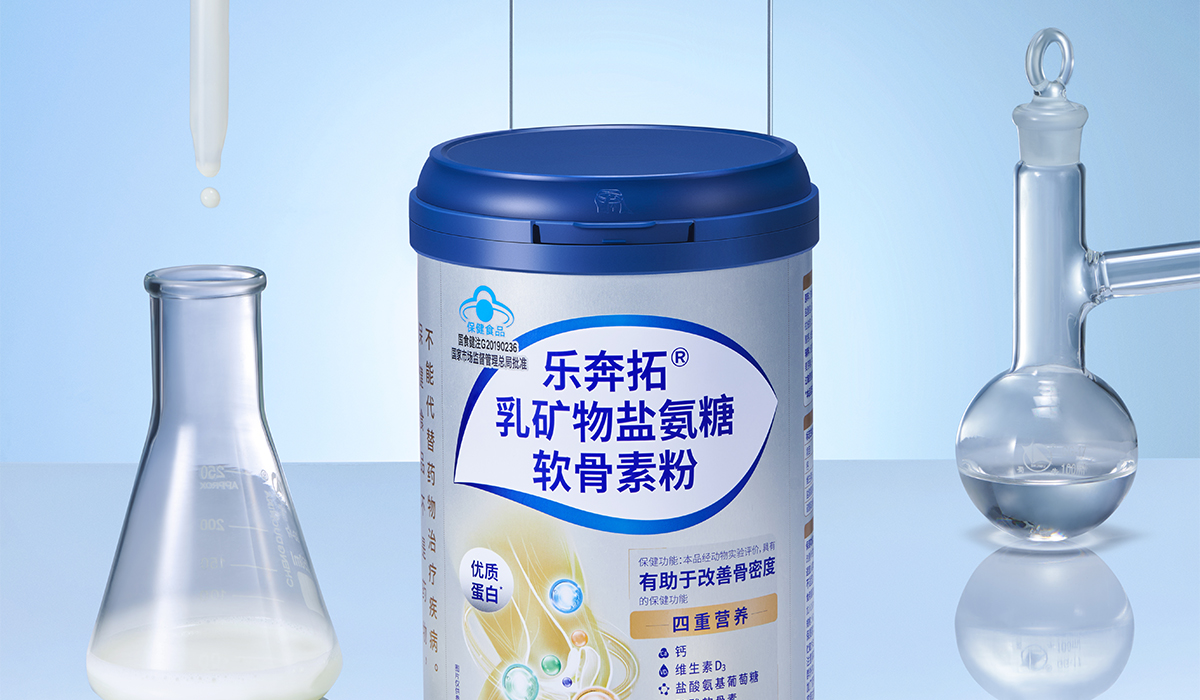
True to our commitment to nutrition and health, Le Bonta offers a diverse portfolio encompassing everyday foods, health foods, and FSMPs. Guided by our “Comprehensive Nutrition, Quality Assured” R&D principle, every formula and process undergoes meticulous refinement. The Le Bonta® Milk Calcium, Glucosamine & Chondroitin Powder exemplifies this philosophy.
This registered health food, meticulously developed over 8 years, secured “Improves Bone Mineral Density” certification after rigorous validation including toxicology, functional efficacy, and stability testing. Its dosage form breakthrough utilizes an easily soluble powder format overcoming traditional tablet limitations, specifically engineered for elderly swallowing difficulties. Formula innovation integrates whey protein beyond the optimal calcium-glucosamine-chondroitin ratio, creating a unique “Bone-Muscle Dual-Protection System.” Science confirms that age-related muscle loss accelerates joint wear; this formula combats this by supplementing high-quality protein to support muscle health while improving bone density – a holistic approach reflecting our multidimensional health perspective.
The product’s design earned professional acclaim and significant industry recognition including “Best Dairy Product” at the 10th World Food Innovation Awards, “Nutrition & Health Industry Innovation Product” from the Nutrition & Health Food Sci-Tech Innovation Evaluation, and both “Nutritionists’ Choice Healthy Product” and “Outstanding Scientific Formula Award” at the 2nd China Nutritionist Development Conference – affirming its dual strengths in scientific rigor and consumer relevance. From concept to consumer, Le Bonta meticulously crafts products with scientific rigor, translating comprehensive nutrition principles into innovative solutions.
In the context of green manufacturing and low-carbon food trends, what specific goals has Le Bonta set for sourcing, production, or packaging? How do you reconcile technological innovation with growing consumer demand for ‘natural ingredients’ and ‘minimal additives’?
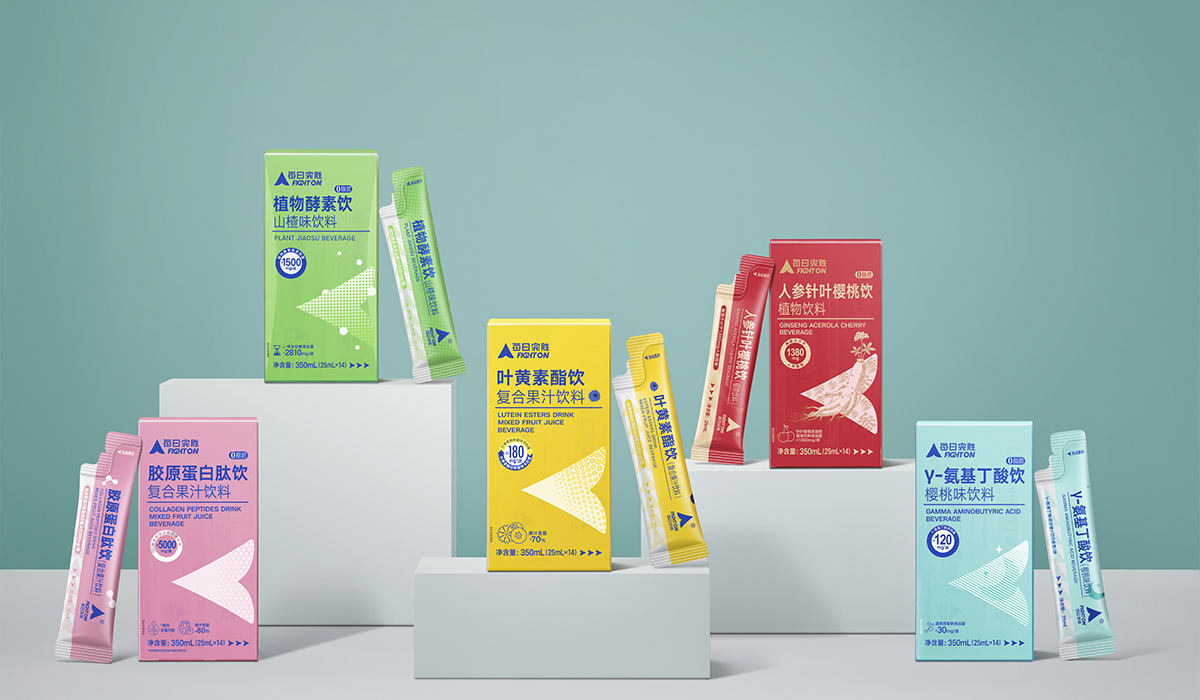
STANDARD FOODS Group prioritizes environmental stewardship through green manufacturing and low-carbon food development. Le Bonta embraces this ethos via its “Trinity” Low-Carbon Strategy: First, achieving operational efficiency through near-paperless operations via ERP integration (98% digital workflows), eliminating over 500,000 paper documents annually. Second, focusing on efficient nutrition R&D by emphasizing bioavailability over sheer dosage – exemplified by our Lutein Ester beverage employing Bioavailability-Targeted Enhancement Technology combining MCT and black pepper extract to dramatically boost absorption. Third, implementing sustainable production through optimized processes and waste utilization specific to health foods, as demonstrated in our American Ginseng Oral Liquid where premium Northeast ginseng undergoes high-temperature water extraction to maximize yield while enabling residue recycling.
Regarding “natural” and “minimal additives,” technology and nature operate synergistically. Innovation serves consumer needs through our “Dual-Wheel Drive” R&D approach ensuring products meet “clean label” expectations while enhancing nutrient bioavailability. We prioritize natural sources like natural sweeteners and milk-derived calcium, and employ stringent hygiene controls with advanced sterilization techniques to eliminate preservatives. Crucially, our innovation is consumer-led: demand drives R&D. Utilizing health data platforms, we identify trends and channel resources into discovering natural functional ingredients and refining green manufacturing – achieving harmony between technological advancement and natural integrity.
Are there plans to introduce longevity-focused health products tailored for the Chinese market?
China’s anti-aging market demonstrates robust growth, reaching RMB 73.98 billion in 2023 with over 10% annual expansion. Demographic evolution and premium health spending are accelerating the sector’s shift toward scientific, precision-oriented solutions, particularly in chronic disease prevention and functional foods.
As nutrition and health specialists, we are acutely attuned to evolving Chinese consumer needs. Building on functional food and evidence-based nutrition expertise, we actively explore innovative solutions aligned with life-stage health requirements. We closely monitor advancements in medicinal food homology and precision nutrition, dedicated to offering superior health choices through ongoing scientific innovation.
You personally blend roles as scientist, manager, and educator. How does this multifaceted perspective shape your leadership and decision-making in the food and health sector?
Navigating research, management, and education provides a robust decision-validation framework. Scientific rigor ensures data-driven choices; management pragmatism finds equilibrium between lab innovation and market realities; educational commitment underscores knowledge sharing’s vital role. These perspectives transform ideas into viable pathways.
Our technology focus grounds everything in evidence-based science using a dual verification system from discovery to application. Market connection translates complex science into tangible consumer value – for instance, visualization techniques demystify product benefits, transforming health foods into science communication vehicles. This integrated thinking fosters a unique team culture where R&D understands market dynamics and operations grasp scientific principles, significantly boosting innovation efficiency.
Most crucially, these roles cultivate deep industry respect. They prevent scientific idealism overshadowing commercial viability, guard against compromising technical standards under market pressure, and ensure knowledge dissemination persists amidst rapid innovation. This balance is fundamental to sustained value creation.
What are the most pressing challenges currently facing China’s food and health industry?
Despite significant growth, China’s sector grapples with meeting expectations, ensuring safety, and driving sustainable advancement. Core impediments to high-quality development include cognitive divides, trust deficits, and regulatory gaps.
Consumer knowledge gaps reveal stark generational differences: younger consumers embrace trends like “hyaluronic acid snacks” often without scientific scrutiny, while older demographics favor traditional “remedies” with limited nutrient intake understanding. A 2023 survey revealed only 38% accurately read nutrition labels, with over 60% of purchases swayed by social media – allowing marketing hype to outpace science communication.
Persistent trust issues confront domestic brands. Despite domestic infant formula achieving >99.8% inspection pass rates for 7 consecutive years, imports command 55% market share. This “quality without trust” paradox highlights past safety incidents’ enduring impact. Trust varies contextually – urban acceptance of novel foods like plant-based options (67%) contrasts with fermented food skepticism.
Regulatory challenges present a dual burden: traditional oversight gaps persist (e.g., higher expired food circulation in rural areas, banned substances in online “diet” products), while functional food innovation suffers from slow approvals averaging 28 months versus the EU’s 15, delaying innovations like astaxanthin by 3-5 years.
Industry transformation requires an “innovation community” uniting government, business, academia, and consumers. Success hinges on science communication matching marketing speed, regulatory agility keeping pace with innovation, and trust rebuilding overcoming historical concerns – essential for transitioning from scale to genuine quality to meet public health expectations.
What key transformations do you anticipate for the global health industry over the next decade? How will STANDARD FOODS and Le Bonta position themselves?
Four interconnected trends will reshape global health: First, precision health evolution where biosensors and data analytics enable truly personalized, predictive solutions. Second, deep digital integration revolutionizing the value chain through AI-driven personalized recommendations and accelerated R&D via “Data-Algorithm-Validation” loops, with smart hardware creating new engagement points. Third, hyper-specific, scenario-driven innovation addressing fragmented needs from work stress and sleep patterns through dynamically adapted solutions. Fourth, preventive medicine ascendancy intensifying focus on cellular health and chronic disease mitigation, leveraging biotech breakthroughs and clinical validation integration to build trust.
STANDARD FOODS Group and Le Bonta proactively align by building open innovation platforms integrating cross-disciplinary tech; establishing agile development for context-specific solutions; leveraging digital infrastructure for deeper consumer insights; pioneering channel strategies balancing global reach with local execution; and enhancing market impact through ecosystem partnerships.
Building Your Own “Cognitive Ark” in the Torrent of Information. By Fifi Kao
In a world brimming with temptations and distractions, the ability to harness one’s attention and engage in deep work has become a rare and invaluable skill. The challenge is not to work harder, but to protect our focus more intelligently, allowing our brains to unlock their true potential.
So, how can SPA help guests enhance their capacity for deep work and safeguard their concentration? The core value of SPA extends far beyond physical relaxation. Through meticulously designed environments, rituals, and experiences, it serves as a “neural recovery lab” for modern individuals to train and restore deep focus, offering both a sanctuary for practice and transferable skills.
SPA Creates a Powerful “Cognitive Offline” Sanctuary
Upon entering a SPA, guests step into an environment deliberately insulated from the digital distractions of the real world. Soft, dim lighting, carefully curated natural aromas, and white noise (such as flowing water or singing bowls) work in harmony to minimize excessive visual and auditory stimuli. This significantly reduces the brain’s cognitive load, laying the foundation for “neural semantic coherence” – the state required to channel all mental resources toward a single complex task.
Enforced device isolation rules – such as storing phones in lockers and prohibiting electronics in relaxation areas – eliminate the most disruptive digital distractions at the source, preventing dopamine from being hijacked by incessant notifications. Case studies show that a “Digital Detox Meditation Package” at a Bali SPA led to a 40% increase in alpha wave activity, a brainwave marker of relaxation and focus, during a three-hour session.
SPA Therapies as Sensory Focus Training
Take hot stone massage, for example. Therapists guide guests to maintain sustained attention on the trajectory of warmth along their spine. This deep tracking and anchoring of a single sensory signal – touch – functions as “attentional resistance training” for the brain, strengthening neural circuits that sustain focus. Meanwhile, diaphragmatic breathing exercises paired with essential oils directly stimulate the vagus nerve, effectively lowering cortisol levels.
Only when the body exits the “fight-or-flight” stress mode can the prefrontal cortex – responsible for higher cognition and deep thinking – fully activate. Harvard research supports this: just 12 minutes of focused breathing reduces activity in the brain’s “default mode network” (associated with distraction and mind-wandering) by 30%.
SPA Rituals as Rehearsals for Deep Work
From hand-cleansing ceremonies to sipping custom herbal teas and selecting personal aromatherapy oils, each ritualistic step sends a powerful psychological signal: “The next hours belong to immersion and focus.” This mirrors the mental mechanism Cal Newport describes – entering a carefully designed workspace instantly triggers deep work mode. More importantly, SPA treatments provide uninterrupted 60-90 minute sessions, allowing guests to experience firsthand the profound relaxation and mental clarity that comes with prolonged focus.
This successful immersion serves as a cognitive blueprint, transferable to work settings. Guests gain confidence: “If I can focus for 90 minutes in a SPA, I can do the same for critical tasks.” A Silicon Valley executive SPA program reported that participants’ average deep work sessions extended from 35 to 82 minutes.
Teaching Guests to Build “SPA Micro-Environments”
Beyond the spa, guests take home practical tools to recreate focus. For instance, they might receive a custom aromatherapy stone infused with cedar and bergamot, with instructions to place it on their desk. A single inhalation of this familiar scent can trigger a focused state within seconds – effectively building a “SPA micro-environment” in their workspace.
Another tool is the “3-Minute Breath Reset.” When distractions arise, guests apply the 4-7-8 breathing technique (inhale for 4 seconds, hold for 7, exhale for 8) learned during their SPA session to rapidly recalibrate neural pathways. Corporate clients noted a 65% reduction in task-switching after employees adopted this practice.
Neuroscience Behind SPA’s Impact on Deep Work
SPA interventions precisely target barriers to deep focus:
Decision fatigue. Warm neck compresses with rosemary oil boost prefrontal cortex oxygenation by ~15%, enhancing executive function.
Anxiety-driven distraction. Float therapy in magnesium-rich baths lowers cortisol by 28%, quieting an overactive amygdala.
Mental clutter. Guided body-scan meditation suppresses the “default mode network,” the brain’s “wandering thought” center.
A standout case: A consulting firm’s “Deep Sprint SPA Day” for high-intensity project teams. Morning forest bathing synced melatonin levels for jet-lagged travelers; midday hand reflexology paired with brainstorming activated tactile-stimulated creativity; post-work cold-hot hydrotherapy boosted BDNF (brain-derived neurotrophic factor) to consolidate learning. The team reported a 170% efficiency surge, with clients praising “the clearest thinking in a decade.”
Thus, SPA’s value transcends superficial relaxation. It is a “biologic outpost” for rebuilding deep cognitive capacity. When guests tame their scattered thoughts in a serene, essential oil-infused space, they master a vital survival skill: constructing a “cognitive ark” in the deluge of information. Perhaps this is the future elite’s indispensable lesson – exchanging bodily tranquility for razor-sharp, creative thought.