Interview with Ms. Shirley Xu, Spa & Fitness Center Manager, The Retreat, The Sukhothai Shanghai
In the evolution of the spa and wellness industry, there has been a significant shift from a focus on physical relaxation to a more comprehensive approach to health and well-being,” says Shirley Xu, a seasoned expert with over 20 years of experience in the spa and wellness industry. “Years ago, spa services primarily aimed to relieve muscle tension and fatigue through physical massage. Now, with a deeper understanding of wellness concepts, consumers are seeking more profound health experiences, placing greater emphasis on mental and emotional well-being.”
Throughout her career, Shirley Xu has held key roles in several renowned international hotel management groups, including Starwood, Park Hyatt, and AHNLUH. Her extensive industry experience has endowed her with sharp insights, professional expertise, and exceptional management wisdom. She has deep knowledge and unique perspectives on spa therapies, massage techniques, wellness products, and cutting-edge health treatments, along with long-term practice and understanding of customer service.
SpaChina recently interviewed Shirley Xu, Spa & Fitness Center Manager of The Retreat, at The Sukhothai Shanghai.
How have people’s perceptions of spa and wellness changed over the years? What trends have you observed in the industry as a spa expert?
Modern consumers increasingly value personalized and customized services. They expect spa centers to provide comprehensive healing solutions tailored to individual needs, not only to improve physical conditions but also to enhance their mental well-being. The global outbreak of the pandemic accelerated this trend, with people paying more attention to boosting immunity and achieving holistic health. As a result, the spa industry has begun to integrate more wellness elements such as nutritional counseling, mental health support, and lifestyle coaching to cater to consumers’ pursuit of total well-being.
Consumers are also gravitating toward services that enhance overall health and spiritual healing. This trend reflects a more profound understanding of health – not merely the absence of illness but the inclusion of physical and mental well-being. For example, the growing popularity of holistic and natural therapies highlights the importance of harmony with nature and the use of natural resources to promote health. These therapies often include yoga, meditation, aromatherapy, and the use of natural products, aiming to reduce stress and improve quality of life.
Applying these trends in the spa industry involves offering more personalized services, integrating technology with traditional therapies, and creating environments that foster relaxation and rejuvenation of both body and mind.
The Retreat at The Sukhothai Shanghai has introduced several innovative health therapies. Could you share with us the signature therapies “Sleep Well Therapy” and “Immunity Boosting Therapy” and their inspirations?
In first-tier cities like Beijing, Shanghai, Guangzhou, and Shenzhen, competition is fierce and young people sleep very little – often less than seven hours on average. After the pandemic, 38% of people reported sleep issues, and there is a close link between sleep disorders and lifestyle-related diseases. Poor sleep has become a major issue for modern city dwellers, and this problem has only worsened post-pandemic. To address sleep health issues faced by contemporary urbanites, we developed the “Sleep Well Therapy.” This therapy uses a series of specially designed treatments aimed at improving sleep quality and, as a result, enhancing overall life quality.
Additionally, as an extension of the “Sleep Well Therapy,” “Immunity Boosting Therapy” is specifically designed for those recovering from the pandemic, focusing on improving sleep and boosting immunity to reduce the risk of disease recurrence. The inspiration for these therapies comes from our understanding of modern lifestyles and our pursuit of healthy and happy living. Through these innovative treatments, The Retreat not only offers physical relaxation but, more importantly, mental healing.
What are the most important factors in creating a spa that provides excellent service and ensures a smooth guest experience?
Creating an outstanding spa requires consideration from multiple dimensions. First, a clear health philosophy is essential, as it guides a deep understanding of health and healing. From the very beginning of The Retreat’s planning, we made health and healing the core of our concept. Quality is key – this includes providing high-quality products and services, as well as ongoing staff training and service quality monitoring. Since opening, we have consistently focused on quality. Innovation is also indispensable, as spa centers must continuously introduce new therapies and technologies to stay competitive. The Retreat was a pioneer in introducing “Sound Therapy” in 2018. Other offerings include detox treatments, Himalayan salt therapy, singing bowl massages, Sleep Well Therapy, Immunity Boosting Therapy, and rehabilitation therapies, all of which have earned recognition for The Retreat’s brand, increasing guest loyalty and conversion rates. Our goal is to help guests bring health back home. Furthermore, attention to guest experience is crucial, including personalized services, feedback collection and processing, and creating a comfortable environment. Lastly, we must truly understand and meet guests’ health needs.
Could you share the creation process of “Shirley Has A Booster” essential oils, and how you integrated market demand with your understanding of wellness in these products?
The creation process of “Shirley Has A Booster” essential oils is a typical example of combining market demand with wellness concepts. When searching for suitable essential oils for the “Immunity Boosting Therapy” treatment, I found that existing products on the market did not fully meet the preferences of domestic guests. There is a difference between domestic and international preferences for scents – domestic guests tend to favor refreshing, mild fragrances. The longevity of the fragrance depends on the essential oil proportions. Since I couldn’t find a satisfactory product, I decided to develop one myself.
Thus, this essential oil was created with an emphasis on the refreshing texture and mild scent preferred by Chinese consumers while focusing on boosting immunity. During the development process, I adjusted the proportions and ingredients of the oils several times to ensure that the product not only provided a pleasant sensory experience but also had immunity-boosting effects. This meticulous attention to detail and unwavering pursuit of quality resulted in the exclusive “Shirley Has A Booster” essential oil.
How should modern people integrate health practices into their daily lives in today’s fast-paced world?
I have always believed that a healthy lifestyle is a daily practice, not just an occasional indulgence. Modern consumers are more focused on prevention and proactive health management, seeking a comprehensive healthy lifestyle that includes healthy eating, regular exercise, stress management, and quality sleep.
This trend is driving spas to offer more diverse and personalized services, such as health consultations, customized treatments, and lifestyle guidance. Additionally, the increasing focus on mental health has encouraged spas to incorporate more services focused on emotional management and stress relief, such as meditation and mindfulness practices. The shift in consumer attitudes toward health demands that the spa industry continues to innovate to meet their aspirations for a comprehensive healthy lifestyle.
We regularly organize health open days, inviting our loyal and potential guests to learn, experience, and interact with our wellness philosophy. In 2024, we will implement nine of the twelve global healing methods, providing guided therapies during spa treatments, allowing guests to learn health concepts at The Retreat and continue these practices at home for stress relief.
Looking ahead, what do you think are the greatest opportunities for creativity and innovation in the spa and wellness industry? How can we adapt to the unique needs and preferences of different markets while maintaining high standards of service and innovation?
First, the integration of technology and health services: The application of new technologies is revolutionizing the spa and wellness industry. For example, one recent trend is the use of full-spectrum infrared and red light therapy, which is widely used in rehabilitation centers abroad. We were the first in China to introduce full-spectrum infrared and red light spa therapy. Our “Immunity Boosting Therapy” uses the powerful Clearlight infrared sauna to improve sleep, stimulate lymphatic detoxification, and enhance collagen production in the skin. This unique combination of therapies – including full-spectrum red light, salt therapy, aromatherapy, sound therapy, and color therapy – improves overall immunity, respiratory health, balances the nervous system, and promotes mental and physical well-being.
Secondly, diversification and personalization of services: As consumer demand diversifies, the spa market will increasingly focus on offering a variety of personalized services. Specialized treatments for different skin types and issues, as well as dedicated sports rehabilitation services, will continue to emerge. Personalized and customized spa services will better attract consumers.
Furthermore, green and sustainable development: There is growing global emphasis on environmental protection and sustainability, and the spa industry will move toward greener practices. Eco-friendly, organic, and sustainable products and services are becoming more popular with consumers.
Lastly, cross-industry collaboration: The Retreat has been practicing and exploring deep integrations and cross-industry collaborations with various brands, developing cutting-edge new projects, products, and innovative experiences to provide guests with extraordinary encounters.
What challenges do you think the spa industry is facing today, especially in the context of global changes in health and tourism?
With the rapid growth of the health industry, one of the greatest challenges we face is finding a large number of professionals to better serve our guests. There is a significant shortage of qualified personnel. We need professionals with industry backgrounds who can speak English, possess an international perspective, and have excellent communication skills with clients.
Additionally, under current market demand, how many new projects can we develop each year to meet consumer needs? Who are the target audiences for these new projects, and what is the pricing strategy? Consumers’ habits are changing, with both younger Gen Z consumers and wealthier retirees contributing to shifting market dynamics, which is something we must carefully consider.
北上广深一线城市生存竞争压力极大,年轻人群睡眠时间很短,平均不足七个小时。疫情之后更是有高达38%的人存在各种各样的睡眠问题,因睡眠障碍而导致的不良生活方式相关疾病二者之间有着密切的关联,睡眠不好成了现代都市人的一大问题,疫情后更是有越来越多的人在睡眠上产生重大的困扰。针对当代都市人的睡眠健康问题,我们特别研发了“Sleep Well Therapy甜梦之旅”这个水疗项目。该项目通过一系列特别设计的疗程,旨在改善睡眠质量,从而提高生活质量。
此外,作为“Sleep Well Therapy甜梦之旅”的延伸,“Immunity Boosting Therapy活肌焕免,红外之旅”则是针对疫情康复者设计的,通过改善睡眠和增强免疫力来减少疾病复发的风险。这些疗法的灵感来源于对现代生活方式的理解,以及对健康幸福生活的追求。通过这些创新疗法,The Retreat不只是提供了身体上的放松,更重要的是提供了心灵上的疗愈。
能否分享一下“Shirley Has A Booster”精油的创作过程,如何将市场需求与您所理解的健康理念融入这些产品中的?
“Shirley Has A Booster”精油的创作过程是一个典型的结合市场需求和健康理念的例子。在为“活肌焕免,红外之旅”的护理项目寻找合适的精油过程中,我发现市场上的产品无法完全满足国内客人的偏好。国内外客人对香氛的爱好不一样,国人相对喜欢清爽的,喜欢香味柔和的。精油的留香时间则取决于精油的相关比例,介于没有找到满意的,因此我决定自行研发。
于是,这款精油的创作考虑了国人对清爽质地和柔和香味的偏好,同时强调了提升免疫力的功效。研发过程中多次调整了精油的比例和成分,以确保产品既能够提供愉悦的感官体验,又能在功效上具有提升免疫力的作用。对细节的关注以及对产品质量的不懈追求,才诞生了现在大家看到的这款“Shirley Has A Booster”独家精油。
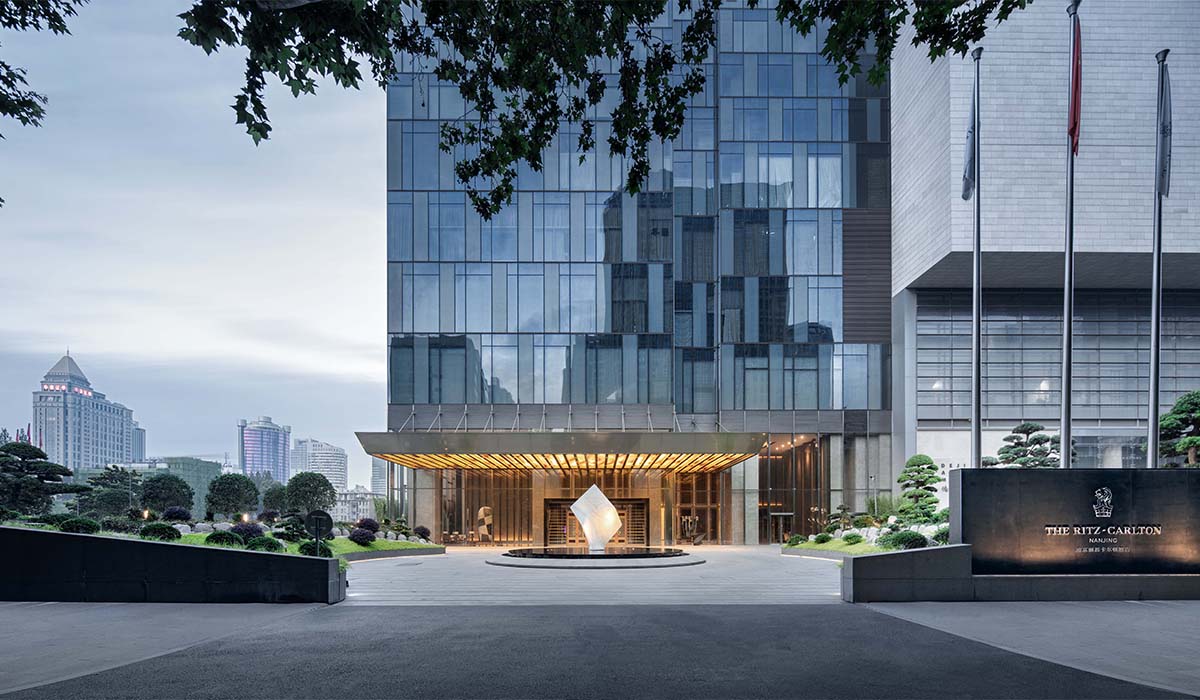
Interview with Mr. Alex Wang Shifeng, General Manager of The Ritz-Carlton, Nanjing
Mr. Alex Wang Shifeng was appointed as General Manager of The Ritz-Carlton, Nanjing in May 2023, overseeing hotel operations and leading the team in the pursuit of service excellence. With over 15 years of experience with The Ritz-Carlton brand, Mr. Wang has accumulated extensive expertise in luxury hospitality management. He joined The Ritz-Carlton, Sanya Yalong Bay in 2008 as a Villa Butler and was promoted to Director of Villas in 2012, followed by his appointment as Director of Rooms at The Ritz-Carlton, Chengdu. In 2015, he became the Executive Assistant Manager, Rooms, at The Ritz-Carlton, Beijing.
Throughout his career, Mr. Wang has contributed to the pre-opening of nine luxury Marriott hotels across cities such as Abu Dhabi, Shanghai, Beijing, Hong Kong, and Xi’an. He has also been recognized with accolades such as “Professional Gold Butler” and “Child Friendly Ambassador.”
Since the pre-opening phase of The Ritz-Carlton, Nanjing, Mr. Wang has been deeply involved, starting as the head of the Rooms Division, progressing to Hotel Manager, and ultimately becoming General Manager. He is committed to upholding The Ritz-Carlton Gold Standards, empowering his team, and inspiring the next generation of Chinese hoteliers to find passion in their work and lives. SpaChina interviewed Mr. Alex Wang.
Regarding the growing trend of health-focused development in the hotel industry, what do you think are the key factors driving this trend?
The hospitality industry is undergoing a profound transformation, with health-oriented development becoming a significant trend. The rise of this trend is not accidental and is influenced by many factors. There are changes in market needs. With the improvement of living standards and the popularization of health concepts, consumers’ demand for health, safety, and environmental protection is increasingly strong, and they tend to prefer hotels that can provide a healthy environment, green facilities, and personalized services. There is also greater policy support and guidance. The government promotes the healthy development of the hotel industry by formulating relevant policies, providing tax incentives, and strengthening industry regulation. Also the application of intelligent technology. With the wide application of artificial intelligence and big data, the hotel industry will rely more on technology to provide more personalized services. The popularity of smart rooms, unmanned front desks, and self-check-in technologies not only enhances customer experience but also improves operational efficiency. And finally the popularization of green and eco-friendly concepts. Environmental protection and sustainability have become the global consensus. The hotel industry will also pay more attention to green buildings, energy saving and emission reduction, waste recycling, and sustainable supply chain management. Future hotels should not only provide guests with a comfortable accommodation environment but also take responsibility for the earth, becoming a model of green and sustainable development.
Do you think the health trend will reshape the hotel industry, especially in the luxury hotel sector? What challenges might hotels face in adapting to this trend?
The health trend will undoubtedly reshape the hotel industry, especially in the luxury hotel sector. Luxury hotels have always aimed to provide high-quality services and experiences, and the integration of health concepts will further enhance their competitiveness. For example, by implementing measures such as smart temperature control and reducing the use of single-use plastics, luxury hotels not only lower operational costs but also improve their brand image, attracting more consumers who prioritize environmental protection. Additionally, by introducing mobile apps, digital room keys, and contactless payment technologies, luxury hotels enhance service efficiency and security. Smart room controls enabled by the Internet of Things allow guests to easily adjust room temperature, lighting, and other elements, improving living comfort.
Of course, hotels face some challenges while adapting to this trend. For instance, sustainable development and the use of high technology require significant investment, and hotels need to find a balance between cost and benefits. Furthermore, hotels must also train their staff to provide professional services.
How does The Ritz-Carlton, Nanjing incorporate health-focused concepts to meet the needs of health-conscious travelers? What unique benefits can guests enjoy?
The Ritz-Carlton, Nanjing successfully integrates the concept of health into guests’ accommodation experience by offering a meticulously designed environment, diverse healthy dining options, an advanced fitness center, and an indoor heated pool for daily exercise and relaxation. Additionally, it provides a rich array of cultural activities that make it an ideal choice for health-conscious travelers. Guests can relax both physically and mentally, enjoy delicious food while maintaining a healthy lifestyle. They can also delve deep into Nanjing’s history and culture, and even experience traditional crafts firsthand, adding depth and fun to their travel experience.
How do you drive service innovation to meet the ever-changing needs of guests? Could you share examples of innovative initiatives introduced at The Ritz-Carlton, Nanjing?
The Ritz-Carlton, Nanjing, continuously drives service innovation to meet the ever-changing needs of its guests through a variety of initiatives. These include introducing high-end spa brands that blend with local cultural elements, focusing on sustainable development, offering unique cultural experiences, and paying attention to the needs of families and children. Specific examples include:
1. The hotel regularly hosts spa salons and other events where guests can experience special products and share skincare knowledge. By integrating local cultural elements, the hotel’s spa center has developed several innovative facial and wellness treatments, such as the Lotus Purification Facial and the Yuhua Stone Therapy. These treatments incorporate natural elements and cultural characteristics of the region, providing guests with a unique relaxation experience.
2. The hotel offers a “Splendor of Jinling Experience Tour,” which allows guests to explore the historical origins of brocade at the Jiangning Brocade Museum and participate in hands-on brocade crafting activities. This experience, combining local traditional craftsmanship, enriches guests’ cultural lives and promotes the heritage of traditional handicrafts.
3. The “Ritz Kids Wilderness Adventure Night” activity is designed to provide families with an opportunity to explore the historical, cultural, and natural landscapes of the ancient capital, Jinling, together with their children, creating unforgettable memories.
4. With the rise of ESG (Environmental, Social, and Governance) principles, the Ritz-Carlton, Nanjing has incorporated sustainable development into its corporate strategy. The hotel commissioned the Tersus Technology team to conduct energy consumption surveys and research, and based on energy conservation regulations and standards, scientifically and reasonably assessed the energy consumption of various processes. By implementing comprehensive energy-saving solutions, the hotel reduces over a thousand tons of carbon dioxide emissions annually and saves tens of thousands of yuan in energy costs.
What distinguishes the Chinese hotel industry in the global luxury market? What unique operational considerations come with managing a luxury hotel in China?
China boasts a long history and rich culture, which provide abundant inspiration and resources for the development of luxury hotels in the country. This is precisely what sets us apart from other markets.
Firstly, in terms of design, The Ritz-Carlton, Nanjing is not merely a hotel but also an art gallery that houses work by numerous renowned Chinese and international artists. The fusion of Western art displayed in public areas and traditional Eastern art within guest rooms showcases the clever blend of Eastern aesthetics and Western classics, presenting guests with an elegant and harmonious charm of both ancient and modern worlds.
Our culinary team has crafted unique dining experiences, including the Lavandula buffet restaurant brimming with authentic Provencal flair, the Emperor Cantonese Restaurant paying tribute to classic Cantonese cuisine, and Pinning Mansion telling the stories of the Jiangnan region. These offerings allow guests to experience the cultural charm of Nanjing and the Jiangnan area through their taste buds. We also regularly organize various cultural activities to better showcase the local culture to our guests.
In China’s luxury hotels, guests have a strong desire for local culture and high expectations for service quality. Hotels need to seamlessly integrate local culture into the guest experience, providing a more personalized and thoughtful service that immerses guests in the destination’s cultural impact.
What challenges will luxury hotels face in China in the future? How can these challenges be effectively addressed? How do government policies or market dynamics impact hotel operations in China?
In the future, luxury hotels in China will face challenges such as intensified market competition, changing consumer demands, and economic fluctuations. As more luxury hotel brands enter the Chinese market, competition will become even fiercer. Modern consumers are also paying more attention to personalized experiences and high-quality services. They expect hotels to be not just places to stay but spaces that offer unique experiences and cultural atmospheres. The uncertainty of the global economy may impact the high-end consumer market, thereby affecting the performance of luxury hotels. All these will be challenges we face. To effectively address these challenges, we need to attract customers by introducing unique cultural elements and innovative service methods; use advanced management tools and technologies to improve operational efficiency and reduce costs; continuously strengthen brand image, establish a loyal customer base through high-quality services and unique brand stories; and adjust marketing and service strategies in a timely manner according to market changes to meet the needs of different customers. A series of supportive policies introduced by the government will help promote the development of the tourism industry, thereby driving growth in the hotel sector. For example, policies encouraging the development of cultural tourism can increase the hotel’s customer base. Additionally, market demand, technological advancements, and sustainable development are all factors that cannot be ignored.
What are your strategies for motivating and empowering your team, especially in upholding the legendary service standards of The Ritz-Carlton?
At The Ritz-Carlton, Credo is our compass, and our Ladies and Gentlemen are the most important resource in our guest service. I adhere to a people-centric approach, respecting and understanding the individuality and values of each employee. In my leadership philosophy, I place greater emphasis on teamwork and innovative thinking, adjusting management strategies according to the needs and circumstances of the team to continuously adapt to changing environments and challenges. Of course, timely recognition and rewards are also crucial, as they can stimulate creativity and enthusiasm among employees.
In terms of motivation and empowerment, “empowerment” has always been a principle I firmly uphold. Every guest who arrives at the hotel is an independent individual with unique needs. By empowering each lady and gentleman, we enable them to confidently approach guests, understand their needs, and provide the most personalized service.
As a Marriott opening trainer and an experienced hotelier, what advice would you give to young professionals seeking to successfully develop their careers in the luxury hotel industry?
Firstly, one must have a passion for the hotel industry and be enthusiastic about service. Without passion, it is difficult to achieve success. Secondly, continuously learning and improving professional skills and knowledge, as well as accumulating practical experience, are indispensable parts of a career in hotel management. Practical experience can be gained through internships, part-time jobs, etc., understanding various aspects of hotel operations and laying a foundation for future career development. Additionally, when formulating a career plan, it is necessary to balance short-term and long-term goals. Short-term goals could include improving a certain skill or completing a specific project; long-term goals might involve becoming a senior manager in the hotel industry or starting your own hotel brand. By setting clear short-term and long-term goals, you can direct your career development.
What values or principles do you uphold in balancing professional responsibilities and personal health?
Balancing direct responsibilities and personal health is an ongoing but non-conflicting process. While pursuing career achievements, it’s also important to focus on physical and mental well-being and manage work and rest time effectively. Personally, I maintain a healthy diet and regularly engage in physical exercises such as golf and soccer. These activities not only help me recharge physically but also enhance my work efficiency. Additionally, constantly urging myself to learn and progress by attending industry seminars allows me to self-improve while gaining a sense of accomplishment. Most importantly, the support and understanding from family members provide me with continuous motivation, helping me balance my career and personal life.