Category: Interview

  • The Ritz-Carlton, Chengdu

    The Ritz-Carlton, Chengdu

    Interview with Mr. Vito Romeo, General Manager of The Ritz-Carlton, Chengdu

    With nearly 30 years’ professional experience in luxury hospitality industry, Italian hotelier Mr. Vito Romeo was appointed General Manager of The Ritz-Carlton, Chengdu in June 2016, responsible for all hotel operations, management, training and strategies.

    Having gained a degree in Hospitality Management from the Institut Paul Bocuse in Lyon, France, Mr. Romeo first ventured to Asia in 2008, joining Shangri-La Hotels and Resorts as executive assistant F&B manager at the Aberdeen Marina Club in Hong Kong, and remained with the group as resident manager of the Shangri-La Beijing, before stints as general manager of Shangri-La Vancouver, and most recently Shangri-La Bosphorous, Istanbul.

    Fluent in three languages, Mr. Romeo has a particular passion for food & beverage, and he has had close working relationships with legendary chefs Alain Ducasse and Joel Robuchon.

    In 2006 he was appointed resident manager of the Hotel Metropole Monte-Carlo, a Leading Hotel of the World.

    “I’m now delighted to return to China, joining The Ritz-Carlton’s vanguard property in the hub of the fast-growing south-west,” he told SpaChina. On the topic of Chengdu, SpaChina interviewed this special GM, who in his spare time enjoys golf, cooking and collecting cookbooks by famous international chefs.

    Since moving to Chengdu, have you explored the city at all? What is your impression of Chengdu?

    So far I haven’t had enough time for traveling around and sightseeing, but I have truly discovered the city itself. Rather than some tourist spots, I personally prefer those places frequented by locals. If you have the same interests as me, I will suggest you go to People’s Park, where you can see an aged grandma practicing her catwalk strut, a grandpa singing songs from the Sichuan Opera, stylish youths drink Starbucks, people playing mahjong in the tea house, and kids exploring the newest iPhone game. It is just like a microcosm of the sophisticated city – modern mixed with tradition, in a laid-back lifestyle.

    Compared with other places you have worked and lived in, what makes Chengdu different?

    Unlike those giant cities, Chengdu has its unique characteristics and charm. People here are open, friendly, tolerant and really know how to enjoy the real good life with the best of what’s available. On the other hand, with areas of outstanding natural beauty located nearby, Jiuzhai Valley and the Panda Sanctuary for example, the international stature of Chengdu continues to grow and command the interest of the global traveler. The city of 15 million was also named by Forbes as one of the world’s fastest-growing cities, and cited by UNESCO as the first “City of Gastronomy” in Asia, for its fiery Sichuan cuisine.

    How about Sichuan food? As a real F&B professional, have you visited the local food market? What food places have you been to?

    I like Chengdu food. I come from the south of Italy, the Calabria region, where we eat spicy and we have many spicy dishes in Chengdu that sometimes make me feel at home. My wife and I love going to the local food market. We think it is the best place to discover the true nature of a city. We can find out what people like to eat or what their favorite ingredients are in different seasons, and even meet some passionate food lovers. I can eat most of the Chengdu dishes now, but hotpot is still a bit of a challenge for me, especially those authentic ones on the street. The first few bites are okay, but the soup is cooked in a way that it becomes more concentrated, then I cannot appreciate much. But I do enjoy the whole atmosphere, with people sitting around the boiling pot. It is a very intriguing experience.

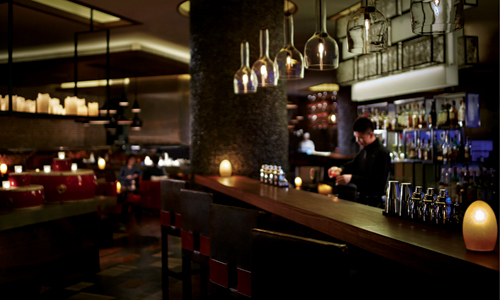
    Your hotel hosted the SpaChina Summit and Awards in 2014, and we all had a deep impression of FLAIR. Who are the main customers of this bar and what kind of lifestyle are they looking for from FLAIR?

    FLAIR is regarded as the site of the most modern nightlife in town. As you saw last time, we serve a wide selection of the best beverages from all over the world. We have over 550 different types of wine, champagne and whisky in our cellar; a talented bartender offering hand-crafted beverages and a chef preparing authentic Asian food selections; various live DJ performances and themed parties, in addition to a relaxed yet refined ambience and high-quality and knowledgeable service. The customers are around 10% in-house guests, and the rest mostly local business elites in their 30s and 40s.

    How important do you think a spa is to a hotel? How is The Ritz-Carlton Spa doing?

    Spa is an indispensable part of the entire Ritz-Carlton experience, and its importance cannot be measured by revenue figures only. We want to develop our spa to be a place where our guests are comfortable and relaxed, and where they can experience physical and spiritual rejuvenation. Furthermore, we also create some unique therapies for our guests to feel a sense of place.

    If I could only recommend one, I would definitely say our “Tea Journey” massage, which is our signature treatment inspired from the ancient Silk Road and unique Chengdu tea culture. The tea theme is infused throughout the whole treatment, including an elegant welcome ritual incorporating colorful crystal shards, soaked local tea leaves, followed by a rejuvenating tea bath, tea powder scrub, and tea oil massage for total relaxation.

    Do you have any new plans for The Ritz-Carlton, Chengdu? What goals are you setting for the year 2017?

    We just celebrated our third anniversary in October, and now I would say it is the best time for the hotel. We still maintain the updated and well-equipped hardware from the opening, and our ladies and gentlemen are as passionate and energetic on the job as ever and provide the same genuine care for our guests. In addition, compared with the opening period, they are more experienced, skillful and mature after three years of continuous learning and growth. For next year, all our new plans and initiatives have the same objective, to continuously create personal and exceptional RC memories.

  • 丽思在成都

    丽思在成都

    访成都富力丽思卡尔顿酒店总经理罗密欧先生

    在奢华酒店行业拥有近30年的专业经验,来自意大利的酒店管理人士罗密欧先生于2016年6月起担任成都富力丽思卡尔顿酒店的总经理,统管酒店各方面工作。

    持有法国里昂保罗·博古斯酒店与厨艺学院的酒店管理学位的罗密欧先生,此前于2008年起在香格里拉酒店集团旗下的香港深湾游艇俱乐部任餐饮行政助理经理,随后在北京香格里拉饭店担任驻店经理。此后跃升为温哥华香格里拉大酒店的总经理,并曾担任伊斯坦布尔博斯普鲁斯香格里拉大酒店总经理。

    精通三国语言,对餐饮领域尤为热忱的他,曾与艾伦·杜卡斯先生及乔尔·侯布匈先生这两位传奇大厨紧密合作。

    他于2006年被任命为“全球酒店联盟”成员——蒙特卡洛大都会酒店的驻店经理。“我很荣幸能有机会重返中国工作,并且加入丽思卡尔顿酒店集团在中国高速发展的西南地区的奢华标杆——成都富力丽思卡尔顿酒店。”罗密欧先生告诉SpaChina。SpaChina就“成都“这个话题采访了这位业余时间喜欢打高尔夫球、烹饪,并收集世界顶级名厨的烹饪书籍的总经理。

    罗密欧先生您好,想知道您来到成都后,去过哪些地方?这些地方给您留下什么印象?

    到目前为止,我还没有很多的机会去到成都周边的景点游览。但成都市区内,我还是进行了一番深入探索。相比于那些热门景点,我个人更偏好成都本地人爱去的地方。如果你和我有着共同的兴趣,我强烈推荐你们去参观成都的人民公园——成都生活方式的缩影。人们在那里安逸地享受城市特有的慢生活,时尚和传统原本相悖的两个词在这里却出人意料地相得益彰。公园里,你可以同时看到唱着川剧的老爷爷和旁边走着猫步的老妈妈,衣着入时的年轻人手拿星巴克咖啡打麻将,小孩子在传统的茶馆里玩着最新兴的手机等。

    与您之前工作过的中国的其他地方相比,您觉得成都有什么不同?

    不同于某些特大城市的千篇一律,成都是个有着特别城市属性的魅力之城。 居住在这儿的人们开放,友好,包容并深谙如何乐享最好的品质生活。另一方面,成都周边的丰富旅游资源、自然文化遗产如九寨沟、大熊猫繁育基地等,让成都蜚声国际,吸引全球旅客纷至沓来。《财富》杂志将成都评为世界范围内发展最快的城市之一;联合国教科文组织授予成都“美食之都”的称号,这是亚洲地区首个获此殊荣的城市。

    您怎么看四川菜?因为您是一个真正的餐饮专家, 我想知道您有没有去过本地的菜场?或者任何有趣的吃东西的地方?想听听这些故事。

    我喜欢成都菜。它的口味,其实和我家乡——意大利南部卡拉布里亚大区的那些嗜辣的菜肴,有着许多异曲同工之妙。成都美食中那份似曾相识的熟悉感,时而让现在身处异乡的我,产生并未离家的错觉。我和我老婆都喜欢本地的菜市场,常常去那儿寻找这个城市最自然时令的口味。并通过观察成都人在不同节气的食材偏好,来了解他们的饮食习惯。有时,还会在那儿遇到和我们一样来自异域的美食爱好者。我乐于尝试绝大多数的成都菜肴,唯有火锅仍是一个挑战,特别是那些正宗的街边小店。我其实很喜欢和享受一桌人齐聚在热炉旁边,边涮菜边聊天的热闹氛围。但每每宴席到中场,锅底经过煮沸浓缩越发稠郁后,我就很难继续一边捞菜一边谈笑风生了,因为我必须喝好多的水来冲淡辣味。不过总的来说,是非常有趣而特别的就餐体验。

    酒店曾在2014年成功举办了SpaChina峰会和颁奖礼,对FLAIR印象深刻,这个酒吧目前的客人主要是什么群体? 他们要的是什么样的生活方式?

    FLAIR可谓是成都摩登夜生活的一个标志。正像你们上次看到的那样,我们在酒窖里提供来自全世界的550种精选酒水,其中包含了葡萄酒,香槟和威士忌。此外,FLAIR还提供调酒师现场调制的鸡尾酒,酒店大厨精品制作的亚洲美食,现场DJ带来的活力表演和定期举行潮流主题派对。在我们的客人中,大概有约一成是酒店的住店客人,其它大部份是本地的70,80后的商界精英。

    您怎么看一个SPA对酒店的重要性?什么疗程您觉得是最值得推荐的?

    水疗绝对是丽思卡尔顿体验中不可或缺的一个部份,它的重要性也绝不能仅靠其经营收益占比来衡量。我们希望水疗是一个可以为我们的客人带来完全的舒适,放松感,并且身心焕发活力的一个地方。我们特别设计了一些独特而具有本地特色的项目,希望可以让客人们足不出户,也可用水疗这个特别的方式,感受本地文化。

    如果我只可以推荐一款水疗项目的话,那一定是我们的“茶旅”项目了。我们的这款明星产品的灵感来源于古代丝绸之路和起源于那时的成都独特茶文化。“茶”这个主题贯穿在整个水疗体验当中,其中包括用七彩水晶石混合本地茶叶的足部欢迎礼,焕发活力的茶浴,茶粉磨沙和茶精油按摩等,是一个一脉相承贯穿始终的轻松宁神体验。

    您上任后,对酒店的发展有什么新的计划?2017年有什么目标希望达成?

    我们在去年十月庆祝了酒店的三周年店庆,我觉得现在正是酒店的最佳状态。这时的成都丽思卡尔顿酒店拥有和酒店开业时一样最与时俱进的硬件设施,而在软件上,我们的绅士淑女们除了饱有一如既往的热情周到,真诚关怀以外,通过三年的学习成长,正变得更加技艺娴熟并饱有经验。对于新的一年,我和我的绅士淑女们当然也都有着新的展望,目标和计划,但主旨都是一样的:为我们的客人创造卓越而个性化的丽思卡尔顿回忆。

  • MI XUN and The Temple House

    MI XUN and The Temple House

    Interview with Mr. Kurt Macher, General Manager of The Temple House

    The Temple House, a beautiful boutique hotel in a heritage setting, has a modern design in one of the best locations in Chengdu – within the prestigious Sino Ocean Tai Koo Li development. With the largest modern guest rooms in the city, it has spacious luxury residences, interesting gastronomic concepts, unique event spaces, holistic wellness and spa offerings, and an art gallery and library in the Biteshi Heritage building. The well-trained staff also deliver personalized yet understated service.

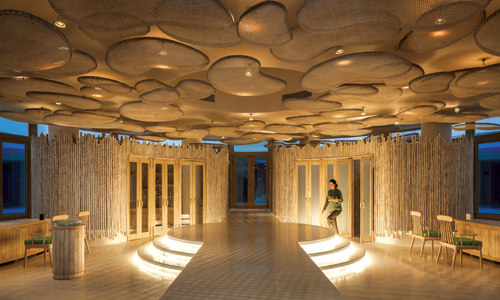
    MI XUN, is built within a historic Qing Dynasty courtyard and its philosophy relates to the development stages of a plant – the process of growth, maturing to its full potential, curation (classification) and finally ongoing sustenance and nurturing. Each stage of the plant’s development relates to one of the spaces in the spa – the treatment rooms, the ‘breathing space’, retail area and café.

    “We were extremely fortunate to have two beautiful heritage buildings that we could bring back to life with new uses,” said Kurt. “The southern courtyard is designed to be more public with the retail and café functions and the northern courtyard is the tranquil spa retreat with treatment rooms. These two courtyards are separated by a ‘breathing space’, which allows guests to physically disconnect from the bustle of the city before entering into the treatment area.”

    An Austrian native, Mr. Macher has over 26 years of experience in luxury hospitality. Prior to joining Swire Hotels, Kurt was the Group Director of Projects & Rooms for Marco Polo Hotels in Hong Kong. He has also held leadership roles with The Four Seasons Hotels Group and The Peninsula Hotels Group.

    A graduate from the College of Tourism & Leisure Industry Bad Gleichenberg in Austria, Kurt started his career in the F&B division at The Suvretta House in St. Moritz, Switzerland. His career has taken him all over the world: including Switzerland, France, Canada, UAE, the Caribbean, USA, Singapore, and Hong Kong. He joined Swire Hotels in July 2016 as the General Manager of The Temple House, Chengdu.

    On his first visit to Chengdu in 2015, the first thing Kurt noticed was the overall order and cleanliness of the city. “I was also highly impressed by how welcoming and friendly people from Chengdu are. Chengdu, unlike other major metropolises across the globe, has a subtle, almost relaxed pace that I find quite unique. People in Chengdu live and work in a major cosmopolitan city, yet know how to disconnect from the fast pace to really enjoy what the city has to offer.”

    “I love the blend of history, culture, and easy outdoor lifestyle that Chengdu offers,” he added. “It is an emerging city with strong year on year growth, and more international companies and consulates setting up operations here.”

    Here are some excerpts from SpaChina’s interview with Kurt Macher:

    What is your guest profile and why do they choose The Temple House?

    Ninety percent of our guests are from China, with the rest coming mainly from Europe and the USA. Most of our guests are discerning high-end leisure guests that stay 2 – 4 days in our urban resort and spend between 7,000 – 12,000 RMB across accommodation, dining and wellness.

    Our guests choose our House to enjoy an authentic Chengdu experience, in understated residential luxury that feels unique yet familiar.

    Apart from the unique design of our hotel, and award-winning MI XUN spa, one reason we hear for guests coming back to stay with us is our stellar House team. We welcome guests to our House with the warmth and sincerity that we would normally reserve for our closest friends and family. We do not wear nametags because we interact with guests in a personalized manner, and go above and beyond to make your stay with us memorable.

    As an expert General Manager, how do you find working with the local team?

    When I was appointed as the General Manager of the Temple House, I was worried that my inability to speak Chinese would hamper my ability to effectively communicate with the team. However, my local team have a positive can-do attitude, are incredibly curious, and are dedicated to working with me to making our House a success. In a very short space of time, I believe we have very effective two-way communication and are working as one to raise the levels of service in the hotel even further, and driving tangible business results.

    One of the key advantages of managing a Swire Hotel is that we have a clear brand philosophy based on understated luxury. Because of this, we have interest not only from guests, but also potential staffs who have an affinity to the House Collective brand. In terms of management style, I am a very hands-on GM and believe in motivating my team by example. While I do have high expectations, I believe in running a fair and transparent operation, and always empower my staff to achieve success.

    How do you see the business competition in Chengdu?

    As one of the fastest growing tier two Chinese cities, Chengdu is currently seeing an oversupply of large international hotel brands, with more hotel chains entering the market. In order to be noticed in this competitive landscape, hotels have to provide guests with a unique product, exclusive offerings and ultimately, a memorable experience. Our young House has not yet risen to its full potential, and exciting times lie ahead for us. We will continue to enhance our wellness and gastronomy offerings, to establish our House as one of the best urban resorts in China. We will continue to partner with high-end luxury brands (such as Cartier and Lanvin), artists and influencers to create atelier experiences for our guests.

    We also want to rediscover forgotten Chinese traditions and art. Through our specially curated library of 1000 Chinese and 1000 English books, we also hope to connect with people via engaging literary content. Creating unforgettable experiences is at the core of our DNA. We invite everyone to stay with us to experience a new era in understated luxury hospitality.

    How do you see the importance of the spa as part of a luxury hotel or resort?

    Having a holistic spa and wellness offering is integral to the identity of The Temple House. As a luxury urban resort, our MI XUN Spa offers guests a unique oasis in the heart of bustling Chengdu. We believe that a great spa is a combination of the tranquil spa environment, the expertise of the therapists, as well as the latest innovations in spa treatment technology and products. On average, 40% of our spa clientele are hotel guests, with the majority being leisure travelers.

    What is your signature treatment at Mi Xun Spa?

    We promote a lifestyle of wellness by adopting natural spa remedies, nutritional cuisine and bespoke treatments. The spa menu offers high performance elements that are results driven. Exclusive to MI XUN Spa, is our range of Mesoestetic facials. Their scientific approach to anti-ageing has resulted in the creation of highly effective skin correcting, balancing, illuminating, and rejuvenating products that turns back the signs of ageing.

    Gentlemen can choose from a full range of treatments to ensure he looks groomed from head-to-toe. This begins with the haircut, precision cutting and styling at its finest from our top barber. We offer a consultation, prep the skin with hot aromatic towel, and use a traditional bristle brush to lift the stubble before the commencement of the cleanest possible wet shave. Our in-house post-shave treatment involves the application of a soothing and calming post-shave balm and protective moisturizing facial. To ensure that you look dapper from head to toe when you walk out of MI XUN, your shoes will be sent off for the perfect shoeshine and returned by the time your treatment is done. Our Barber uses British Men’s skincare range, Refinery.

  • 博舍与谧寻水疗

    博舍与谧寻水疗

    访博舍总经理Kurt Macher先生

    坐落于成都远洋太古里历史建筑群中的豪华风尚酒店——博舍,糅合传统与现代之美,打造难以忘怀的下榻体验。博舍拥有市内面积最大的现代客房和住宅式公寓,并提供创意美食体验、独特的会议活动空间以及全面的养生和水疗服务。位于大慈寺中的画廊和图书室平添浪漫艺术气息;专业热情、训练有素的员工为客人奉上低调奢华且时尚的个性化服务。

    谧寻水疗坐落于一幢清朝历史建筑中的清幽庭院,设计灵感来源于植物的生命发展过程——生长、成熟、分类和提供持续滋养。水疗区域内的每一项硬件设施都对应着植物发展的不同阶段,如理疗室、休憩区、零售店和咖啡厅等。

    “很幸运,我们可以将两座华美的历史建筑重新投入使用。南院设有零售店和咖啡厅,偏于社交;北院则是静谧的疗程体验区,拥有数间理疗室。两院之间是绿意葱蓉的休憩空间,疗程前可于此平复身心。”Kurt  Macher先生如是说道。

    Kurt来自于奥地利,拥有超过26年的高端酒店管理经验。加入太古酒店前,Kurt曾担任香港马克孛罗酒店集团项目及房务总监。也曾在四季酒店集团和半岛酒店集团担任管理层。

    从奥地利巴特格莱兴贝格旅游与休闲产业学院毕业之后,Kurt选择在瑞士圣莫里茨的苏维塔之家酒店餐饮部开始了其酒店业仕途。这份职业使他有机会环游全世界,包括瑞士、法国、加拿大、阿拉伯联合酋长国、加勒比、美国、新加坡、以及香港。Kurt于2016年7月加入太古集团,担任成都博舍酒店总经理一职。

    去年十月Kurt首次来到成都,当下就被这里井然有序的城市面貌和清洁的环境吸引。“成都人热情好客、真诚友善的个性也给我留下了深刻印象。它和世界上其他大都市不一样,这里流淌着一股微妙的闲适感,十分特别。同为生活、工作在大都市的现代人,成都人却知道如何逃离快节奏带来的紧迫感,转而细细品味生活中的每一处美好”。Kurt说他最喜欢的当地菜是四川麻婆豆腐。

    “我热爱成都的历史、文化积淀和闲适的户外生活。近年来,成都高速发展,许多国际大型企业和各国领事馆纷纷入驻。”

    SpaChina由此采访Kurt Macher先生,为我们分享成都的酒店业发展现状以及更多成都故事。

    博舍的客人主要是哪些人群?他们为什么会选择博舍?

    我们90%的客人是中国人,其余的主要来自欧洲和美国。绝大多数客人是追求休闲体验、眼光独到的高端消费人群,通常入住2-4天,在住宿、餐饮、养生上的平均花费为7000-12000元人民币。

    客人们选择博舍的原因是,我们致力于在低调奢华的氛围里为他们提供纯正的成都体验,以及别具一格又温暖亲切的住宿感受。

    从客人的反馈得知,除了独特的酒店设计和屡获殊荣的谧寻水疗,还有一大吸引他们反复光顾的原因是我们一流的服务团队。我们像接待挚友和亲人一样真诚地对待每一位客人。我们不戴姓名标牌,以便与客人们进行更亲密的互动交流,为其打造难忘的回忆。

    作为一位外籍总经理,您怎么看您的本地员工队伍?

    被任命为博舍总经理时,我有点担心因为不会说中文而妨碍我与团队成员的有效沟通。不过很快我就发现,员工们非常积极进取,并充满探索精神,我们一同合作,致力于将博舍打造得更加完美。现在我们能很好地进行双向沟通,同心协力不断提升酒店的服务水准,促进酒店业绩的发展。

    管理太古集团的一大有利条件是,我们的酒店具有非常明确的品牌定位,即以传递低调奢华的体验为核心理念。我们的拥戴者不仅有众多住店客人,还包括一大批潜在员工,他们被House Collective品牌吸引,希望加入我们的团队。

    我的管理风格是亲自动手,希望以身作则为团队做出榜样。同时,我坚持公平、透明的管理,并激励员工在事业上长足发展,取得成功。

    成都有很多五星酒店,您怎么看酒店行业的竞争?

    作为当今中国发展最迅速的二线城市之一,成都迎来了众多国际酒店品牌的入驻。为了在激烈的市场竞争中脱颖而出,酒店必须极力为客人提供别具一格的产品、服务以及难以忘怀的住宿体验。成都博舍开业不久,还未释放其全部潜力,尚有许多发展空间。我们将进一步推进养生和餐饮板块,使博舍成为中国最优质的城市度假村之一;并继续加强与高端奢侈品牌(如卡地亚和朗万)、以及艺术家和名人的合作,提升客人在入住期间的艺术体验。

    我们还希望能够重现遗失的中国传统与艺术文化。博舍图书管里收藏着1000本中文和1000本英文书籍,旨在引领客人们进入浪漫的文学世界。

    博舍品牌的核心便是为客人打造难以忘怀的记忆。我们诚邀每一位客人与我们一同体验新时代下低奢之内涵。

    Spa对于酒店和度假村有多重要?

    对于博舍来说,全面的水疗和养生服务是酒店至关重要的一部分。作为奢华型城市度假酒店,博舍谧寻水疗在喧闹的成都中心开辟了一块大隐于市的静谧绿洲。我们坚信一家好的水疗中心必然融合了清幽怡人的环境、技艺高超的理疗师以及最新研发的产品和疗程。谧寻的客人中大约40%是住店客人,大多数为休闲型旅行者。

    请介绍一个谧寻水疗的经典疗程。

    我们将天然的水疗产品、营养膳食与定制型疗程相结合,全面提升养生体验。水疗菜单囊括一系列卓富成效的养生元素。

    美斯蒂克面部护理系列是谧寻水疗最具特色的疗程之一。美斯蒂克采用科学方法攻克肌肤衰老难关,研发出一系列具有修复、平衡、亮白、焕活效果的产品,逆转肌龄,抹去肌肤岁月痕迹。

    我们为绅士特别设计一系列护理体验。一对一私人问询后,以理发开始,顶级发型师带来精密的手法和完美的造型设计。随后,香薰毛巾热敷肌肤,传统鬃毛刷打理胡茬,湿刮彻底洁净面部;剃刮之后,涂抹舒缓的软膏,进行滋润补水的面部护理。为了保证货真价实的从头到脚焕然一新,接受护理期间,绅士的鞋子将被送去进行擦亮和保养,并在护理结束时及时送回。绅士护理中采用英国雅容玛香薰之家男士护肤系列Refinery的产品。

  • Six Senses Qing Cheng Mountain

    Six Senses Qing Cheng Mountain

    Interview with Mr. Manish Puri, General Manager of Six Senses Qing Cheng Mountain

    Mr. Manish Puri joined Six Senses Qing Cheng Mountain as General Manager in November 2015. In his current role, he oversees all the operations and affairs of the retreat.

    Manish has been part of the Six Senses family since 2008. He began his Six Senses career as general manager with the opening of Evason Ma’in Hot Springs and Six Senses Spa in the Kingdom of Jordan. This was followed by five years in Thailand where he served as general manager of the award-winning Six Senses Yao Noi. Manish brings with him the varied experience of 23 years in the hospitality industry.

    He started his hotel career as a management trainee in the Oberoi School of Hotel Management and worked in various food & beverage positions within the Oberoi group. His second appointment was opening the legendary Burj Al Arab in Dubai as private dining manager where he established dining standards for all suite guests, which included royalty, entertainment personalities and world leaders.

    Manish returned to India and accepted the invitation to open The Leela Palace Kempinski, Bangalore. He was mainly involved in concept designs for restaurants, bars and banqueting and was soon promoted to Food & Beverage Manager. Next, he joined the opening team at one of the largest hotels in the country, Grand Hyatt Mumbai. Following his successful posting in Mumbai, he headed north to New Delhi and took on the role of Executive Assistant Manager, Food & Beverage at The Imperial. He moved on to higher responsibilities at the Taj Hotels, Palaces and Resorts as Executive Assistant Manager.

    Under his leadership, Six Senses Spa at Six Senses Qing Cheng Mountain was the winner of Best Destination Spa of the Year by SpaChina Awards 2016. Here are excerpts from SpaChina Magazine’s interview with Mr. Manish Puri.

    Since you moved to Chengdu and Qing Cheng Mountain, what kind of impression do you have of both Chengdu city and Qing Cheng Mountain?

    Known as the birthplace of Taoism, Qing Cheng Mountain is such a natural jewel, the most peaceful and secluded mountain. Six Senses Qing Cheng Mountain was intentionally designed to step back in time to combine perfectly with the evergreen scenery, and the views of majestic mountains with ancient temples and traditional pagodas.

    Compared with the other places you have worked and lived, what are the differences of Chengdu or Qing Cheng Mountain?

    It’s such a delight to stay in a region which has four distinct seasons. One can feel a natural changeover of environment and landscape in all its beauty. China offers the world the heritage, customs and history of 6,000 years, and at the same time it keeps reminding you that this place is not only about the past, perfectly blending both to create a unique style and art. Qing Cheng Mountain is also a part of a UNESCO world heritage site which offers so much more value in experiences for our guests.

    As this is the first Six Senses property in China, could you introduce Six Senses briefly to our readers? What makes this brand unique?

    From its beginnings in 1995, Six Senses quickly became recognized as the hospitality industry’s pioneer of sustainable practices, demonstrating that responsibility can be successfully wedded to un-compromised high-end facilities. Six Senses Hotels Resorts Spas creates places in which to reconnect, in settings of incredible natural beauty together with exceptional guest experiences. Whether it be a Six Senses resort on a remote private island or a Six Senses Spa in an exciting urban setting, the touch-points are always decidedly the same. And while being part of the local fabric and culture, Six Senses is very much in tune with the wider world.

    Unique and personal encounters are crafted by a wealth of experts from diverse backgrounds, from visiting spa practitioners and celebrity chefs, to star gazers, marine biologists and even our own international panel of wellness professionals. These fascinating folk complement our dedicated hosts and help to establish the quintessence of Six Senses.

    At Six Senses Hotels Resorts Spas, sustainability is the hallmark of our bespoke approach to luxury. Sustainability ensures that we are preserving and conserving the local environment and culture/community where we are located and which make our guest experiences so memorable.

    What are the guests’ profiles of Six Senses Qing Cheng Mountain? What kind of experiences are they looking for?

    The guests at the resort are mainly from neighboring cities and towns of Sichuan who yearn for blue skies, open spaces and green environment, all this in a luxury setting with great food and service to complement. We also see increasingly guests coming from different parts of mainland China who come to relax and indulge themselves in wellness activities and spa treatments. The percentage of foreigners is low but increasing steadily due to the excitement of seeing the Pandas, climbing the much-renowned mountain, being part of the Sichuan culinary journey and living the Six Senses experience. The resort caters to both corporate guests coming for a group retreat and for tourists who come for relaxation or to be part of the many tourist experiences that are there on offer.

    Do you have any special room or spa package specially designed with the concept of Qing Cheng Mountain?

    We do have exclusively designed Chinese rituals based on Taoism to boost the body’s overall defense systems, cultivate radiance of spirit and restore balance to ensure positive health and longevity. We have designed a traditional Chinese treatment room to store more than 70 kinds Chinese herbal medicine. In additional, we have a traditional Chinese medicine doctor to guide guests and provide suggestions according to traditional Chinese medicine methods. We have also created an exclusive Tai Chi class at Puzhao temple taught by a Qing Cheng Tai Chi master, followed by a Zen tea ceremony and nutritious vegetarian breakfast served in Puzhao temple, which is unique and locally inspired.

    How important is spa service for the Six Senses Brand? Why? Could you explain it in detail? Please also introduce one of your favorite spa treatments.

    Yes, Spa and wellness treatments are very important to us and very much part of our core values and DNA. Spa is just part of the whole wellness idea we have. This wellness idea includes healthy eating through our nutritional guidelines, healthy living through our yogic, detox and sleep programs. Sleep health of our guests together with nutrition, movement, holistic therapies, mindfulness and smart technology that allows our experts to personalize wellness programs, are the core pillars of our innovative approach to heath – Six Senses integrated Wellness.

    The Oriental massage has the elements and holistic feel of a Swedish massage and some of the techniques of a traditional Thai massage. Great for jet-lag or a massage to revive oneself after a tiring week.

    Many luxury hotels report the spa business is not so good. What kind of problems are impacting the hotel spa business?

    The Spa as a concept and business model is not doing that well for the moment, yet there is no luxury hotel opening without one. This is because hotel companies realize the importance of health, wellness, and treatments in the immediate future. It will not be just luxury, but a necessity for healthy living. Spas like in Six Senses resorts are offering much more than just massages. We have a large base of wellness programs and initiatives that result in healthier living.