Category: Interview

  • 四季疗愈有新意

    四季疗愈有新意

    访四季酒店集团区域副总裁兼马尔代夫兰达吉拉瓦鲁四季度假酒店
    总经理Armando Kraenzlin先生

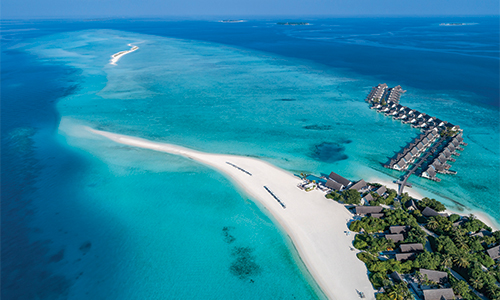
    兰达吉拉瓦鲁四季酒店坐落在马尔代夫北部较偏远的芭环礁,纯净的印度洋海水环绕,绿植密布的小岛上洋溢着自然原始的气息,真真一座与世隔绝的世外桃源。除了品牌一贯的奢华服务,兰达吉拉瓦鲁四季还引领着马尔代夫的健康潮流,这得益于酒店拥有一位崇尚养生与自然疗法,充满创意与实战经验的总经理——Armando Kraenzlin先生。

    加入四季之前,Kraenzlin先生曾辗转泰国、苏梅岛、新加坡、香港等地的酒店和餐饮行业。在苏梅岛的经历令他爱上了海岛。1999年,他正式任职雅加达四季酒店,负责开业筹备工作,一年后被派往库达呼拉岛四季酒店。2006年,Kraenzlin先生毅然决定离开马尔代夫,加入孟买四季的开业筹备工作。三年后,他再次回到心心念念的海岛,被任命为兰达吉拉瓦鲁四季酒店总经理。每到一个新的工作岗位,他都十分关注客人、员工、当地社区的需求。 他曾负责马尔代夫第一所职业训练项目,主导开启了马尔代夫四季珊瑚繁殖计划。SpaChina采访了这位资深酒店人。

    马尔代夫和泰国都是中国游客十分喜欢的目的地,这两个地方各有何特点?

    泰国带领游客深度探访东亚人文;马尔代夫提供的是与大自然、水下世界亲密接触的绝佳机会。

    兰达吉拉瓦鲁四季酒店共有多少间房间?请简单介绍给我们读者。

    坐落在天然谧境的兰达吉拉瓦鲁四季酒店共有103间茅草屋和别墅,坐落在沙滩、水上和隐蔽的丛林间。

    客人们可以在两千米的环礁湖里与乌龟、海豚、柠檬鲨共潜,每年6月至11月,还能遇到大批的蝠鲼。我们的水疗和阿育吠陀护理中心为寻求养生放松的客人提供了理想去处;着迷于海底世界的客人不要错过DeepFlight潜水艇的水下航程体验。此外,小岛所处的芭环礁是联合国教科文组织世界生物圈保护区,周围遍布着世界著名的绝佳潜水地。

    目前,我们有超过400位员工。

    造访兰达吉拉瓦鲁四季酒店的主要是哪些客人?他们是什么样的客户群体?

    我们的客人来自世界各地,大多数从欧洲、北美来,也有从中东和亚洲来的。前者的平均入住率为一周及以上,后者的平均入住率为4晚。

    客人中最常见的度蜜月的新婚夫妇和年轻夫妻,再就是多代亲子游(祖父母、父母、孩子)。男女客人比例差不多是1:1。

    客人们在规划整个行程时,是否对四季品牌和项目情有独钟?

    来度假村的客人都是对四季品牌青睐有加的,所以他们通常会同时入住我们在马尔代夫的两家度假村。兰达吉拉瓦鲁四季酒店和库达呼拉岛四季酒店之间仅相距35分钟的水上飞机航程。

    中国客人的潜力如何?他们在入住期间喜欢做什么?与其他国家的客人相比,有什么独特之处?

    中国是马尔代夫四季酒店的重要市场,并在持续增长中。

    中国客人很活跃,他们会尝试各种水上活动,如海钓、潜水。亲子活动在中国客人中也很受欢迎。另外,他们对度假村的环保项目很感兴趣,经常听我们海洋生物学家的讲解。在饮食方面,与其他国家的客人相比,中国客人绝对是“美食家”级别,如有可能,他们一定会尝遍各国佳肴,摩洛哥、黎巴嫩、印度、日本、意大利和泛亚洲美食等等。

    养生对于中国客人也是十分重要的一块,他们具有很强的健康意识,相信度假村推出的自然疗法将非常契合他们的需求,因此我们也不在不断对其进行推广,如阿育吠陀疗法、最新开放的瑜伽疗法中心、脉轮仪式、密宗传统等。高压繁忙的现代人能在这里收获真正的身心修养。

    近年来,我们成立了一组跨部门的中文服务团队,旨在进一步提升中国客人的入住体验。酒店前台会通过微信与中国客人建立连接,全天24小时提供服务。四季APP中亦设计了中文版面。

    马尔代夫有哪些养生新趋势?在度假村的日常运营中是否已有与之相关的体验?

    马尔代夫的最新养生趋势之一是“客座大师”项目,一些五星级奢华度假村会定期邀请不同领域的专家入驻,为客人带来别具匠心的服务体验。

    其实,兰达吉拉瓦鲁四季酒店自己就引领了许多马尔代夫的健康潮流。我们是第一个在马尔代夫推出抗重力瑜伽(AntiGravity)、

    瑜伽能量练习小径(Yoga Energy Trail)、帕奇卡玛排毒疗法(Panchakarma)的度假村。今年,又成立了瑜伽疗法中心,成为了全球第一家提供系统专业瑜伽疗法课程的度假村——我们与世界首家瑜伽大学S-VYASA合作,通过科学研究,针对不同的身心状况定制了一系列瑜伽项目。

    除了水疗和阿育吠陀护理中心外,四间餐厅均提供针对不同体格类型研发的阿育吠陀膳食菜单。

    您很积极地为度假村设计了各种养生活动套餐,为什么觉得养生体验重要?

    在如今这个时代,旅游和养生是分不开的。我们每天在忙碌中奔走,几乎没有时间来关注自己的健康。所以,当我们好不容易有了一个旅游放松的机会,自然会将个人健康与幸福改善提上日程。养生俨然成为了旅行中的关键部分。

    请介绍一下你们的特色瑜伽项目和经典水疗疗程。

    如上文提到,我们与世界第一所瑜伽大学,位于印度班加罗尔的S-VYASA携手,在度假村内开设了瑜伽疗法中心。每一节课程都针对某项身体状况或生活方式相关疾病而开发,包括压力管理、糖尿病治疗、脊椎治疗、甲状腺健康、男性健康、女性健康、上瘾症管理等。私人课程中,瑜伽大师会根据客人的身体状况和需求,教授其特定的呼吸方法和体式。这对于我们的水疗和阿育吠陀护理中心来说无疑是一个里程碑事件。

    至于水疗疗程,我个人最喜欢的是Eliakkizhi疗程,理疗师使用经药油中加热的草药与香料包,对客人进行全身按摩,可以有效缓解各类身体不适,如关节炎、坐骨神经痛、头痛等等。

    您在工作中的管理风格是怎样的?

    我坚信团队合作的力量,一个强大的、合作无间的团队会将每个挑战转变为成功的机遇。

    您在工作之余会做些什么?您是否是一位养生人士?

    我很喜欢瑜伽,崇尚自然疗法。在我看来,健康平衡的饮食、有规律的锻炼、内在与周围环境的积极能量,是幸福长寿的秘诀。假期时,我最喜欢去攀登喜马拉雅山。

  • Dance in Unity

    Dance in Unity

    An interview with Mr. Chavalit Frederick Tsao, Chairman of IMC Pan Asia Alliance Group; Founder of Octave Institute

    While everyone is talking about wellness today, Mr. Chavalit Frederick Tsao puts forth a new idea: “What is wellness? One word. Alignment. What is wellbeing? Freedom. Where do I derive this from? Taoism.” Based on this concept, he created Octave, a comprehensive platform of life experience.

    Chavalit Tsao, known as Fred, joined the family business – IMC Pan Asia Alliance Group – at the age of twenty after graduating from the University of Michigan with a master’s degree in Science and Engineering. In 1995, at the age of thirty-seven, he took over as Chairman of IMC Group. Under his stewardship, the traditional shipping company transformed into a multi-national conglomerate with diverse business interests. Fred believes that thriving, sustainable businesses can both serve human well-being and also create wealth.

    In terms of understanding issues of human development, Fred is deeply interested in the connection between Western science and traditional Chinese philosophy. In the emerging fields of quantum physics, evolutionary biology, neurophysiology, and consciousness research, he sees evidence of the interconnectedness and essential oneness of the world.

    Octave’s concept is the manifestation of Fred’s numerous years of research and contemplation. Octave is a unique blend of Eastern wisdom and Western science. It is a place that responds to societal needs for healing in all relationships and the fostering of a harmonious community. Octave is a platform for anyone seeking his/her possibilities. SpaChina interviewed Fred.

    How do you define holistic health?

    Health is always holistic. But I would like to put forth the Chinese perspective, and also validate it from the perspective of quantum science. This is what my advocacy is about. As I mentioned, wellness is an alignment process. And wellbeing is freedom. Where does it come from? The Taoism concept of the Way. The Way is the Way, so align to the Way. When you are aligned, your mind/body/spirit needs to do a particular practice. So your mind/body/spirit maintains good energy and evolving energy. Evolution is important because it is the way. So your life will be aligned to that. So all the Chinese culture supports this idea of the Tao, the Way. Do energy work to support your mind/body/spirit and live according to that in the correct way. And the correct way is not one way, because each one of us is unique. I might be able to drink five bottles of wine and be okay, but another person can drink one drop of wine and collapse. Our bodies are different, and more important, different at different times. You need to customize yourself. This is an alignment process. Aligning your mind body spirit of the internal reality to the external and make sure you are dancing. Only when we are dancing are we unified. It’s not balancing, it is aligning. When you are dancing with your partner, you are not balancing your body. You are aligning to each other into the dialogue of dance. The internal and external is a dance. You are not balancing internal and external. Most people think of holistic health as a balanced life. That’s because we have a divisive and separated mindset. But we have to rather have an integrated mindset. Why do we have a divisive mindset? Because today we still use algebra, our thinking is on a linear level. At least we should graduate to calculus, which is integrative and multi-dimensional. If we think like calculus, upgrade our thinking, we understand the integrative, we understand mathematics, we can understand dimensional reality. So it’s one simple word. Alignment. And what is wellbeing? The Chinese phrase is ziyou zizai (自由自在). That’s wellbeing. What does it mean? Freedom. So two words. Align and set yourself free. No stress, no resistance.

    What are the essential differences between Sangha Retreat and other wellness resorts?

    Sangha is built based on quantum science and also Chinese life science and Chinese culture. No other such place exists in the world. Nobody is offering Chinese wisdom to the wellness industry. Supported by the latest science, the whole design is based on the fundamental importance of shifting our belief systems. Aligning our minds is very important. Changing our habits and patterns. Alignment is what we sell. Have you seen any other wellness center that sells alignment? And sells the concept of a journey? We sell a journey towards alignment so you can be free. And the full potential of your life still be realized.

    Who are the main guests now for Sangha? Are you satisfied with the results of this wellness property so far?

    We have guests in all age ranges. This is still early days, and we are still dancing and developing with our customers. We are still building up all the details. The faculty is being built, the licenses are being approved. In China it is important to be careful and not do things too fast.

    In the younger generation, there are increasingly people who need to find purpose. And there are two questions in their minds. What is the direction of my life, my life purpose, and how can I find my mate. The main dynamic for this group is that they are lost and lonely. You are lonely because you are lost. This is very natural. The world is already affluent. So what do you do when making a good living does not guarantee you a good life? So the seekers are one type of our clients. But there are other clients too. People who are retiring, and they ask, what I am going to do in my second life. And besides, I’ve got to fix this old body of mine. And then there are the F-1 racers, the people who need a pit stop – fix me and then I go back into the race. Then there are relationship problems – problems with children or spouse, family, anybody.

    We are a life center. But we are more than a school of life because we walk with you on the journey. We are not educating. Education is a conditioning process. We are a deconditioning process. I can say it’s called “de-education”. Because from the moment we are born, we are taught to comply, we are taught to say what’s right and what’s wrong. That creates limited thoughts in our mind, which is okay within a certain span. But we are now at the end of the industrial era and a new era is coming up. We see so much disruption. We need a new paradigm to move into the new era. And what I am helping people to do is to shift the paradigm. Not giving them an education, but to help them shift. Our thinking needs to move beyond algebra and do calculus.

    How do the daily operations of Sangha work to help guests find something that benefit them?

    It is early days yet, and the perfect faculty and programs are not yet in place. But we are getting there. We can do simple retreats. If you have family issue, we can have family retreats, and a big spa to do detox and replenishment. Of course, we can also do assessments, yoga retreats, fasting retreats, and customized retreats, mindfulness, team building, quantum leadership. These are all tailored retreats. We are doing a lot of B2B retreats, but as we build, we will do more B2C retreats. There is a gap between needs and wants. One of the biggest challenges is we have to create the demand because it is so new. We are now launching quantum leadership at different levels. What is quantum leadership? Be the CEO of your life. But we have a blaming culture, an entitlement culture. How can you be the CEO of your life if you are in an entitlement culture? Single kid, entitlement from parents, entitlement from school, entitlement, entitlement. This is an issue. The CEO of your life means, number one you look after your life; number two you are purposeful and creative. What do we want to help them achieve? A rejoicing meaningful life. The only way to be CEO of your life is to live it with mindfulness. I know mindfulness is an overly used word, but we still haven’t found a better word. A joyous meaningful life mindfully lived.

    Why did you create Octave and Sangha? What trends and needs did you see in China?

    First of all, I personally have the need so I know there is a need. And the people around me have a need. But between knowing and doing, there is a gap, because of our habits and patterns. The second thing is, I know the industrial era is coming to an end and I know a new era is about to be born. Because I am not well, and I can see many other people are not well. How can they be well? If the family is not well, the friends are not well, the society is not well, the business is not well, and even the environment is not well. How can anybody be well? So therefore, the result is stress. Where does stress come from? Resistance. What is resistance? Lack of freedom. Freedom means no resistance, no stress.

    How do your guests comment on your products and services?

    Different people, at different time of life, have different needs and form different views us. Some people regard us as a spiritual center, some think we are a community center, learning center, or medical center. It doesn’t matter. Because it depends on their need. Maybe I need healing, maybe I need relationship help, maybe I want help on parenting. It’s life. And life is different things to you at different times. So it doesn’t matter what they think. The most important is that can we serve them.

    People are paying increasing attention to mental health, especially when our material needs are met. What’s your view on this issue? And what is the Chinese perspective and future situation on this issue?

    To discuss mental health, first we have to understand what is the mind. We have three levels of mind, the conscious mind, the unconscious or subconscious mind, and the deep mind, which is the quantum mind. This is where we are go into deep meditation. They call it the 8th level consciousness. The first two are individuated mind and the last one is the collective mind. This is what people who have spiritual experience call the deep mind. These minds have to be aligned to express without resistance. Align the mind to your purpose, your framing, your focus, your motivation and your actions. This alignment process is mental health. Dancing, for instance. You will have mental health if you align. Now, why are we stressed? Conflict. I want this, but I have that. This is right, but that is also right. We are full of conflict. So we have to change our paradigm. For example, the Chinese paradigm is not black and white. In Taoism, there is no good and no bad. no tall or short. They are all relative terms. Their polarity unifies. There is no paradox, no duality. Shift to a level of consciousness where you see no duality. If you look at your life, in every challenging situation, when you overcome, you evolve. Without challenge, there is no evolution. How we look at challenges changes things. Other people say, this is a difficult guy. But you say: thank you for being difficult for me. I am having difficulties with you, so it’s my problem. If you change your perspective, then you can let it go immediately. You come in and out of a kind of trance. You need to increase the percentage of being free, then you will increase your feeling of happiness. But it will never be all the time. If you are angry, as we all are sometimes, experience that anger. Do not suppress that anger. But don’t let your anger overrun and overwhelm you. This is an experience.

    What mental wellness programs are provided by Sangha and Octave?

    First, we offer many customized programs, not necessarily directly labeled with mental programs. Coaching is always available. When you go to have an assessment, we do give you some mental assessment. And then we will have a chat to look where you are, listen to your story. Every story reveals a lot. At the end of the story, you have an identity. Sometimes, I am a victim, I am a conqueror. Or I am a winner. Or I am nothing. Whatever that distillation, it places where you are. It has nothing to do with whether they can make a lot of money or not. You are successful, you are making money, that doesn’t mean you have a good mental situation. People get it wrong by thinking successful people are successful in everything. No.

    Mental is a very delicate thing because nobody wants to feel they are mentally sick, or mentally weak. But there are a lot of other things targeting mental health too. For example, mindful parenting is a mental thing. Done right, you actually regress yourself to see the world as a child and you can learn from and play with kids. With some, you can help them go back with what we call inner child healing. That’s the best opportunity to heal yourself. While you are doing a parenting class, it’s actually a mental changing healing process. While you are engaged in this activity, unconsciously, we are healing you. So we do it many ways. Mind / body / spirit is not separable.

  • 全方位健康体验

    全方位健康体验

    访万邦泛亚集团主席、音昱创始人曹慰德先生

    人人都在谈论着健康的时代,曹慰德先生(Frederick Tsao)提出了一个新颖的观点:“健康是一个

    ‘校准’的过程;幸福意味着‘自由自在’。

    道,就诠释了全部关于健康和幸福的答案。”基于这样的理念,他创造了音昱,一个全方位的生命体验平台。  

    二十岁完成美国密歇根大学工程硕士学位后,曹慰德先生随即加入传承百年的家族企业万邦泛亚集团,并于1995年正式接手集团主席一职,将这个传统航运企业转型为业务多元化的跨国巨擘。曹先生认为,商业的目的是“造福人类,创造财富”。在对量子物理学、进化生物学、神经生物学和脑意识研究中,他找到了事物的内在关联以及“天人合一”的证据。

    经多年的思考与探索之后,曹先生将音昱(OCTAVE  Institute)呈现在大众面前。这是一个传统东方智慧与西方科学发展的独特结合体,旨在帮助人们实现明心见性、和谐关系、提升境界、感受自由,回应人们在各种社会关系中的疗愈需求。SpaChina采访了曹慰德先生。

    您如何定义整体健康?

    健康一定是整体的。不过我想从中国文化思想以及量子科学的角度来谈一谈。我认为,健康是一个“校准”的过程,幸福意味着

    “自由自在”,这是我从中国的“道”里找到的答案。

    校准自身与“道”契合。通过练习,使身、心、灵维持在积极的能量中,发展的能量中。发展即是一种“道”,在自己的生命旅程中,不断与“道”契合,循此道而前行。当然,正确的“道”不是唯一的,因为我们每个人都不一样。

    我们的身体各不相同,更重要的是,同一个身体在不同的时间也会呈现出不同的状态,所以你得找到自己的“道”,量身校准。将你内部的身、心、灵与外部环境校准,如同跳一支和谐的舞曲。这不是去“平衡”,而是“校准”。当你和同伴共舞时,你们不是在试图平衡自己的身体,而是在舞曲中,双方彼此调整,共同进入自然和谐的状态。内部与外部交织成了一支曼妙的舞蹈。

    大多数人认为整体健康就是指平衡的生活状态,这是因为人们在思维中习惯把事物进行平面切分,而不是将事物看作相互协调的整体。人们用代数、逻辑、三角学来思考问题,直线思维。然而,至少,我们应该运用一下微积分思维,将事物看作多维度的综合体,从而更深入地认识事物。所以,如果让我用一个受限制的直线型语言中的词汇来总结,健康就是“校准”。而幸福则是“自由自在”。让自己获得真正的自由,没有任何压力,没有任何阻滞。

    音昱和其它养生度假村的主要不同是什么?

    音昱的整体概念基于量子科学、中国人的生命科学以及中国文化。这在全球是绝无仅有的。养生行业中,还没有人将中国的古老智慧运用得精到与深刻,并同时以最新科学成果作为科学支持和后盾。

    音昱的整个设计都在改变着人们对于健康的思索与探寻方式。这里提供的是让你真正获得“自由自在”感受的“校准”健康旅程,同时激发生命中的各项潜能。这是我们独一无二的优势。

    音昱的客群是什么样的人群?您对这个项目满意么?

    从年轻到中年都有。目前对于音昱来讲,还是开始的阶段,我们正在邀请更多人与我们携手同行。许多细节尚在不断更新中。基本设施都已到位,也拿到了政府颁发的许可证。不过,在中国推进任何项目都需要很谨慎,切忌操之过急。

    如今在年轻人中,越来越多的人开始寻找生命的目标。两个主要的疑问盘踞在他们心头:我生命的目标与方向是什么?如何找到心相契合的同行人?他们迷失并且孤独。你感到孤独,因为你迷失了,这是非常自然的因果关系。这个世界已经足够富裕。你赚的钱更多了,却没有真正的幸福,这时该怎么办?这群人便是我们的主要客户群体之一。还有其它的一些群体,比如退休的客人,他们会想,下辈子我要做什么?同时他们也想让这个日渐软弱的躯体重焕活力与健康生机。就像是是F1赛车手。他们在寻找一个休息站——治愈我,让我精神饱满地重返赛道。另一些客人,他们经历着与家人的关系问题——与孩子、伴侣、亲友,或任何其他人。

    音昱是一套融贯东方智慧和西方科学的正念生活体系。我们会在旅程中伴你同行,而不是试图去教育。教育是一个“限制”过程,但音昱旅程恰恰是一个“反限制”的过程,可以说是“反教育”过程。从我们出生的那刻起,我们就被教育着去服从、去分辨对错,这使得我们的思维很大受限,这样受限制的思维,也许在一定的时期或者事物范畴内,不会有太大影响。但是我们现在已经到了工业时代的末期,一个新的时代即将来临。在我们的生命中,我们看到这样多的混乱与破裂。我们需要一个新的思路,以更好地进入到新时代。音昱就是要帮助客人实现思维的转变,不是给他们灌输一些知识,而是帮助他们获得真正的转变。是时候突破直线思维,开始进入微积分思维了。

    音昱如何在日常运营中帮助客人寻找到令自身获益的东西?

    如前面提到,我们还处于起始阶段,最棒的设施和项目尚未完全就位。不过正在慢慢完善中。音昱会针对不同人群设计一个个项目中心,比如提升家庭关系的亲子中心,提供排毒焕活体验的水疗中心,体检中心,瑜伽中心,阿育吠陀护理中心,断食项目,正念旅程,团建项目,量子领导力等,这些都将是非常个性化的体验项目。目前,我们的项目主要是对企业。不过,在赢得更多客户后,会做更多对消费者的项目。

    需求和渴望之间,模式和行为之间,存在着一定差距,我们必须找到这个最佳平衡点。最大的一个挑战是,我们得创造出新的需求。我们观察到,如今,女性项目很受欢迎。因此,我们正在设计一个女性领导力量子论项目。什么是量子领导力?即做自己人生的CEO。在我们的文化传统里,一直是需要“授权”。计划生育政策使我们的出生就是一场授权,然后我们从父母、学校、政府不断被授权才得以做每件事情。这是个问题。做自己人生的CEO意味着:首先,独立照顾好自己的人生;第二,有明确的生命目标,并富有创造力。通过这个项目,我们想让体验者获得有意义的幸福的人生。做人生CEO的途径是,用“心”的生活。

    为什么想要打造音昱?是因为看到了中国市场的哪些趋势和需求吗?

    首先,我自己有需求,所以我知道其他人也会有需求。但是由于我们的固有习惯和经验模式,“知道”和“做到”之间存在着差距。其次,我知道工业时代已经到了尾声,一个新的时代正在到来,我把它称作“生命科学健康时代”。

    我确实看到了需求。我察觉到,我自己并不好,周围的许多人也不好。当家人不好,朋友不好,社会不好,经济不好,甚至环境也不好的时候,如果你想变得更好,就会产生压力。压力来自于哪里?阻力。阻力是什么?自由的缺失。自由,即毫无阻力,毫无压力。

    您们的客人怎么看您们的产品和服务?

    不同人生,在不同时候,需要不一样,看待我们的角度也不一样。有的人把我们看作灵性体验中心,有的将我们视为交流互动平台,或是学习中心、医学中心。这些都是按照他们各自的需求而定的。也许我需要治疗,你需要重建一段关系,他想要明白如何更好地做父母。这就是人生。对于不同阶段的你来说,生命中的需求都不一样。所以客人们如何定义我们并不重要,重要的是我们可以满足他们的需要。

    如今,人们的物质生活得到了一定满足,更多开始关注精神健康,您怎么看这一块? 中国在精神健康这方面的需求是如何的?

    既然要讨论精神健康,我们首先得明白,我们的神智可分为三个层次,意识、潜意识或无意识、深层意识即量子意识,是我们进入到深层冥想时达到的状态,也被称为第八层意识。意识和潜意识是个人的意识神智,而量子意识则是一种共同神智,即进行灵性体验的人们所说的深层神智。每一层神智都需要被“校准”到无阻力的自由状态。将其与你的目标、规划、专注点、动机和行为进行校准。这一校准的过程即获得精神健康的途径。

    所以,为什么我们感到压力?因为冲突的发生。我想要这个,但我有的是那个。这个是对的,但是那个也是对的,这个是错的,但是那个也是错的。我们的生命里充满了各种冲突,因此我们需要转变自己的思维。

    比如,在中国的传统思想里,事物并不是非黑即白的。在道家学说中,没有好与坏、高与低之分。这些都是相对存在的。没有极端、没有二元对立。看自己的人生,每一个痛苦的经历,当我们战胜了,就会进步。没有挑战,就不会有进步。因此,我们看待挑战的态度会决定事情的走向。

    再如,有的人会觉得某人是个很难相处的人,但是如果你说:谢谢你给我有趣的相处经历,于是很多事情,当转变了思维后就能马上放下。当然,我们不可能每时每刻都感觉自由自在,但是我们得努力增加自由自在的比例,便就能延长幸福的时间。当然,只要是人,就会感到愤怒,这时你可以去体验这种感觉,而不是一味的压制,但不要让愤怒掌控你,而是学习去体验这一段感受。

    音昱提供了哪些与精神健康相关的项目?

    首先,音昱有一系列定制化项目,我们不一定给他们特意贴上精神健康的标签,但精神疗愈已经无形地穿插其中了。例如,当客人做一次体检时,会提供精神和心理方面的检测项目,并与他们聊天,倾听他们的故事,因为每个故事都能揭露很多东西。在故事的结尾,每个人都有了一个身份,受害者、征服者、赢家、或一文不值。我们发现,一个人的精神状态和金钱没有任何关系。或许你很成功,赚很多钱,这并不意味着你拥有健康的精神状态。人们误认为成功人士在每方面都成功,并非如此。

    同时精神健康也是个很微妙的话题,没人想承认自己精神有问题或精神不够强大,因此我们也会设计一些项目让客人并不感觉自己是在接受治疗,比如我们的“与孩为伴”(Mindful Parenting)项目。客人被邀请到孩子们的世界,与他们玩耍,也像他们学习,被引导以孩童的目光重新审视世界。有些客人在这个过程里可以经历到“内心孩童疗愈”,同时也能更好了解如何做幼儿教育。我们也会研究依恋理论和发展心理学,对项目进项完善设计。这是一个非常好的精神疗愈机会。客人不会把这个叫做精神治疗,但是当参与其中时,已经在无意识时得到了疗愈。

    事物之间都是相互联系的,我们的意识、身体、心灵也是如此。音昱的经典项目还包括Hakomi疗法,这是一种身体周期疗法。通过肢体动作来改善身体的感受是最易接受的方式。另外,还有家庭星座项目,既有趣又能释放压力。你能看到,我们就是这样通过各种定制化的手段来达到精神疗愈的目标的。

  • Scientific Pathways to Mental Wellness

    Scientific Pathways to Mental Wellness

    An Interview with Professor Gerry Bodeker, Chair of the Mental Wellness Initiative of the Global Wellness Institute

    With the huge leap in science and medicine, people can live much longer than before. However, do we live better? The fact is that the world is now suffering a mental crisis. Data shows that one in four persons has mental disorders such as depression and anxiety. Therefore, people begin to explore ways for mental wellness improvement. Resorts, hotels and spas are also thinking of delivering more mental health services, with some really doing a great job.

    The Mental Wellness Initiative of the Global Wellness Institute is undoubtedly the frontline of this global mental health campaign. This Initiative is chaired by Professor Gerry Bodeker, a clinical psychologist by training and a researcher on integrative medicine and wellness. He has taught in medical sciences at Oxford University for two decades and works with the private sector, governments and UN, advising on culturally-themed wellness strategies. He has specialised in Asian traditions of medicine and healthy lifestyles. Recently Professor Bodeker has been more dedicated to exploring the truly effective pathways to promote mental wellness and revealing the science behind it. SpaChina has interviewed him.

    When and why did you begin to focus on mental wellness? What are the characteristics (symptoms) of a mentally disordered person?

    I am a clinical psychologist by training and, through learning Transcendental Meditation in my mid-twenties, I came to realize that meditation was one of a number of pathways that was able to build inner strength, increase happiness and create resilience and fulfillment in life. Most importantly, this could be managed by the person individually and not via a therapist. Subsequent research has shown that meditation can reduce anxiety, depression and deep stress-related conditions and generates happiness and fulfillment on an ongoing basis. And since then, we have learned that there is a scientific explanation for the benefits of many wellness modalities, such as exercise, healthy nutrition, rest and sleep, so that we are able to move beyond talking about mental illness and be confident in the new science of mental wellness.

    In responding to the question, “what is mental illness?”, the American Psychological Association, with help from former First Lady Michelle Obama, launched a campaign to encourage troubled Americans to seek care for mental health problems and to end the stigma associated with mental health issues. The campaign urges people to watch for 5 signs that someone is suffering and may need help:

    • A Change in Personality. If someone is acting like a very different person, or not acting or feeling like themselves, this is a warning sign.
    • Uncharacteristic Anxiety, Anger, or Moodiness.
    • Social Withdrawal and Isolation.
    • Lack of Self-Care or Risky Behaviours.
    • A Sense of Hopelessness or Feeling Overwhelmed.1

    In brief, how can people achieve mental health? What factors facilitate mental health and what factors hinder it?

    Evidence shows that the big areas that impact mental health and wellness are: our physical environment and pollution; our social environment and personal relationships; nutrition and our gut health via the newly-discovered gut-brain axis; movement, including physical exercise, dance, Tai Chi and yoga; proper rest, including the benefits of good sleep, of stress-reducing meditation, and also of massage; being in Nature is very important as humans evolved in Nature and have only become cut off from Nature in recent generations – nature restores our sense of wellbeing and enhances physical health, as shown by researchers at Nippon Medical University in Tokyo. Threats to mental wellbeing include smoking, lack of adequate exercise, poor social relationships, pollution, alcohol and substance use, unhealthy diet, lack of exposure to sunlight and Nature. 

    What gives us hope, and what we report on in the Global Wellness Institute’s White Paper on Mental Wellness is that the brain is capable of renewing itself, of growing new connections, and even new brain cells, throughout the lifespan, given the right stimuli to do this. Evidence now shows that meditation, yoga, dance, exercise, nutrition and many other mental wellness pathways all contribute to brain growth – or brain plasticity, as it is called. This notion of brain plasticity is a core understanding of how mental wellness can be achieved with the right lifestyle pathways.2

    What is the current situation of people’s mental status worldwide? Do people consciously seek ways to improve their mental health? What are the popular ways? Are there any similarities or differences between Western consumers and Asian consumers?

    The world is suffering from a mental wellness crisis: Roughly one billion people suffer from anxiety, and one in four people experience mental disorders. The global psychiatrist market was valued at $795.1 billion in 20173 and the global psychologists market was valued at $39.8 billion4.

    In addition, recent years have seen increased use of online therapy and wellness-based mobile applications. This is called virtual mental health treatment. Now there is a fast-growing market in virtual mental wellness programs that guide people on self-directed paths to mental wellbeing and create virtual communities which offer mutual support to members. 

    Asia has been slower than the West to acknowledge and support mental health matters. The region has reflected traditional views that this is something not to be talked about and that can cause embarrassment to a family. Consequently, mental health has been neglected and somewhat stigmatized. Now, there is a call in prominent urban centres of Asia such as Hong Kong, Bangkok and Singapore, to recognise the need for mental health outreach and for the promotion of a mental wellness philosophy and pathways. While the West takes an individualistic approach to diagnosis and care, Asia is more likely to take a family and community centred approach, meaning that unique mental heath and wellness strategies are needed within Asia. For this, there is a wealth of knowledge in the health traditions of South, Southeast and East Asia, all of which have multiple pathways for building resilience, brain development and mental wellness throughout the lifespan.

    The big mental wellness trends globally are still yoga, meditation, vegetarian diet, exercise including Tai Chi and Qi Gong, much of which draws on Asian traditions of wellbeing. As of 2015, the number of people practicing yoga in the U.S. alone stood at around 36.7 million and is projected to reach over 55 million by 2020. Revenue from the yoga industry in the United States amounted to 9.09 billion U.S. dollars in 2015 and is projected to reach over 11 billion U.S. dollars by 2020. Globally it is a much larger figure.

    What will be the latest trends concerning mental health? What kind of spiritual experiences will future consumers seek and what goals do they expect to achieve?

    Mental wellness in the workplace is coming up as a lead priority. Adults spend the majority of their lives in the workplace and to have the opportunity to feel physically and mentally well at work and with the support of the workplace is becoming a goal that leading companies are recognizing and responding to. Also, mobile apps-based programs promoting mental wellness are becoming a big trend. But the big point is that self-directed mental wellness, rather than therapist-based, is leading the way in mental health. This includes dance, yoga, meditation, Tai Chi, wellness nutrition, etc. 

    The quest for spiritual experiences is really a quest for meaning and a sense of purpose in life through connection with something larger and more powerful than one’s individual self. This can be a very major part of the mental wellness journey and can lead people to seek retreats and courses with a spiritual focus and spiritual pathways to mental wellness. Or it can be one component of a more everyday approach to resilience, purpose and sharing wellness with others – i.e. compassion in action. 

    What is the current performance of hotels and spas in offering mental wellness products and services? Do you have any suggestions for them? Could you share with us one or two successful cases that you have seen?

    My colleagues and I have addressed this in the White Paper on Mental Wellness. While observing the statistics about worldwide depression, stress, and loneliness, there is also a greater expenditure on spa experiences and wellness holidays and retreats. With this in view, it becomes increasingly important for the spa and wellness industry/owners as well as therapists and practitioners to recognize the responsibility they have in supporting individuals on the road to a better and more optimal state of mental wellbeing. It also indicates that in order to support someone on a journey to improving mental wellbeing, trained health-care providers are key. But perhaps most importantly, is the role of the employer to provide a positive and purposeful work environment, a healthy workplace culture and is committed to healthy mental wellbeing for its entire staff. The practitioners themselves – who touch, interact with and deliver services to guests – need to be holistically cared for by their employers. In order to deliver sound mind and body treatments, they must be of sound mind and body themselves. The evidence is clear that organizations that truly care for their employees’ overall mental health & wellbeing will be the future industry leaders. In our ever-complicated, fast-changing world, mental wellness needs to be a key component of any comprehensive wellness solution.

    Some hotels, resorts and spas have responded to this trend by developing more customization and personal connection with an emphasis on mindfulness, which has grown in line with the holistic pursuit of stress management. Some of the more advanced workplaces also understand the benefits of these services for promoting an engaged and healthy workforce. It is not at all unusual for workplaces today to offer team-supported physical activity challenges to get their employees to move more; offer nutrition seminars onsite and provide healthier cafeteria options. In-house massage chairs, qi-gong and tai chi classes at lunchtime are also becoming standard offerings for the enlightened workplaces. The benefits of mental wellness through meditation & mindfulness practice are becoming increasingly more known and popular worldwide.

    At The Breakers, Palm Beach, Florida, a historic, 538 room, Italian Renaissance-style hotel first opened on January 16, 1896, by oil and railroad tycoon, Henry Flagler, and run to the present day by his descendants, there has long been a policy of “team satisfaction drives customer satisfaction, which leads to financial success.” Corporate Athlete, one of The Breakers’ signature executive training programs for management, is a three-day program that provides staff with the tools to manage their energy and time so as to become fully engaged in all areas of their professional and personal lives.

    The Breakers has an 82% employee retention rate due to collaboration with employees, which creates a sense of belonging. The Breakers management team look at wellness as a value add…not in terms of ROI, which has brought their healthcare spend down. The company’s culture of care and wellbeing inspires team members to live a fulfilled life which in turn makes The Breakers a high-performing organization.5 With rising levels of stress worldwide, the Spa-Wellness industry is well positioned to be a driver and at the forefront of a stress-relief culture. However, without investment in self-care, training, and education, the therapists, who are the ‘touch points’ of healing, can become unwell themselves resulting in break downs, burnout and absenteeism. Without caregivers being in resourceful states themselves, their own capacities to deliver excellent quality services could be greatly compromised. So taking care of the mental and physical wellbeing of spa personnel is the essential starting point for offering this to clients. And the many wellness modalities presented in the White Paper on Mental Wellness are also backed up by scientific research on their benefits. This can be shared with guests and will increase their confidence in these approaches.

    You are the Chair of the GWI Mental Wellness Initiative. In that capacity, what is your mission? Who is your target? What have you done to concretely help people improve their mental wellness?

    The Mental Wellness Initiative of the Global Wellness Institute aims to understand those pathways that help people stay well and thrive mentally as well as physically. The range of mental wellness extends from the very inner aspects of individual experience through to the influence and condition of what is sometimes called the ‘social mind’ – i.e. the mental condition of the surrounding society and its effect on and/or contribution to mental wellness. The GWI’s Mental Wellness Initiative collects and shares evidence on a wide range of mental, nutritional and physical modalities that support lifelong growth of mental wellbeing and happiness, creativity and generativity, wisdom, inner peace and transcendence. We are developing video content and social media outreach to ensure that the message and strategies for mental wellness reach a wide global public.

    Please introduce to us your latest project – The Ayus Wellness. What kind of experience do you want to deliver to the guests?

    One of the trends in wellness identified by the Global Wellness Institute in their 2019 Wellness Trends Report is Forest Medicine. The GWI notes that: A growing number of doctors are “medicalizing nature” because of the medical evidence for its benefits: from the National Health Service in Shetland, Scotland, recently rolling out a whole “nature prescription” program, to the pioneering Washington, D.C. program DC Park RX started by Dr. Robert Zarr, to Dr. Qing Li at Nippon Medical School in Tokyo, whose work on the eye-opening benefits of forest bathing have helped create 62 designated forest bathing therapy centers in Japan used by 5 million people a year. The medical evidence for doses of nature is wide-ranging, including that it helps repair DNA and reduces the risk of heart disease, diabetes, osteoporosis and certain cancers. It’s powerful medicine for our minds too, with studies indicating walks in nature engage the “default mode” brain network associated with stress-reduction and a boost in cognition, creativity and short-term memory.6

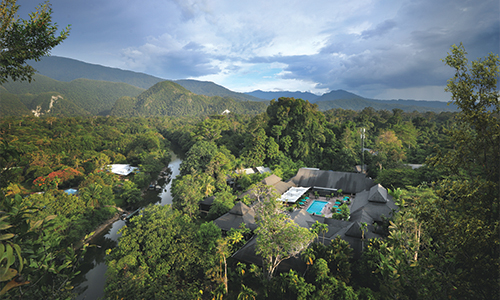
    Based at the beautifully-designed Mulu Marriott Resort and Spa, modeled after traditional Borneo long houses, Ayus Wellness offers immersive experiences in the Borneo rainforest at Mulu, Borneo, East Malaysia (www.ayuswellness.com). With the Ayus Wellness Experience (AWE), guests immerse themselves in the magnificent beauty of Mulu’s 60-million-year-old primeval rainforest, a UNESCO World Heritage site, while enjoying wellness journeys inspired by Borneo indigenous knowledge of Nature, nutrition and healing.

    AWE journeys include immersive forest experiences including mindful forest journeys, yoga in primeval rainforest settings, deep tissue or relaxing massages using essential oils and aromatherapy derived from traditional knowledge and an optional sleep program drawing on Eastern wisdom and modern science. The Ayus Wellness cuisine draws on Borneo herbal and food traditions known for their powerful nutritional and health values. For much of this we have scientific understanding, which is shared with guests in the evening knowledge programs. And this offers ways of maintaining mental wellness and the benefits of Nature immersion on return home to their everyday lives.

    The wilderness brings with it a sense of wonder, of awe at the beauty and majesty of Nature and its restorative power. Wonderment has been shown to rewire the brain, to take us out of everyday ways of seeing and thinking, and this is the beginning of deep wellness. As Socrates observed: ‘Wonder is the beginning of wisdom’.

    Do you have plans for any new mental wellness projects in the near future? Will there be anything related to the China market?

    Yes. Through the Mental Wellness Initiative of the Global Wellness Institute, my colleagues and I are planning global social media outreach on mental wellness, with strategies for promoting mental wellness, based on our findings in the White Paper. We are also working to develop video content around the various pathways that promote mental wellness and will share this with a global audience, including China.

    Also, in Hong Kong in May 2019, the Mental Wellness Initiative partnered with Fivelements and Compare Retreats to present a panel on Mental Wellness in Hong Kong. The Mental Wellness Initiative team hopes to do more of this in other centres in China, and elsewhere in Asia, including at the Spa China Summit in Xi’an, 9-11 September 2019.

    In your personal life, how do you maintain both physical and mental health? Could you give some daily tips for mental wellness improvement for busy modern people?

    As mentioned, I have been practicing Transcendental Meditation (TM), for twenty minutes twice a day since the mid-1970’s. I am vegetarian, I like to walk a lot and to be in Nature, and I do yoga almost every day. Having a purpose in life matters a lot to me, and that purpose is to be a global messenger for wellness and to enjoy life while doing this.

    Some tips? Well, ideally organic food and a largely vegetarian diet will help create the foundation for mental wellness, as the brain is affected by the health or sickness of the gut, via the gut-brain axis. Good sleep, some kind of meditative practice, which can include Tai Chi, Qi Gong, TM, mindfulness practice etc., to reduce stress and create inner balance; building positive relationships and minimizing damaging ones; less alcohol and no smoking; regular exercise that feels good; spending time in Nature on a regular basis; keeping happiness as a goal and pathway for life.

    ______________________________________

    1. https://www.psychologytoday.com/intl/blog/cutting-edge-leadership/201505/5-warning-signs-mental-health-risk
    2. White Paper on Mental Wellness: https://globalwellnessinstitute.org/wp-content/uploads/2018/10/GWI-MWI-WhitePaper2018.pdf
    3. https://www.prnewswire.com/news-releases/the-global-psychiatrist-market-was-valued-at-795-1-billion-in-2017–300762788.html
    4. https://www.prnewswire.com/news-releases/the-global-psychologists-market-was-valued-at-39-8-billion-in-2017–300762784.html
    5. http://www.corporatewellnessmagazine.com/others/the-breakers-palm-beach-case-study/ https://issuu.com/thebreakerspalmbeach/docs/sir_report_2016?e=24726257/42542228
    6. https://www.globalwellnesssummit.com/press/press-releases/gws-releases-eight-wellness-trends-for-2019/
  • 精神健康的科学探寻

    精神健康的科学探寻

    访全球养生研究所精神健康项目负责人Gerry Bodeker教授

    当科技与医疗蓬勃发展,寿命不断增加的同时,人们的精神健康却并没有相应地提升,甚至是愈加恶化。数据显示,全球每4个人中就有1个人患有压力相关疾病,如抑郁、焦虑和其它精神障碍。于是,精神健康这一概念被提上日程。人们开始探索提升精神健康的替代疗法,酒店行业也越来越有意识地在服务中融入精神健康体验。

    全球养生研究所(Global Wellness Institute)发起的精神健康项目(Mental Wellness Initiative)成为了这一场全球精神健康保卫战的前沿。该项目由临床心理学家Gerry Bodeker教授负责。毕业于哈佛大学公共卫生与健康专业的Bodeker教授二十多年以来在牛津大学教授医学科学课程,与联合国、各政府和私营企业合作制定多项养生战略,尤其专注于对亚州传统医学和健康生活方式的研究。他凭借精神心理学方面的专业知识和数十年来对各类养生法的研习,致力于探究真正有效的精神健康提升途径,并揭示其背后的科学依据。SpaChina采访了他。

    出于什么原因您开始关注精神与心理健康这一块?精神健康失衡的表现有哪些?

    首先,我是一名临床心理学家,此外,在二十几岁时,通过对“超觉静坐”的研究,我认识到,冥想可以帮助人们重建内在力量,获得幸福感,提升适应力。最关键的是,这一项练习可以由个体进行,无需依赖专门的理疗师。研究还表明,冥想能减少焦虑,抑郁,压力相关症状,使练习者获得持续的快乐与满足感。后来,我逐渐发现,许多养生形式都对精神健康有益,并且有科学依据可循,比如体育锻炼、营养、睡眠,于是我开始从传统心理疾病研究转向了对全面精神和心理健康的科学探索。

    美国心理学协会曾在前总统夫人米歇尔·奥巴马的支持下发起了一项活动,来鼓励患有心理问题的美国人积极寻求帮助,打消传统上公众对心理和精神疾病患者的歧视。这项活动提醒人们,如果发现周围的人有如下五个特征,就意味着他们正在遭受精神和心理问题的折磨,非常需要帮助:

    • 人格变化:某人的行为发生巨大改变,变得不像他本人
    • 莫名的过度焦虑、愤怒或情绪化
    • 社交退缩,自我孤立
    • 缺少应有的自我照顾,出现危险行为
    • 感到绝望,不知所措

    总的来说,人们如何达到精神健康,促进因素和阻碍因素分别有哪些?

    研究表明,影响精神健康的几大方面包括:自然环境与污染,社会环境与人际关系,营养与肠道健康(基于最新证实的肠脑轴系统),身心活动(如体育锻炼、跳舞、太极、瑜伽),适当的休息(如优质睡眠、减压冥想、按摩),以及回归自然。位于东京的日本医科大学研究人员也证实当人们回到大自然之中,将感到更加健康与幸福。对精神健康不利的因素则包括:吸烟、缺乏锻炼、糟糕的人际关系、污染、酒精、不健康的饮食、未接触足够阳光与自然。

    不过,正如全球养生研究所(Global Wellness Institute)在最新发布的《精神健康白皮书》中所论述的,大脑具有自我更新功能,在受到适当的刺激时可以建立新的连接,甚至产生新的脑细胞。冥想、瑜伽、舞蹈、锻炼、营养等都有利于促发大脑的更新——即人们常说的大脑可塑性。大脑可塑性这一理念是理解通过正确的生活方式实现精神健康的基础。

    全球范围来看,人们的精神健康现状如何?人们是否有意识的寻找提升精神健康的途径?最受欢迎的途径/体验有哪些?欧美和亚洲市场有何共同点和区别?

    如今,整个世界都在经历着精神健康危机。数据显示,全球大约有十亿人口患有焦虑症,四个人中就有一人患有精神障碍。2017年,全球精神病治疗的市场价值为7951亿美元,全球心理治疗的市场价值为398亿美元。

    总的来说,人们越来越多地认识到了精神健康的重要性。近几年,线上治疗和养生APP开始流行起来,这一名为虚拟精神健康治疗的市场正在迅速扩张,引导人们寻找获得精神健康的途径,并创建虚拟社区,成员为彼此提供支持与帮助。

    当然,在认识并推进精神健康方面,亚洲比西方国家要晚。传统上,亚洲人很避讳谈论精神方面的问题,结果是很多精神和心理病症被忽略,导致治疗被耽搁。但是,亚洲的主要区域,如香港、曼谷、新加坡已经开始呼吁人们认识精神健康的重要性,并推广精神健康理论和方法。与西方以个体为单位寻求医治的情况不同,亚洲人更倾向于将此作为一个家庭或集体事件,家族成员都会加入进来,这也造就了亚洲独特的精神问题治疗途径。南亚、东南亚、东亚都拥有着许多提升身体适应力、促进大脑更新、提升精神健康的方法,并在世界范围内越来越受关注。

    瑜伽、冥想、素食、太极与气功这些来自亚洲的传统养生法仍然是全球最流行的精神健康体验项目。2015年,美国的瑜伽练习者人数为3670万人,预计在2020年将达到5500万。2015年,美国的瑜伽市场总收益为90.9亿美元,预计在2020年将超过110亿美元。

    精神健康领域有哪些新趋势?未来的消费者会期待怎么样的灵性体验,希望达到怎样的目标? 

    工作地精神健康成为当下的主流话题。成年人的大部分时间在工作地点度过,现在,许多大企业都在考虑并尝试帮助员工提升身心健康的举措。此外,健康APP也很流行,这些APP引导着人们走向了自我探寻的道路,而不再依赖理疗师,人们可以通过舞蹈、瑜伽、冥想、太极、补充营养等方式提升精神健康状态。

    寻求灵性体验的客人通常是想要通过这种方式明白生命意义,与超验力量连接。他们会前往提供灵性体验的度假村,或参与灵性体验课程。当然,灵性体验也可以在日常生活中获得,哪怕只是一个善意的行为也能让人获得心灵的满足。

    目前,酒店和水疗中心在心理健康产品/服务这一块做得怎么样?对此,您有哪些建议?能否与我们分享一些成功案例?

    我和同事在《精神健康白皮书》中也提到这一点。一方面,全球患有抑郁症,或感受到压力和孤独的人数众多,同时,人们在水疗体验、养生旅行和度假村上的开支也非常惊人。因此,水疗和养生行业,从经营者到理疗师都必须认识到他们有责任为客人解决问题,尤其是心理精神健康方面的问题。在这一过程里,养生服务的直接提供者所拥有的技能固然是关键,然而,还有更关键的一点,就是这些服务提供者的雇主是否能够为员工创造出积极的工作环境,健康的工作地文化,并帮助他们提升身心健康。这些直接向客人提供服务的员工,首先他们自己必须被雇主很好地照顾。道理很简单,只有一个自身拥有良好身心状态的健康人才有可能为其他人带来有益身心的服务。所以,真正为员工的精神健康着想的企业将成为未来行业的领军人。

    可喜的是,已经有不少酒店、度假村、水疗中心加大了对员工的关注,建立与每位员工之间融洽的关系,并帮助他们进行压力管理。还有一些企业在工作地开展运动项目,举办营养学讲座,提供健康膳食,安置按摩椅,午休时间开设太极和气功课程。这类正念练习是增强精神健康的有效途径,并正在世界范围内迅速蹿红。

    位于佛罗里达棕榈滩的The Breakers是一家历史悠久的文艺复兴风格酒店,共有538间客房,1896年1月16日由铁路和石油大亨Henry Flagler建立,家族营运至今。The Breakers一直以来的理念就是“团队满意是客人满意和理想收益的基础。”酒店有一个经典的管培项目叫“企业运动家”,为期三天,为员工提供专业工具,培训其对时间和精力进行有效管理,从而在工作领域和个人生活中更加高效轻松应对。

    The Breakers酒店的员工留存率高达82%。酒店管理层将员工的健康看作一种附加值,即可以减少因员工病假而造成的经济损失。公司的员工关怀文化使得员工们在工作与生活中都充满热情,进而大大推动了The Breakers的发展。

    随着世界人口的压力水平上升,水疗养生行业理当成为减压文化的推动者和引导者。然而,更重要的是,先对服务直接提供者们进行健康养生和教育培训投资。否则一个“不健康”的理疗师只会带来运营中的各种问题,工作质量大打折扣不说,还会出现疲态、病假,甚至离职。因此对水疗员工进行身心照顾是为客人提供身心疗程的前提。

    您是GWI Mental Wellness Initiative的负责人,您们的主要任务是什么,针对人群是谁,是如何具体帮助大众提升精神和心理健康的?

    全球养生研究所(Global Wellness Institute)发起的精神健康项目(The Mental Wellness Initiative)旨在探索帮助人们获得长期身心健康状态的途径。精神健康所涉及的不仅是个人体验的内在层面,也包括社会心理对个人精神健康造成的影响和/或带来的帮助。全球养生研究所的精神健康项目一直不遗余力地探索、收集各种有效的精神、营养、身体养生模式,并与大众分享,帮助人们获得持续的精神健康、幸福感、创造力、智慧、内在安宁。我们也会录制视频,通过社交媒体,将讯息及时地传递到全球各处。

    能否为我们介绍一下您最近参与的The Ayus Wellness项目,想要带给客人怎样的体验?

    全球养生研究所(GWI)在2019年发布的养生趋势报告中提到了“森林养生”这一概念,并解释:越来越多的医生开始为病人开具“大自然”处方,鼓励人们回归自然之中。苏格兰设德兰群岛的医疗卫生服务部推出了“大自然疗愈”项目,华盛顿哥伦比亚特区的Robert Zarr博士发起了“哥伦比亚特区公园治疗方案”。位于东京的日本医科大学Qing Li博士对森林浴的研究促使日本建成了62个森林浴疗法中心,每年500万人次到访。科学表明,大自然可以帮助修复人体DNA,降低心脏病、糖尿病、骨质疏松症和某些癌症的患病风险,同时对人的精神健康也大有裨益,有研究证实,在自然中散步会启动大脑的“内定模态”,可降低压力感,激发认知能力、创造力和短时记忆力。基于此,我们推出了The Ayus Wellness Experience养生体验项目(AWE)。

    AWE养生体验依托马来西亚东部姆鲁国家公园内的姆鲁万豪水疗度假村,以婆罗洲热带雨林浸入式体验为核心。这是一片具有6000万年历史的原始雨林,有着摄人心魄的美丽,亦被列为联合国教科文组织世界遗产地。此外,AWE还为客人提供营养膳食、理疗护理等多方面体验。

    AWE将客人们带到大自然深处,在原始森林漫步、练习瑜伽、享受精油按摩、再缓缓入眠。其中,独特的睡眠体验融合了东方疗愈智慧和现代科学,能有效提升客人的睡眠质量。当地特色膳食也是AWE体验重要的一环。婆罗洲的传统天然草本和食材具有丰富的营养和健康价值。每天晚上,我们会通过讲座的形式向客人分享这些体验背后的科学依据,令客人们回到家中依然可以延续这样健康的生活方式,保持良好的精神状态。

    一直以来,大自然以其美丽、威严和无限疗愈力令人们升发惊叹与敬畏。而这种深深的惊叹感将直接作用于大脑,让我们从日常所见所想的习惯模式中释放出来,而此正是深层疗愈的开端。

    您之后还会有哪些有关精神心理健康的项目规划?是否有与中国市场相关的尝试?

    是的,通过GWI的“精神健康项目”平台,我和同事们将继续借助社交媒体工具在全球范围内推广精神健康知识以及提升精神健康的方式途径,并录制视频与全球观众分享,当然也包括中国。

    此外,2019年5月,GWI精神健康项目小组与Fivelements和Compare Retreats两大养生集团的专家们联手在香港举办了以精神健康为主题的座谈会,我们也期望日后有更多机会在亚洲和中国举办类似的活动。

    在日常生活中,您个人是如何保持身心两方面的健康状态的?可否为忙碌的现代人提供一些提升精神健康的日常贴士?

    从上个世纪70年代中期起,我就开始坚持每天练习两次超觉静坐,每次20分钟。我也是一名素食者。另外,我很喜欢走路,喜欢沉浸大自然,几乎每天都练习瑜伽。对于我来说,明确生命的目标至关重要,而我的人生目标就是成为全球养生使者,为了更多人的健康而努力,同时在这一过程中享受生活。

    对于工作繁忙的现代人,在日常生活中,可以多吃有机食物和素食,这些是精神健康的基础,因为肠道是否健康将直接影响人的大脑。另外,保证良好的睡眠,做一些像是太极、气功、冥想之类的练习将有助于释放压力,获得内在平衡。在人际交往中,多去建立一些积极良好的人际关系。戒烟,少饮酒,适当的运动,定期拥抱大自然,将幸福作为一个目标,然后你就会越来越健康。